
 한국어
한국어 English
 日本語
日本語 中文(简体)
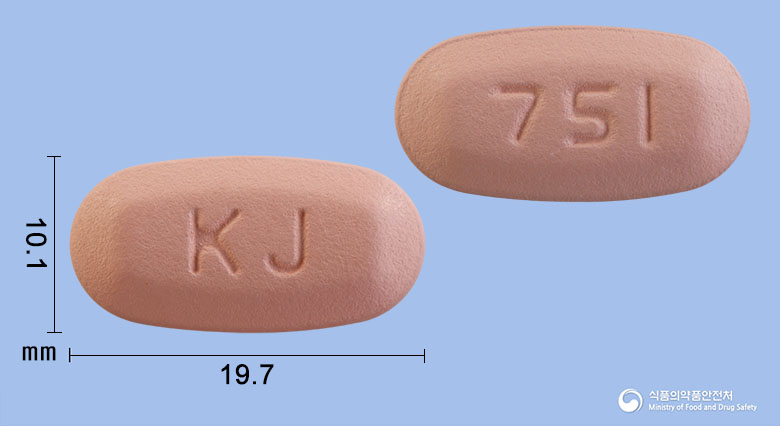 Viewing nowCombination
Crebis Tablet 750/10 mg
Metformin Hydrochloride 750mg · Rosuvastatin Calcium 10.4mg
Tablet · Prescription medication · Combination
International Pharmaceutical Co., Ltd.
MFDS item code 201803964 · Approved 2018.10.10
This product's status changed to Approval revoked on 2026.02.19. It may no longer be sold, so consult a doctor or pharmacist before taking it.
Effect of combination therapy with Metformin Hydrochloride and Rosuvastatin Calcium
This medication is used as a combination therapy for patients who need to take Metformin Hydrochloride and Rosuvastatin Calcium simultaneously.
This medication is for adults only and should be administered once daily with the evening meal.
This medication can rarely cause severe side effects such as lactic acidosis, so if these symptoms occur, it must be reported to a healthcare professional immediately. Caution is needed as hypoglycemic symptoms may appear when used with other diabetes medications. Patients with allergies to any of the ingredients in this medication or those with liver function issues should not take it. Patients with muscle-related diseases or those taking certain medications should consult a doctor before using this medication. Pregnant or lactating women should not use this medication, and women of childbearing age should use appropriate contraception considering the possibility of pregnancy. Patients with impaired kidney function should have kidney function tests done before taking this medication and may need to stop taking it depending on the condition. While taking this medication, regular checks of liver function and muscle condition should be performed to detect any anomalies early. Alcohol consumption may increase the risk of lactic acidosis, so care should be taken to avoid excessive drinking while on this medication. Side effects such as gastrointestinal disturbances, muscle pain, and headaches may occur; if symptoms are severe, consult a healthcare professional. There may be interactions with other medications, so it is essential to inform healthcare professionals of any medications being taken. If surgery or imaging tests with contrast media are planned, this medication should be temporarily discontinued, and the status of kidney function should be checked before determining whether to re-administer it. Elderly people are at higher risk for decreased kidney function, therefore dose adjustments and regular testing are necessary. The safety and efficacy of this medication have not been established in children under 19 years old; thus, it is not used in this age group. In case of overdose, it is necessary to visit a medical facility immediately for appropriate treatment, especially since hemodialysis may be required if there is impaired kidney function. Dizziness may occur while taking this medication, so caution is needed when driving or operating machinery. Medications should be kept out of the reach of children and stored tightly in their original containers.
Hives, angioedema, severe hypoglycemia, lactic acidosis, Stevens-Johnson syndrome, Drug Reaction with Eosinophilia and Systemic Symptoms (DRESS), jaundice, hepatitis, acute renal failure, oliguria, chest tightness, difficulty breathing, chest pain, myopathy, rhabdomyolysis, myopathy, immune-mediated necrotizing myopathy, severe allergic reactions, severe skin adverse reactions, respiratory issues, liver abnormalities (jaundice), serious neurological symptoms
Not everyone experiences these, and they can vary from person to person.
This medication should be stored in a tightly sealed container to avoid exposure to air and moisture, and it is best kept at room temperature between 1 to 30 degrees Celsius. Storing it this way will help maintain the efficacy of the medication for a long time.
Pink oval film-coated tablet
30 tablets (10 tablets/PTP×3), 30 tablets/bottle
Even with the same ingredient, strength, dosage form and how it is taken can differ.
Viewing nowCombinationMetformin Hydrochloride 750mg · Rosuvastatin Calcium 10.4mg
Tablet · Prescription medication · Combination
International Pharmaceutical Co., Ltd.
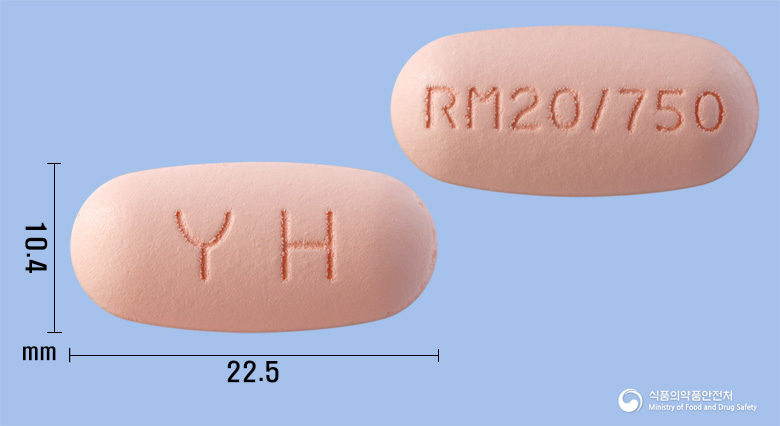 Combination
Metformin Hydrochloride 750mg · Rosuvastatin Calcium 20.8mg
Tablet · Prescription medication · Combination
Yuhan Corporation
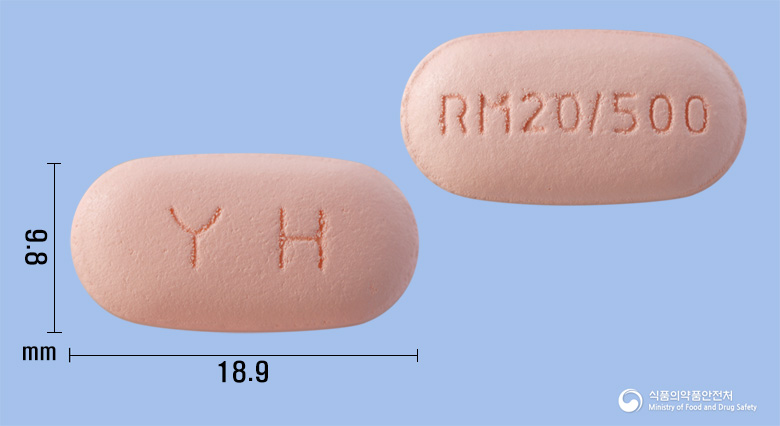 Combination
Metformin Hydrochloride 500mg · Rosuvastatin Calcium 20.8mg
Tablet · Prescription medication · Combination
Yuhan Corporation
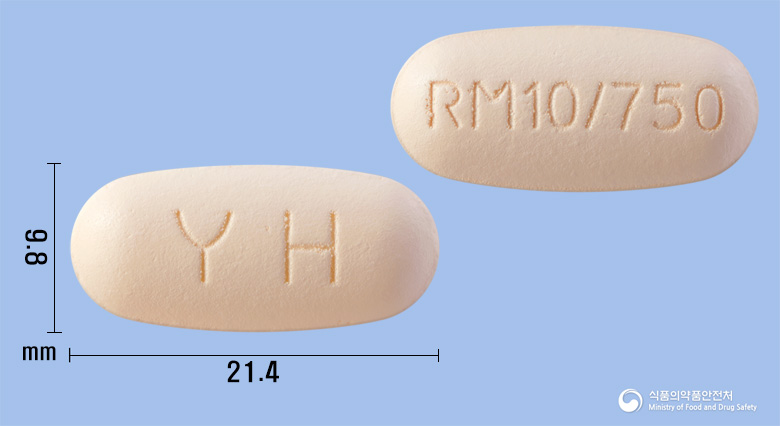 Combination
Metformin Hydrochloride 750mg · Rosuvastatin Calcium 10.4mg
Tablet · Prescription medication · Combination
Yuhan Corporation
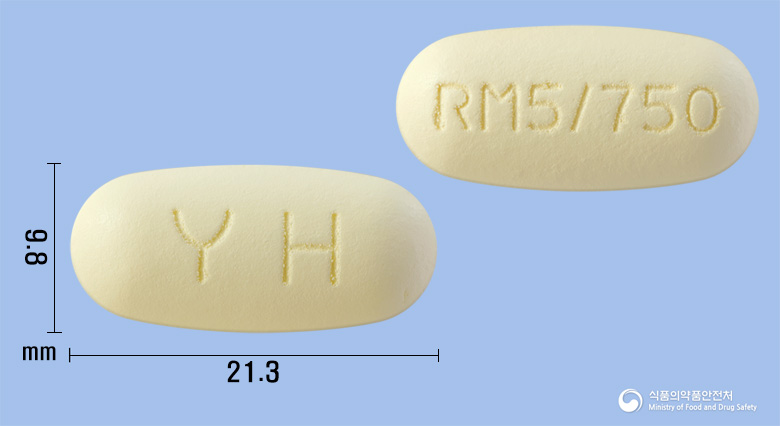 Combination
Metformin Hydrochloride 750mg · Rosuvastatin Calcium 5.2mg
Tablet · Prescription medication · Combination
Yuhan Corporation
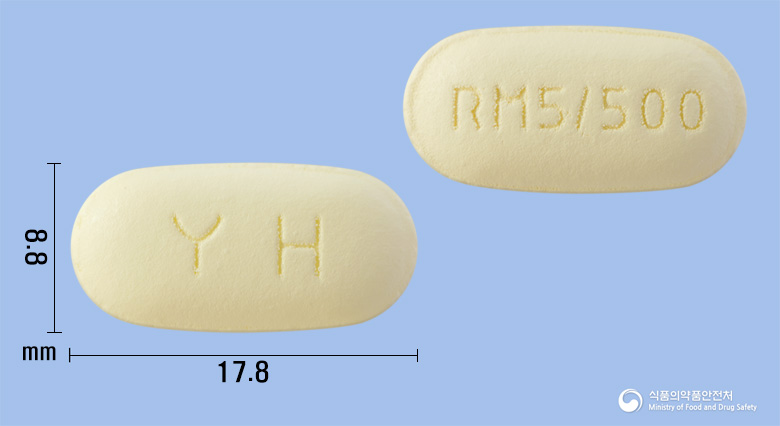 Combination
Metformin Hydrochloride 500mg · Rosuvastatin Calcium 5.2mg
Tablet · Prescription medication · Combination
Yuhan Corporation
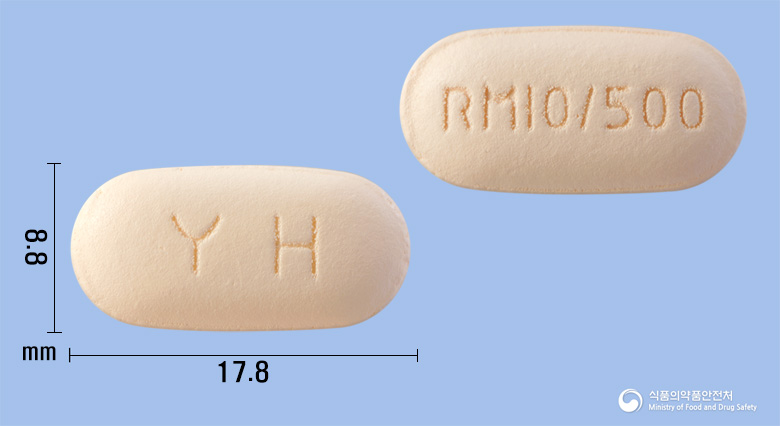 Combination
Metformin Hydrochloride 500mg · Rosuvastatin Calcium 10.4mg
Tablet · Prescription medication · Combination
Yuhansangyo Co., Ltd.
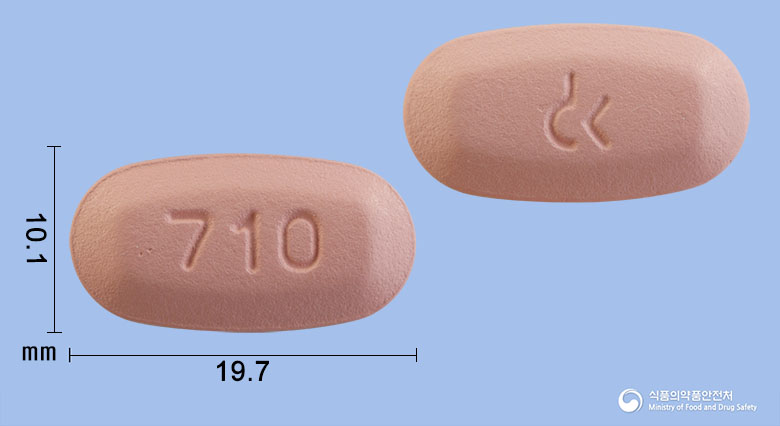 Combination
Metformin Hydrochloride 750mg · Rosuvastatin Calcium 10.4mg
Tablet · Prescription medication · Combination
Dongkuk Pharmaceutical Co., Ltd.
Even with the same ingredient, the dose and directions can differ by strength and dosage form. Talk to a doctor or pharmacist before switching from a medication you are already taking.
No questions yet.
For anything that needs medical judgment, consult a doctor or pharmacist.
This drug information is based on data provided by the Korea Ministry of Food and Drug Safety.
Consult a doctor or pharmacist for accurate dosage, administration, and usage instructions.