
 한국어
 English
 日本語
 中文(简体)
 Viewing now
Bonomore Tablet 20mg (Bazedoxifene Acetate)
Bazedoxifene Acetate 22.6mg
Tablet · Prescription medication
Alvogen Korea Co., Ltd.
MFDS item code 201803834 · Approved 2018.09.28 · Insurance code 652606520
Treatment and prevention of osteoporosis in postmenopausal women
This medication is used to treat and prevent osteoporosis in postmenopausal women. It is particularly effective in reducing the incidence of spinal fractures. However, the efficacy for non-vertebral fractures has not yet been clearly established. Therefore, it is primarily recommended for those at high risk of spinal fractures. When used appropriately according to the patient's situation, it helps improve bone health.
Take 1 tablet once daily (as bazedoxifene 20mg), with or without food. If the patient’s intake of calcium and vitamin D from food is insufficient, supplements should be taken. Patients with renal impairment: This medicine has not been adequately evaluated in patients with severe renal impairment and should be administered with caution. No dose adjustment is necessary in patients with mild or moderate renal impairment. Patients with hepatic impairment: Use is not recommended in patients with hepatic impairment because the safety and efficacy of this medicine have not been established.
This medication may increase the risk of venous thromboembolism; therefore, it is not recommended for women with a history of or risk factors for deep vein thrombosis, pulmonary embolism, or retinal vein thrombosis. This medication should only be used in postmenopausal women; premenopausal women or those who may become pregnant should not take it. If unexpected uterine bleeding occurs while taking this medication, a healthcare professional should be consulted immediately. Its safety has not been confirmed when used in conjunction with breast cancer patients or medications related to breast cancer, so usage should be avoided. Patients with hypersensitivity to this medication or its components, a history of venous thromboembolism, pregnant or nursing women, those with unexplained uterine bleeding, and those with symptoms of endometrial cancer should not take this medication. Patients with genetic issues such as lactose intolerance should also avoid this medication. Patients with hypertriglyceridemia, severe renal impairment, or liver dysfunction should use this medication with caution, and the use is specifically not recommended for those with liver dysfunction. Drowsiness and visual disturbances may occur when taking this medication, so caution is needed when driving or operating machinery. The potential for drug interactions with this medication is low; however, certain drugs may alter the metabolism of this medication, so a discussion with a physician is advised. Women who are pregnant or may become pregnant should not take this medication, and nursing mothers should also not use it. It is not for use in children, and elderly patients can use it without special dosage adjustment but should consider changes in liver function. There is no specific antidote for overdose; treatment should be based on symptoms. This medication should be stored away from children and kept in its original container. Various adverse reactions such as facial flushing, leg cramps, thrombosis, gastrointestinal disturbances may occur while taking this medication, so consultation with a physician is needed if any abnormal symptoms occur.
Not everyone experiences these, and they can vary from person to person.
This medication should be stored in a tightly closed container to prevent exposure to air and moisture. Additionally, it is important to store it at a cool temperature below 25 degrees Celsius to maintain its effectiveness.
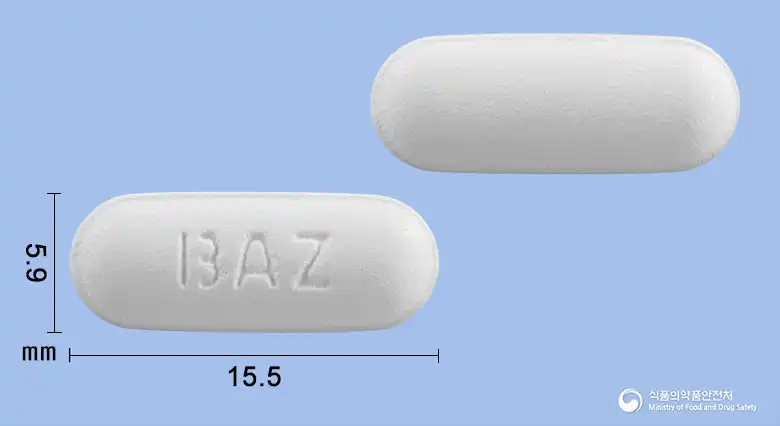
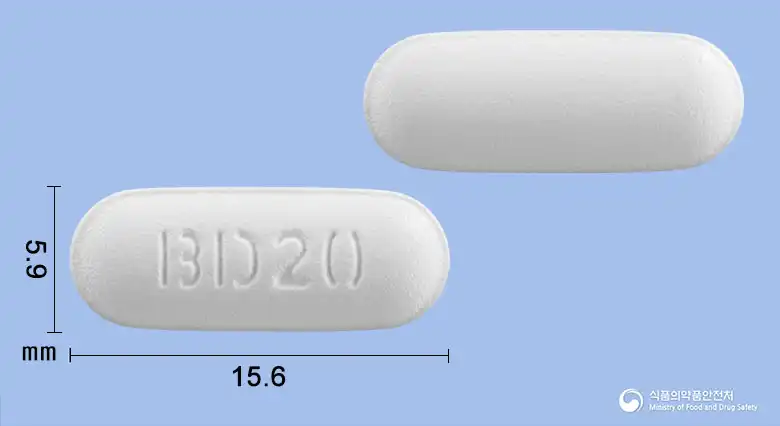
White oblong film-coated tablets
30 tablets (10 tablets/PTP x 3)
Even with the same ingredient, strength, dosage form and how it is taken can differ.
Viewing nowBazedoxifene Acetate 22.6mg
Tablet · Prescription medication
Alvogen Korea Co., Ltd.
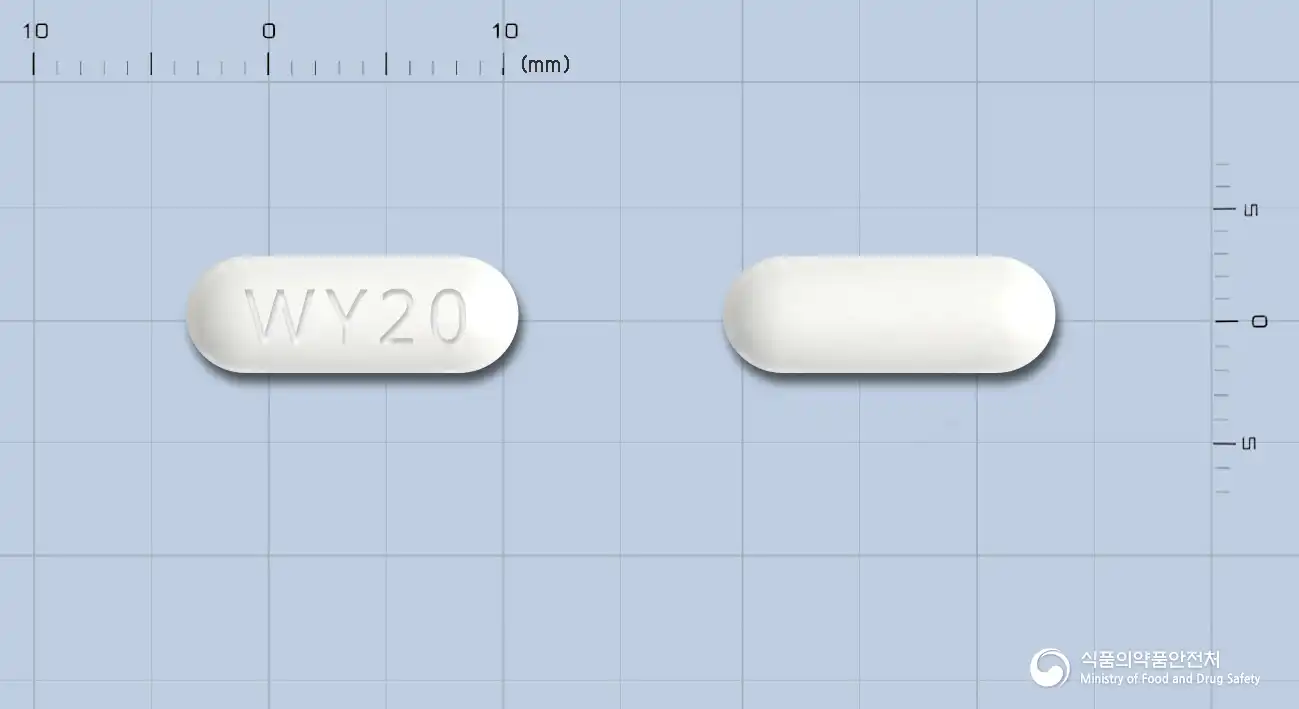
Bazedoxifene Acetate 22.6mg
Tablet · Prescription medication
Pfizer Korea Co., Ltd.
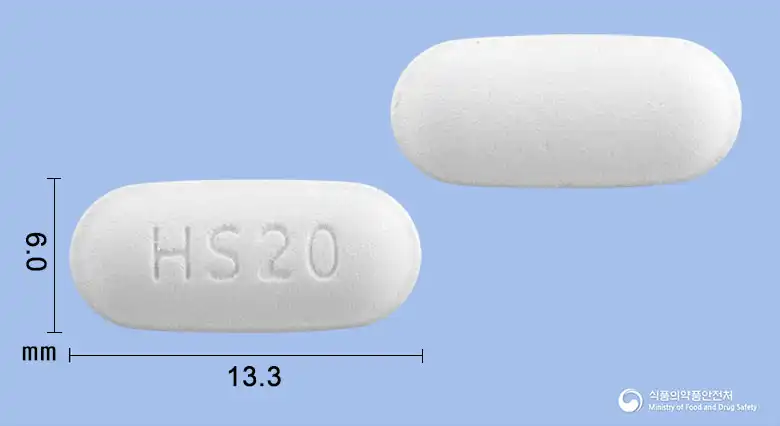
Bazedoxifene Acetate 22.6mg
Tablet · Prescription medication
Huons Co., Ltd.
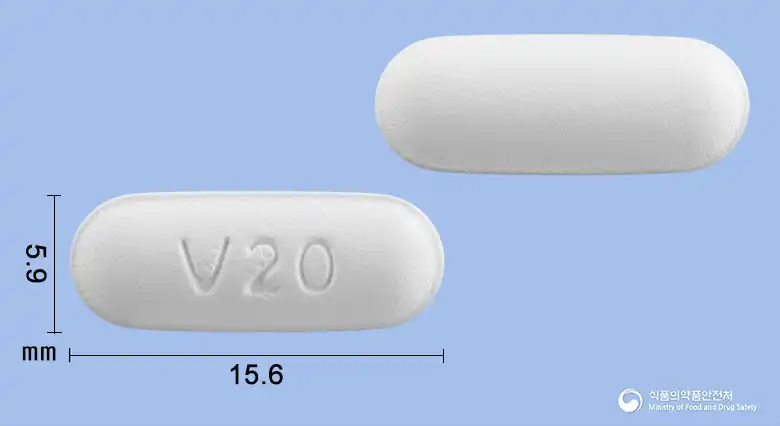
Bazedoxifene Acetate 22.6mg
Tablet · Prescription medication
Hanmi Pharmaceutical Co., Ltd.
Bazedoxifene Acetate
Tablet · Prescription medication
Hana Pharmaceutical Co., Ltd.
Bazedoxifene Acetate 22.6mg
Tablet · Prescription medication
Donggu Bio Pharmaceutical Co., Ltd.
Bazedoxifene Acetate 22.6mg
Tablet · Prescription medication
Medix Pharmaceuticals Co., Ltd.
Bazedoxifene Acetate 22.6mg
Tablet · Prescription medication
Korea Pavis Pharmaceutical Co., Ltd.
Even with the same ingredient, the dose and directions can differ by strength and dosage form. Talk to a doctor or pharmacist before switching from a medication you are already taking.
No questions yet.
For anything that needs medical judgment, consult a doctor or pharmacist.
This drug information is based on data provided by the Korea Ministry of Food and Drug Safety.
Consult a doctor or pharmacist for accurate dosage, administration, and usage instructions.