
 한국어
한국어 English
 日本語
日本語 中文(简体)
Dosage form image
Viewing nowNew Olmesartan Tablets 10 mg (Olmesartan Medoxomil)
Olmesartan Medoxomil
Prescription medication
Anguk New Pharm Co., Ltd.
MFDS item code 201802690 · Approved 2018.06.28
This product's status changed to Expired on 2023.06.28. It may no longer be sold, so consult a doctor or pharmacist before taking it.
Improvement of essential hypertension
Essential hypertension refers to a condition where blood pressure is persistently high, and this medication is used to stabilize blood pressure and improve blood circulation to protect cardiovascular health.
For adults, the recommended initial dosage is 10 mg once daily, irrespective of meals. If blood pressure is not adequately controlled, it may be increased to 20 mg once daily, and if further blood pressure reduction is needed, it may be increased up to a maximum of 40 mg once daily. The blood pressure-lowering effect typically appears within 2 weeks after starting treatment, with maximum efficacy observed around 8 weeks. If blood pressure is not controlled with this medication alone, it may be combined with thiazide diuretics such as hydrochlorothiazide. To improve adherence, it is recommended to take it at the same time every day (e.g., in the morning). For patients with potential intravascular volume depletion (e.g., those on diuretics, especially with kidney impairment), it is recommended to start treatment at a lower dose while closely monitoring their condition. <For the Elderly> No dose adjustment is required when administering this medication to elderly individuals aged 65 and above. Overall differences in efficacy and safety have not been observed between elderly and younger patients, although a more sensitive response may not be ruled out in some elderly patients. <For Patients with Renal Impairment> The maximum dosage for patients with mild to moderate renal impairment (creatinine clearance 20-60 mL/min) is 20 mg once daily. <For Patients with Liver Impairment> Experience with this medication in liver-impaired patients is lacking; therefore, its use is not recommended. <For Children> Safety and efficacy in pediatric patients have not been established.
Safety and efficacy have not been established in pediatric patients, so administration is not recommended.
This medication can cause serious harm to the fetus and newborn if taken during the second and third trimesters of pregnancy; therefore, it should be stopped immediately upon confirmation of pregnancy. Patients who are allergic to this medication or have certain genetic metabolic issues, as well as pregnant or breastfeeding women, renal dialysis patients, patients with severe liver impairment, and those with biliary obstruction should not take this medication. Patients with low blood volume or sodium deficiency may experience low blood pressure when taking this medication, so careful observation and measures are necessary before taking it. This medication may affect kidney function, so patients with kidney disease should regularly have blood tests to monitor kidney function and potassium levels. This medication can induce hyperkalemia, thus patients with heart failure or kidney disease should closely monitor blood potassium levels. Dizziness may occur, so caution should be exercised when performing hazardous tasks such as operating machinery or driving. If chronic diarrhea and weight loss occur while taking this medication, there may be gastrointestinal diseases resembling chronic malabsorption syndrome, thus immediate consultation with medical personnel is advised. When taken with potassium-sparing diuretics or potassium supplements, the blood potassium level may increase, so caution is needed. When combined with other antihypertensives, the blood-lowering effect may increase, thus it is essential to inform healthcare providers about other medications being taken. Combining with lithium may dangerously elevate lithium levels, therefore the combination of this medication and lithium is not recommended. Taking this medication with non-steroidal anti-inflammatory drugs may increase the risk of renal function deterioration, thus regular kidney function tests should be conducted. This medication is minimally metabolized by the liver and has few drug interactions, but it is advisable to consult healthcare providers about concurrent medications. For pregnant women, severe side effects such as decreased fetal kidney function, reduced amniotic fluid, and craniofacial malformations can occur, hence it should not be taken during pregnancy, and consultation with a healthcare provider is essential if pregnancy is planned or suspected. Breastfeeding women should carefully consider the possible transfer of this medication into breast milk and potential adverse reactions in infants. Safety has not been established for pediatric use, therefore it is preferable not to use it in children. Older adults may experience increased systemic drug concentration, thus close monitoring is required during administration. In case of overdose, symptoms such as low blood pressure, palpitations, and bradycardia may appear; immediate medical attention is necessary if these symptoms occur. This medication has been reported to have a low risk of carcinogenicity or genotoxicity even with prolonged administration, but consulting with healthcare professionals regarding the occurrence of adverse reactions or side effects is crucial.
Not everyone experiences these, and they can vary from person to person.
This medication may be sensitive to air or moisture; therefore, it must be stored in a tightly sealed container. It is recommended to keep the storage temperature between 1 to 25 degrees Celsius at room temperature to maintain the efficacy of the medication.
White round film-coated tablet
30 tablets/bottle, 300 tablets/bottle
Even with the same ingredient, strength, dosage form and how it is taken can differ.
Olmesartan Medoxomil
Prescription medication
Anguk New Pharm Co., Ltd.
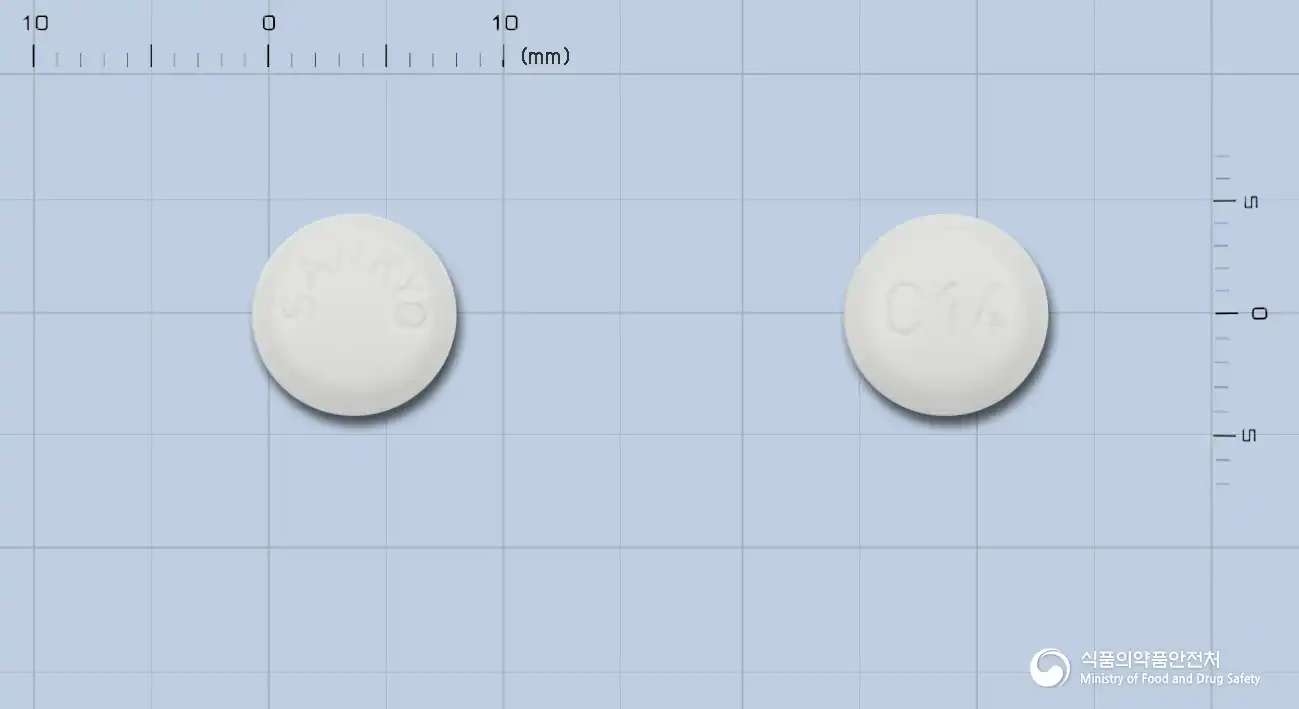
Olmesartan Medoxomil 20mg
Tablet · Prescription medication
Daewoong Pharmaceutical Co., Ltd.
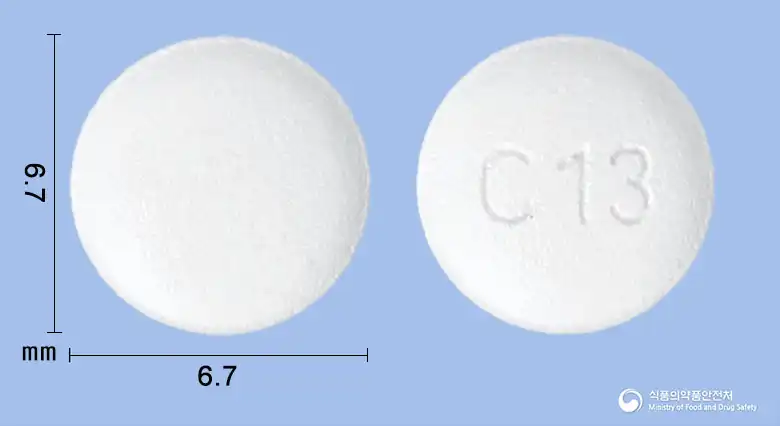
Olmesartan Medoxomil 10mg
Tablet · Prescription medication
Daewoong Pharmaceutical Co., Ltd.
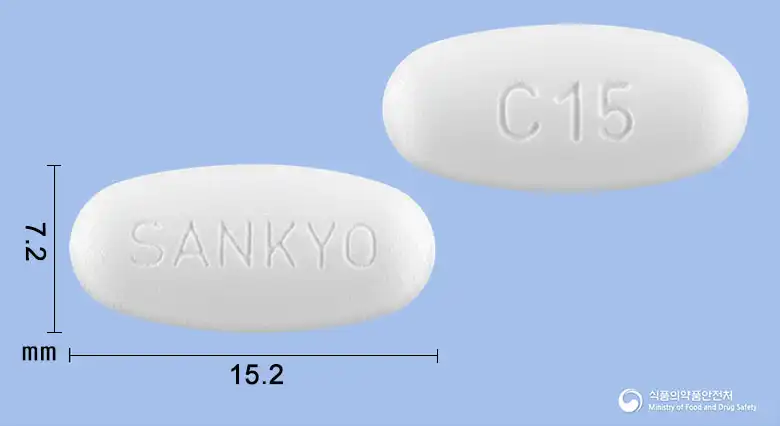
Olmesartan Medoxomil 40mg
Tablet · Prescription medication
Daewoong Pharmaceutical Co., Ltd.
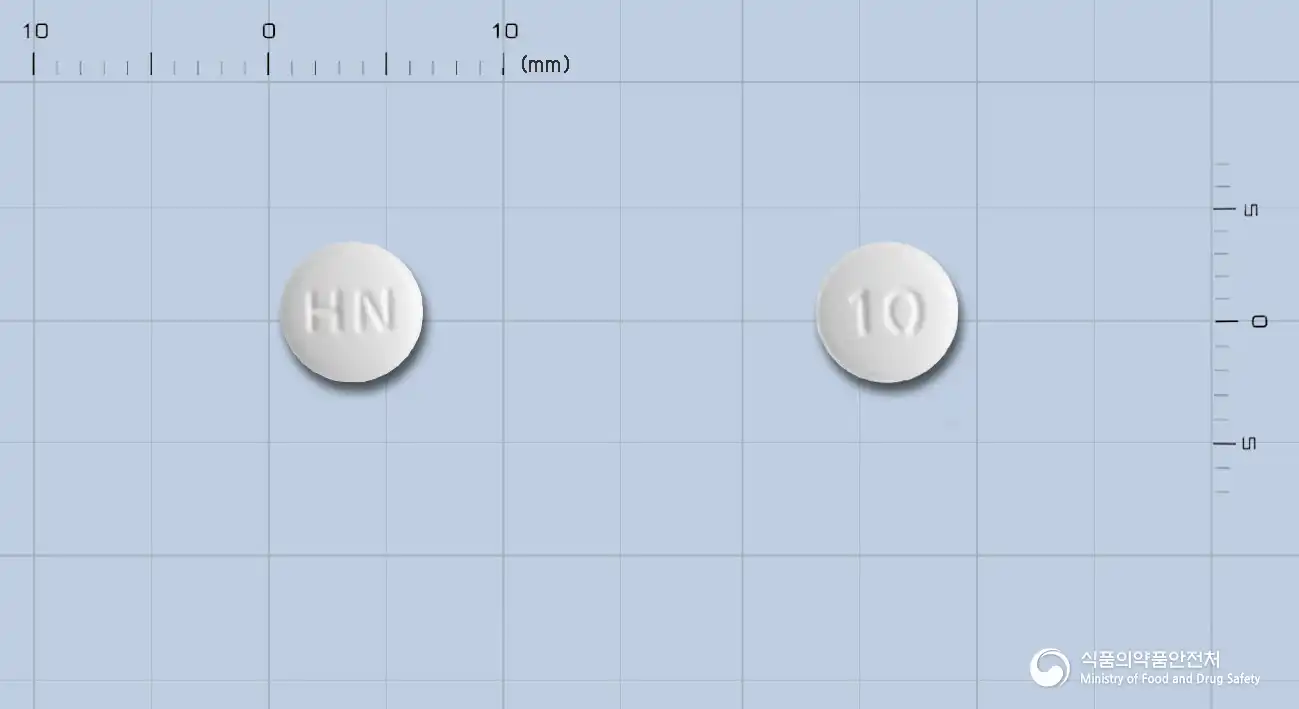
Olmesartan Medoxomil 10mg
Tablet · Prescription medication
Hana Pharmaceutical Co., Ltd.
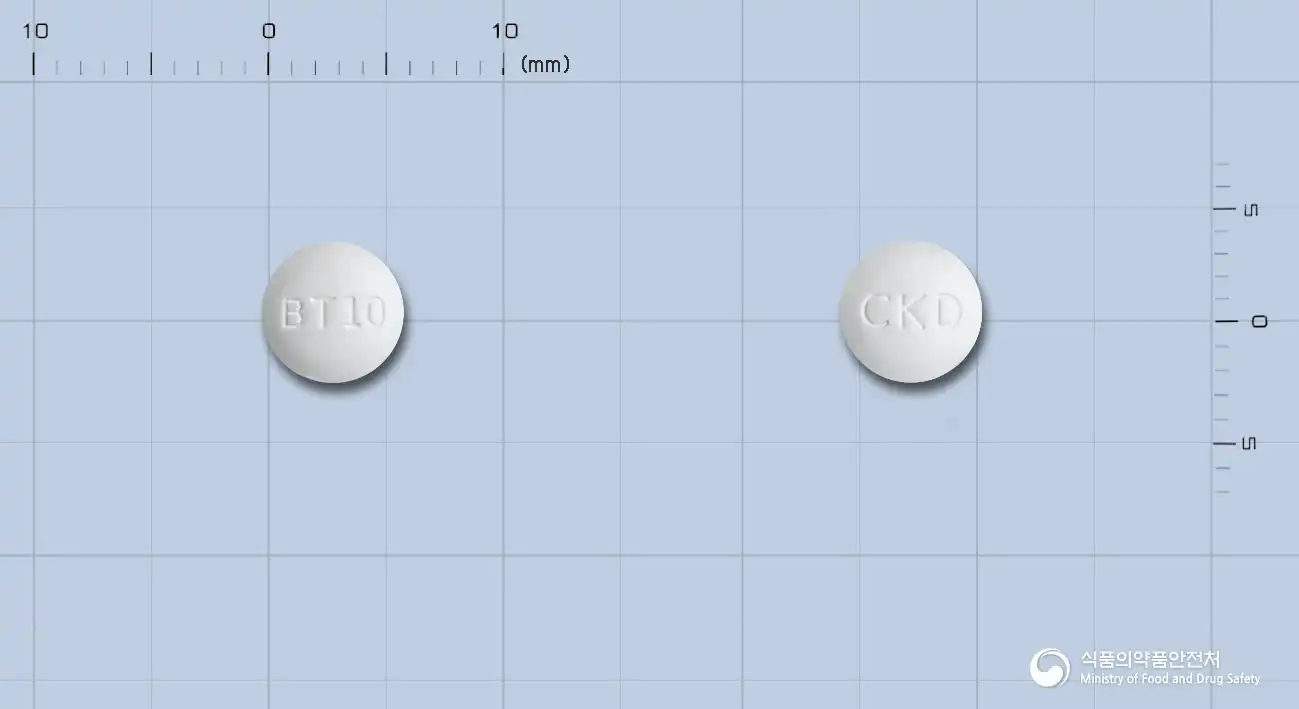
Olmesartan Medoxomil 10mg
Tablet · Prescription medication
Jongkeundang Co., Ltd.
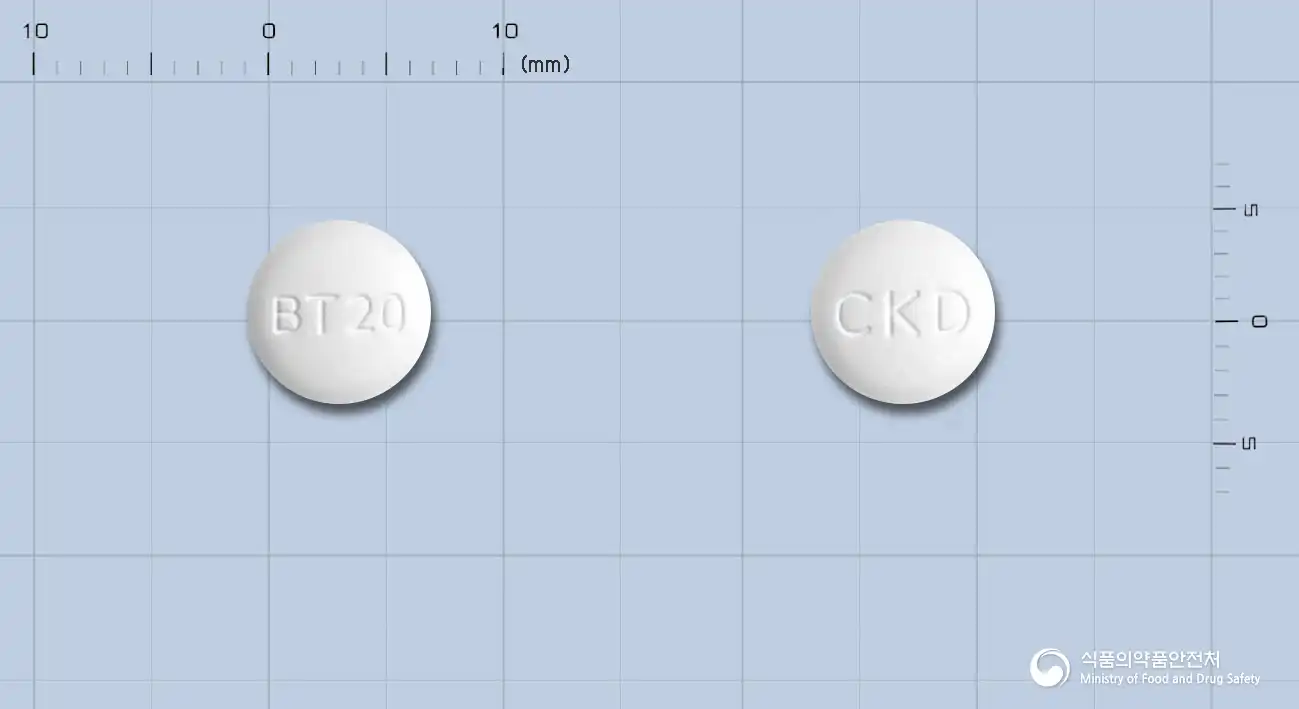
Olmesartan Medoxomil 20mg
Tablet · Prescription medication
Jongkundang Co., Ltd.
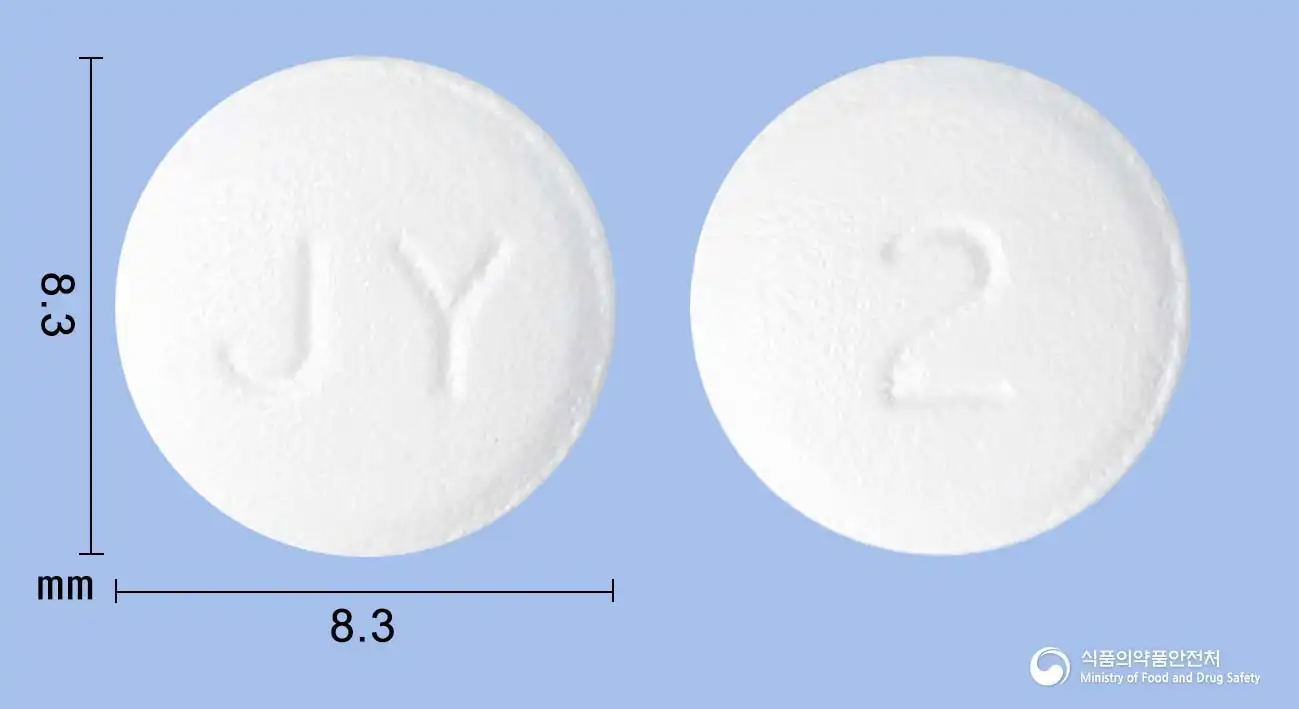
Olmesartan Medoxomil 20mg
Tablet · Prescription medication
Jinyang Pharmaceutical Co., Ltd.
Even with the same ingredient, the dose and directions can differ by strength and dosage form. Talk to a doctor or pharmacist before switching from a medication you are already taking.
No questions yet.
For anything that needs medical judgment, consult a doctor or pharmacist.
This drug information is based on data provided by the Korea Ministry of Food and Drug Safety.
Consult a doctor or pharmacist for accurate dosage, administration, and usage instructions.