
 한국어
한국어 English
 日本語
日本語 中文(简体)
 Viewing nowCombination
Previx Duo Capsule
Clopidogrel Bisulfate 97.875mg · Aspirin Enteric Pellets 122mg
Hard capsule · Prescription medication · Combination
Allergopharma Co., Ltd.
MFDS item code 201800668 · Approved 2018.02.02
Improvement of atherosclerotic symptoms and reduction of thromboembolic risk in acute coronary syndrome and atrial fibrillation.
This medication is used for patients with acute coronary syndrome, specifically those with unstable angina or non-Q-wave myocardial infarction who have undergone or will undergo drug therapy, stent procedure, or coronary artery bypass grafting. It helps improve outcomes related to cardiovascular events leading to death, myocardial infarction, stroke, or ischemic symptoms. Additionally, it is used in atrial fibrillation patients with one or more vascular risk factors who cannot take vitamin K antagonists, and it is effective in reducing the risk of stroke and thromboembolism. Therefore, this medication plays an essential role in preventing thrombosis and worsening of cardiovascular diseases.
Administer 1 capsule once daily.
This medication prevents blood from clotting to avoid the formation of clots. However, taking this medication may prolong bleeding times, so if there is severe or persistent bleeding, it is crucial to inform a doctor immediately. Patients must inform healthcare providers about taking this medication before undergoing surgery or starting new medications. Individuals with genetic variants affecting specific enzymes (CYP2C19) may have reduced effectiveness of this medication and may be at increased risk for heart-related problems; caution is advised. Additionally, co-administration of medications that activate CYP2C19 may increase the risk of bleeding, hence such combinations should be avoided. Individuals who consume more than 3 alcoholic beverages daily should consult a doctor or pharmacist before taking this medication, as otherwise, there may be an increased risk of gastrointestinal bleeding. This medication should not be administered to patients with certain conditions. For instance, it should not be used in patients with allergies to this drug or its components, patients allergic to nonsteroidal anti-inflammatory drugs, patients with peptic ulcers or severe bleeding, hemophiliacs, patients with severe liver or kidney dysfunction, pregnant women in the later stages of pregnancy, and nursing mothers. Patients with a history of gastrointestinal bleeding or a tendency to bleed should use this medication cautiously. Particularly, patients scheduled for surgery should discontinue this medication 5-7 days before surgery to reduce bleeding risk before resuming. This medication may increase bleeding risk, and if blood abnormalities or bleeding symptoms are suspected, immediate testing is warranted. Co-administration with anticoagulants like warfarin is not recommended. Rarely, this medication can cause severe blood disorders, such as severe thrombocytopenia or thrombotic thrombocytopenic purpura (TTP); immediate consultation with healthcare providers is necessary if abnormal symptoms occur. During treatment, patients should carefully observe for gastrointestinal symptoms, skin rashes, or respiratory difficulties indicating an allergic reaction. In pregnant women, especially during the third trimester, this medication should not be used; during the first or second trimester, it should only be used cautiously if the benefits outweigh the risks as determined by a physician. Nursing mothers are advised not to take this medication. Safety and efficacy in pediatric and adolescent patients under 18 years have not been established; therefore, it is not recommended. This medication does not affect the ability to drive or operate machinery, but caution is advised due to bleeding risks. Overdosing may significantly increase the risk of bleeding, and as there are no specific antidotes, severe cases may require treatments like platelet transfusions. This medication should be stored at room temperature and kept out of reach of children. While taking this medication, interactions with other drugs may occur, especially with drugs that pose a bleeding risk or affect CYP2C19 enzymes; caution is advised.
Hives, severe swelling (edema), chest tightness, difficulty breathing, cold sweats, pallor, severe rash with high fever, blisters, desquamation, pain in oral/ocular mucous membranes, difficulty or shortness of breath, asthma attacks, respiratory difficulties with cough and fever, jaundice (yellowing of skin or eyes), profound lethargy, sudden and very severe headaches, lightning headaches, seizures, disorientation, visual disturbances, paralysis, urinary changes.
Not everyone experiences these, and they can vary from person to person.
This medication should be stored in a tightly sealed container to prevent exposure to air or light. It is best to maintain a storage temperature between 1 degree and 30 degrees Celsius.
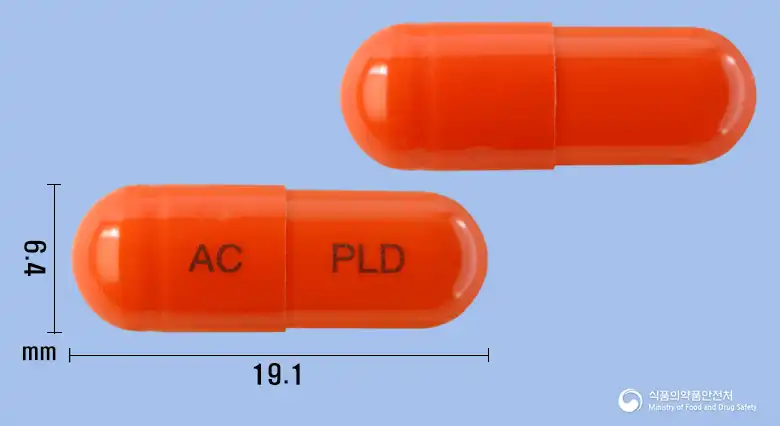
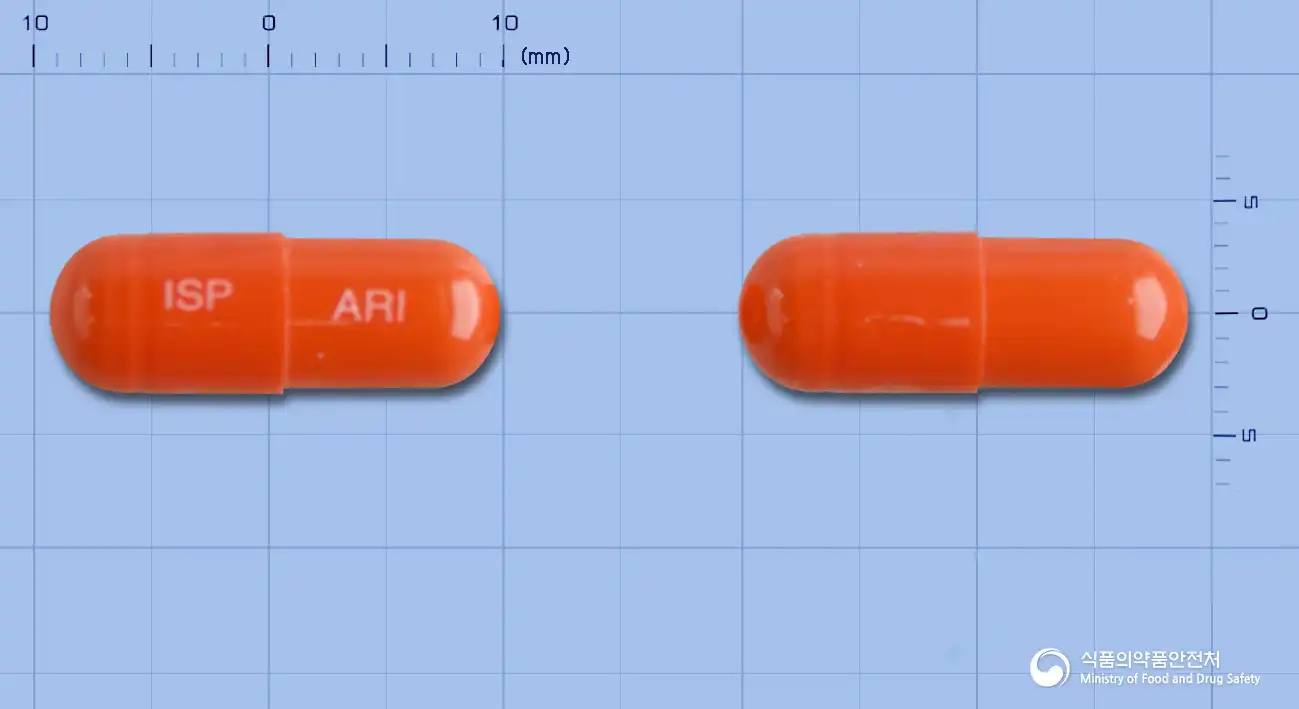
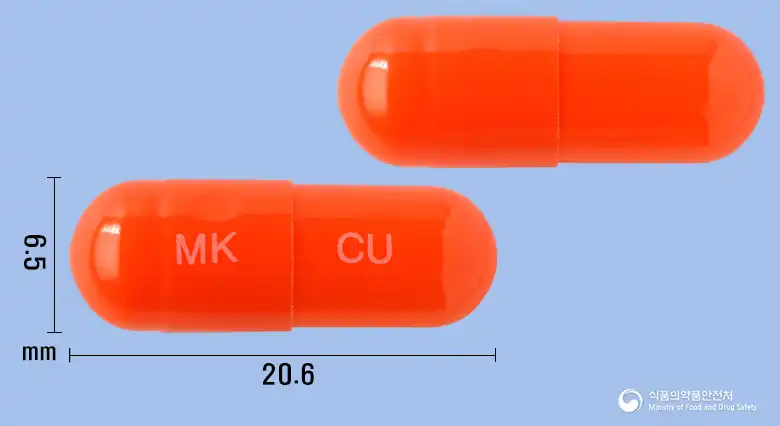
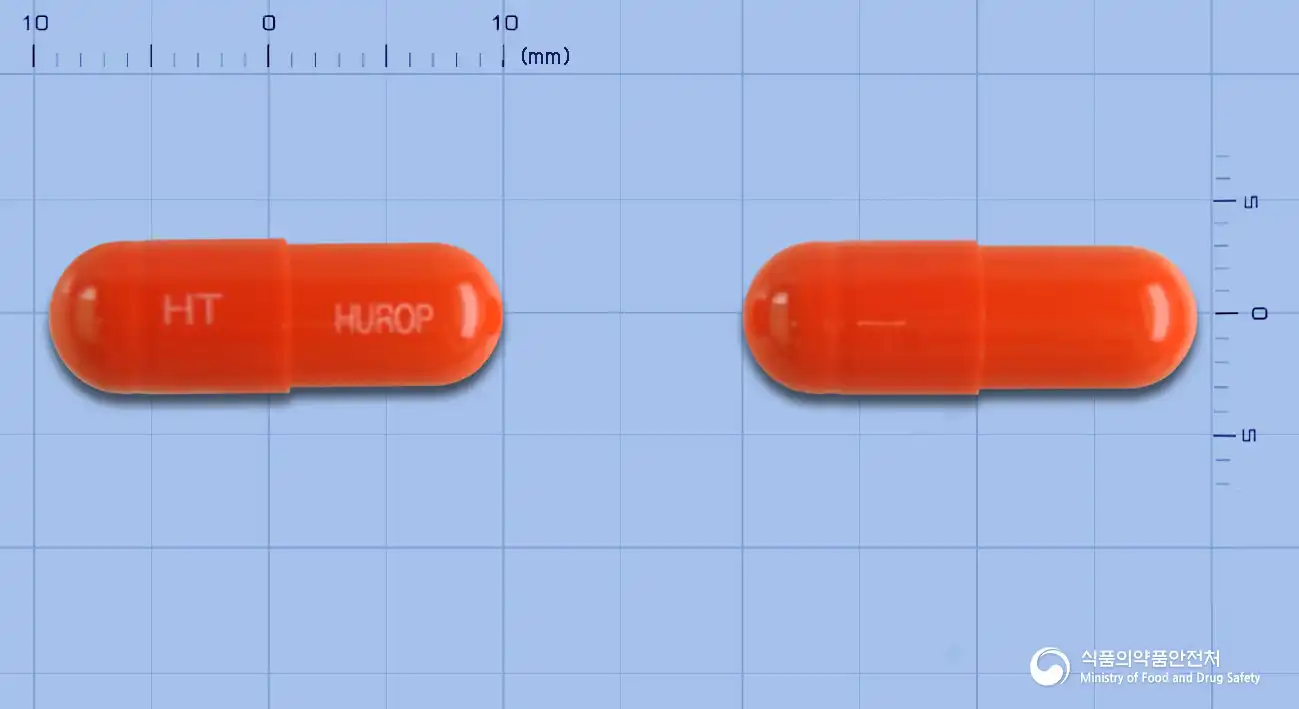
An orange hard capsule containing white or pale yellow granules and gastro-resistant coated pellets.
30 capsules/bottle, 300 capsules/bottle
Even with the same ingredient, strength, dosage form and how it is taken can differ.
Viewing nowCombinationClopidogrel Bisulfate 97.875mg · Aspirin Enteric Pellets 122mg
Hard capsule · Prescription medication · Combination
Allergopharma Co., Ltd.
Clopidogrel Bisulfate 97.875mg · Aspirin Enteric Pellets 122mg
Hard capsule · Prescription medication · Combination
Jinyang Pharmaceutical Co., Ltd.
 Combination
Clopidogrel Bisulfate 97.875mg · Aspirin Enteric Pellets 122mg
Hard capsule · Prescription medication · Combination
Huons Co., Ltd.
Clopidogrel Bisulfate 97.875mg · Aspirin Enteric Pellets 122mg
Hard capsule · Prescription medication · Combination
Boryeong Biopharma Co., Ltd.
Clopidogrel Bisulfate 97.875mg · Aspirin Enteric Pellets 122mg
Hard capsule · Prescription medication · Combination
Celltrion Pharmaceutical Co., Ltd.
 Combination
Clopidogrel Bisulfate 97.875mg · Aspirin Enteric Pellets 122mg
Hard capsule · Prescription medication · Combination
Medica Korea Co., Ltd.
 Combination
Clopidogrel Bisulfate 97.875mg · Aspirin Enteric Pellets 122mg
Hard capsule · Prescription medication · Combination
Korea Hutex Pharmaceutical Co., Ltd.
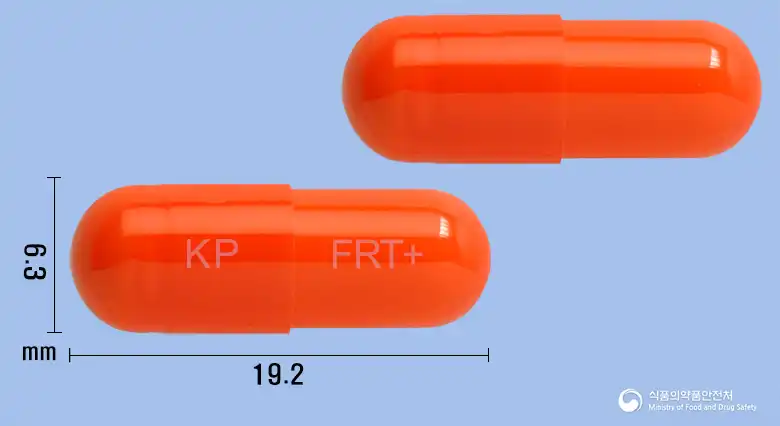 Combination
Clopidogrel Bisulfate 97.875mg · Aspirin Enteric Pellets 122mg
Hard capsule · Prescription medication · Combination
Korea Pharma Co., Ltd.
Even with the same ingredient, the dose and directions can differ by strength and dosage form. Talk to a doctor or pharmacist before switching from a medication you are already taking.
No questions yet.
For anything that needs medical judgment, consult a doctor or pharmacist.
This drug information is based on data provided by the Korea Ministry of Food and Drug Safety.
Consult a doctor or pharmacist for accurate dosage, administration, and usage instructions.