
 한국어
 English
 日本語
 中文(简体)
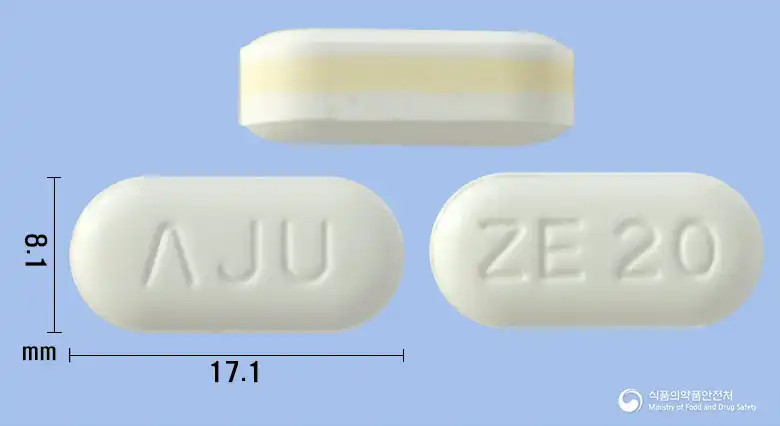 Viewing nowCombination
Zerocid Tablet 20/1100 Milligrams
Omeprazole 20mg · Sodium Bicarbonate 760mg
Prescription medication · Combination
Aju Pharmaceutical Co., Ltd.
MFDS item code 201706221 · Approved 2017.07.28 · Insurance code 654004900
Treatment and maintenance treatment of gastroesophageal reflux disease and peptic ulcers
This medication is used for the short-term treatment of gastric and duodenal ulcers. Additionally, it alleviates the symptoms of gastroesophageal reflux disease (GERD), which may include heartburn and regurgitation. It is prescribed for maintenance therapy for severe gastroesophageal reflux disease and difficult-to-treat peptic ulcers. It effectively acts on various gastrointestinal diseases to improve symptoms.
Take this medication on an empty stomach at least 1 hour before a meal. Swallow this medication whole with at least half a glass of water. Do not take it with any beverage other than water. Do not chew or crush this medication. This medication 20/1,100mg and 40/1,100mg contains 20 and 40mg of omeprazole, respectively. However, note that the amount of sodium bicarbonate in two tablets of this medication 20/1,100mg is not the same as that in one tablet of 40/1,100mg. ◎ Adults 1) Gastric ulcer: Take 1 tablet of 20/1,100mg orally once daily. Most ulcers may heal within 4 weeks, although the time to healing may occasionally vary among patients. If healing is not complete after the initial 4 weeks of treatment, continue treatment for another 4 weeks. In patients who have not responded to treatment with another medication, administration of 1 tablet of 40/1,100mg once daily usually results in healing within 8 weeks, although the time to healing may occasionally vary among patients. If the ulcer recurs, repeat treatment. 2) Short-term treatment of duodenal ulcer: Take 1 tablet of 20/1,100mg orally once daily. Most ulcers may heal within 2 weeks, although the time to healing may occasionally vary among patients. If healing is not complete after the initial 2 weeks of treatment, continue treatment for another 2 weeks. In patients who have not responded to treatment with another medication, administration of 1 tablet of 40/1,100mg once daily usually results in healing within 4 weeks, although the time to healing may occasionally vary among patients. If the ulcer recurs, repeat treatment. 3) Treatment of reflux esophagitis and symptoms of gastroesophageal reflux disease (GERD) (heartburn, regurgitation, etc.): - Reflux esophagitis: Take 1 tablet of 20/1,100mg orally once daily. Most cases may heal within 4 weeks, although the time to healing may occasionally vary among patients. If healing is not complete after the initial 4 weeks of treatment, continue treatment for another 4 weeks. In patients who have not responded to treatment with another medication, administration of 1 tablet of 40/1,100mg once daily usually results in healing within 8 weeks, although the time to healing may occasionally vary among patients. If the condition recurs, repeat treatment. - Treatment of symptoms of gastroesophageal reflux disease (GERD) (heartburn, regurgitation, etc.): Take 1 tablet of 20/1,100mg orally once daily. Treatment for 2-4 weeks is generally sufficient for healing. 4) Maintenance therapy for severe reflux esophagitis and peptic ulcers that are difficult to treat: Take 1 tablet of 20/1,100mg orally once daily. If the condition recurs, the dose may be increased to 1 tablet of 40/1,100mg once daily.
This medication should not be administered to certain patients. If you have an allergy to this medication or any of its components, serious allergic reactions may occur, and you should not use it. In patients with gastric ulcers where malignant tumors are suspected, it should not be used as symptom relief may delay diagnosis. Patients taking certain antiviral or antiretroviral medications should avoid using this drug in combination. Patients who need to restrict sodium intake should be cautious regarding the sodium content of this medication. Patients with decreased liver function should adjust the dosage as the body clearance of this medication may increase, particularly in those with severe liver disease. Elderly patients, patients with severe gastrointestinal ulcers, patients with reduced kidney function, and patients with compromised heart or lung function should also be treated cautiously. Patients with electrolyte imbalances in blood or certain metabolic disorders should be monitored closely. This medication can cause various adverse reactions, most commonly headaches, abdominal pain, diarrhea, and nausea. Rarely, serious side effects such as blood abnormalities, allergic reactions, liver function abnormalities, nephritis, and skin rashes may occur, so consult a doctor immediately if unusual symptoms appear. Long-term use may lead to increased fracture risk, hypomagnesemia, and vitamin B12 absorption disorders, thus regular testing is necessary. Particularly, caution is needed for those taking it for more than a year. This medication may interact with other drugs, so inform your doctor or pharmacist of any other medications you are taking. Caution is needed when taken in combination with certain anticoagulants, anticonvulsants, antiretrovirals, and immunosuppressants. During pregnancy, it should only be used if absolutely necessary, and while breastfeeding, careful consideration should be given to whether to discontinue breastfeeding or to pause the medication, as the drug can be passed into breast milk. Safety and efficacy in children under 18 years have not been established, so use is not recommended. During the period of taking this medication, closely monitor treatment progress, and consult medical personnel immediately if unusual symptoms appear. Additionally, store this medication out of reach of children and maintain quality by keeping it in the original container.
Anaphylaxis, anaphylactic shock, angioedema, bronchospasm, acute interstitial nephritis, urticaria, leukopenia, thrombocytopenia, agranulocytosis, pancytopenia, fever, hyponatremia, hypomagnesemia, insomnia, agitation, aggression, confusion, depression, hallucinations, headache, dizziness, paresthesia, drowsiness, feeling faint, taste disturbances, blurred vision, vision impairment, vertigo, cough, abdominal pain, constipation, diarrhea, fecal incontinence, abdominal distension, nausea, vomiting, dry mouth, stomatitis, gastrointestinal candidiasis, enteritis, elevated liver enzymes, jaundice, hepatitis, liver failure, encephalopathy, interstitial nephritis, dermatitis, itching, rash, vesicular rash, alopecia, photosensitivity, erythema multiforme, Stevens-Johnson syndrome, toxic epidermal necrolysis, chest pain, tachycardia, bradycardia, palpitations, back pain, arthralgia, myalgia, muscle weakness, interstitial nephritis, gynecomastia, mastalgia, breast lump, erectile dysfunction, fatigue, malaise, peripheral edema, increased sweating, Clostridium difficile-associated diarrhea, alkalosis, edema, gastric distension, belching, rebound gastric acid secretion, abdominal discomfort, indigestion, elevated total bilirubin, hyperbilirubinemia, elevated creatine phosphokinase, hematuria, vomiting, hemorrhage, dehydration, systemic lupus erythematosus, cutaneous lupus erythematosus, gastric polyp, hypocalcemia, hypokalemia, Stevens-Johnson syndrome, toxic epidermal necrolysis, eosinophilia with systemic symptoms drug reaction, acute generalized exanthematous pustulosis, acute interstitial nephritis, nausea, vomiting, dizziness, abdominal pain, diarrhea, headache, apathy, depression, confusion
Not everyone experiences these, and they can vary from person to person.
This medication may be sensitive to air or moisture, so it must be stored in a tightly sealed container. Additionally, to maintain the drug's effectiveness, it is best to store it at room temperature, specifically between 1 to 30 degrees Celsius.
Oblong three-layer tablet with a white upper and lower layer and a light yellow middle layer
30 tablets/bottle, 100 tablets/bottle
Even with the same ingredient, strength, dosage form and how it is taken can differ.
Viewing nowCombinationOmeprazole 20mg · Sodium Bicarbonate 760mg
Prescription medication · Combination
Aju Pharmaceutical Co., Ltd.
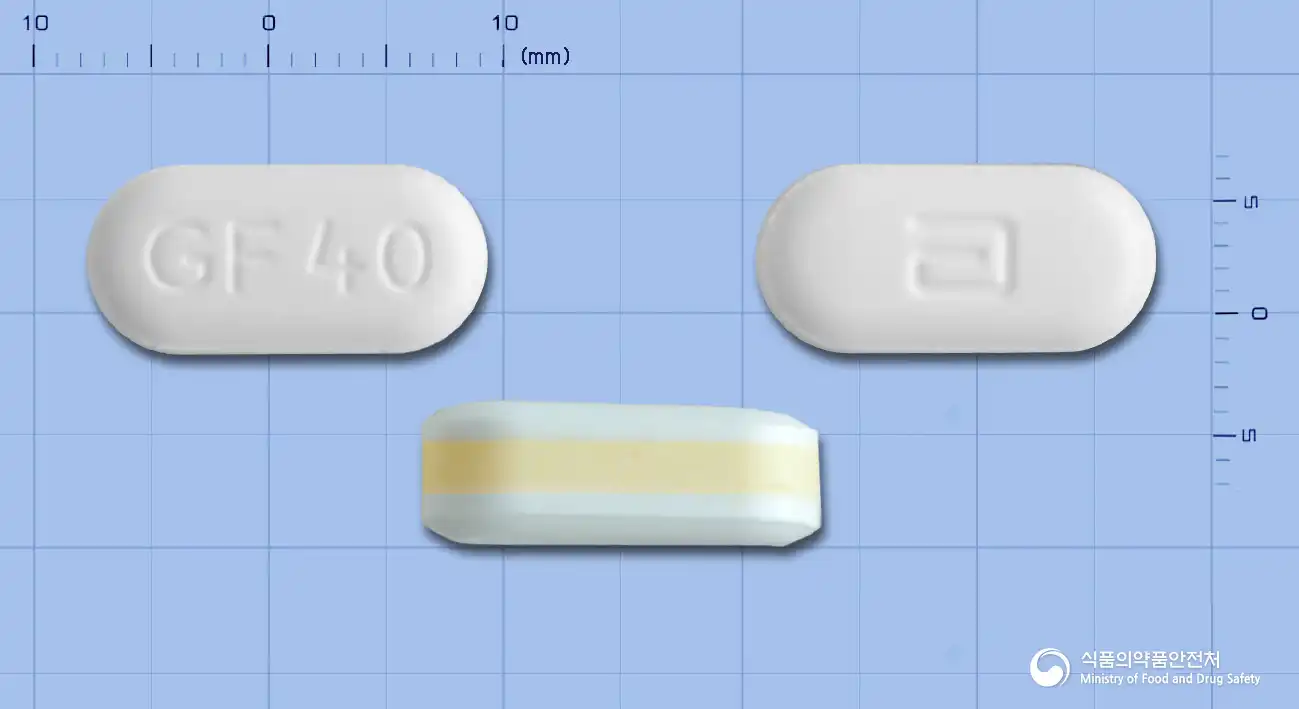 Combination
Omeprazole 40mg · Sodium Bicarbonate 760mg
Prescription medication · Combination
Korea Abbott Co., Ltd.
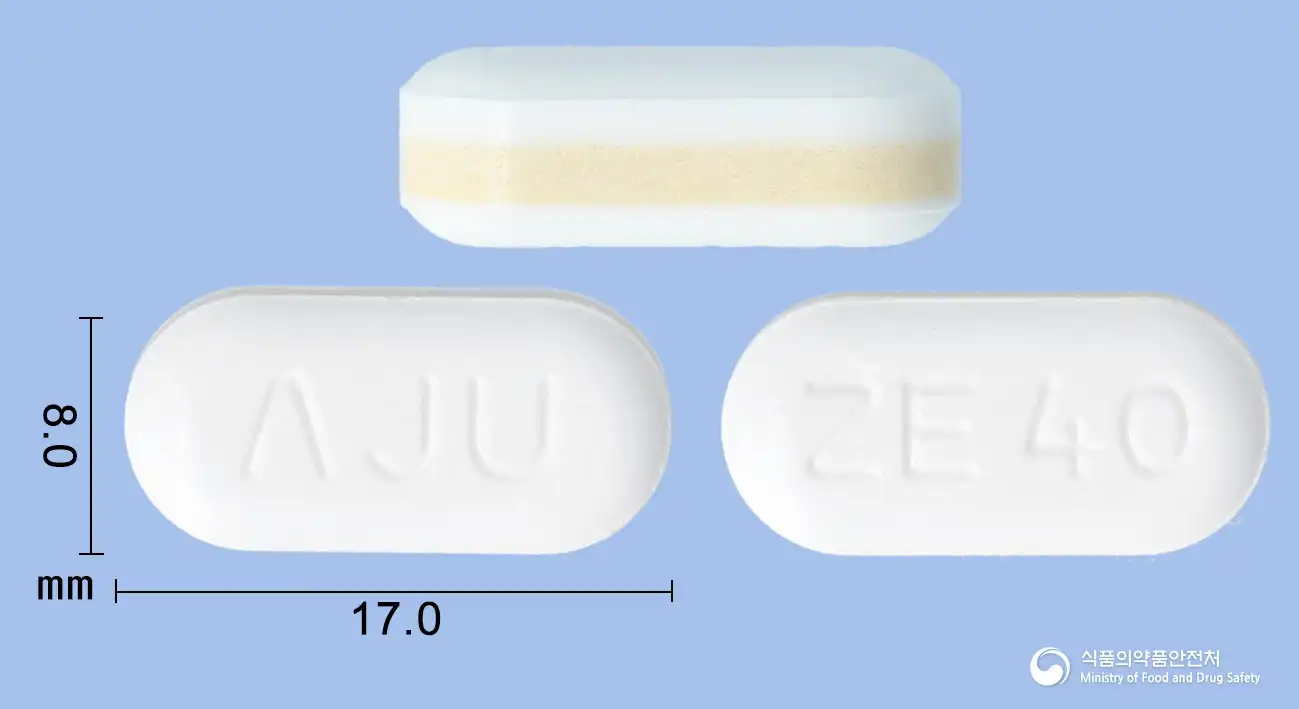 Combination
Omeprazole 40mg · Sodium Bicarbonate 760mg
Prescription medication · Combination
Aju Pharmaceutical Co., Ltd.
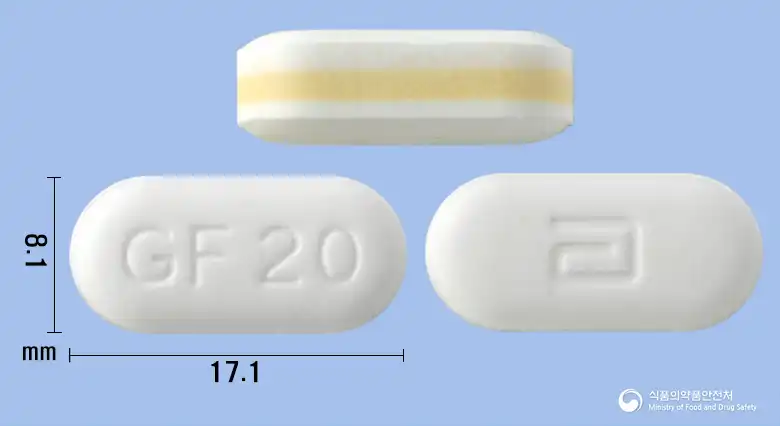 Combination
Omeprazole 20mg · Sodium Bicarbonate 760mg
Prescription medication · Combination
Korea Abbott Co., Ltd.
Even with the same ingredient, the dose and directions can differ by strength and dosage form. Talk to a doctor or pharmacist before switching from a medication you are already taking.
No questions yet.
For anything that needs medical judgment, consult a doctor or pharmacist.
This drug information is based on data provided by the Korea Ministry of Food and Drug Safety.
Consult a doctor or pharmacist for accurate dosage, administration, and usage instructions.