Medication info

Reint Tablet

Prescription medicationTablet경구Approval withdrawn
Ingredient · strength
Angelica Gigas Root·Chaenomelis Fructus·Saposhnikovia Root·Dipsaci Radix·Acanthopanax Root Bark·Achyranthes Root·Clematidis Radix·Cinnamon Bark·Gentianae Macrophyllae Radix·Cnidium Rhizome·Gastrodia Rhizome·Safflower 25% Ethanol Soft Extract (3.5→1)›405.4mg / 1 tablet
Manufacturer / importer
(주)비보존제약
Appearance
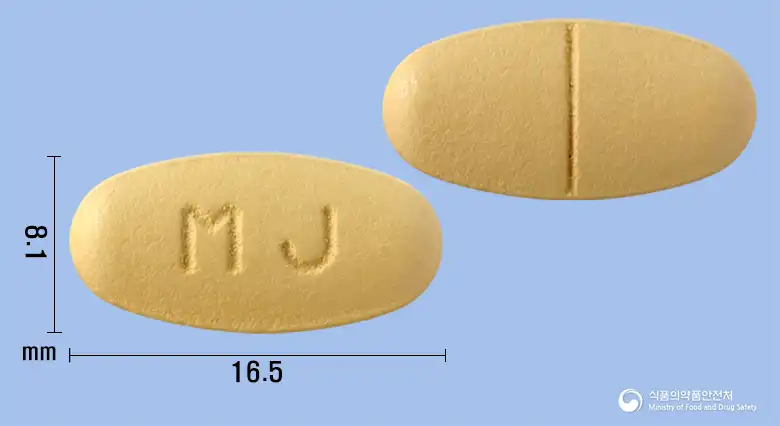
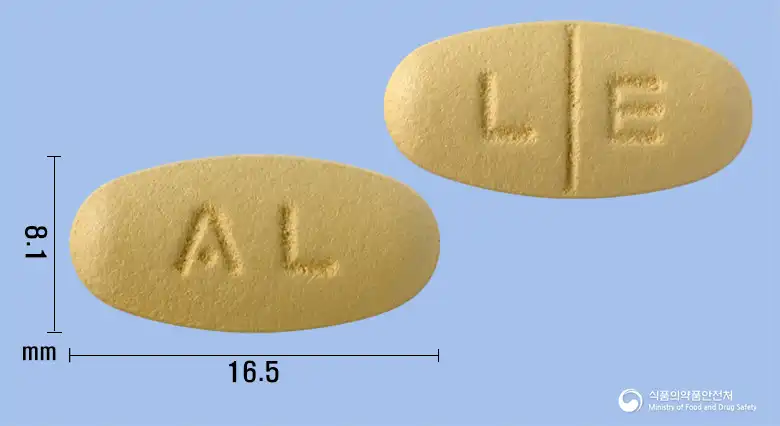
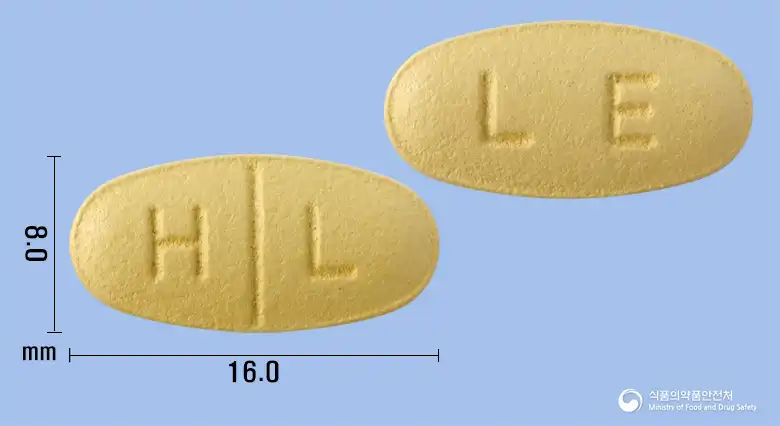
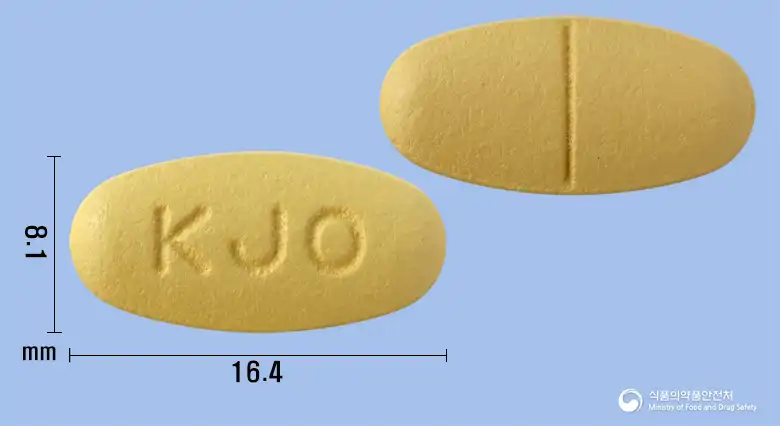
Yellow oval film-coated tablet
Packaging
30 tablets/bottle, 300 tablets/bottle
Approval status
Approval withdrawn

MFDS item code 201705504 · Approved 2017.07.10

This product's status changed to Approval withdrawn on 2025.07.01. It may no longer be sold, so consult a doctor or pharmacist before taking it.

Summary

Main use
Relief of osteoarthritis symptoms
Who takes it
Adults
Adult dose
Adults take 1 tablet twice daily.

Ingredients

Manufacturer
(주)비보존제약

Efficacy & effects

Relief of osteoarthritis symptoms

  • Symptoms of osteoarthritis
View approved original text

This medication alleviates pain and inflammation associated with osteoarthritis, improves joint function, and helps individuals feel comfortable in their daily activities. It reduces joint stiffness and movement restrictions, increasing activity levels and contributing to long-term joint health. It is used for the overall improvement of osteoarthritis symptoms.

How to take

Adult dose

Adults take 1 tablet twice daily.

Precautions

This medication should not be used by patients with allergic reactions or hypersensitivity to this medication or its components. It should not be administered to patients with severe peptic ulcers, heart disease, liver impairment, or kidney impairment. Patients who have experienced allergic reactions to similar substances in the past should also avoid this medication. Women who are pregnant or may become pregnant should not take this medication due to the risk of miscarriage or premature labor associated with its herbal ingredients. Those with allergies to soybean oil, soy, and peanuts should also avoid this medication. Care should be taken when administering this medication to patients with peptic ulcers, cardiovascular disease, liver impairment, kidney impairment, bronchial asthma, or those taking psychiatric medications. Patients with dyslipidemia should also exercise caution when using this medication. Gastrointestinal adverse reactions such as heartburn, dyspepsia, dry mouth, nausea, and diarrhea may occur when taking this medication. Systemic symptoms such as facial swelling, generalized edema, and weakness have also been reported. Blood tests may reveal leucopenia or liver function abnormalities, so regular testing is necessary. Serious adverse reactions such as gastric bleeding, fractures, liver abscesses, and pneumonia have been rarely reported in clinical trials and post-marketing surveys, but these occurrences are very infrequent. This medication carries a risk of gastrointestinal bleeding; therefore, those who consume alcohol frequently should take special precautions. Caution is needed when co-administering with other nonsteroidal anti-inflammatory drugs or corticosteroids if prior experience has not occurred. If symptoms of cardiovascular, gastrointestinal, liver, or kidney dysfunction arise during treatment, immediate consultation with healthcare personnel is required. Regular clinical testing is necessary; abnormalities found should prompt discontinuation or adjustment of the dosage. Serious allergic reactions such as anaphylaxis may occur, necessitating emergency care. This medication cannot replace corticosteroids and may mask signs of inflammation, which can delay infection diagnosis. Dizziness or drowsiness may occur; it is advisable to avoid driving or operating machinery. Due to the herbal ingredients such as Ligusticum chuanxiong, Angelica gigas, and Gastrodia elata, gastrointestinal disorders or skin rashes may arise; consult a specialist if symptoms develop. Patients at risk of fat overload should monitor their blood lipid levels and adjust the drug dosage if necessary. Safety data for pregnant or nursing women are insufficient; hence, avoid use during pregnancy or lactation, and it is recommended to discontinue breastfeeding while taking this medication. Safety in children and adolescents has not been established, so caution is warranted in use. Elderly patients are at a higher risk for adverse reactions, and their condition should be closely monitored during treatment. In cases of overdose, seek immediate medical attention for detailed diagnosis and treatment. Store out of reach of children and do not transfer to other containers for safety.

Side effects and when to seek care immediately

Serious side effects

  • Urticaria
  • facial swelling
  • generalized edema
  • gastric bleeding
  • intracranial bleeding
  • mitral valve dysfunction
  • pyelonephritis
  • pneumonia
  • chest pain

Mild side effects

  • Heartburn
  • dyspepsia
  • dry mouth
  • nausea
  • diarrhea
  • weakness
  • hypertriglyceridemia
  • hypercholesterolemia
  • Transaminitis
  • elevated ALT
Show 13 more
  • elevated AST
  • itching
  • leukopenia
  • neutropenia
  • chest discomfort
  • headache
  • upper respiratory infection
  • blurred vision
  • dizziness
  • drowsiness
  • gastritis
  • gastroesophageal reflux
  • peripheral edema

Not everyone experiences these, and they can vary from person to person.

Storage

This medication may be sensitive to air and moisture, so it should be stored in a tightly sealed container. It is advisable to maintain storage temperatures between 1°C and 30°C at room temperature. This helps keep the medication's efficacy safe.

Appearance and packaging

Appearance

Yellow oval film-coated tablet

Package unit

30 tablets/bottle, 300 tablets/bottle

Same-ingredient medicines

Even with the same ingredient, strength, dosage form and how it is taken can differ.

Even with the same ingredient, the dose and directions can differ by strength and dosage form. Talk to a doctor or pharmacist before switching from a medication you are already taking.

Questions about this medicine

No questions yet.

For anything that needs medical judgment, consult a doctor or pharmacist.

Related searches

Search tags

Suggested searches

This drug information is based on data provided by the Korea Ministry of Food and Drug Safety.
Consult a doctor or pharmacist for accurate dosage, administration, and usage instructions.