Medication info
Ostera Tablet

Ostera Tablet

Prescription medicationTabletOral
Ingredient · strength
Angelica Gigas Root·Chaenomelis Fructus·Saposhnikovia Root·Dipsaci Radix·Acanthopanax Root Bark·Achyranthes Root·Clematidis Radix·Cinnamon Bark·Gentianae Macrophyllae Radix·Cnidium Rhizome·Gastrodia Rhizome·Safflower 25% Ethanol Soft Extract (3.5→1)›405.4mg / 1 tablet
Manufacturer / importer
Kukje Pharmaceutical Co., Ltd.
Appearance
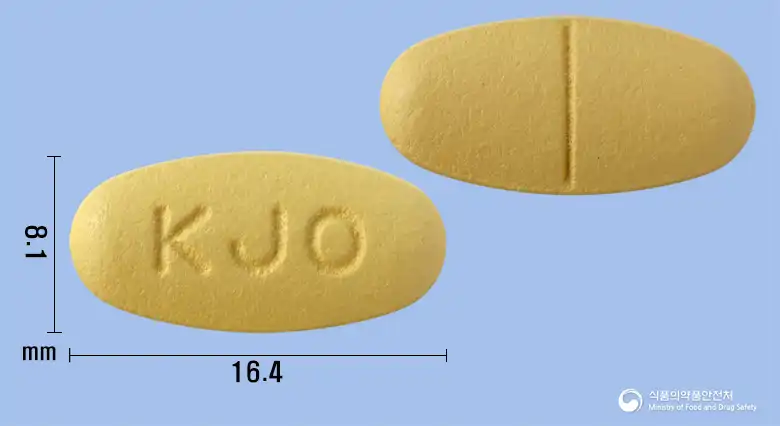
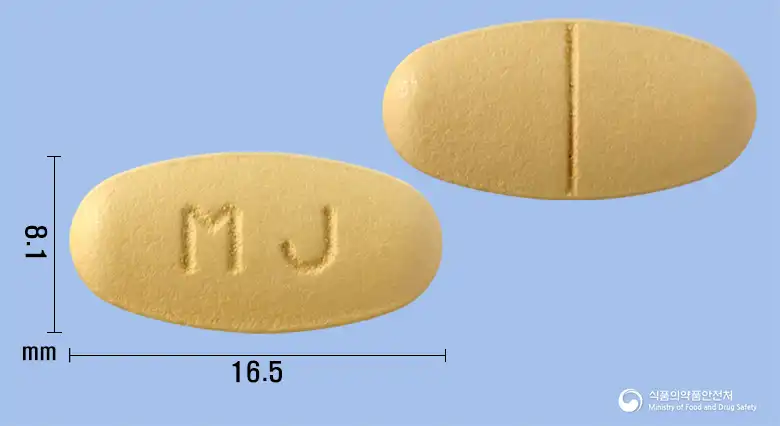
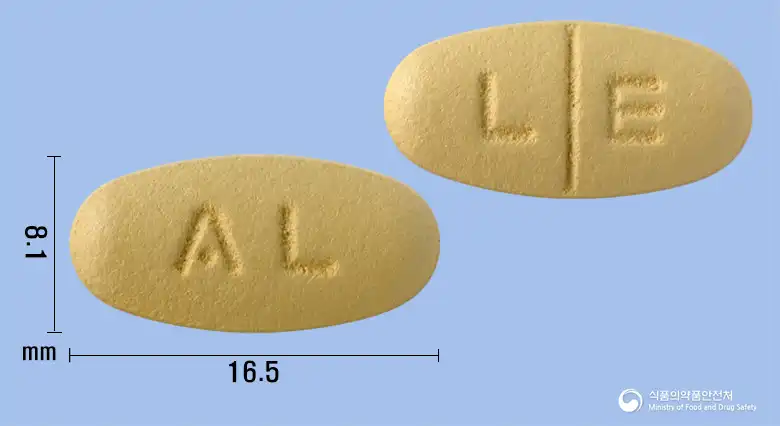
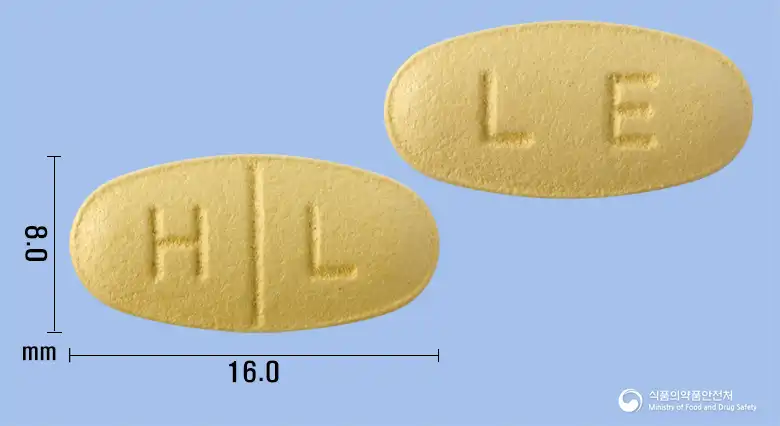
Yellow oval film-coated tablet
Packaging
30 tablets/bottle, 300 tablets/bottle
Approval status
Active

MFDS item code 201705490 · Approved 2017.07.10 · Insurance code 643704460

Summary

Main use
Relief of symptoms of osteoarthritis
Who takes it
Adults
Adult dose
Adults: Take 1 tablet twice daily.

Ingredients

Manufacturer
Kukje Pharmaceutical Co., Ltd.

Efficacy & effects

Relief of symptoms of osteoarthritis

  • Symptoms of osteoarthritis
View approved original text

This medicine helps to relieve pain and inflammation caused by osteoarthritis, facilitating comfortable joint movement for patients. It reduces stiffness of the joints and decreases discomfort experienced in daily life. Regular intake may assist in improving symptoms.

How to take

Adult dose

Adults: Take 1 tablet twice daily.

Precautions

This medicine should not be used by patients who have an allergic reaction or a history of hypersensitivity to this medicine or its components. Patients with peptic ulcers, severe cardiovascular diseases, or severe liver or kidney dysfunction should not take this medicine. Patients who have had allergic reactions to specific drug classes in the past, especially those sensitive to COX-2 inhibitors or non-steroidal anti-inflammatory drugs such as aspirin, should exercise caution. Women who are pregnant or potentially pregnant should avoid this medicine due to the risk of miscarriage or premature birth from the herbal ingredients it contains. Patients with allergies to soybean oil, soy, or peanuts should also avoid this medicine. Patients with a history of peptic ulcers, cardiovascular diseases, liver or kidney dysfunction, bronchial asthma, or those taking neuropsychiatric medications should use this medicine cautiously. Patients with dyslipidemia or those taking lipid emulsions should also be vigilant. This medicine may cause gastrointestinal side effects such as heartburn, indigestion, nausea, and diarrhea, and symptoms like facial or systemic swelling and weakness may also appear. Blood tests may show leukopenia, liver function abnormalities, skin itching, headaches, and blurred vision. While taking this medicine, it is important to monitor for signs of gastrointestinal bleeding, cardiovascular problems, or liver or kidney dysfunction, and to consult medical personnel immediately if any abnormal symptoms occur. It is essential to undergo regular blood tests, liver and kidney function tests, and electrocardiograms to detect any abnormalities. Severe allergic reactions such as anaphylaxis may rarely occur with this medicine, necessitating urgent emergency care. Individuals who frequently consume alcohol are at an increased risk of gastrointestinal bleeding and should take caution during use. Dizziness or drowsiness may occur when driving or operating machinery, requiring careful attention. Certain herbal components in this medicine may cause digestive issues or skin rashes; if any abnormal symptoms arise, discontinue use and consult a professional. Patients at risk of lipid overload should monitor their blood lipid levels and adjust the dosage of this medicine as needed. Safety data for pregnant or breastfeeding women are insufficient, so it is best not to take this medicine during pregnancy or lactation. The safety and efficacy for children and adolescents have not been established, thus its use is not recommended. Elderly patients are at higher risk for adverse reactions, thus more careful observation is necessary during use. In cases of overdose, visit a medical institution immediately for appropriate diagnosis and treatment. This medicine should be kept out of reach of children, and transferring it to another container can adversely affect the quality, so it should be avoided.

Side effects

  • heartburn
  • indigestion
  • dry mouth
  • nausea
  • diarrhea
  • facial swelling
  • generalized edema
  • fatigue
  • hypertriglyceridemia
  • hypercholesterolemia
Show 66 more
  • transaminitis
  • increased ALT
  • increased AST
  • itching
  • leukopenia
  • neutropenia
  • chest discomfort
  • headache
  • upper respiratory infection
  • blurred vision
  • gastrointestinal bleeding
  • colon polyps
  • gastroesophageal reflux disease
  • fractures
  • leg fractures
  • polymyalgia rheumatica
  • liver abscess
  • intracranial hemorrhage
  • mitral valve insufficiency
  • pyelonephritis
  • pneumonia
  • cold
  • epigastric discomfort
  • gastritis
  • hives
  • constipation
  • upper abdominal pain
  • enteritis
  • toe fracture
  • thyroid nodule
  • white tongue
  • duodenal ulcer
  • gastroesophageal reflux
  • gastric polyposis
  • atrophic gastritis
  • bowel obstruction
  • abnormal sputum
  • bronchitis
  • rib fracture
  • tendinitis
  • neck/shoulder pain
  • non-inflammatory joint swelling
  • cystitis
  • dysuria
  • renal cyst
  • chest pain
  • flu-like syndrome
  • back pain
  • rosacea
  • hair loss
  • fatty liver
  • benign prostatic hyperplasia
  • kidney cancer
  • burns
  • sensory abnormalities
  • depression
  • tinnitus
  • bitter taste
  • bruising
  • dizziness
  • drowsiness
  • peripheral edema
  • loss of appetite
  • nausea
  • vomiting
  • rash

Not everyone experiences these, and they can vary from person to person.

Storage

This medicine may be sensitive to air and light, so it must be stored in a sealed container. It is also advisable to store it at room temperature, between 1 to 30 degrees Celsius. This will help maintain the efficacy of the medicine for a longer period.

Appearance and packaging

Appearance

Yellow oval film-coated tablet

Package unit

30 tablets/bottle, 300 tablets/bottle

Same-ingredient medicines

Even with the same ingredient, strength, dosage form and how it is taken can differ.

Even with the same ingredient, the dose and directions can differ by strength and dosage form. Talk to a doctor or pharmacist before switching from a medication you are already taking.

Questions about this medicine

No questions yet.

For anything that needs medical judgment, consult a doctor or pharmacist.

Related searches

Search tags

Suggested searches

This drug information is based on data provided by the Korea Ministry of Food and Drug Safety.
Consult a doctor or pharmacist for accurate dosage, administration, and usage instructions.