
 한국어
한국어 English
 日本語
日本語 中文(简体)
Dosage form image
Viewing nowIdalbi Tablet 20 mg (Azilsartan Medoxomil Potassium)
Potassium Azilsartan Medoxomil 21.34mg
Tablet · Prescription medication
Celltrion Pharmaceutical Co., Ltd.
MFDS item code 201702620 · Approved 2017.05.26
This product's status changed to Approval withdrawn on 2024.05.08. It may no longer be sold, so consult a doctor or pharmacist before taking it.
Improvement of essential hypertension
Essential hypertension refers to a chronic state of elevated blood pressure. This condition can impact cardiovascular health, hence requires proper management and treatment. This medication helps control blood pressure in patients with essential hypertension to prevent complications. It is important to maintain healthy lifestyle habits along with regular dosing. This drug is used for the treatment of essential hypertension.
For adults, the recommended initial dose is 40 mg once daily, regardless of meals. If blood pressure is not adequately controlled, the dose may be increased up to a maximum of 80 mg per day. The blood pressure-lowering effect can be observed within two weeks after starting treatment, and maximum effect typically occurs around four weeks. When blood pressure is not controlled with this drug alone, additional blood pressure-lowering effects may occur when combined with other antihypertensive agents [diuretics (e.g., chlorthalidone, hydrochlorthiazide) or calcium channel blockers]. 2) Elderly patients For elderly patients aged 65 and older, no initial dose adjustment is necessary. In frail elderly patients (age 75 and older) at risk for hypotension, consideration may be given to an initial dose of 20 mg. 3) Patients with renal impairment Dose adjustment is not required for patients with mild to moderate renal impairment. Caution is advised as experience with this drug is lacking in patients with severe renal impairment and end-stage renal disease (ESRD). Azilsartan is not removed by hemodialysis. 4) Patients with hepatic impairment This medication has not been studied in patients with severe hepatic impairment, so it is not recommended. In mild to moderate hepatic impairment, experience is limited so careful monitoring is advised, and consideration should be given to an initial dose of 20 mg. 5) Patients with intravascular volume depletion In patients with decreased sodium or potential intravascular volume depletion (e.g., those with symptoms of vomiting, diarrhea, or patients receiving high-dose diuretics), this drug should be initiated under close medical supervision, and an initial dose of 20 mg may be considered. 6) Children The safety and efficacy of this medication in children and adolescents under 18 years of age have not been established.
The safety and efficacy of this medication in children and adolescents under 18 years of age have not been established.
This medication can cause serious harm to the fetus and newborn if taken during the second and third trimesters of pregnancy, thus it should be discontinued immediately upon confirmation of pregnancy. Patients who are allergic to this medication, pregnant, or have certain kidney disorders or diabetes should not use this medication. Careful use is required in patients with severely impaired heart or kidney function, kidney vascular issues, and patients at risk of sudden drops in blood pressure. Caution is necessary when this drug is used with certain diuretics or other antihypertensives as it may increase the risk of hypotension, decreased kidney function, and elevated potassium levels. Side effects such as dizziness, hypotension, nausea, rash, and muscle cramps may occur, especially when starting this medication or adjusting the dosage. Dizziness or drowsiness may occur while driving or operating machinery, so caution should be taken. During the course of this medication, regular blood tests to monitor kidney function and potassium levels are important. In case of overdose, symptoms such as hypotension and dizziness may present, and immediate notification to medical personnel is necessary. This medication should be stored in its original packaging, avoiding light and moisture, and kept out of reach of children. Women who are pregnant or breastfeeding are advised not to use this medication, and if necessary, consideration should be given to alternative therapies.
Not everyone experiences these, and they can vary from person to person.
This medication should be stored in a container that blocks light and air, preferably at a temperature between 1°C and 30°C. Additionally, it should be kept away from humid areas to maintain its efficacy and safety.
White or almost white round tablets
PTP packaging: 14 tablets, 28 tablets, 30 tablets, 56 tablets, 90 tablets, 98 tablets/carton
Even with the same ingredient, strength, dosage form and how it is taken can differ.
Potassium Azilsartan Medoxomil 21.34mg
Tablet · Prescription medication
Celltrion Pharmaceutical Co., Ltd.
Potassium Azilsartan Medoxomil 85.36mg
Tablet · Prescription medication
Celltrion Pharmaceutical Co., Ltd.
Potassium Azilsartan Medoxomil 42.68mg
Tablet · Prescription medication
Celltrion Pharmaceutical Co., Ltd.
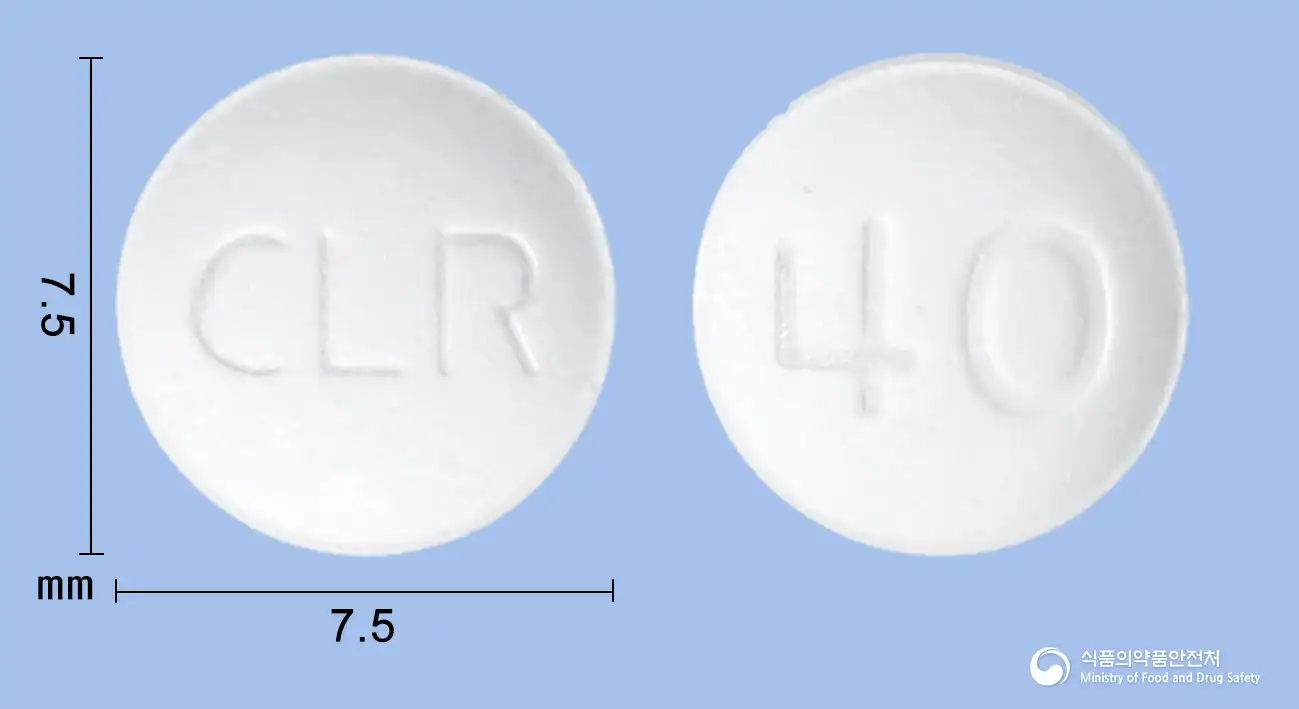
Potassium Azilsartan Medoxomil 42.68mg
Tablet · Prescription medication
Celltrion Healthcare Co., Ltd.
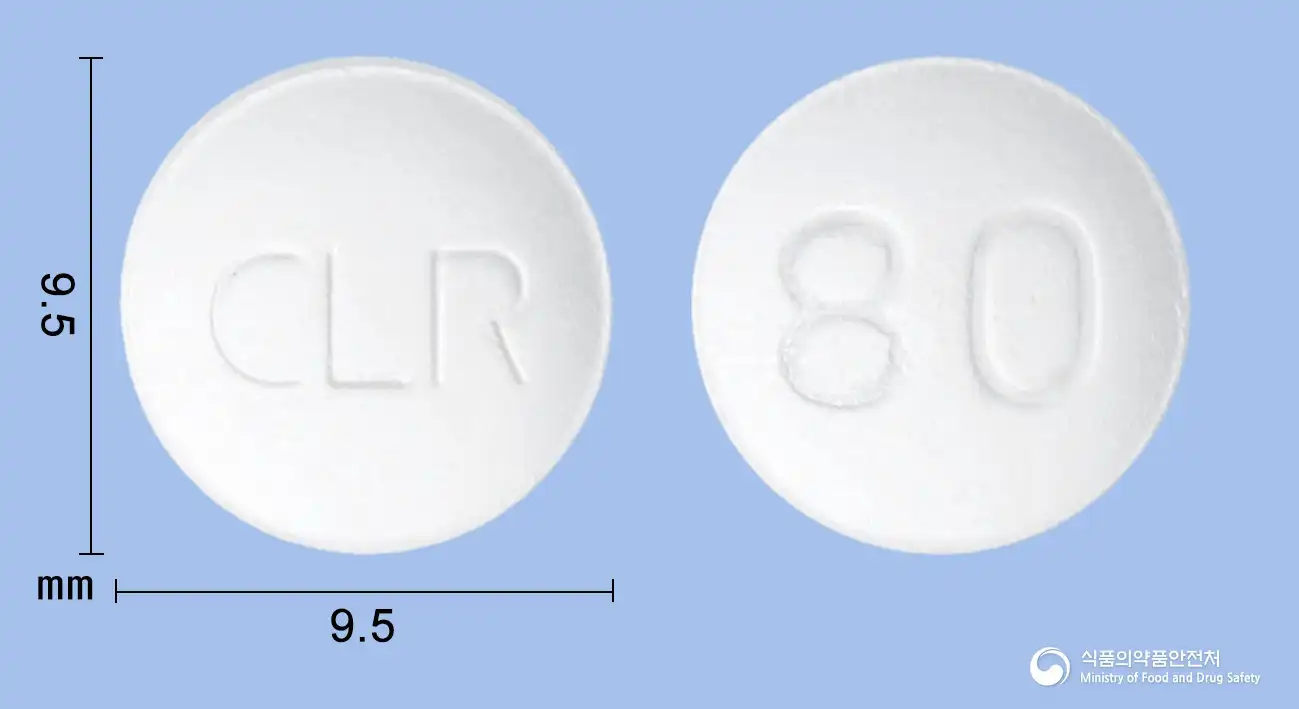
Potassium Azilsartan Medoxomil 85.36mg
Tablet · Prescription medication
Celltrion Pharmaceutical Co., Ltd.
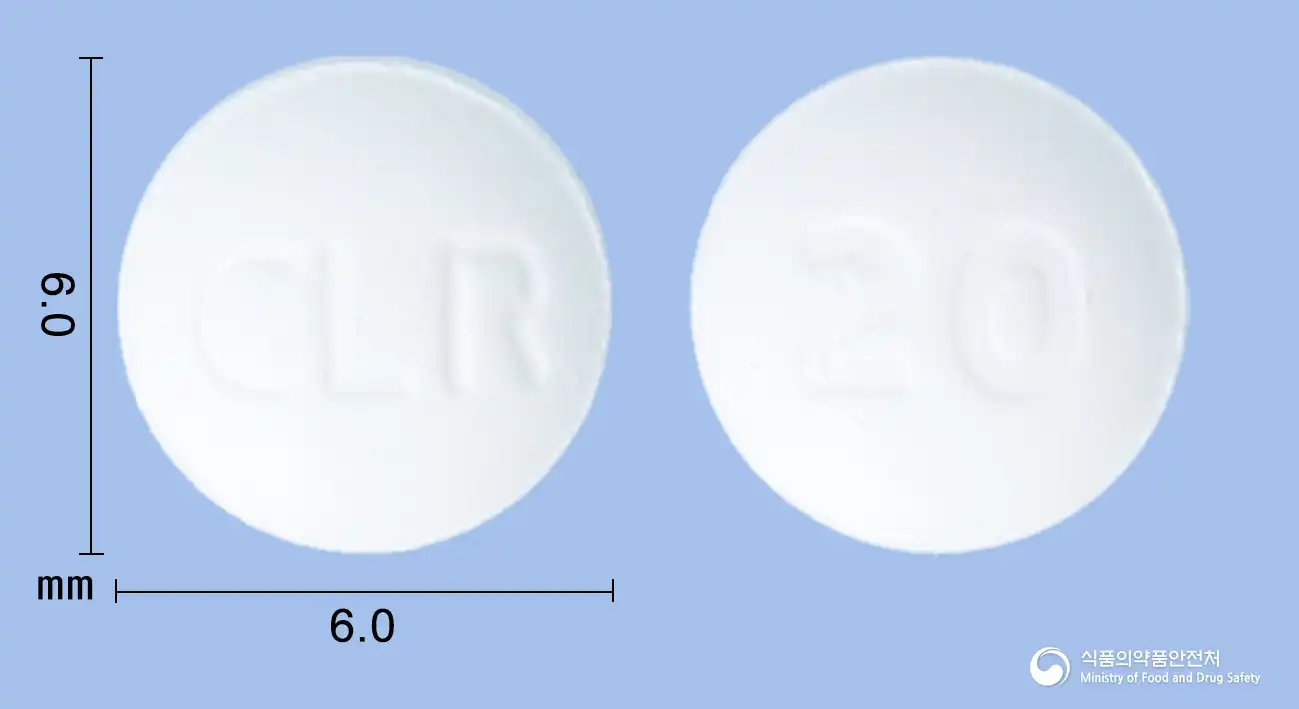
Potassium Azilsartan Medoxomil 21.34mg
Tablet · Prescription medication
Celltrion Pharmaceutical Co., Ltd.
Even with the same ingredient, the dose and directions can differ by strength and dosage form. Talk to a doctor or pharmacist before switching from a medication you are already taking.
No questions yet.
For anything that needs medical judgment, consult a doctor or pharmacist.
This drug information is based on data provided by the Korea Ministry of Food and Drug Safety.
Consult a doctor or pharmacist for accurate dosage, administration, and usage instructions.