
 한국어
한국어 English
 日本語
日本語 中文(简体)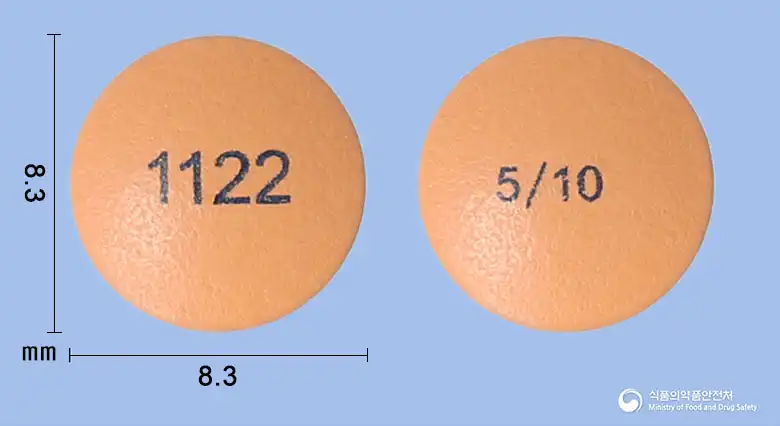
Summary
- Main use
- Improvement of blood glucose control in type 2 diabetes
- Who takes it
- Adults · Children
- Adult dose
- This medication can be taken orally once daily, 1 tablet (Saxagliptin 5 mg / Dapagliflozin 10 mg) at any time of day, regardless of food intake. The tablet should be swallowed whole.
- Child dose
- The safety and efficacy of this medication have not been established in children and adolescents under 18 years of age.
Ingredients
- Importer
- 한국아스트라제네카(주)
Efficacy & effects
Improvement of blood glucose control in type 2 diabetes
View approved original textHide original text
This medication is used for patients with type 2 diabetes who need to use dapagliflozin and saxagliptin together, to effectively improve blood glucose control in conjunction with dietary control and exercise therapy.
How to take
Adult dose
This medication can be taken orally once daily, 1 tablet (Saxagliptin 5 mg / Dapagliflozin 10 mg) at any time of day, regardless of food intake. The tablet should be swallowed whole.
Child dose
The safety and efficacy of this medication have not been established in children and adolescents under 18 years of age.
Precautions
This medication should not be administered to certain patients. For example, it should not be used in patients who are allergic to the active ingredient or excipients, patients with type 1 diabetes or diabetic ketoacidosis, patients with severe renal impairment, patients with genetic issues such as lactose intolerance, and patients undergoing dialysis. Additionally, caution should be exercised when administering this drug to patients with reduced fluid volume or impaired renal function. This medication can lower blood pressure and may affect renal function, so renal function and blood pressure status must be closely monitored before and during administration. Patients with a history of pancreatitis or those presenting with symptoms of pancreatitis should be monitored closely while taking this medication; if symptoms are suspected, administration should be discontinued immediately and a healthcare professional consulted. Use of this medication is not recommended in patients with heart failure, and such patients should inform their healthcare provider immediately should symptoms of heart failure arise. Combining this medication with other drugs that can cause hypoglycemia increases the risk of hypoglycemia, so dose adjustments may be necessary when using insulin or insulin secretagogues alongside this drug. This medication can cause serious allergic reactions, such as hypersensitivity reactions, anaphylaxis, and angioedema; if such symptoms occur, administration should be discontinued immediately, and a healthcare professional should be notified. During administration, various side effects such as infections, headache, dizziness, gastrointestinal disturbances, skin rash, arthralgia, fatigue, etc. may occur, and any unusual symptoms should be discussed with a healthcare professional. Women who are pregnant or breastfeeding should not use this medication, and if pregnancy is confirmed, administration should be stopped immediately. In case of overdose, appropriate treatment should be provided based on the patient's condition, and hemodialysis may help remove some components. This medication should be kept out of reach of children and stored in its original container to maintain quality.
Side effects and when to seek care immediately
Serious side effects
Hives, severe edema, chest tightness, difficulty breathing, cold sweat, pallor, severe rash with high fever, blistering, skin peeling, mucosal pain in mouth/eyes, difficulty catching breath or respiratory distress, asthma attacks, respiratory abnormalities with cough and fever, yellowing of the skin or eyes (jaundice), severe fatigue, sudden and severe headache, thunderclap headache, seizures, altered consciousness, visual disturbances, paralysis, and decreased urination
Mild side effects
Headache, dizziness, upper respiratory tract infection, urinary tract infection, vulvovaginitis, balanitis and associated genital infections, fungal infections, hypoglycemia, dyslipidemia, reduced fluid volume, thirst, abdominal pain, diarrhea, dyspepsia, gastritis, nausea, vomiting, constipation, dry mouth, dysuria, polyuria, nocturia, rash, dermatitis, pruritus, musculoskeletal pain (arthralgia, back pain, myalgia), erectile dysfunction, genital pruritus, fatigue, peripheral edema, lymphocyte count decrease
Not everyone experiences these, and they can vary from person to person.
Storage
This medication must be stored in a tightly closed container to protect it from air and moisture. It is important to maintain a storage temperature between 1°C and 30°C. This will ensure the safety and effectiveness of the medication.
Appearance and packaging
Appearance
Biconvex round film-coated tablet, light brown to brown in color
Package unit
28 tablets/box [14 tablets/PTP x 2]
Questions about this medicine
No questions yet.
For anything that needs medical judgment, consult a doctor or pharmacist.