
 한국어
한국어 English
 日本語
日本語 中文(简体)
 Viewing nowCombination
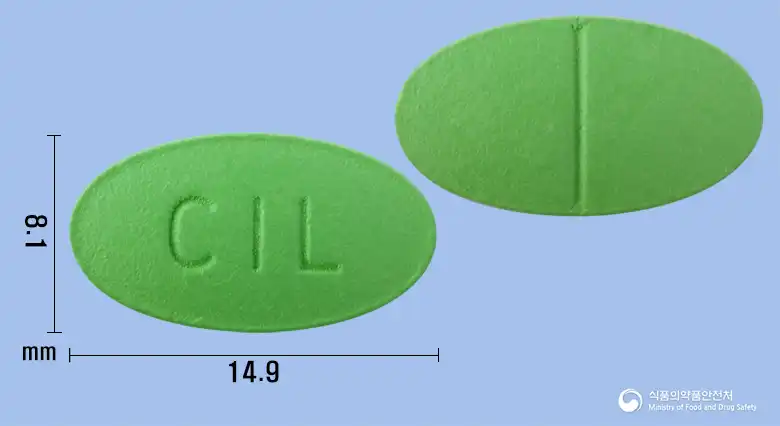
Silozin Tablet
Cilostazol 100mg · Ginkgo Biloba Leaf Dried Extract 80mg
Tablet · Prescription medication · Combination
Korea Pharma Co., Ltd.
MFDS item code 201701021 · Approved 2017.02.23 · Insurance code 653005890
Improvement of chronic arterial occlusive disease (ulcers, pain, etc.) and prevention of recurrent cerebral infarction
Cilostazol can be combined with Ginkgo Biloba Extract when cilostazol monotherapy is not sufficiently effective, to improve ischemic symptoms such as ulcers, pain, and coldness caused by chronic arterial occlusive disease. This combined treatment is also used as alternative therapy to prevent recurrence after cerebral infarction (except for cardiogenic cerebral embolism). This therapy helps to improve blood circulation, alleviate symptoms, and prevent recurrence.
For adults, the dosage is 100 mg of cilostazol and 80 mg of ginkgo biloba extract, administered twice daily. Typically, one tablet is taken orally twice a day for adults.
This medication may increase heart rate, which carries a risk of angina symptoms such as chest pain. Therefore, careful monitoring for angina symptoms is necessary. This medication should not be used in patients at risk of bleeding, those with a recent history of hemorrhagic stroke, peptic ulcer, or patients who have undergone surgery. It should also not be administered to patients with heart failure, those who have had an allergic reaction to this medication, or women who are pregnant or breastfeeding. Patients taking anticoagulant medications, women during menstruation, patients with heart disease, those with severely impaired kidney or liver function, and diabetic patients should be particularly cautious when using this medication. This medication can cause serious side effects such as bleeding, blood cell decrease, pneumonia, heart-related issues, liver function abnormalities, and if any unusual symptoms occur, immediate consultation with a healthcare professional is required. Dizziness may occur during administration, requiring caution when driving or operating machinery. Additionally, this medication may interact with various drugs, so if other medications are being taken, it's essential to inform the physician or pharmacist. Women who are pregnant or may become pregnant should not take this medication, and breastfeeding women should discontinue breastfeeding. Children and the elderly may require dose adjustments due to physiological differences. In case of overdose, symptoms such as severe headache, diarrhea, hypotension, and rapid heartbeat may occur, necessitating immediate medical attention. This medication should be stored in a cool, dry place away from direct sunlight and should be kept out of reach of children.
Hives, severe swelling, chest tightness, difficulty breathing, cold sweat, pallor, severe rash with high fever, blisters, skin peeling, pain in the mucous membranes of the mouth/eyes, shortness of breath or difficulty breathing, asthma attacks, abnormal respiratory symptoms with cough and fever, yellowing of the skin or eyes (jaundice), extreme general fatigue, sudden and severe headache, thunderclap headache, seizures, confusion of consciousness, visual disturbances, paralysis, urination
Not everyone experiences these, and they can vary from person to person.
This medication may be sensitive to air or moisture, so it must be stored in a tightly sealed container. It is advisable to maintain a storage temperature between 1 and 30 degrees Celsius. Proper storage helps to preserve the medication's effectiveness over time.
Green oval film-coated tablet
30 tablets/bottle, 300 tablets/bottle
Even with the same ingredient, strength, dosage form and how it is taken can differ.
Viewing nowCombinationCilostazol 100mg · Ginkgo Biloba Leaf Dried Extract 80mg
Tablet · Prescription medication · Combination
Korea Pharma Co., Ltd.
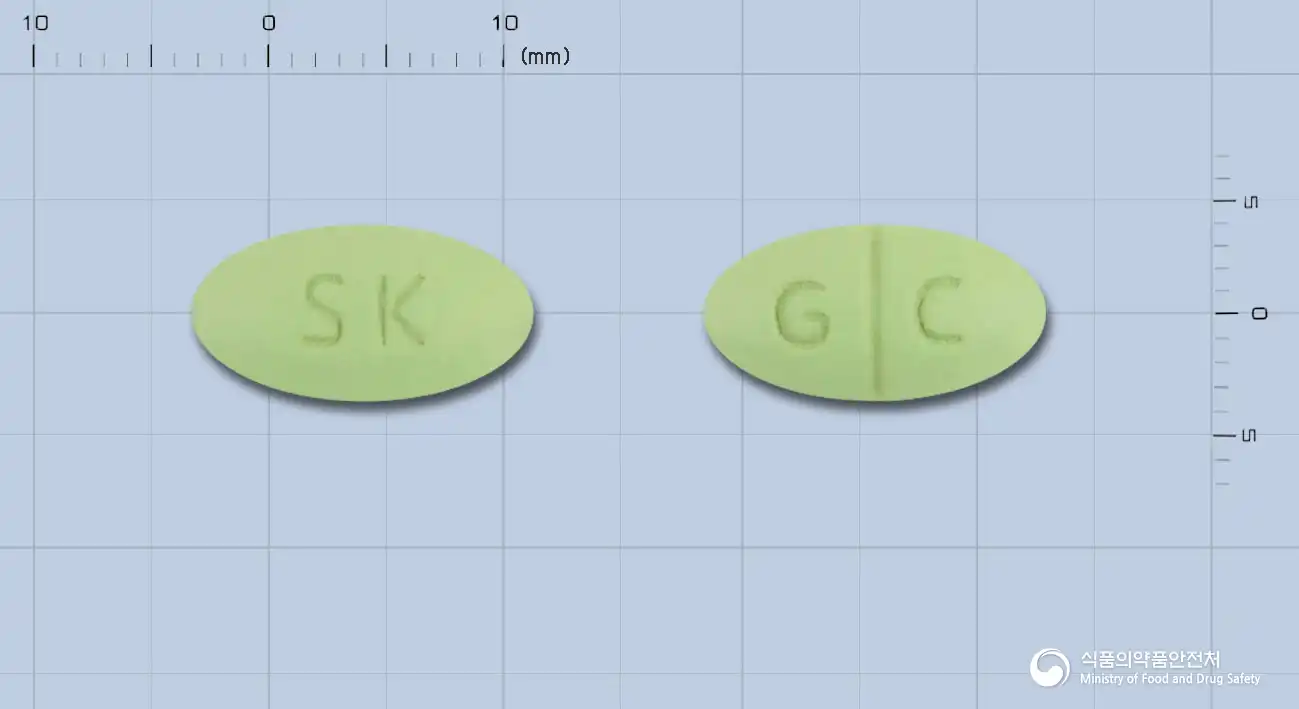 Combination
Cilostazol 100mg · Ginkgo Biloba Leaf Dried Extract 80mg
Tablet · Prescription medication · Combination
SK Chemical Co., Ltd.
Cilostazol · Ginkgo Biloba Leaf Dried Extract
Prescription medication · Combination
Korea Prime Pharmaceuticals Co., Ltd.
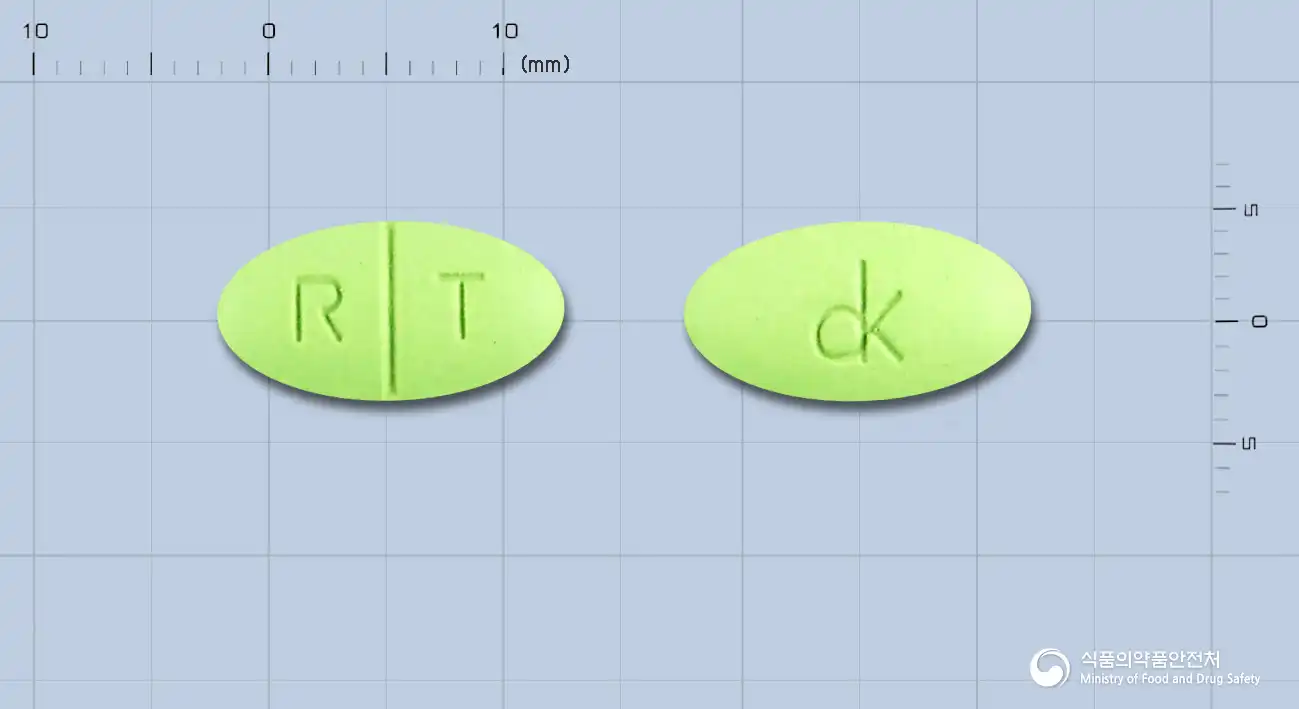 Combination
Cilostazol 100mg · Ginkgo Biloba Leaf Dried Extract 80mg
Tablet · Prescription medication · Combination
Dongguk Pharmaceutical Co., Ltd.
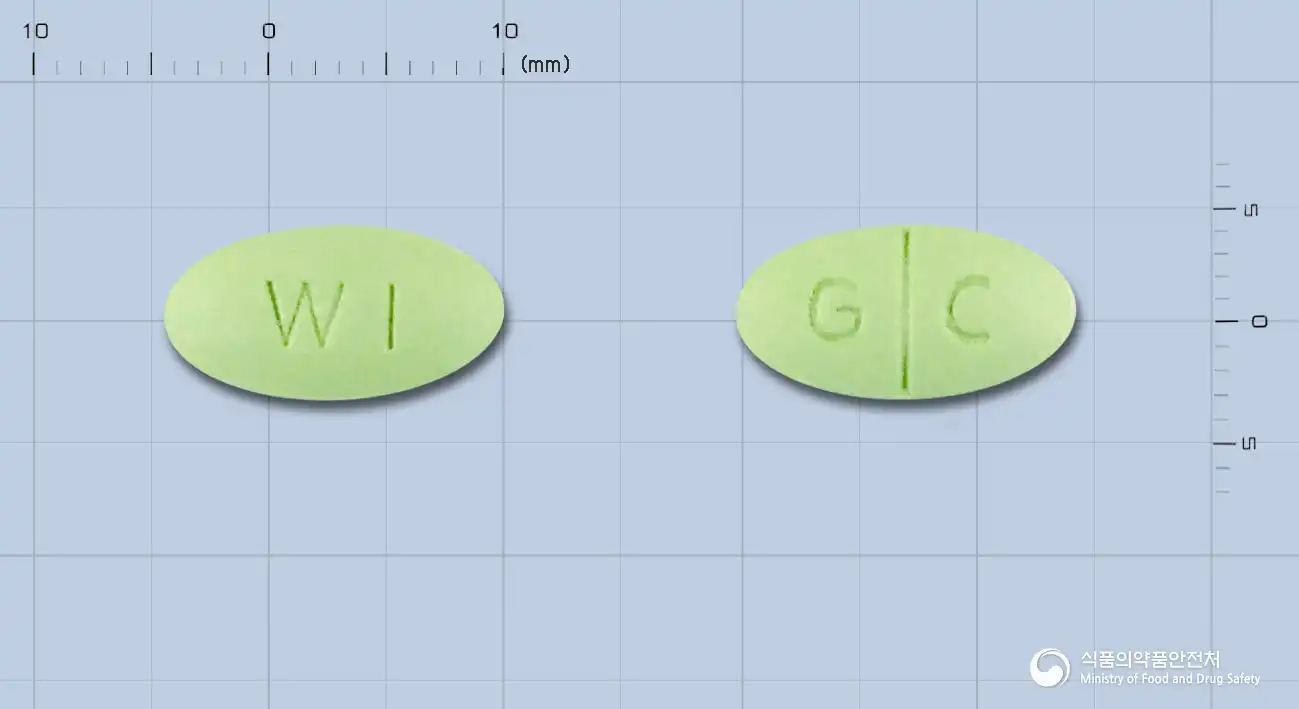 Combination
Cilostazol 100mg · Ginkgo Biloba Leaf Dried Extract 80mg
Tablet · Prescription medication · Combination
Hanin Pharmaceutical Co., Ltd.
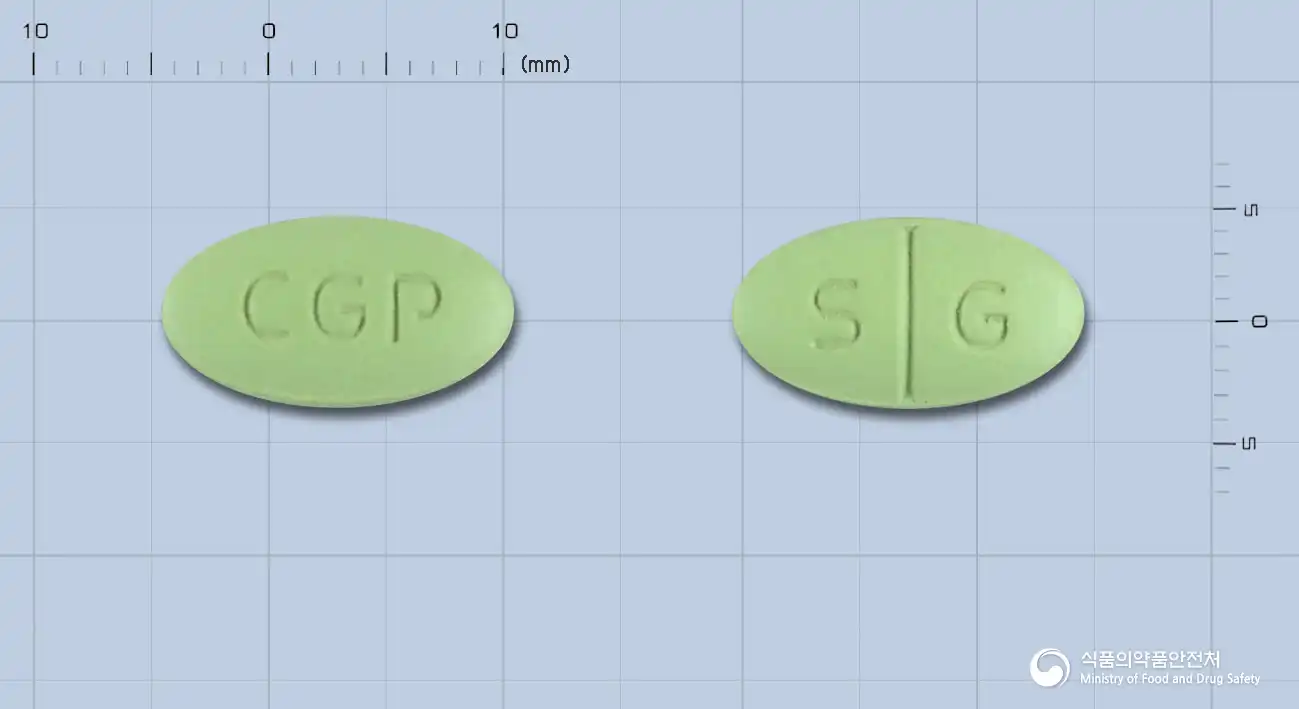 Combination
Cilostazol 100mg · Ginkgo Biloba Leaf Dried Extract 80mg
Tablet · Prescription medication · Combination
Aprogen Biosciences, Inc.
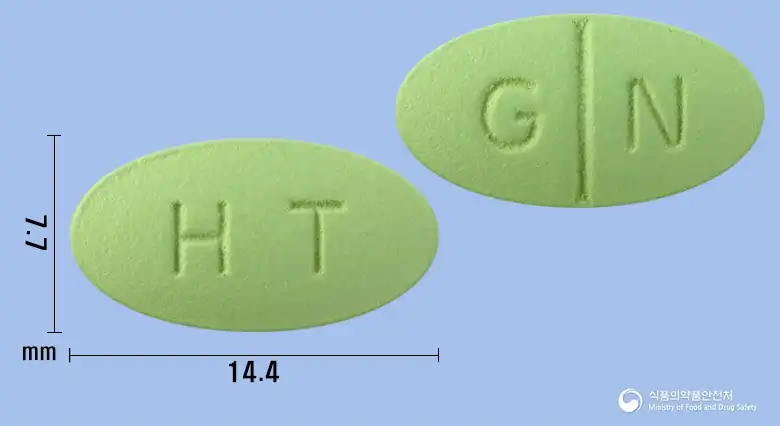 Combination
Cilostazol 100mg · Ginkgo Biloba Leaf Dried Extract 80mg
Tablet · Prescription medication · Combination
Korea Hyutech Pharmaceutical Co., Ltd.
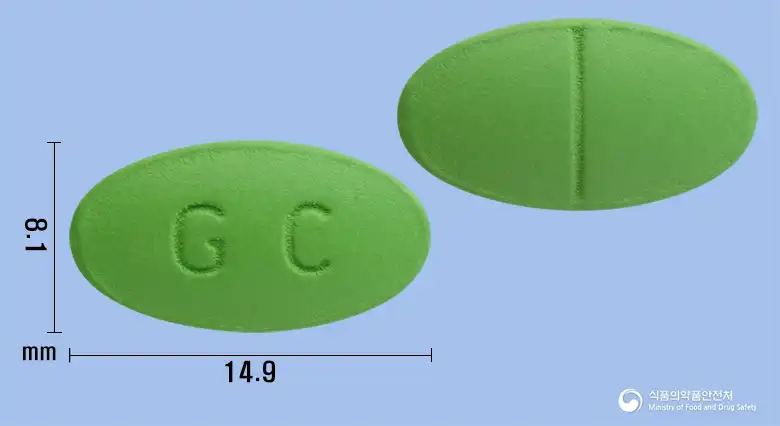 Combination
Cilostazol 100mg · Ginkgo Biloba Leaf Dried Extract 80mg
Tablet · Prescription medication · Combination
Genupharm Co., Ltd.
Even with the same ingredient, the dose and directions can differ by strength and dosage form. Talk to a doctor or pharmacist before switching from a medication you are already taking.
No questions yet.
For anything that needs medical judgment, consult a doctor or pharmacist.
This drug information is based on data provided by the Korea Ministry of Food and Drug Safety.
Consult a doctor or pharmacist for accurate dosage, administration, and usage instructions.