
 한국어
 English
 日本語
 中文(简体)
Dosage form image
Viewing nowLight Moxifloxacin Eye Drops (Moxifloxacin Hydrochloride)
Moxifloxacin Hydrochloride 5.45mg
Eye drops · Prescription medication
Light Pharm Tech Co., Ltd.
MFDS item code 201700545 · Approved 2017.01.31 · Insurance code 690300292
Treatment of bacterial eye infections (conjunctivitis, keratitis, etc.) and sterilization before and after ophthalmic surgery
This medication is used to treat conjunctivitis, blepharitis, and keratitis (including corneal ulcers) caused by various bacteria including Staphylococcus, Streptococcus, and Pneumococcus. It is also applicable for aseptic preparation before and after eye surgery to help prevent infections. It is effective against a variety of gram-positive and gram-negative bacteria, making it a reliable choice for treating bacterial infections in ophthalmology. In this way, it plays a significant role in protecting eye health against a wide range of bacterial species. Therefore, this medication is used for the treatment and prevention of eye infections.
Bacterial conjunctivitis, blepharitis, keratitis (including corneal ulcers): Instill 1 drop 3 times daily, as a rule. Adjust the dose according to symptoms. Pre- and postoperative ocular antisepsis: As a rule, instill 1 drop 5 times daily before surgery and 1 drop 3 times daily after surgery.
This medication should not be injected directly into the eye or placed directly into the anterior chamber. Severe allergic reactions have been reported in patients who received systemic administration of drugs with the same ingredient, so if any allergic symptoms occur, stop use immediately and consult a healthcare professional. This medication should not be used in patients who are hypersensitive to moxifloxacin or other fluoroquinolone drugs, or in infants under 1 year of age. Pregnant or nursing women should use this medication with caution, considering its effects on the fetus or baby. Various adverse reactions such as conjunctivitis, decreased vision, dry eyes, and pain in the eyes may occur, so if symptoms persist or worsen, inform a healthcare professional. Prolonged use may lead to the development of resistant bacteria or fungal infections, so it should only be used for the necessary duration, and should be stopped immediately if symptoms occur. Contact lens wear should be avoided during bacterial conjunctivitis, and if allergic symptoms occur during medication use, stop immediately and consult a doctor. This medication is for ophthalmic use only; care should be taken to prevent contamination of the container's opening and it should not be shared with others. The use of this medication in pregnant and breastfeeding women is not clearly indicated for its effects on the fetus or baby, so it should only be used under the guidance of a healthcare professional when absolutely necessary. Safety in infants under 1 year has not been confirmed, so it is advisable not to use it in this age group. When storing this medication, keep it in a tightly sealed container out of children's reach and away from direct sunlight.
Not everyone experiences these, and they can vary from person to person.
This medication should be stored in a tightly sealed container to prevent exposure to air or moisture. Additionally, it should be kept in a cool place between 2°C and 25°C to maintain its effectiveness.
A pale yellow-green eye drop solution in a transparent plastic container.
6 milliliters per bottle
Even with the same ingredient, strength, dosage form and how it is taken can differ.
Moxifloxacin Hydrochloride 5.45mg
Eye drops · Prescription medication
Light Pharm Tech Co., Ltd.
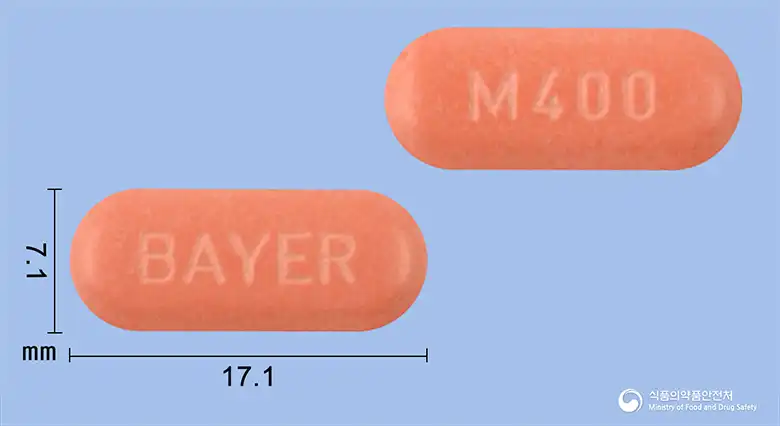
Moxifloxacin Hydrochloride 436.8mg
Tablet · Prescription medication
Bayer Korea Co., Ltd.
Moxifloxacin Hydrochloride 1.744mg
Injections · Prescription medication
Bayer Korea Co., Ltd.
Moxifloxacin Hydrochloride 5.45mg
Eye drops · Prescription medication
Novartis Korea Co., Ltd.
Moxifloxacin Hydrochloride 5.45mg
Eye drops · Prescription medication
Samchundang Pharmaceutical Co., Ltd.
Moxifloxacin Hydrochloride 5.45mg
Eye drops · Prescription medication
Samil Pharmaceutical Co., Ltd.
Moxifloxacin Hydrochloride 5.45mg
Eye drops · Prescription medication
Optus Pharmaceutical Co., Ltd.
Moxifloxacin Hydrochloride 5.45mg
Eye drops · Prescription medication
Hankook Hyutecs Pharmaceutical Co., Ltd.
Even with the same ingredient, the dose and directions can differ by strength and dosage form. Talk to a doctor or pharmacist before switching from a medication you are already taking.
No questions yet.
For anything that needs medical judgment, consult a doctor or pharmacist.
This drug information is based on data provided by the Korea Ministry of Food and Drug Safety.
Consult a doctor or pharmacist for accurate dosage, administration, and usage instructions.