
 한국어
한국어 English
 日本語
日本語 中文(简体)
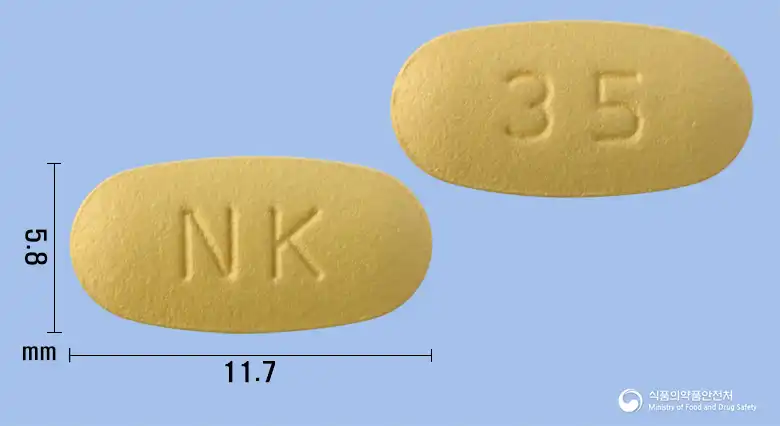 Viewing nowCombination
Reed San Plus Tablets
Risedronate Sodium 2.5 Hydrate 40.162mg · Cholecalciferol Concentrate Powder 56mg
Tablet · Prescription medication · Combination
Nexpharm Korea Co., Ltd.
MFDS item code 201700469 · Approved 2017.01.25 · Insurance code 662503610
Treatment and prevention effects for osteoporosis in postmenopausal women and men
This medication is used for the treatment and prevention of osteoporosis in postmenopausal women and men.
Take 1 tablet of this medication orally once a week. Take it at least 30 minutes before breakfast or at least 2 hours before or after food or beverage intake throughout the day. Swallow with a sufficient amount of pure water (170–230ml) while in an upright position. Do not chew or suck on it, and do not lie down for at least 30 minutes after taking.
This medication may irritate the stomach and esophagus; therefore, it should be taken with a sufficient amount of water and one should not lie down for at least 30 minutes after taking it. If symptoms such as esophagitis, esophageal ulcer, dysphagia, chest pain, or heartburn occur, discontinue use immediately and consult a physician. Patients with gastrointestinal diseases or problems with esophageal emptying should not take this medication, and patients with severely impaired kidney function should also not receive it. Taking this medication with drugs or beverages containing calcium, magnesium, iron, etc. can reduce its efficacy, so it is important to space out the administration. This medication may require supplementation of calcium and vitamin D, especially in patients receiving long-term steroid treatment, for whom additional supplementation is recommended. Rarely reported adverse effects include osteonecrosis of the jaw, severe skin reactions, and liver function abnormalities, so one should inform medical staff immediately if any unusual symptoms occur. Women who are pregnant or nursing should exercise caution when using this medication and decide to take it after consulting with a physician. Elderly patients may use it without special dosage adjustments, but safety in children has not been established. Overdose may result in hypocalcemia, so it is crucial to adhere to the prescribed dosage, and patients should visit a medical institution immediately if any unusual symptoms occur. This medication must be kept out of reach of children, and it is advisable not to transfer it to other containers.
Hives, severe swelling (edema), chest tightness, difficulty breathing, cold sweats, pallor, severe rash with fever, blisters, skin peeling, pain in oral/eye mucosa, shortness of breath or difficulty breathing, asthma attacks, respiratory distress accompanying cough and fever, yellowing of skin or eyes (jaundice), severe lethargy, sudden and severe headache, thunderclap headache, seizures, altered consciousness, visual disturbances, paralysis, urination issues
Not everyone experiences these, and they can vary from person to person.
This medication should be stored in a tightly closed container to protect it from air and moisture. It is best to maintain a room temperature between 1 degree and 30 degrees Celsius. This will help to preserve the efficacy and safety of the medication for a longer period.
Pale orange oval film-coated tablet
4 tablets/PTP
Even with the same ingredient, strength, dosage form and how it is taken can differ.
Viewing nowCombinationRisedronate Sodium 2.5 Hydrate 40.162mg · Cholecalciferol Concentrate Powder 56mg
Tablet · Prescription medication · Combination
Nexpharm Korea Co., Ltd.
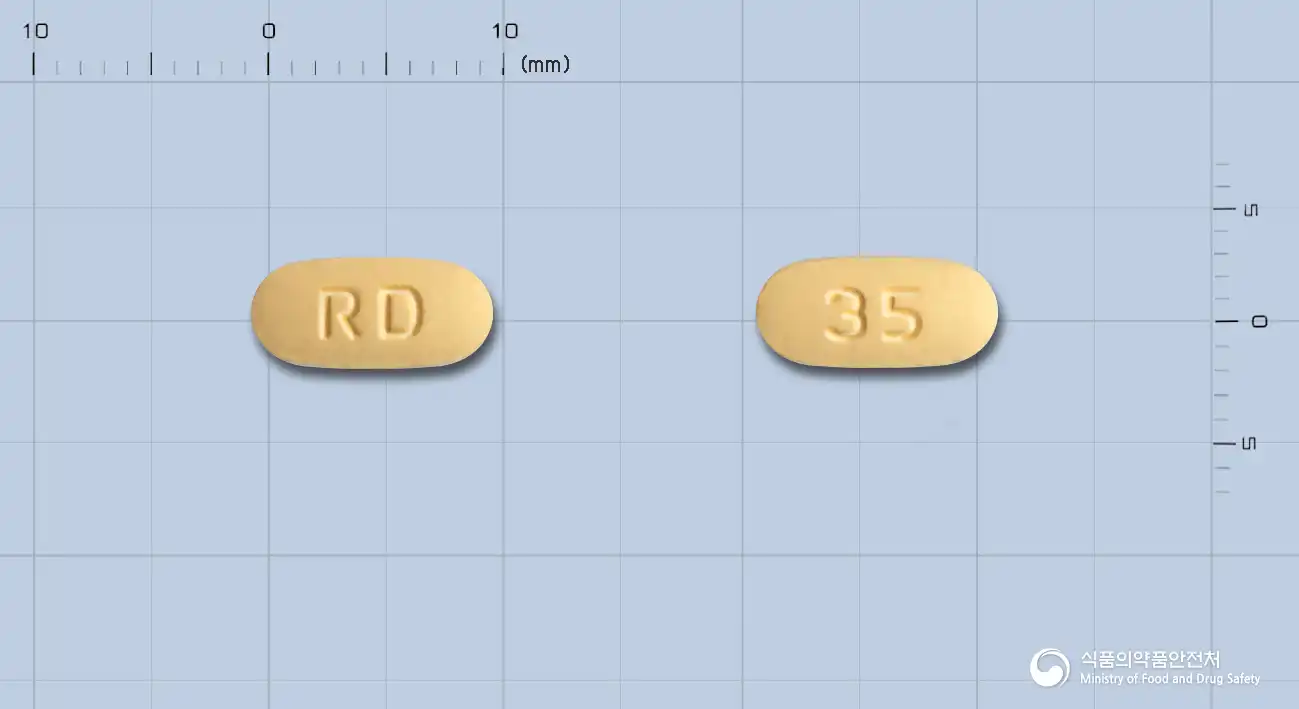 Combination
Risedronate Sodium 2.5 Hydrate 40.162mg · Cholecalciferol Concentrate Powder 56mg
Tablet · Prescription medication · Combination
Daewoong Pharmaceutical Co., Ltd.
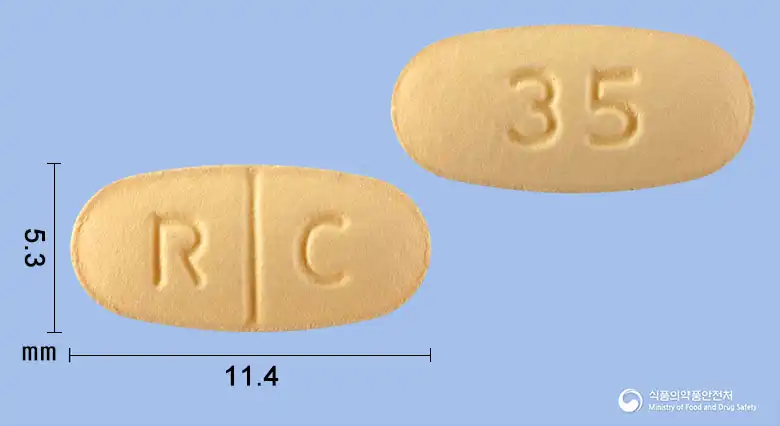 Combination
Risedronate Sodium 2.5 Hydrate 40.162mg · Cholecalciferol Concentrate Powder 56mg
Tablet · Prescription medication · Combination
Hanlim Pharmaceutical Co., Ltd.
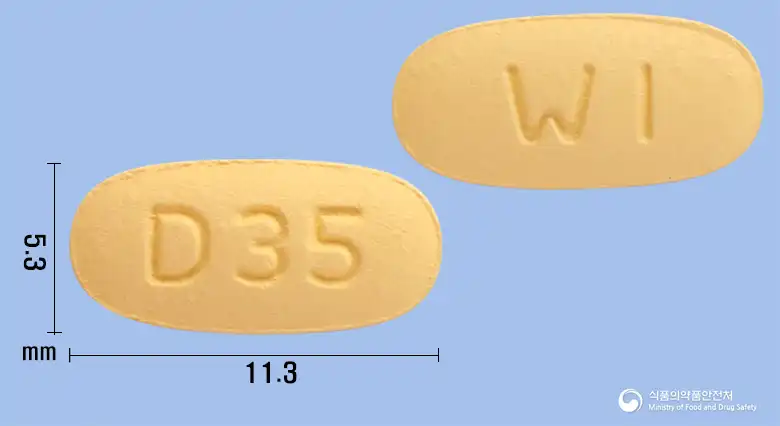 Combination
Risedronate Sodium 2.5 Hydrate 40.162mg · Cholecalciferol Concentrate Powder 56mg
Tablet · Prescription medication · Combination
Hanin Pharmaceutical Co., Ltd.
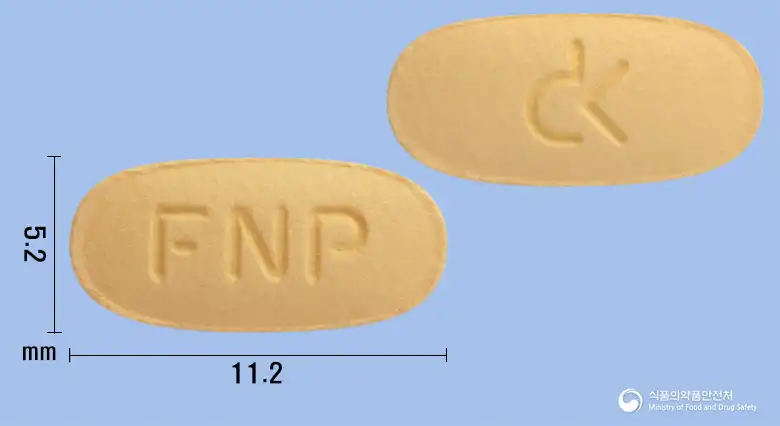 Combination
Risedronate Sodium 2.5 Hydrate 40.162mg · Cholecalciferol Concentrate Powder 56mg
Tablet · Prescription medication · Combination
Dongkuk Pharmaceutical Co., Ltd.
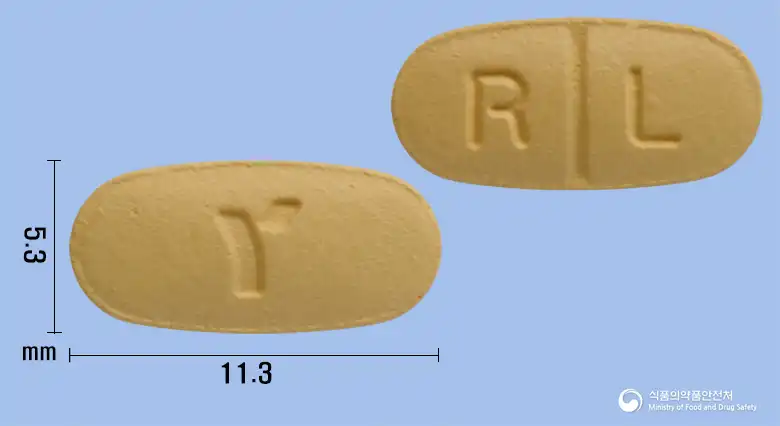 Combination
Risedronate Sodium 2.5 Hydrate 40.162mg · Cholecalciferol Concentrate Powder 56mg
Tablet · Prescription medication · Combination
Yu Young Pharmaceutical Co., Ltd.
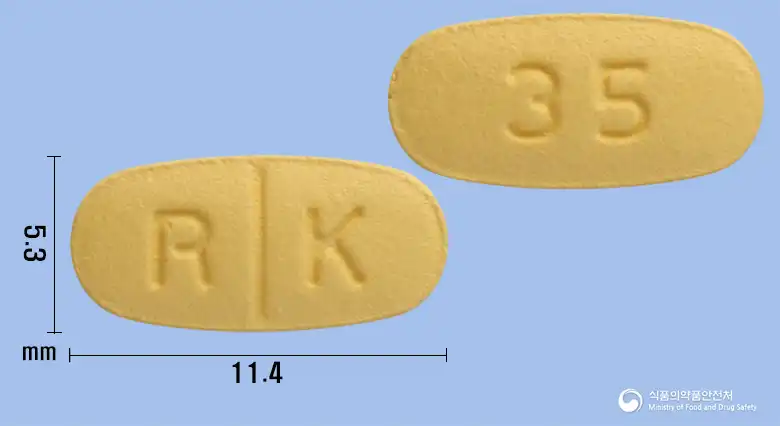 Combination
Risedronate Sodium 2.5 Hydrate 40.162mg · Cholecalciferol Concentrate Powder 56mg
Tablet · Prescription medication · Combination
Korea Prime Pharmaceutical Co., Ltd.
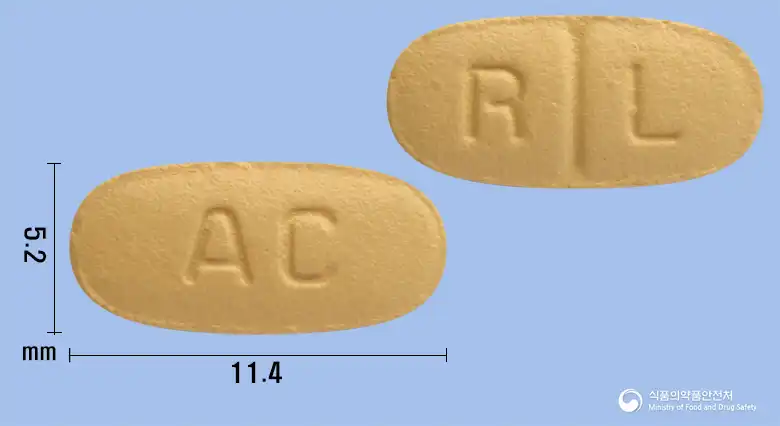 Combination
Risedronate Sodium 2.5 Hydrate 40.162mg · Cholecalciferol Concentrate Powder 56mg
Tablet · Prescription medication · Combination
Allico Pharmaceutical Co., Ltd.
Even with the same ingredient, the dose and directions can differ by strength and dosage form. Talk to a doctor or pharmacist before switching from a medication you are already taking.
No questions yet.
For anything that needs medical judgment, consult a doctor or pharmacist.
This drug information is based on data provided by the Korea Ministry of Food and Drug Safety.
Consult a doctor or pharmacist for accurate dosage, administration, and usage instructions.