
 한국어
한국어 English
 日本語
日本語 中文(简体)
 Viewing nowCombination
Beata Tablet
Diastase·Protease 20mg · Sodium Bicarbonate 250mg +1 more
Tablet · OTC medication · Combination
Hankook Hyutex Pharmaceutical Co., Ltd.
MFDS item code 201607401 · Notified 2016.12.30
This product's status changed to Approval withdrawn on 2026.02.04. It may no longer be sold, so consult a doctor or pharmacist before taking it.
Improvement of excess stomach acid and dyspepsia (heartburn, abdominal bloating)
This medicine relieves heartburn and stomach pain caused by excess stomach acid, reduces abdominal discomfort and bloating. It improves symptoms of dyspepsia due to overeating or bloating and helps alleviate nausea and vomiting. It is also effective for belching and loss of appetite, promoting gastric digestive function and supporting overall digestive health. This efficacy is used to improve overall discomfort related to the stomach and maintain a comfortable state.
Adults should take 1 to 2 tablets three times a day after meals.
This medicine should not be used by patients receiving dialysis treatment. Children under 7 years of age should not take this medicine. This medicine contains lactose, so individuals with genetic disorders that prevent lactose digestion should not take it. Additionally, during medication, tetracycline antibiotics should not be taken together. Patients with impaired kidney function or those with a history of allergies, either personally or in their family, must consult a doctor or pharmacist before taking this medicine. It is also important to consult with a healthcare professional if taking other medications. Those allergic to the ingredient Yellow No. 5 in this medicine should take it with caution. If constipation or diarrhea occurs during treatment, discontinue use immediately and consult a healthcare professional. If symptoms do not improve after 2 weeks of use, discontinue use and consult a doctor. It is essential to adhere to the prescribed dosage and regimen, especially for those limiting sodium intake. This medicine should be kept out of reach of children and stored in a cool, dry place away from direct sunlight in a sealed container. Moreover, to maintain quality, do not transfer it to another container.
Constipation, diarrhea, possible reactions in those with allergies, prohibition of use in patients on dialysis, prohibition of use in children under 7 years of age, prohibition for patients with lactose intolerance, possible hypersensitivity to Yellow No. 5.
Not everyone experiences these, and they can vary from person to person.
This medicine may be sensitive to air or moisture, so it should be stored in a sealed container. The storage temperature should be maintained between 1 and 30 degrees Celsius to keep its effectiveness for a longer period.
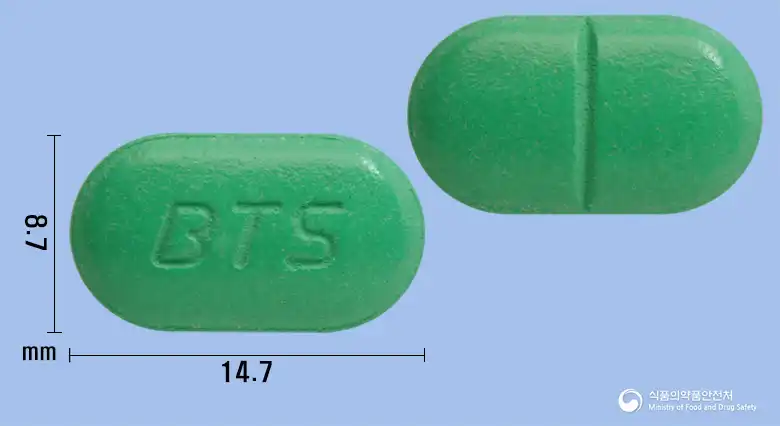
Greenish rectangular film-coated tablet
300 tablets/bottle
Even with the same ingredient, strength, dosage form and how it is taken can differ.
Viewing nowCombinationDiastase·Protease 20mg · Sodium Bicarbonate 250mg +1 more
Tablet · OTC medication · Combination
Hankook Hyutex Pharmaceutical Co., Ltd.
Diastase·Protease 20mg · Sodium Bicarbonate 250mg +1 more
Tablet · OTC medication · Combination
Youngpoong Pharmaceutical Co., Ltd.
Diastase·Protease 10mg · Sodium Bicarbonate 125mg +1 more
Tablet · OTC medication · Combination
Youngpoong Pharmaceutical Co., Ltd.
Even with the same ingredient, the dose and directions can differ by strength and dosage form. Talk to a doctor or pharmacist before switching from a medication you are already taking.
No questions yet.
For anything that needs medical judgment, consult a doctor or pharmacist.
This drug information is based on data provided by the Korea Ministry of Food and Drug Safety.
Consult a doctor or pharmacist for accurate dosage, administration, and usage instructions.