
 한국어
한국어 English
 日本語
日本語 中文(简体)
 Viewing nowCombination
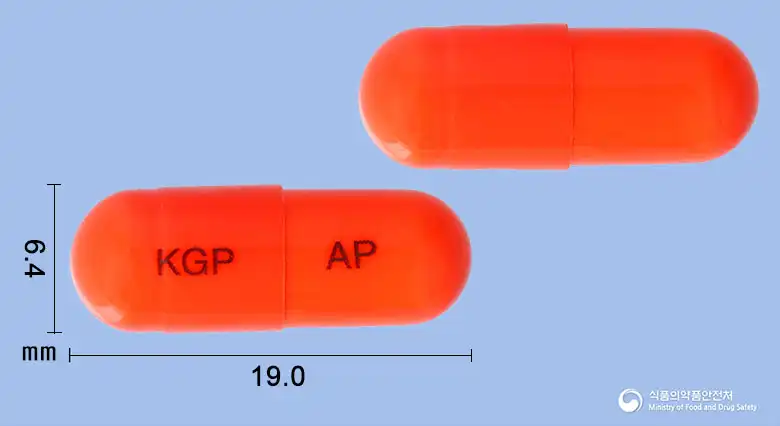
Aspido Capsule
Clopidogrel Bisulfate 97.875mg · Aspirin Enteric Pellets 122mg
Hard capsule · Prescription medication · Combination
Kips Biopharma Co., Ltd.
MFDS item code 201605650 · Approved 2016.09.26 · Insurance code 693201720
Reduces the risk of atherosclerotic symptoms and thromboembolism in acute coronary syndrome and atrial fibrillation.
This medication is used for patients with acute coronary syndrome who have unstable angina or non-Q-wave myocardial infarction, or who have undergone or are scheduled for coronary intervention (including stenting) or coronary artery bypass grafting. It helps to improve outcomes related to cardiovascular death, myocardial infarction, stroke, or blood circulation problems in these patients. Additionally, this medication is used to reduce the risk of stroke and thrombosis in atrial fibrillation patients at low risk of bleeding, where vitamin K antagonist therapy is not suitable and vascular risk factors are present. In other words, this drug is effectively used to protect heart and vascular health and reduce cardiovascular-related risks.
Administer 1 capsule once daily.
This medication prevents the blood from clotting to avoid thrombosis. However, taking this medication may prolong the time it takes for bleeding to stop, so patients should immediately inform their doctor if they experience severe or prolonged bleeding. Always inform healthcare providers about taking this medication before surgery or starting new medications. People genetically predisposed to decreased function of the specific enzyme (CYP2C19) may experience reduced efficacy of this medication and may have more frequent cardiovascular issues, so caution is advised. Additionally, it is advisable to avoid taking this medication with other drugs that increase the activity of this enzyme, as there is a potential risk of increased bleeding. Individuals who consume multiple alcoholic beverages daily should consult with a doctor or pharmacist before taking this medication because combining it with alcohol may increase the risk of gastrointestinal bleeding. This medication may cause allergic reactions, so individuals with hypersensitivity, asthma, allergic rhinitis, or allergies to certain anti-inflammatory drugs should not take it. Also, those with peptic ulcers, intracranial hemorrhage, hemophilia, or severe liver or kidney dysfunction should avoid taking this medication. Patients with a history of gastrointestinal bleeding or bleeding tendencies should exercise caution, and if bleeding symptoms emerge during treatment, they must promptly inform their healthcare provider. If surgery is planned, the use of this medication should be discontinued 5-7 days prior, and it should be resumed only after hemostasis has been achieved. The safety of this medication in children and adolescents has not been established, and it is not recommended for individuals under 18 years of age. Due to the risk of bleeding, special caution should be exercised when combining it with other anticoagulants. In particular, the risk of bleeding may increase when taken with warfarin, non-steroidal anti-inflammatory drugs, or selective serotonin reuptake inhibitors (SSRIs). This medication should not be taken during pregnancy, especially in the third trimester, and should be avoided during breastfeeding as well. Possible adverse effects include bleeding, skin rash, gastrointestinal symptoms, blood abnormalities, etc., so if any of these symptoms occur, the patient should consult their healthcare provider immediately.
Hives, severe swelling (edema), chest tightness, breathing difficulties, cold sweat, paleness, severe rash with high fever, blisters, skin peeling, pain in oral/ocular mucosa, shortness of breath or difficulty breathing, asthma attacks, respiratory abnormalities with cough and fever, jaundice (yellowing of skin or eyes), extreme fatigue, sudden and severe headache, thunderclap headache, seizures, confusion, visual disturbances, paralysis, urine abnormalities.
Not everyone experiences these, and they can vary from person to person.
Keep this medication in a tightly closed container to prevent air or moisture from entering. It is recommended to maintain storage temperatures between 1 to 30 degrees Celsius.
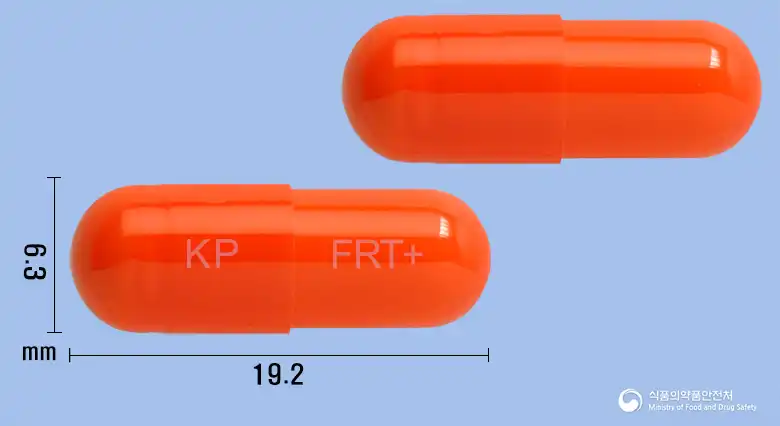
A hard capsule with a lower and upper orange casing containing white or pale yellow granules and enteric-coated pellets.
30 capsules/bottle, 300 capsules/bottle
Even with the same ingredient, strength, dosage form and how it is taken can differ.
Viewing nowCombinationClopidogrel Bisulfate 97.875mg · Aspirin Enteric Pellets 122mg
Hard capsule · Prescription medication · Combination
Kips Biopharma Co., Ltd.
Clopidogrel Bisulfate 97.875mg · Aspirin Enteric Pellets 122mg
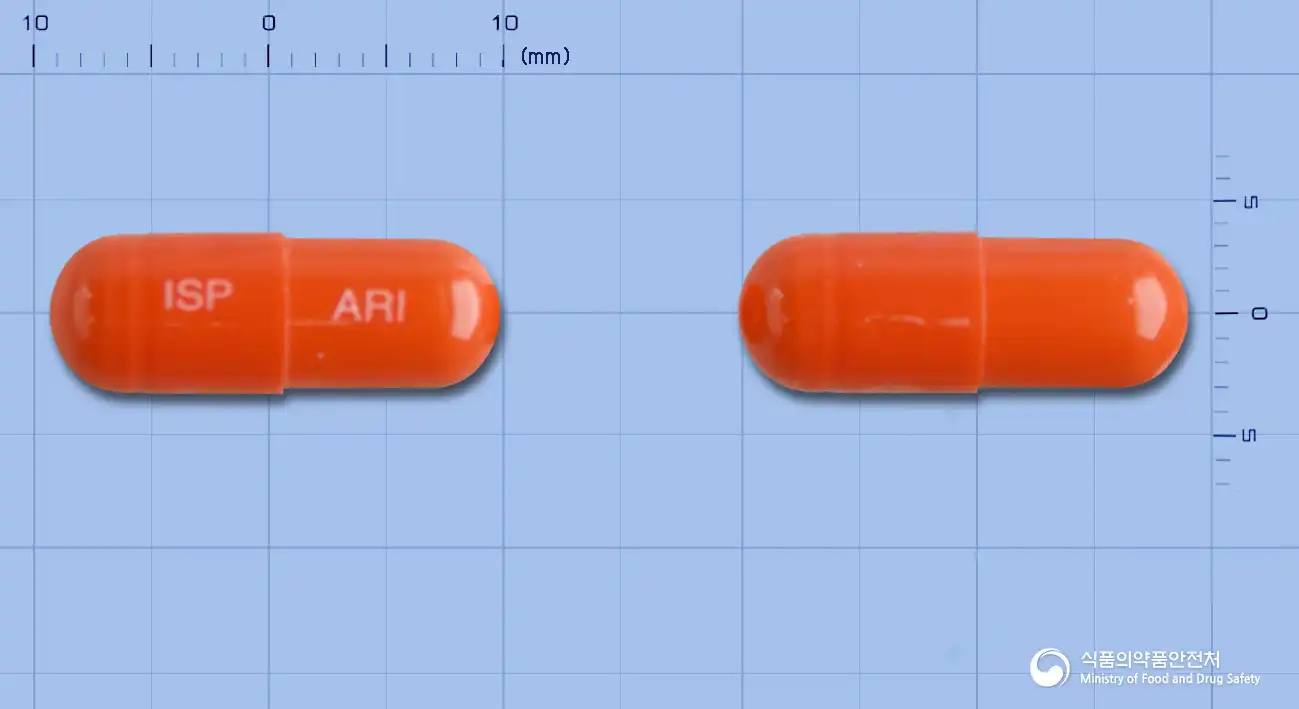
Hard capsule · Prescription medication · Combination
Jinyang Pharmaceutical Co., Ltd.
 Combination
Clopidogrel Bisulfate 97.875mg · Aspirin Enteric Pellets 122mg
Hard capsule · Prescription medication · Combination
Huons Co., Ltd.
Clopidogrel Bisulfate 97.875mg · Aspirin Enteric Pellets 122mg
Hard capsule · Prescription medication · Combination
Boryeong Biopharma Co., Ltd.
Clopidogrel Bisulfate 97.875mg · Aspirin Enteric Pellets 122mg
Hard capsule · Prescription medication · Combination
Celltrion Pharmaceutical Co., Ltd.
 Combination
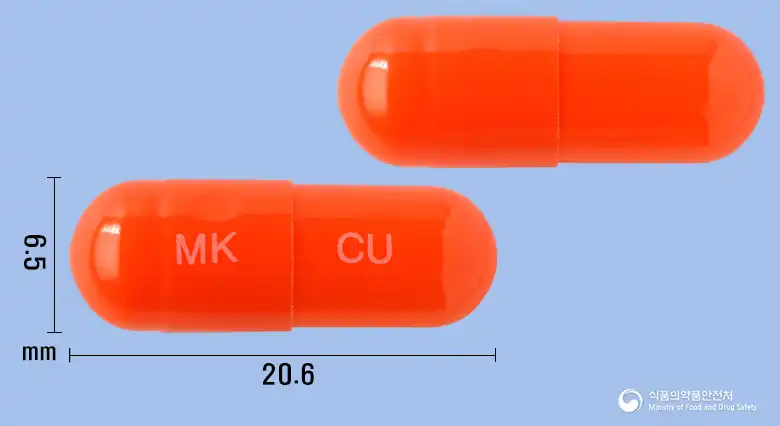
Clopidogrel Bisulfate 97.875mg · Aspirin Enteric Pellets 122mg
Hard capsule · Prescription medication · Combination
Medica Korea Co., Ltd.
 Combination
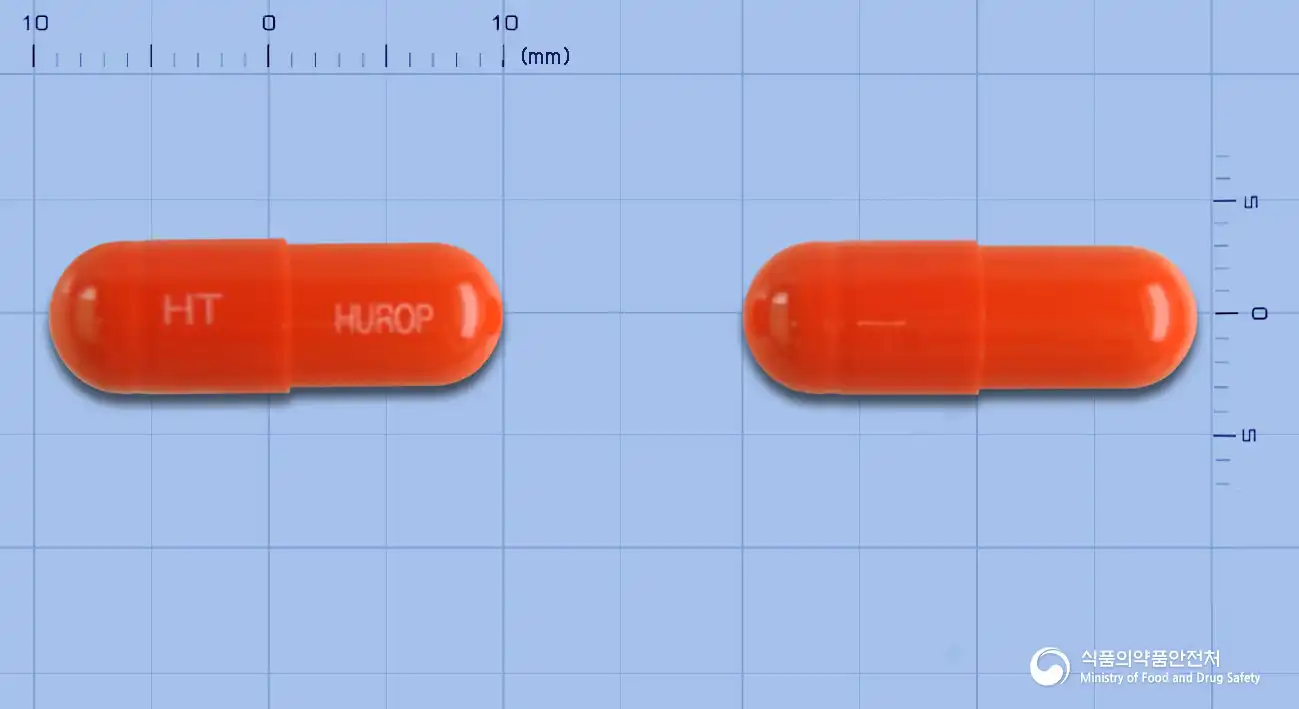
Clopidogrel Bisulfate 97.875mg · Aspirin Enteric Pellets 122mg
Hard capsule · Prescription medication · Combination
Korea Hutex Pharmaceutical Co., Ltd.
 Combination
Clopidogrel Bisulfate 97.875mg · Aspirin Enteric Pellets 122mg
Hard capsule · Prescription medication · Combination
Korea Pharma Co., Ltd.
Even with the same ingredient, the dose and directions can differ by strength and dosage form. Talk to a doctor or pharmacist before switching from a medication you are already taking.
No questions yet.
For anything that needs medical judgment, consult a doctor or pharmacist.
This drug information is based on data provided by the Korea Ministry of Food and Drug Safety.
Consult a doctor or pharmacist for accurate dosage, administration, and usage instructions.