
 한국어
한국어 English
 日本語
日本語 中文(简体)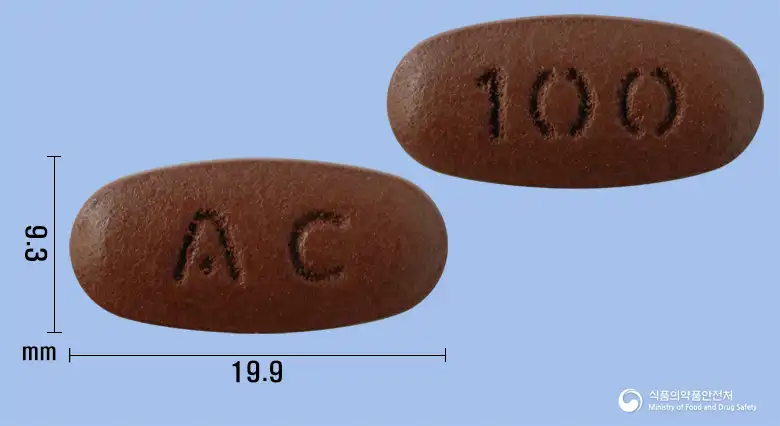
Summary
- Main use
- Relief of (neuralgia, myalgia, etc.) and improvement of (stomatitis, dermatitis, etc.)
- Who takes it
- Adults · Children
- Adult dose
- Take 1 tablet once daily.
- Child dose
- For children aged 8 and above: take 1 tablet once daily.
Ingredients
- Choline Tartrate100mg / 1 tablet
- Inositol100mg / 1 tablet
- Gamma-Oryzanol10mg / 1 tablet
- Benfotiamine50mg / 1 tablet
- Riboflavin100mg / 1 tablet
- Nicotinamide100mg / 1 tablet
- Folic Acid0.1mg / 1 tablet
- Calcium Pantothenate108.7mg / 1 tablet
- Pyridoxine Hydrochloride100mg / 1 tablet
- D-Biotin0.1mg / 1 tablet
- Cyanocobalamin0.1mg / 1 tablet
- Ascorbic Acid Granules103.1mg / 1 tablet
- Ubidecarenone5mg / 1 tablet
- Zinc Oxide31.12mg / 1 tablet
- Manufacturer
- 알리코제약(주)
Efficacy & effects
Relief of (neuralgia, myalgia, etc.) and improvement of (stomatitis, dermatitis, etc.)
- Physical fatigue
- decreased stamina
- neuralgia
- myalgia
- arthralgia
- beriberi
- eye fatigue
- angular cheilitis
- cheilitis
- stomatitis
- glossitis
- eczema
View approved original textHide original text
This medication is suitable for cases of severe physical fatigue or for those who are pregnant, breastfeeding, or have low energy due to illness or convalescence. Vitamin B1 (Benfotiamine) helps alleviate symptoms such as neuralgia, myalgia, arthralgia, beriberi, and eye fatigue. Vitamin B2 (Riboflavin) and Vitamin B6 (Pyridoxine Hydrochloride) alleviate symptoms of oral inflammation such as angular cheilitis, stomatitis, and glossitis, as well as skin conditions such as eczema and dermatitis. Additionally, zinc is included to support immune function and wound healing. This medication supports overall energy enhancement and symptom relief through the provision of various vitamins and minerals.
How to take
Adult dose
Take 1 tablet once daily.
Child dose
For children aged 8 and above: take 1 tablet once daily.
Precautions
This medication should not be taken by individuals allergic to any ingredients contained herein. Also, babies under 12 months should not take this medication. This medication contains lactose, so individuals with genetic conditions that prevent lactose breakdown should not take this medicine. While taking this medication, it is advisable not to take medicines such as phosphates, calcium salts, oral tetracycline antibiotics, antacids, and levodopa together. Babies under 1 year, people currently receiving hospital treatment, patients with hyperoxaluria, pregnant women or women who could become pregnant, nursing mothers, neonates, and patients with heart or kidney issues should consult a doctor or pharmacist before taking this medication. In addition, patients with hypoproteinemia, gout, or kidney stones should consult with a specialist before taking this prescription. If symptoms such as nausea, vomiting, diarrhea, gastrointestinal disturbances, abdominal pain, hypotension, or pulmonary edema occur while taking this medication, discontinue immediately and consult medical personnel. Caution is advised for long-term high-dose use as tolerance may develop. Long-term intake of pyridoxine over 500 mg per day may lead to neurological disabilities. High doses of Vitamin B12 may result in abnormal blood reactions, so caution is necessary. Excessive intake of this medication may worsen peptic ulcers or lead to issues with blood sugar regulation, hyperuricemia, or liver damage. Symptoms such as nausea, vomiting, hypernatremia, congestive heart failure, and edema may appear in the case of overdose. Taking this medication with aldosterone antagonists or triamterene may elevate blood potassium levels, so one should be cautious. Consult a professional if overdose occurs or if symptoms do not improve after more than one month of use. Adhering to the specified dosage and administration is very important. When administering to children, caregivers must supervise and guide them closely. This medication may affect blood sugar measurements during urinalysis, and the urine may turn yellow, potentially impacting test results. While taking this medicine, it is advisable to avoid teas high in tannins, such as green tea or black tea. Store this medication out of the reach of children in an airtight container away from direct sunlight in a cool, dry place. Additionally, to maintain the quality of the medication, it is better not to transfer it to another container.
Side effects and when to seek care immediately
Serious side effects
- Pulmonary edema, edema (swelling) → severe swelling or urinary abnormalities
- Sensory neuropathy or neurological symptoms → severe neurological symptoms
- Liver damage → symptoms associated with liver abnormalities (jaundice)
- Hypotension → possible severe allergic reactions
Mild side effects
Nausea, vomiting, diarrhea, loose stools, gastrointestinal disturbances, digestive issues, upper abdominal pain, hypotension, pulmonary edema, sensory neuropathy or neurological symptoms, hematological adverse reactions, promotion of peptic ulcers, glucose tolerance impairment, hyperuricemia, liver damage, hypernatremia, congestive heart failure, edema, hyperkalemia
Not everyone experiences these, and they can vary from person to person.
Interactions
Drug interactions
This medication should not be taken with phosphates, calcium salts, oral tetracycline preparations, antacids, or levodopa. If taken in conjunction with aldosterone antagonists or triamterene, consult a doctor or pharmacist.
Food interactions
This medication should be avoided alongside tannin-containing drinks such as green tea or black tea during or before and after use.
Storage
This medication can be sensitive to air or moisture, so it should be stored in a sealed container. Additionally, it is advisable to store the medicine at room temperature, ideally between 1 to 30 degrees Celsius, avoiding extremes of heat or cold.
Appearance and packaging
Appearance
Brown oblong film-coated tablet
Package unit
60 tablets/bottle, 120 tablets (60 tablets/bottle x 2)
Questions about this medicine
No questions yet.
For anything that needs medical judgment, consult a doctor or pharmacist.