
 한국어
한국어 English
 日本語
日本語 中文(简体)
 Viewing nowCombination
AspiGel Capsule
Clopidogrel Bisulfate 97.875mg · Aspirin Enteric Pellets 122mg
Hard capsule · Prescription medication · Combination
Os Korea Pharmaceutical Co., Ltd.
MFDS item code 201605135 · Approved 2016.08.26
Reduction of the risk of acute coronary syndrome (cardiovascular abnormalities) and atrial fibrillation (including stroke).
In patients with acute coronary syndrome who are undergoing or are scheduled to undergo drug treatment or coronary intervention (PCI) or coronary artery bypass grafting (CABG), clopidogrel and aspirin are administered together. This can improve atherosclerotic symptoms such as death due to cardiovascular abnormalities, myocardial infarction, and stroke. Additionally, in patients with atrial fibrillation who have one or more vascular risk factors, when vitamin K antagonists are not suitable and there is a low risk of bleeding, this drug is used to reduce the risk of stroke and thromboembolism. Therefore, this drug plays a very important role in the prevention and management of cardiovascular diseases and is used appropriately according to the patient's condition.
Administer 1 capsule once a day.
This medication can cause bleeding to take longer than normal to stop, so if bleeding is abnormal or persists for a long time, it must be reported to a doctor immediately. Patients must inform healthcare professionals that they are taking this medication before undergoing surgery or starting new medications. Individuals with genetically low activity of certain enzymes may experience reduced efficacy of this drug, which could increase the risk of cardiovascular disease, thus caution is necessary. Taking this drug in conjunction with drugs that activate certain enzymes may increase the concentration of this medication, raising the risk of bleeding, so such combinations should be avoided. Individuals who consume alcohol daily in large amounts may be at risk of gastrointestinal bleeding, so they should consult a professional before taking this medication. Those with hypersensitivity to this drug, or those with certain bleeding disorders, severe liver or kidney impairment, heart failure, pregnant women in late pregnancy, or lactating women should not take this medication. Patients with a history of gastrointestinal bleeding or bleeding tendencies should use this medication cautiously as the risk of bleeding may increase. Patients scheduled for surgery should discontinue this medication 5-7 days prior to surgery and may restart after hemostasis. Combining this drug with other antiplatelet agents or anticoagulants may further increase the risk of bleeding, so consultation with a professional is required. This medication may cause gastrointestinal ulcers and bleeding symptoms, necessitating careful observation for symptoms such as abdominal pain, heartburn, and nausea during use. This medication can cause a variety of side effects, such as allergic reactions, skin rashes, blood abnormalities, and liver function abnormalities, so any abnormal symptoms should be reported to healthcare professionals promptly. Although rare, severe bleeding disorders such as thrombocytopenic purpura and severe thrombocytopenia may occur, warranting caution. This drug should only be used in the early and mid-stages of pregnancy if the therapeutic benefit outweighs the risk under medical guidance, and should not be used in late pregnancy. Lactating women should not take this medication, and its safety and efficacy have not been established in children and adolescents under 18 years old, so it is not recommended for them. Overdose may increase the risk of bleeding, and as there is no specific antidote, emergency measures such as platelet transfusion may be needed.
Hives, severe swelling (edema), chest tightness, difficulty breathing, cold sweat, paleness, severe rash with high fever, blisters, peeling skin, pain in the mucous membranes of the mouth/eyes, difficulty breathing or shortness of breath, asthma attack, respiratory abnormalities accompanied by cough and fever, jaundice (yellowing of the skin or eyes), pervasive lethargy, sudden and severe headaches, lightning headaches, seizures, confusion of consciousness, visual abnormalities, paralysis, urination.
Not everyone experiences these, and they can vary from person to person.
This drug may be sensitive to air and moisture, so it must be stored in a tightly sealed container. Furthermore, it is important to store the medication between 1 and 30 degrees Celsius to maintain its effectiveness.
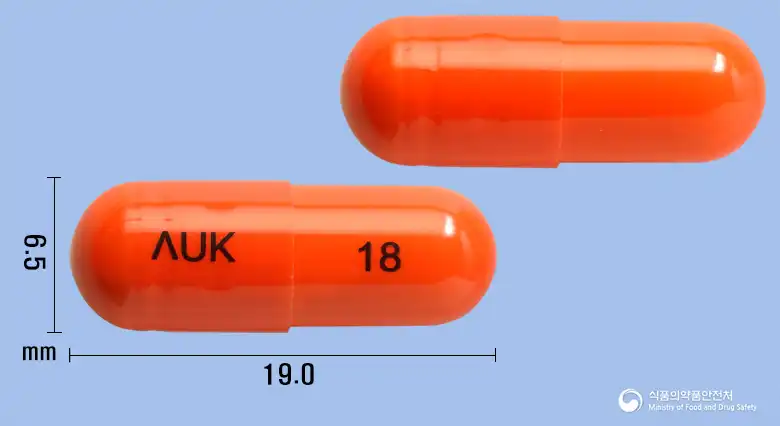
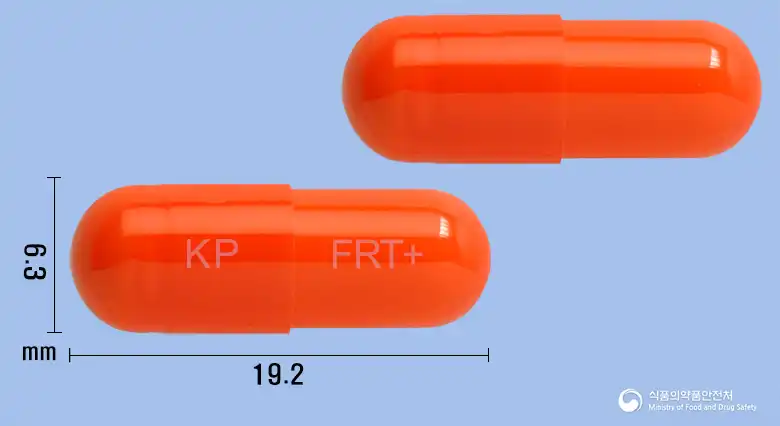
An orange hard capsule containing white and pale yellow granules and enteric-coated pellets.
30 capsules/bottle, 100 capsules/bottle
Even with the same ingredient, strength, dosage form and how it is taken can differ.
Viewing nowCombinationClopidogrel Bisulfate 97.875mg · Aspirin Enteric Pellets 122mg
Hard capsule · Prescription medication · Combination
Os Korea Pharmaceutical Co., Ltd.
Clopidogrel Bisulfate 97.875mg · Aspirin Enteric Pellets 122mg
Hard capsule · Prescription medication · Combination
Jinyang Pharmaceutical Co., Ltd.
 Combination
Clopidogrel Bisulfate 97.875mg · Aspirin Enteric Pellets 122mg
Hard capsule · Prescription medication · Combination
Huons Co., Ltd.
Clopidogrel Bisulfate 97.875mg · Aspirin Enteric Pellets 122mg
Hard capsule · Prescription medication · Combination
Boryeong Biopharma Co., Ltd.
Clopidogrel Bisulfate 97.875mg · Aspirin Enteric Pellets 122mg
Hard capsule · Prescription medication · Combination
Celltrion Pharmaceutical Co., Ltd.
 Combination
Clopidogrel Bisulfate 97.875mg · Aspirin Enteric Pellets 122mg
Hard capsule · Prescription medication · Combination
Medica Korea Co., Ltd.
 Combination
Clopidogrel Bisulfate 97.875mg · Aspirin Enteric Pellets 122mg
Hard capsule · Prescription medication · Combination
Korea Hutex Pharmaceutical Co., Ltd.
 Combination
Clopidogrel Bisulfate 97.875mg · Aspirin Enteric Pellets 122mg
Hard capsule · Prescription medication · Combination
Korea Pharma Co., Ltd.
Even with the same ingredient, the dose and directions can differ by strength and dosage form. Talk to a doctor or pharmacist before switching from a medication you are already taking.
No questions yet.
For anything that needs medical judgment, consult a doctor or pharmacist.
This drug information is based on data provided by the Korea Ministry of Food and Drug Safety.
Consult a doctor or pharmacist for accurate dosage, administration, and usage instructions.