한국어
 English
 日本語
 中文(简体)
 Viewing now
A-Care Tablet 9.96mg (Solifenacin Fumarate)
Solifenacin Fumarate 9.96mg
Tablet · Prescription medication
Co., Ltd. Corepharm Bio
MFDS item code 201604581 · Approved 2016.07.25 · Insurance code 051700030
Treatment of overactive bladder symptoms (such as urinary frequency and urgency)
This medication is used to improve symptoms of overactive bladder, such as urge incontinence, frequent urination, and urgency.
The usual recommended dose for adults (including elderly patients) is 4.98mg (equivalent to 5mg of solifenacin succinate) once daily. If necessary, the dose may be increased to a maximum of 9.96mg (equivalent to 10mg of solifenacin succinate) once daily. This medicine may be taken with or without food and should be swallowed whole with water. Dosage adjustment is required for the following patients. 1. Patients with renal impairment No dosage adjustment is necessary for patients with mild or moderate renal impairment (creatinine clearance>30ml/min). Use with caution in patients with severe renal impairment (creatinine clearance≤30ml/min), and do not exceed 4.98mg (equivalent to 5mg of solifenacin succinate) once daily. 2. Patients with hepatic impairment No dosage adjustment is necessary for patients with mild hepatic impairment. Use with caution in patients with moderate hepatic impairment (Child-Pugh class B), and do not exceed 4.98mg (equivalent to 5mg of solifenacin succinate) once daily. 3. Patients receiving a potent cytochrome P450 3A4 (CYP3A4) inhibitor For patients receiving ketoconazole or another potent CYP3A4 inhibitor (e.g., ritonavir, nelfinavir, itraconazole), limit the maximum daily dose to 4.98mg (equivalent to 5mg of solifenacin succinate).
This drug should not be used in patients with urinary retention, severe gastrointestinal disorders, myasthenia gravis, and angle-closure glaucoma. Also, it should not be administered to patients with allergies to this medication or its components, patients undergoing hemodialysis, patients with severe liver dysfunction, and patients with severe renal impairment or moderate liver impairment who are taking strong CYP3A4 inhibitors. This medication should be used cautiously in patients with urinary retention risk or at risk for gastrointestinal obstruction or decreased gastrointestinal motility. Patients with severe renal impairment or moderate liver impairment should limit the maximum daily dose, and dosage adjustments may be needed if combined with strong CYP3A4 inhibitors. When taking this medication, one should be cautious of potential side effects such as dry mouth, constipation, blurred vision, dry eyes, and urinary retention. In particular, dry mouth and constipation may occur frequently, and some patients may experience serious gastrointestinal adverse reactions. During the use of this medication, there is a risk of severe allergic reactions, such as angioedema or anaphylaxis, so if these symptoms occur, the medication should be discontinued immediately and healthcare personnel should be notified. Patients with pre-existing heart disease, QT prolongation syndrome, or hypokalemia may be at increased risk of arrhythmia when using this medication, so caution is advisable. Driving or operating machinery may result in drowsiness, blurred vision, or fatigue, so caution is warranted. Taking this drug with other anticholinergic medications may enhance its effects or increase side effects, so consultation with healthcare professionals about concomitant medications is essential. When taken with strong CYP3A4 inhibitors, the blood concentration of this drug may increase, requiring dosage adjustments, and patients with severe renal or liver impairment should avoid combination therapy. The safety during pregnancy has not been established, so caution is advised when prescribing to pregnant women, and breastfeeding mothers should avoid use due to the potential for secretion into breast milk. The safety and efficacy in pediatric patients have not been established, so this medication should not be administered to children. In case of overdose, appropriate treatment is necessary based on symptoms, and specialized pharmaceutical treatment may be required if significant central anticholinergic effects occur. Before using this medication, the cause of frequent urination should be accurately assessed, and appropriate antibacterial treatment should be conducted if a urinary tract infection is present. The maximum effect of this medication appears approximately 4 weeks after starting treatment, so consistent use is important.
Not everyone experiences these, and they can vary from person to person.
This medication should be stored in a tightly closed container to protect it from air and moisture. The optimal storage temperature is between 1°C and 30°C, ideally at room temperature.
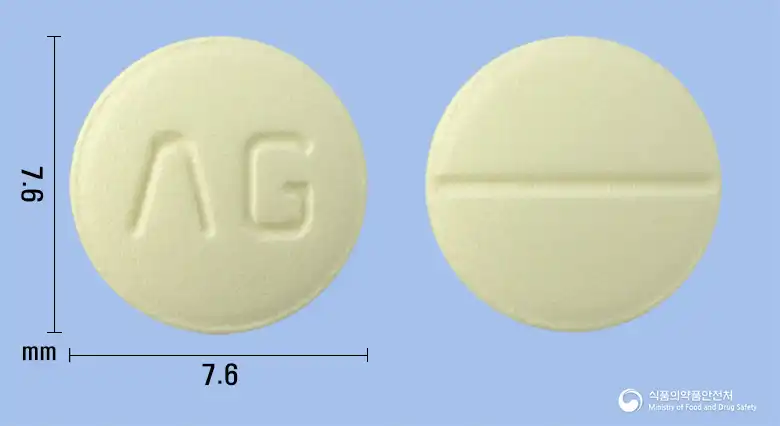
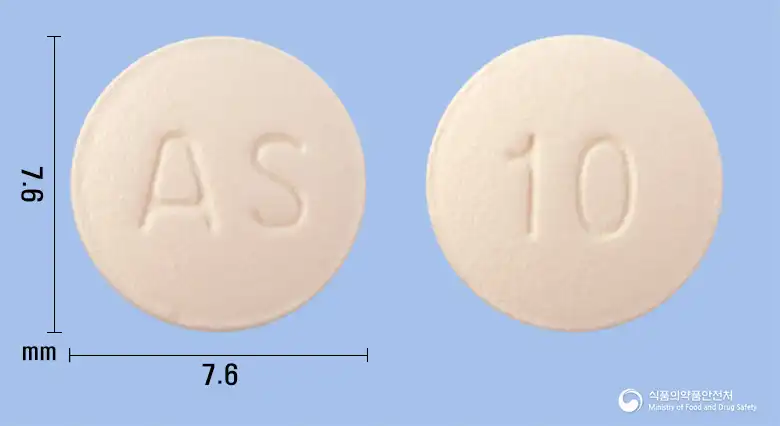
Bright pink round film-coated tablet
10 tablets (10 tablets/PTP X 1), 30 tablets (10 tablets/PTP X 3), 100 tablets (10 tablets/PTP X 10)
Even with the same ingredient, strength, dosage form and how it is taken can differ.
Even with the same ingredient, the dose and directions can differ by strength and dosage form. Talk to a doctor or pharmacist before switching from a medication you are already taking.
No questions yet.
For anything that needs medical judgment, consult a doctor or pharmacist.
This drug information is based on data provided by the Korea Ministry of Food and Drug Safety.
Consult a doctor or pharmacist for accurate dosage, administration, and usage instructions.