
 한국어
한국어 English
 日本語
日本語 中文(简体)
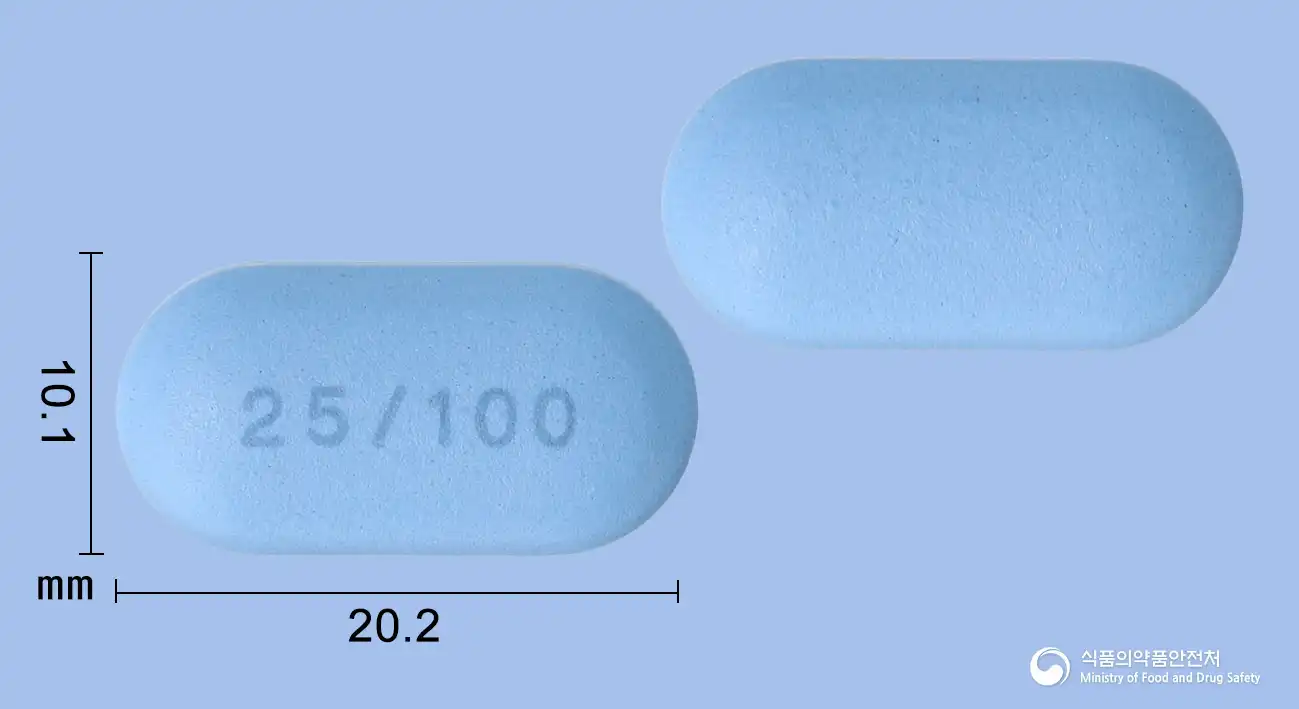 Viewing nowCombination
Dubimet Extended-Release Tablets 0.25/1000 mg
Metformin Hydrochloride 1000mg · Lobeglitazone Sulfate 0.25mg
Tablet · Prescription medication · Combination
Jongkundang Co., Ltd.
MFDS item code 201604111 · Approved 2016.06.30 · Insurance code 643307460
Improvement in blood sugar control for adult type 2 diabetes
This medication is used to assist patients with type 2 diabetes in controlling blood sugar levels alongside dietary management and exercise therapy. It is particularly effective for those whose blood sugar control is insufficient with metformin alone. Additionally, it can be taken as a substitute for those who have previously used rosiglitazone and metformin together. This helps manage blood sugar levels reliably. Therefore, this medication is used to improve blood sugar control for type 2 diabetes.
The usual dosage of this medication is taken once daily with the evening meal, and the dosage is adjusted gradually to reduce gastrointestinal side effects related to metformin. The 0.5/1000 mg extended-release tablet is taken once daily, with one tablet per dose. The 0.25/500 mg, 0.25/750 mg, and 0.25/1000 mg extended-release tablets are taken once daily, with two tablets per dose at the same time. The initial dosage is 0.5 mg of rosiglitazone once daily.
This medication should be used cautiously under medical supervision in patients with weak heart function as it may exacerbate heart failure. After administration, careful observation is required for symptoms of heart failure, such as changes in weight, shortness of breath, and edema. This medication should not be used in patients with severe heart failure or significantly impaired kidney function. It is also advisable for patients with liver function impairment to avoid this medication. Rarely, this medication can cause severe lactic acidosis, so immediate consultation with a doctor is necessary if symptoms occur. Special caution is advised for elderly patients with impaired kidney function or those in poor condition due to dehydration or infection. When used in combination with other diabetes medications, hypoglycemia may occur, thus monitoring blood sugar levels is crucial. Women who are pregnant or breastfeeding should not use this medication. Regular blood tests and kidney and liver function tests should be conducted during medication use, and any unusual symptoms should be reported to healthcare providers promptly. Alcohol consumption should be avoided as it may increase the risk of lactic acidosis. Before and after surgery or radiological examinations, administration should be paused for a certain period, and treatment can be resumed only after confirming normal kidney function. Weight gain or edema may occur, so it is important to monitor these symptoms alongside dietary adjustments. This medication has not been proven safe and effective for children, so it is not used for them. In cases of overdose, appropriate emergency treatment is necessary, as some components may not be removed by dialysis.
Edema, symptoms and signs of heart failure (including excessive and rapid weight change, shortness of breath, edema), lactic acidosis, hypoglycemia, severe allergic reactions (hives, severe swelling, chest tightness, difficulty breathing, cold sweat, pallor), severe skin reactions (severe rash with fever, blistering, skin peeling, oral/ocular mucosa pain), respiratory issues (difficulty breathing or shortness of breath, asthma attacks, respiratory issues accompanied by cough and fever)
Not everyone experiences these, and they can vary from person to person.
This medication should be stored in a tightly closed container to prevent exposure to air or moisture. It should also be kept away from excessively hot or cold places, ideally at temperatures between 1°C to 30°C at room temperature.
Blue, rectangular extended-release film-coated tablets
Bottle packaging - 30 tablets/bottle
Even with the same ingredient, strength, dosage form and how it is taken can differ.
Viewing nowCombinationMetformin Hydrochloride 1000mg · Lobeglitazone Sulfate 0.25mg
Tablet · Prescription medication · Combination
Jongkundang Co., Ltd.
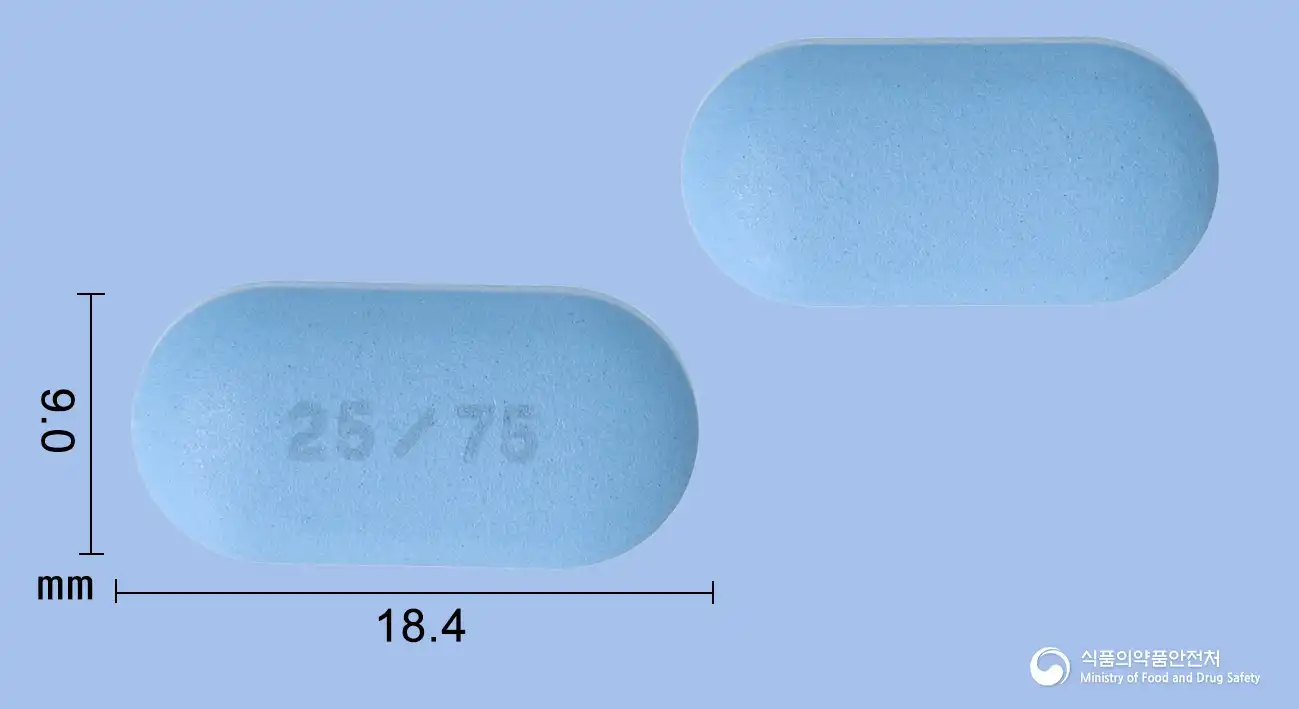 Combination
Metformin Hydrochloride 750mg · Lobeglitazone Sulfate 0.25mg
Tablet · Prescription medication · Combination
Jongkundang Co., Ltd.
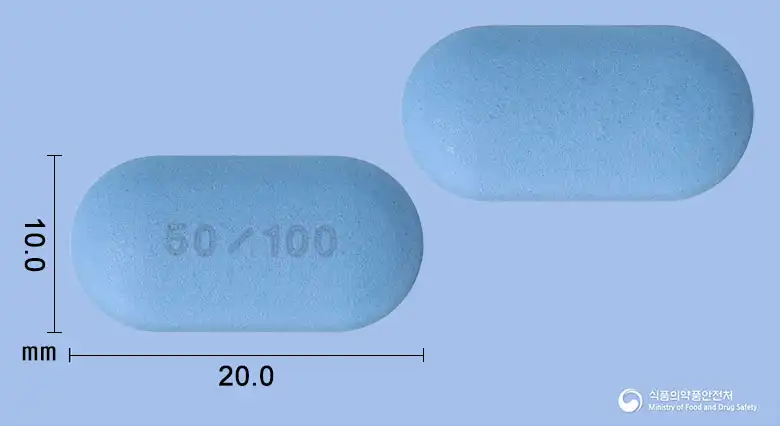 Combination
Metformin Hydrochloride 1000mg · Lobeglitazone Sulfate 0.5mg
Tablet · Prescription medication · Combination
Jongkundang Co., Ltd.
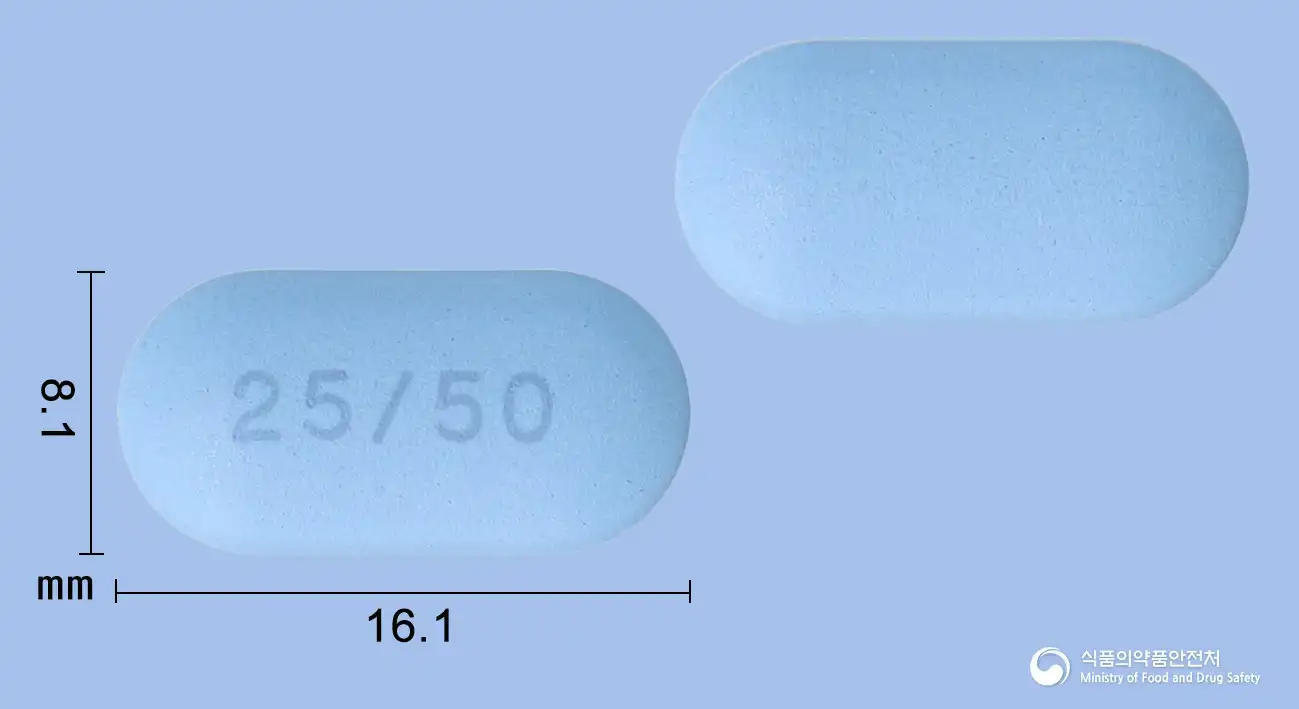 Combination
Metformin Hydrochloride 500mg · Lobeglitazone Sulfate 0.25mg
Tablet · Prescription medication · Combination
Jongkundang Co., Ltd.
Even with the same ingredient, the dose and directions can differ by strength and dosage form. Talk to a doctor or pharmacist before switching from a medication you are already taking.
No questions yet.
For anything that needs medical judgment, consult a doctor or pharmacist.
This drug information is based on data provided by the Korea Ministry of Food and Drug Safety.
Consult a doctor or pharmacist for accurate dosage, administration, and usage instructions.