
 한국어
한국어 English
 日本語
日本語 中文(简体)
 Viewing now
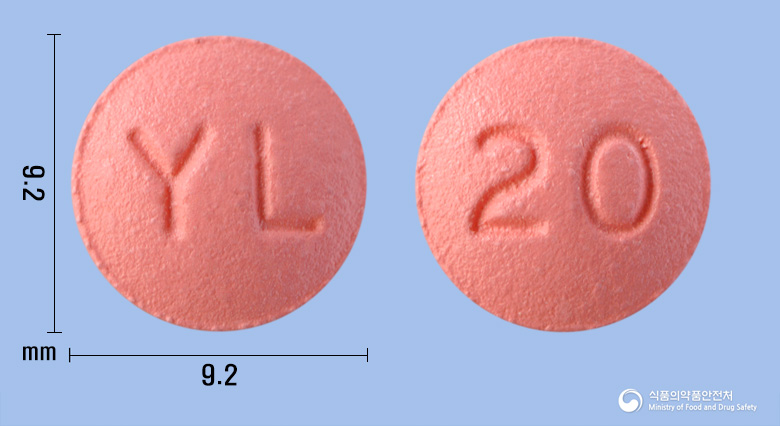
Crevatin 20 mg (Rosuvastatin Calcium)
Rosuvastatin Calcium 20.8mg
Tablet · Prescription medication
Youngil Pharmaceutical Co., Ltd.
MFDS item code 201602996 · Approved 2016.05.27 · Insurance code 649404870
Treatment for hypercholesterolemia and reduction of cardiovascular disease risk
This medication is primarily used as an adjunct when diet and exercise alone do not control primary hypercholesterolemia and mixed dyslipidemia. It is also effective as an adjunct to diet or other lipid-lowering therapies in patients with homozygous familial hypercholesterolemia. It lowers total cholesterol and LDL cholesterol levels in patients with hypercholesterolemia, delaying the progression of atherosclerosis. It is also used as an adjunct in children with heterozygous familial hypercholesterolemia who meet the established criteria. It is helpful as an adjunct to dietary measures in patients with primary dysbetalipoproteinemia and contributes to reducing cardiovascular disease risk. Notably, it is effective in reducing the risk of stroke, myocardial infarction, and vascular revascularization in middle-aged individuals with elevated high-sensitivity C-reactive protein levels. This medication helps improve cholesterol levels and maintain cardiovascular health.
The initial dose is 5 mg once daily, and if greater reductions in LDL cholesterol levels are needed, the maintenance dose can be adjusted. The maintenance dose is typically 10 mg once daily, which controls the majority of patients. The maintenance dose should be adjusted appropriately every 4 weeks or longer intervals based on LDL cholesterol levels, treatment goals, and patient response, with a maximum dose of 20 mg daily.
The usual dosage range for pediatric patients with heterozygous familial hypercholesterolemia (aged 10 to 17 years) is 5 mg to 20 mg once daily. Dosage should be adjusted individually based on the recommended treatment goals for each patient.
This medication should not be used in certain patients. For example, patients who are allergic to this medication, have severe liver dysfunction, have muscle diseases, or have severe kidney disorders should not take it. Women who are pregnant or breastfeeding, as well as women of childbearing age who do not use adequate contraception, must consult a physician before taking this medication, as it may pose risks to the fetus. Additionally, patients with a history of muscle-related disorders or at high risk of muscle damage should avoid high doses of this medication and should closely monitor their muscle condition before and after taking it. This medication contains lactose, making it unsuitable for patients with lactose intolerance or specific genetic metabolic disorders. Patients with liver health issues or those who consume alcohol heavily should have liver function tests before taking this medication and should regularly monitor liver health during treatment. If symptoms such as muscle pain, weakness, or cramps occur, they should promptly inform their physician, and discontinuation of the medication may be required. This medication may interact with various other drugs, so if patients are taking other medications, they must inform their doctor or pharmacist. Caution is especially needed when combined with specific antibiotics, antifungals, immunosuppressants, and fibrates. Pregnant or breastfeeding women, or those planning to become pregnant, should not take this medication and must use adequate contraception. In cases of overdose, there is no specific antidote, so treatment should be based on symptoms, along with liver function and muscle enzyme tests. Caution is required when driving or operating machinery due to potential dizziness or similar symptoms. In rare instances, severe skin reactions, liver damage, or muscle disorders may develop in some patients; if unusual symptoms occur, immediate consultation with healthcare professionals is necessary.
Allergic reactions including urticaria and angioedema, rash, Stevens-Johnson syndrome, difficulty breathing, liver abnormalities (jaundice), jaundice, liver failure, severe edema, myopathy, rhabdomyolysis, immune-mediated necrotizing myopathy, severe muscle weakness, ocular muscle weakness, polyneuropathy, severe skin reactions, acute renal failure, oliguria, thrombocytopenia
Not everyone experiences these, and they can vary from person to person.
This medication must be stored in a tightly closed container to prevent exposure to air and moisture. It is recommended to maintain the storage temperature between 1°C and 30°C.
Pink round film-coated tablet
30 tablets (15 tablets/PTP (AluAlu) x 2)
Even with the same ingredient, strength, dosage form and how it is taken can differ.
Viewing nowRosuvastatin Calcium 20.8mg
Tablet · Prescription medication
Youngil Pharmaceutical Co., Ltd.
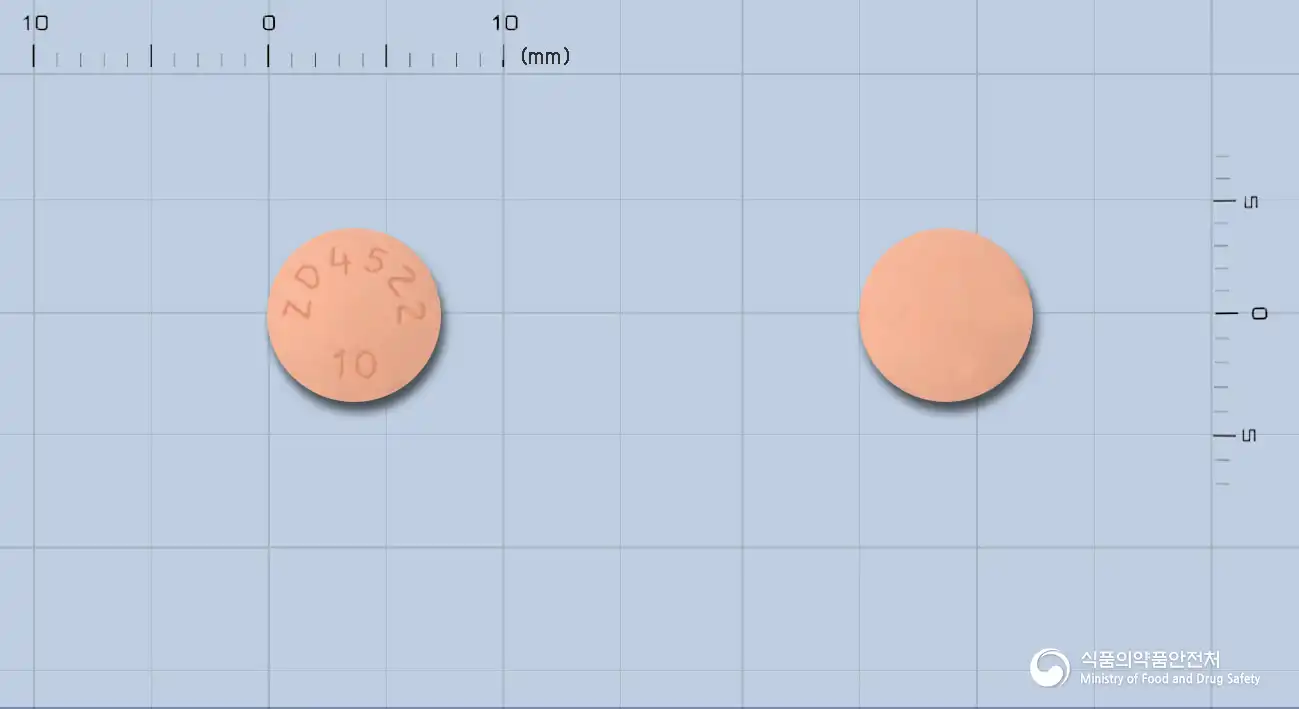
Rosuvastatin Calcium 10.4mg
Tablet · Prescription medication
AstraZeneca Korea Co., Ltd.
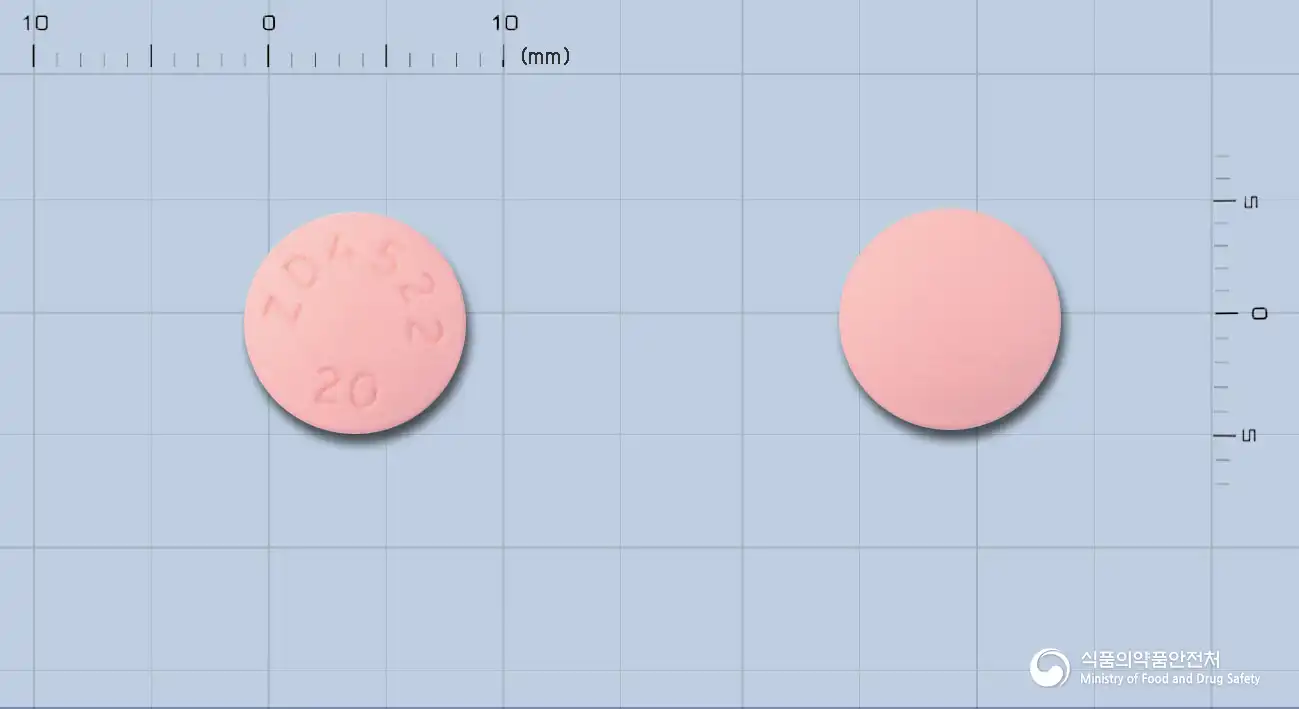
Rosuvastatin Calcium 20.8mg
Tablet · Prescription medication
AstraZeneca Korea Co., Ltd.
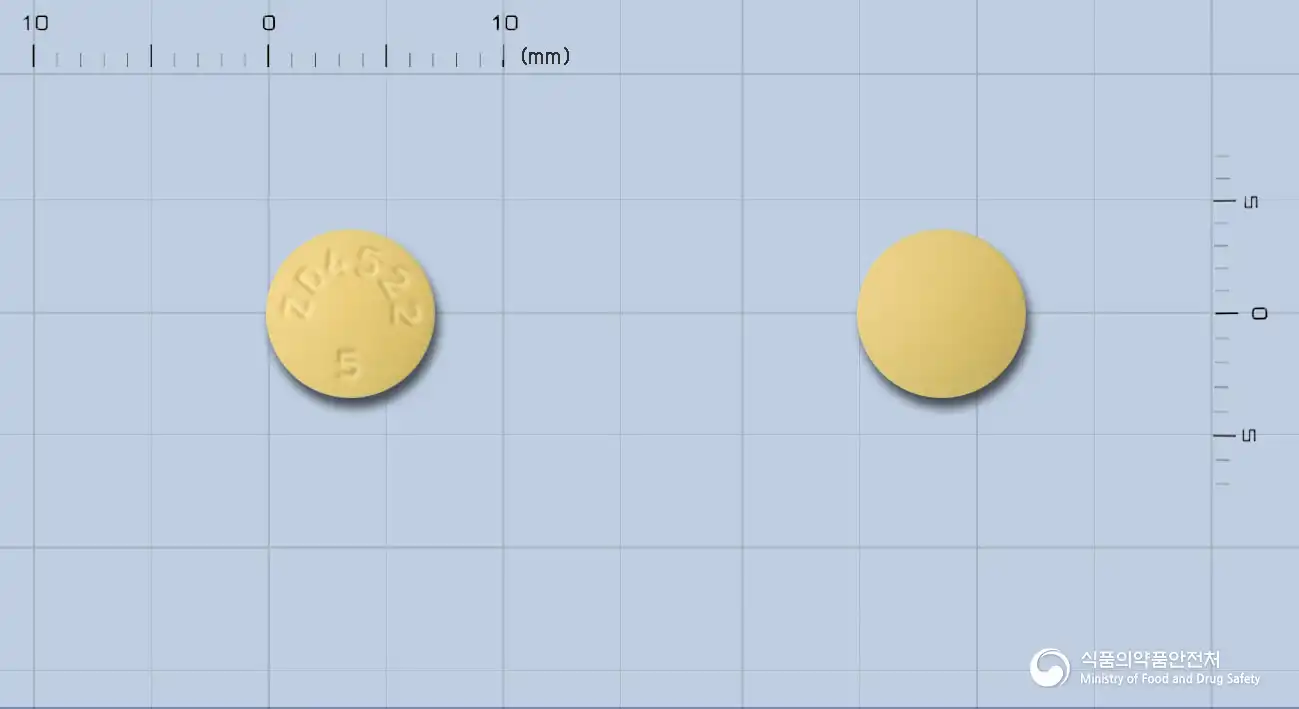
Rosuvastatin Calcium 5.2mg
Tablet · Prescription medication
AstraZeneca Korea Co., Ltd.
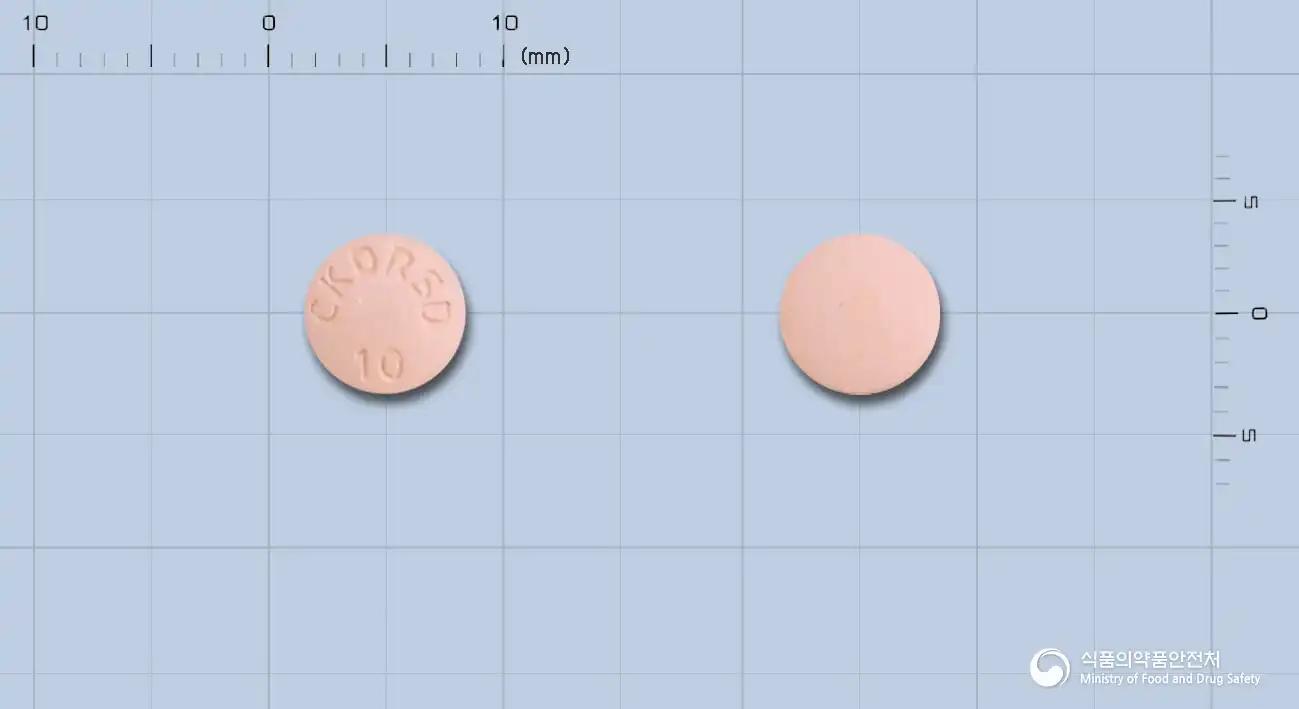
Rosuvastatin Calcium 10.4mg
Tablet · Prescription medication
Chong Kun Dang Pharmaceutical Corp.
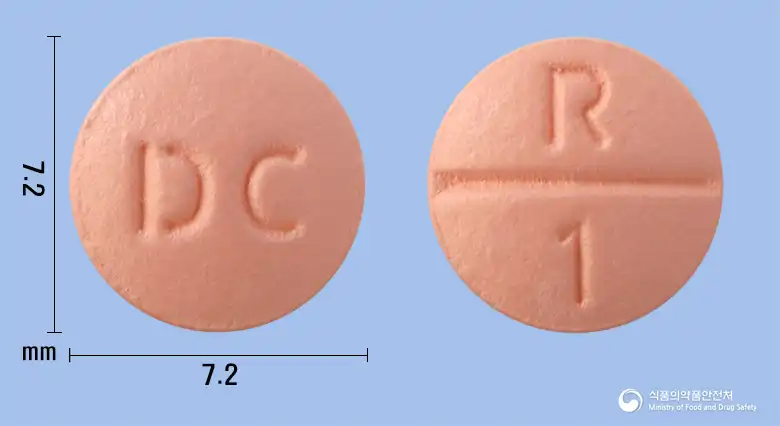
Rosuvastatin Calcium 10.4mg
Tablet · Prescription medication
Dong Gu Bio Pharmaceutical Co., Ltd.
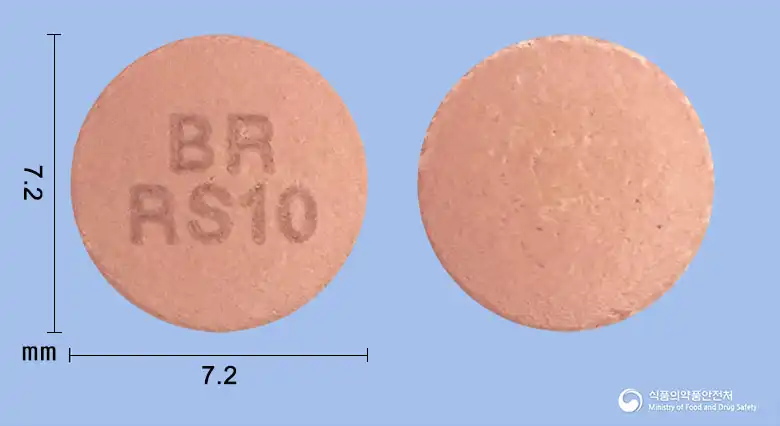
Rosuvastatin Calcium 10.4mg
Tablet · Prescription medication
Boryung Pharmaceutical Co., Ltd.
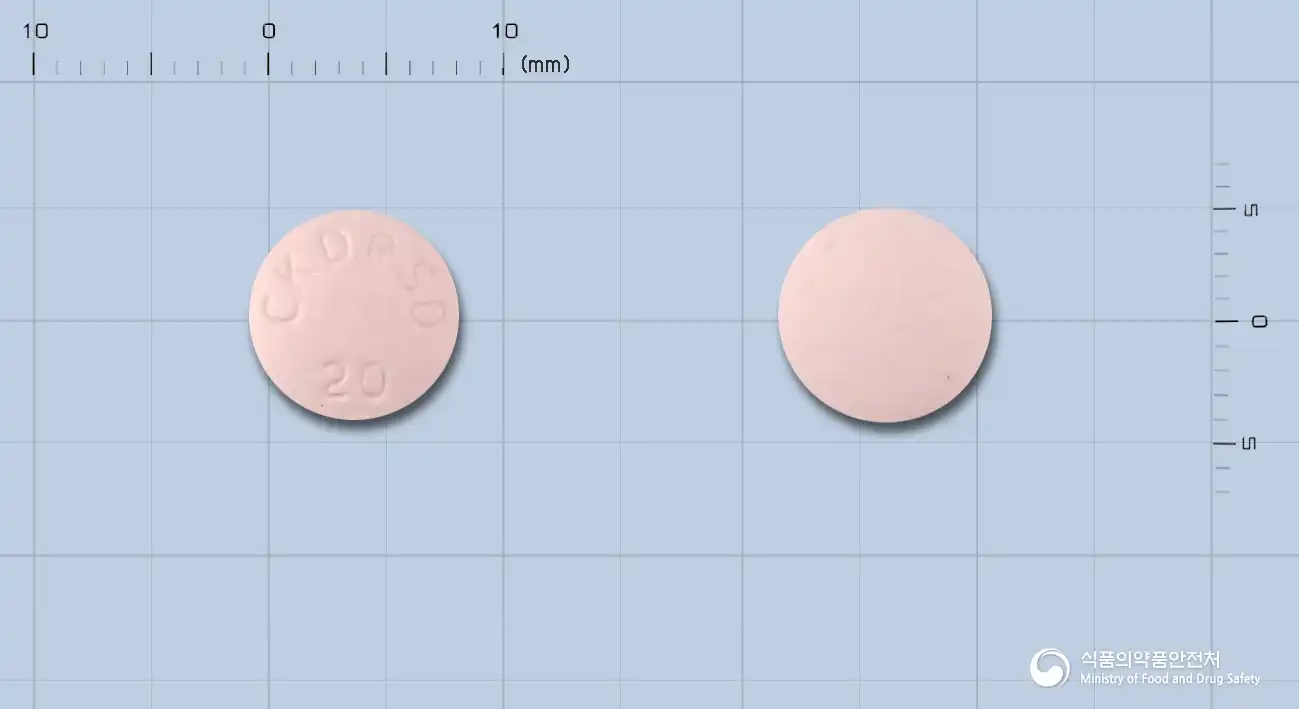
Rosuvastatin Calcium 20.8mg
Tablet · Prescription medication
Jongkundang Co., Ltd.
Even with the same ingredient, the dose and directions can differ by strength and dosage form. Talk to a doctor or pharmacist before switching from a medication you are already taking.
No questions yet.
For anything that needs medical judgment, consult a doctor or pharmacist.
This drug information is based on data provided by the Korea Ministry of Food and Drug Safety.
Consult a doctor or pharmacist for accurate dosage, administration, and usage instructions.