
 한국어
한국어 English
 日本語
日本語 中文(简体)
 Viewing now
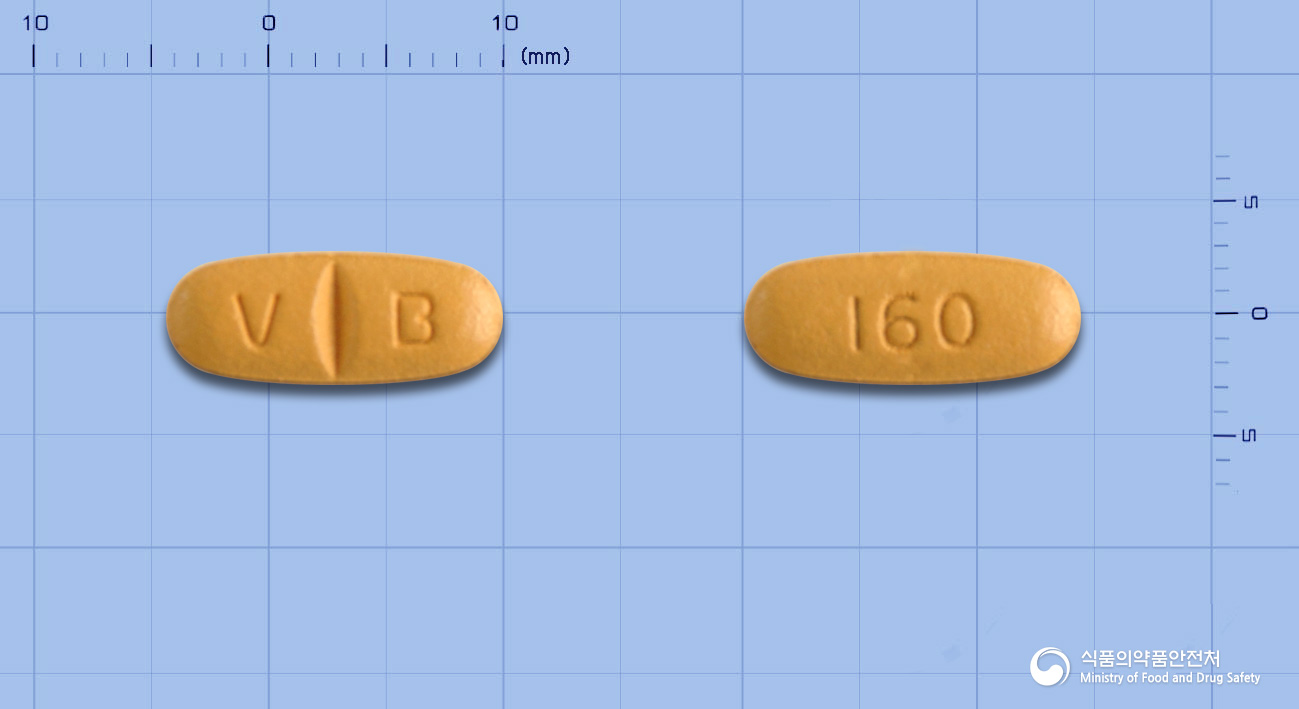
Barban Tablets 160 mg (Valsartan)
Valsartan 160mg
Tablet · Prescription medication
Pamgen Science Co., Ltd.
MFDS item code 201602326 · Approved 2016.04.26 · Insurance code 670104010
Treatment of essential hypertension and heart failure (intolerance to ACE inhibitors), reducing the risk of death after myocardial infarction
This medication is used to treat essential hypertension and is also helpful in managing heart failure patients (NYHA class II-IV) who have intolerance to ACE inhibitors. Additionally, it is effective in reducing mortality risk in stable patients with left ventricular dysfunction or impaired contractility after a myocardial infarction. Through these effects, it contributes to improving cardiovascular health.
For essential hypertension, an oral dose of 80 mg once a day is recommended. If blood pressure control is inadequate, the dosage may be increased to 160 mg per day or combined with a diuretic, with a maximum of 320 mg. In the elderly (75 years and older), treatment should start at 40 mg once daily. For heart failure treatment, an oral dose of 40 mg twice daily is recommended, which may be increased to 80 mg or 160 mg per dose.
Safety and efficacy in pediatric patients and adolescents under 18 years of age have not been established; therefore, it should not be administered.
This medication can cause serious harm to the fetus if taken during pregnancy, especially in the second and third trimesters, so it should be discontinued immediately if pregnancy is confirmed. This medication should not be used in specific patients such as pregnant or potentially pregnant women, nursing mothers, patients with severe liver impairment, or those with severe renal dysfunction. Caution should be exercised when administering this medication to the elderly, patients with hyperkalemia, or those with mild to moderate liver impairment, and their conditions should be closely monitored during treatment. Due to its blood pressure-lowering effects, there is a risk of sudden drops in blood pressure upon initial use, leading to fainting or dizziness. Particularly, patients undergoing dialysis or taking diuretics, and those on strict sodium-restricted diets are at risk of hypotension and should adjust the dosage gradually. This drug can increase potassium levels, so when taken with potassium-sparing diuretics or potassium supplements, serum potassium levels should be monitored carefully. Additionally, interactions may occur when taken with other antihypertensives or non-steroidal anti-inflammatory drugs (NSAIDs), so consultation with a healthcare professional is advised. Since this medication may affect liver and kidney functions, it is important to conduct regular blood tests to monitor renal and hepatic functions. Care should be taken when driving or operating machinery as dizziness or drowsiness may occur. In case of overdose, severe hypotension or reduced consciousness can occur, requiring immediate medical attention. Safety has not been established in children and adolescents, so it is advisable not to use it in this age group. This medication should be stored out of reach of children and not transferred to another container for safety.
Urticaria, severe swelling (edema), chest tightness, difficulty breathing, cold sweat, pallor, severe rash with high fever, blisters, skin peeling, pain in mucous membranes of mouth/eyes, shortness of breath or difficulty breathing, asthma attack, abnormal breathing accompanied by cough and fever, yellowing of skin or eyes (jaundice), profound malaise, sudden and severe headache, lightning-like headache, seizures, confusion, visual disturbances, paralysis, urination changes
Not everyone experiences these, and they can vary from person to person.
This medication is sensitive to air and moisture, so it must be stored in a tightly sealed container. It is important to keep it in a cool place below 30 degrees Celsius to maintain its effectiveness.
An oval film-coated tablet that is orange with a grayish tint
30 tablets per bottle
Even with the same ingredient, strength, dosage form and how it is taken can differ.
Viewing nowValsartan 160mg
Tablet · Prescription medication
Pamgen Science Co., Ltd.
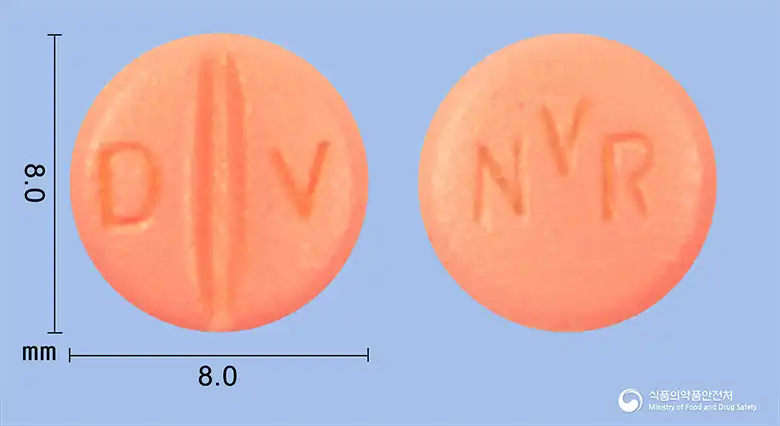
Valsartan 80mg
Tablet · Prescription medication
Novartis Korea Co., Ltd.
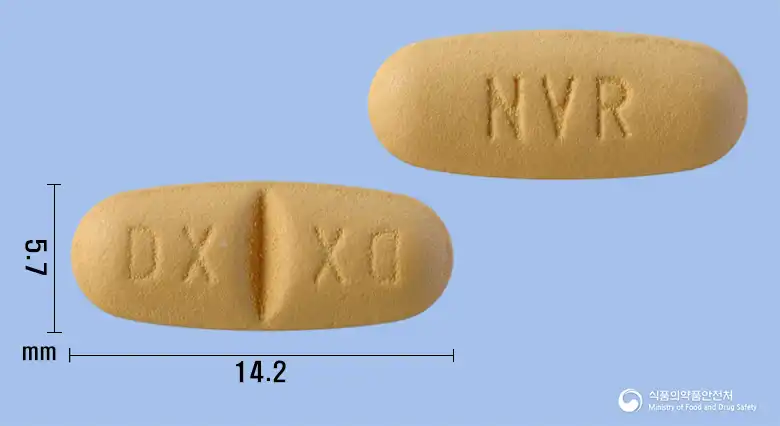
Valsartan 160mg
Tablet · Prescription medication
Novartis Korea Co., Ltd.
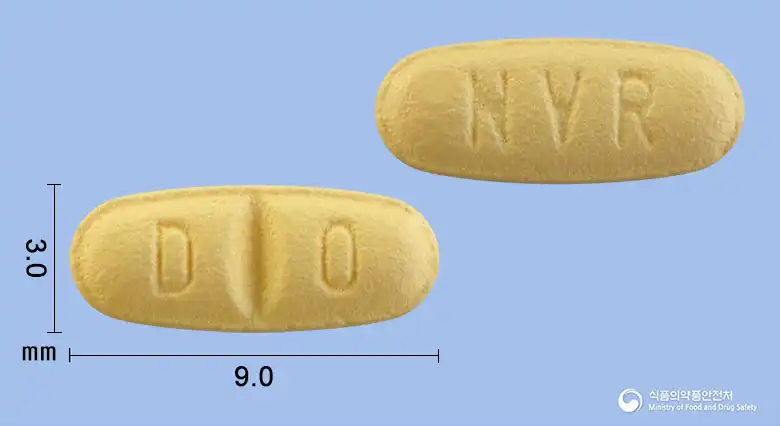
Valsartan 40mg
Tablet · Prescription medication
Samsung Novartis Co., Ltd.
Valsartan
Prescription medication
Korea Sandos Co., Ltd.
Valsartan
Prescription medication
Korea Sandos Co., Ltd.
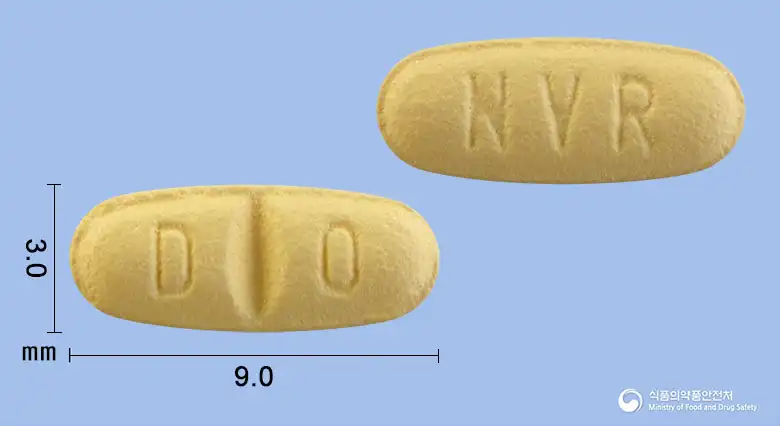
Valsartan
Prescription medication
Korea Sandos Co., Ltd.
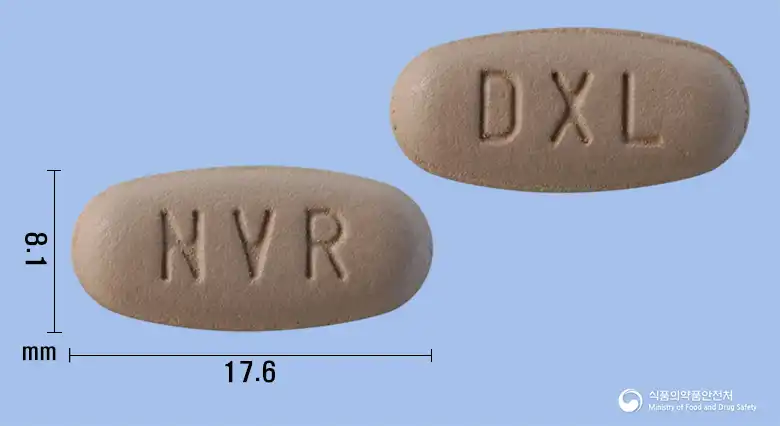
Valsartan 320mg
Tablet · Prescription medication
Novartis Korea Co., Ltd.
Even with the same ingredient, the dose and directions can differ by strength and dosage form. Talk to a doctor or pharmacist before switching from a medication you are already taking.
No questions yet.
For anything that needs medical judgment, consult a doctor or pharmacist.
This drug information is based on data provided by the Korea Ministry of Food and Drug Safety.
Consult a doctor or pharmacist for accurate dosage, administration, and usage instructions.