
 한국어
한국어 English
 日本語
日本語 中文(简体)
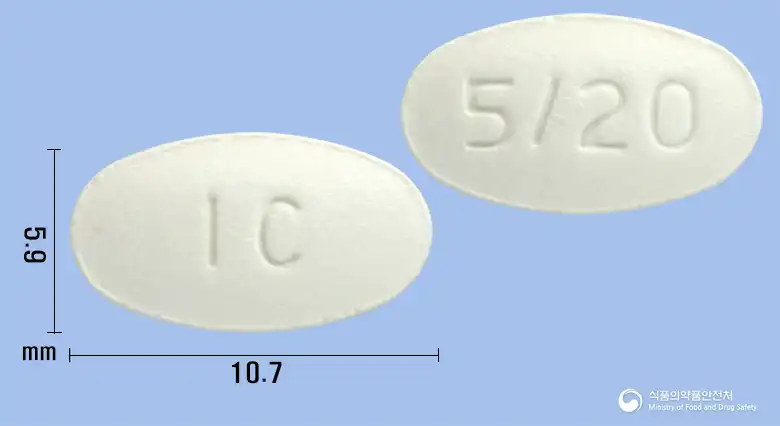 Viewing nowCombination
Double A Tablet 5/20mg
Atorvastatin Calcium 20.72mg · Amlodipine Besylate 6.94mg
Tablet · Prescription medication · Combination
IQURE Co., Ltd.
MFDS item code 201602282 · Approved 2016.04.25
(Hypertension, Angina Pectoris) Improvement of myocardial ischemia and reduction of the risk of myocardial infarction and stroke related to cardiovascular disease
This medication is used for patients who need to take amlodipine and atorvastatin together. Amlodipine is used to treat hypertension and myocardial ischemia caused by stable and variant angina; it also helps reduce the risk of hospitalization due to angina and the risk of revascularization procedures. Atorvastatin lowers the risk of cardiovascular diseases such as myocardial infarction, stroke, and angina, and is effective in treating hypercholesterolemia and dyslipidemia. Additionally, it is used to prevent cardiovascular diseases in adult patients with diabetes or a family history, reducing the risk of myocardial infarction and stroke. These two ingredients are used together to improve cardiovascular health and to prevent and treat related diseases.
Amlodipine (as es-amlodipine) is administered orally once daily at a dose of 5 (2.5) mg, which can be increased up to a maximum of 10 (5) mg daily based on the patient’s response. Atorvastatin is administered once daily at doses ranging from 10 mg to 80 mg and can be taken at any time of the day regardless of food intake. The initial dose is 10 mg once daily, with options to adjust to 20 mg or 40 mg as needed.
This medication should not be administered to certain patients. For example, it should not be used in patients who are allergic to this medication or similar ingredients, those with severe liver dysfunction, pregnant women or women who may become pregnant, breastfeeding women, patients with muscular disorders, those with severe aortic stenosis, patients in a state of shock, patients within 1 month after a myocardial infarction, patients with unstable angina, and those taking certain hepatitis treatments. Additionally, caution is advised in patients with severely impaired kidney function, the elderly, individuals with a history of alcohol addiction or liver disease, those at risk of muscle damage, patients with acute heart failure, hypertensive crisis patients, and those with mild to moderate liver dysfunction, or those with severe myasthenia gravis. This medication generally has good tolerability, but mild side effects such as flushing, fatigue, edema, palpitations, dizziness, headache, drowsiness, abdominal pain, and nausea may occur. Rarely, muscle pain, joint pain, liver dysfunction, allergic reactions, and skin rashes have been reported; serious symptoms of muscle damage such as severe hepatitis or rhabdomyolysis may also occur, thus it is essential to consult a physician if abnormal symptoms appear. Pregnant or breastfeeding women should not take this medication, and women who may become pregnant should use appropriate contraception while on this medication. Additionally, the safety and efficacy of this medication in children have not been established. Elderly patients can usually use this medication without special dose adjustments, but liver and kidney function should be carefully monitored. In the case of overdose, blood pressure may drop dangerously low or heart function may be impaired, so immediate medical attention is required as blood dialysis is not very effective in removing this medication. This medication can interact with various other drugs, so it is essential to inform healthcare providers of any current medications being taken and to use it cautiously. Special caution is required when used in combination with drugs metabolized in the liver or those that may affect muscles. Lastly, this medication should be stored out of the reach of children, and it is advisable to avoid transferring it to another container as it may affect the quality.
Hives, angioedema, severe swelling (edema), toxic epidermal necrolysis, blistering rash, skin peeling, pain in oral/ocular mucosa, severe allergic reactions, severe skin adverse reactions, difficulty breathing or shortness of breath, asthma attacks, respiratory abnormality accompanied by cough and fever, dyspnea, jaundice, liver abnormalities, sudden and severe headaches, thunderclap headaches, seizures, confusion, vision abnormalities, paralysis, serious neurological symptoms, urination
Not everyone experiences these, and they can vary from person to person.
This medication should be stored in a tightly sealed container to prevent exposure to air or moisture. Additionally, it is recommended to keep it at room temperature between 15 to 30 degrees Celsius to maintain its effectiveness.
White oval film-coated tablet
30 tablets
Even with the same ingredient, strength, dosage form and how it is taken can differ.
Viewing nowCombinationAtorvastatin Calcium 20.72mg · Amlodipine Besylate 6.94mg
Tablet · Prescription medication · Combination
IQURE Co., Ltd.
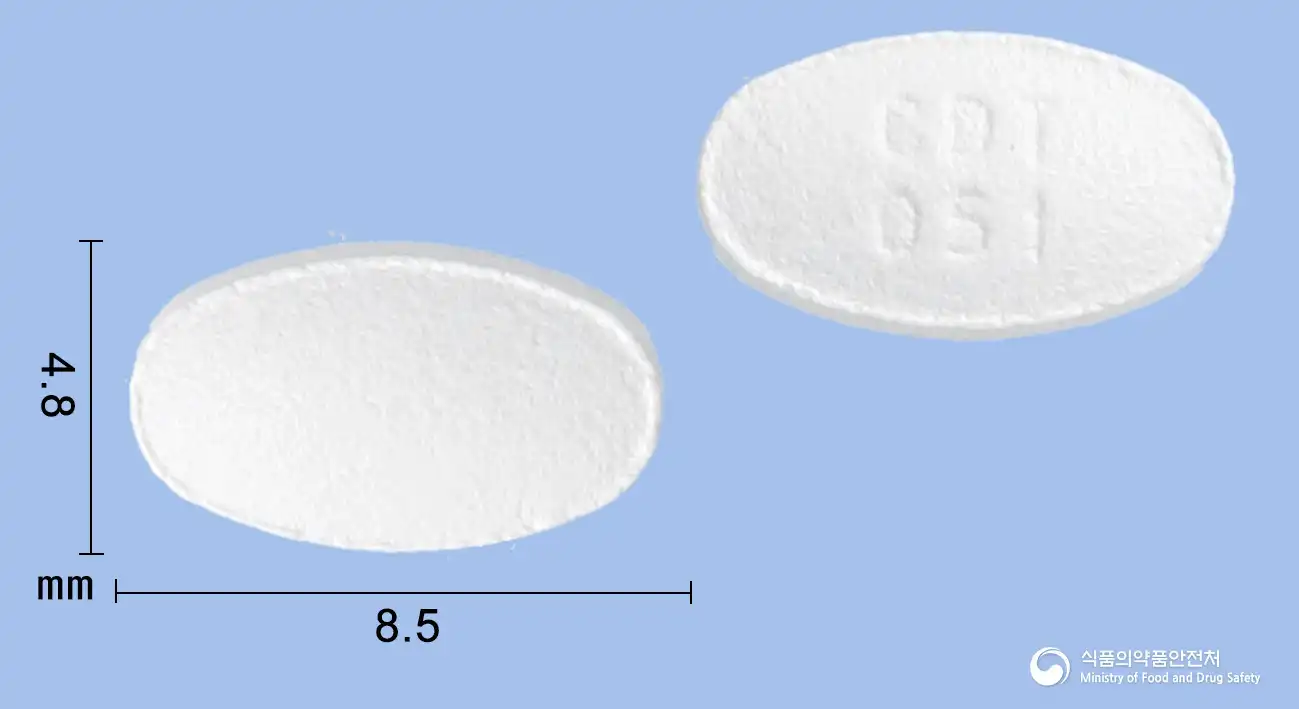 Combination
Atorvastatin Calcium Trihydrate 10.85mg · Amlodipine Besylate 6.94mg
Tablet · Prescription medication · Combination
Viatriss Korea Co., Ltd.
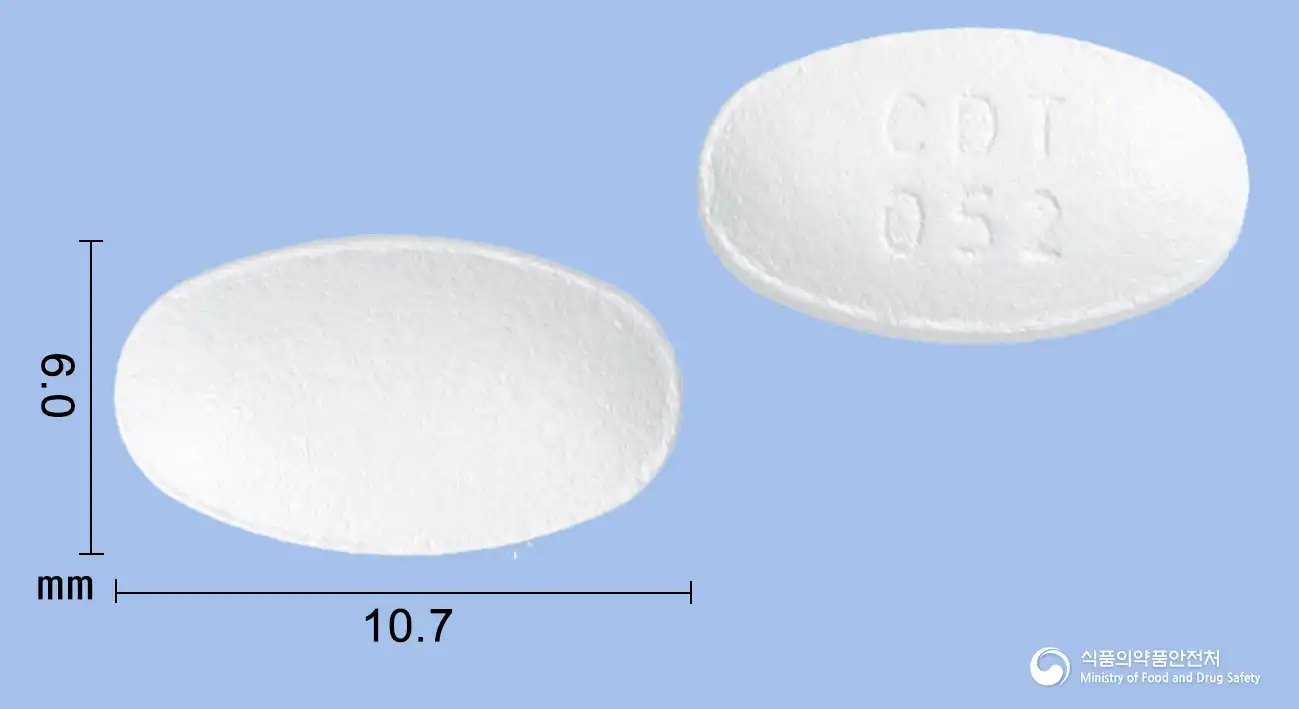 Combination
Atorvastatin Calcium Trihydrate 21.7mg · Amlodipine Besylate 6.94mg
Tablet · Prescription medication · Combination
Viatrise Korea Co., Ltd.
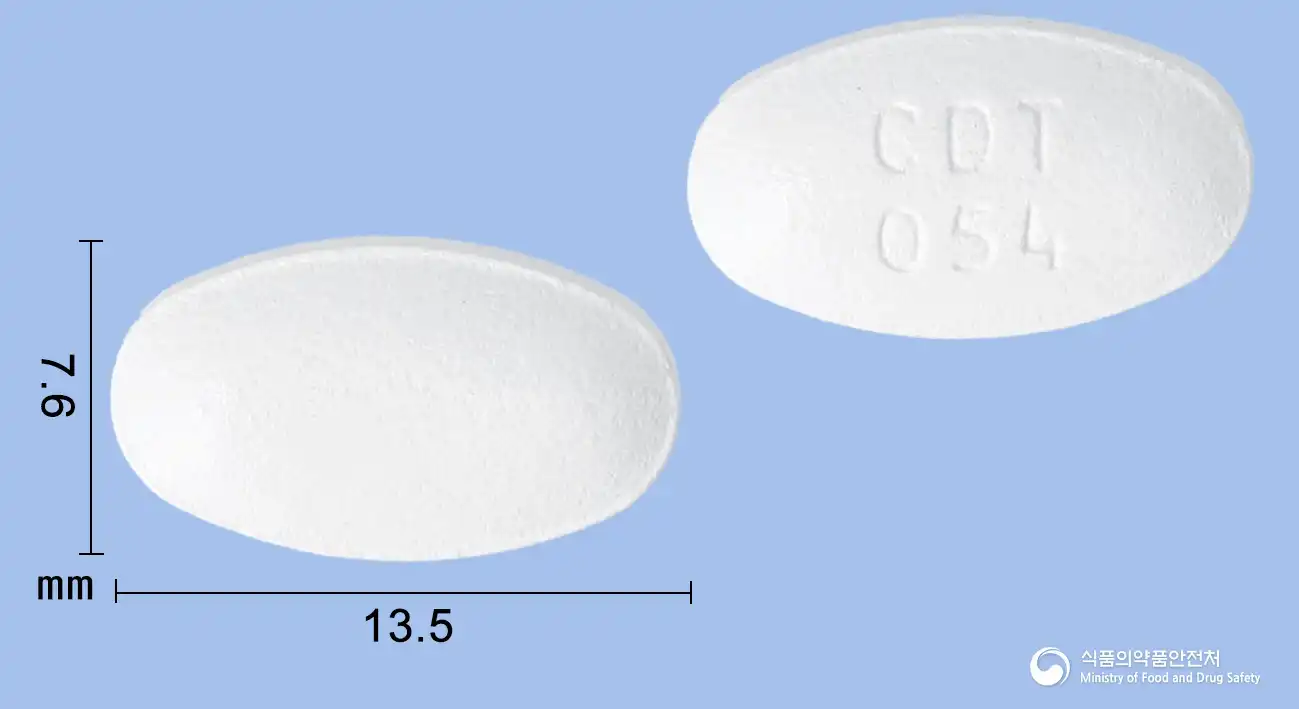 Combination
Atorvastatin Calcium Trihydrate 43.4mg · Amlodipine Besylate 6.94mg
Tablet · Prescription medication · Combination
Viatris Korea Co., Ltd.
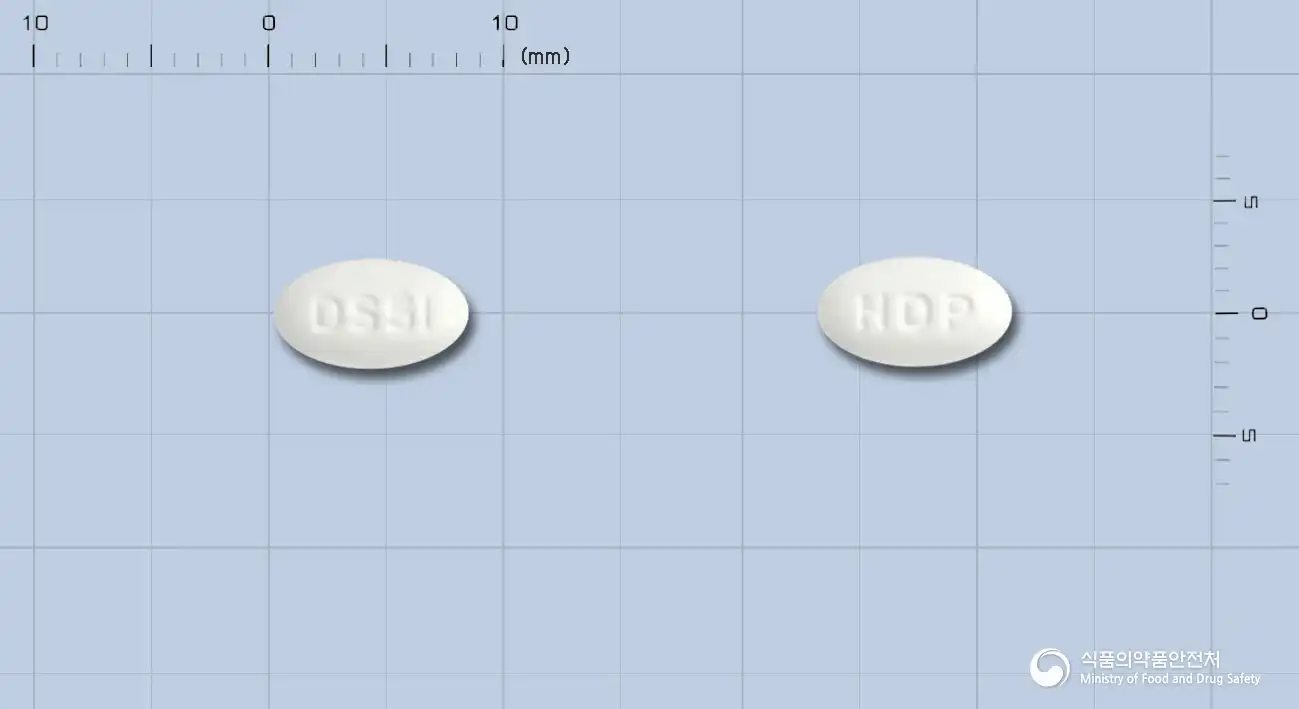 Combination
Atorvastatin Calcium Hydrate 10.85mg · Amlodipine Besylate 6.94mg
Tablet · Prescription medication · Combination
Hyundai Pharmaceutical Co., Ltd.
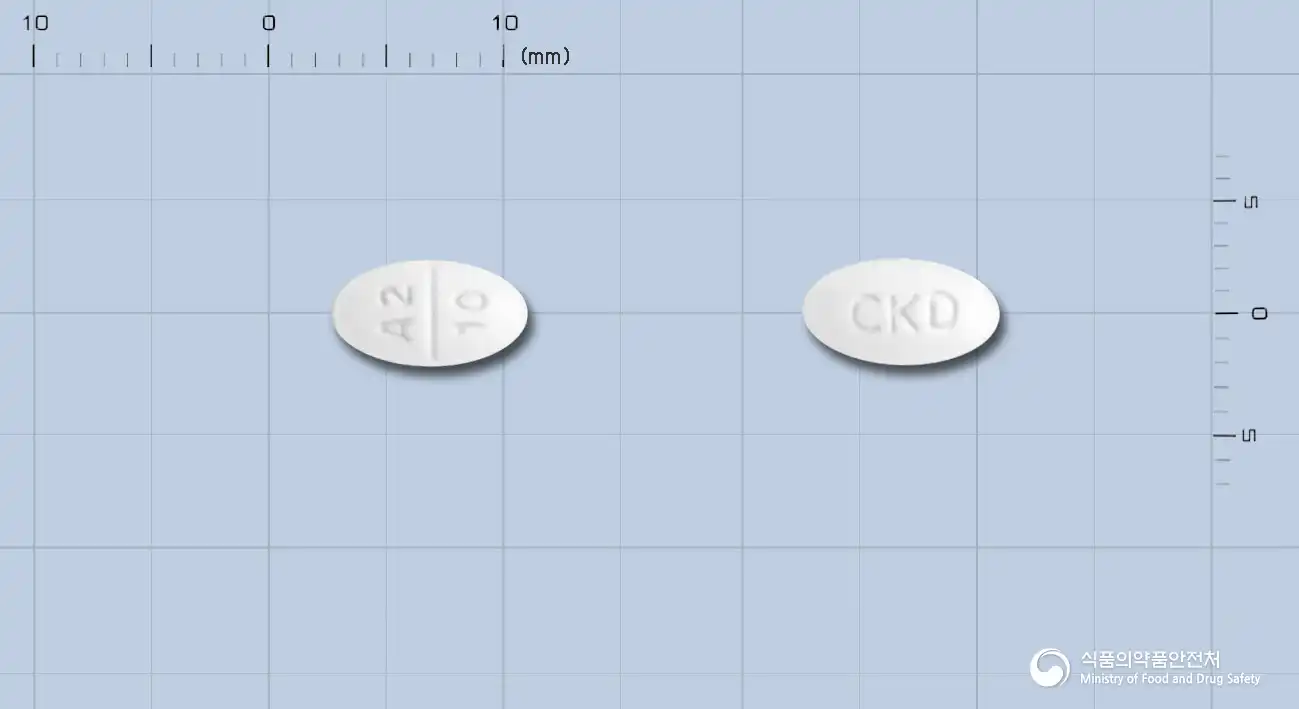 Combination
Amlodipine Besylate 6.94mg · Atorvastatin Calcium Trihydrate 10.36mg
Tablet · Prescription medication · Combination
Jongkundang Co., Ltd.
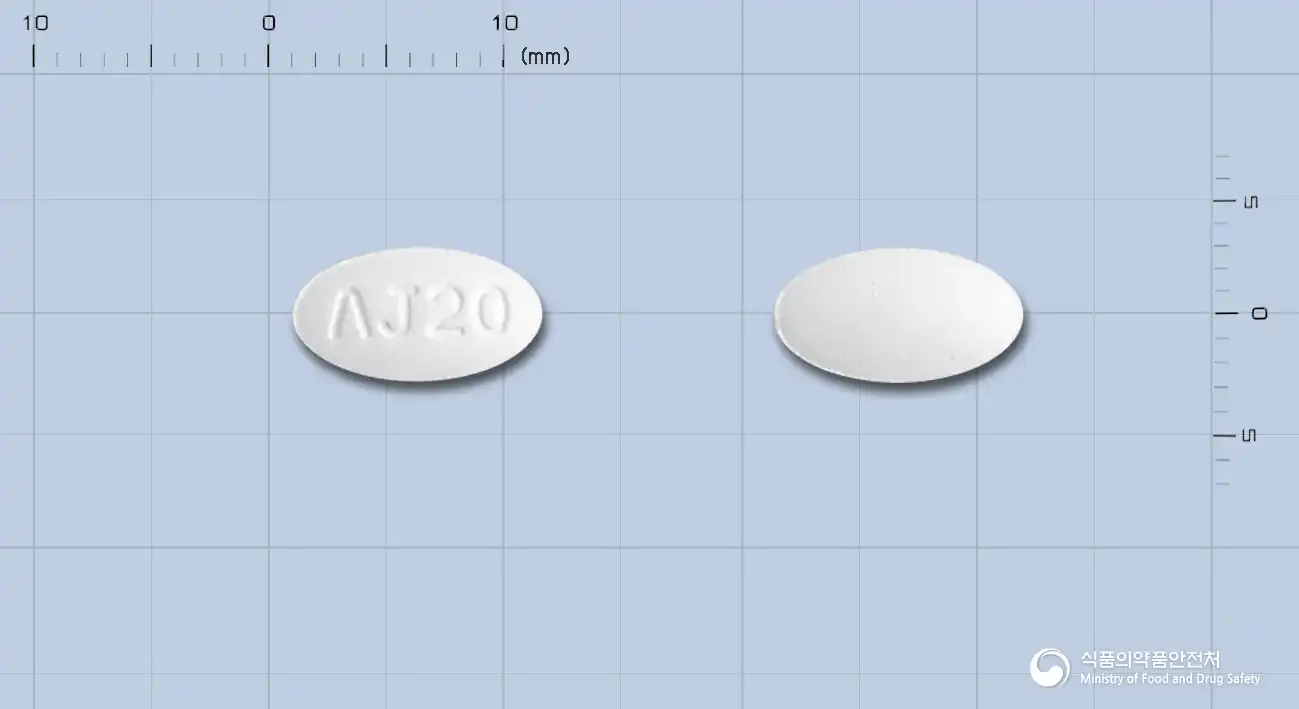 Combination
Atorvastatin Calcium 20.72mg · Amlodipine Besylate 6.94mg
Tablet · Prescription medication · Combination
Aju Pharmaceuticals Co., Ltd.
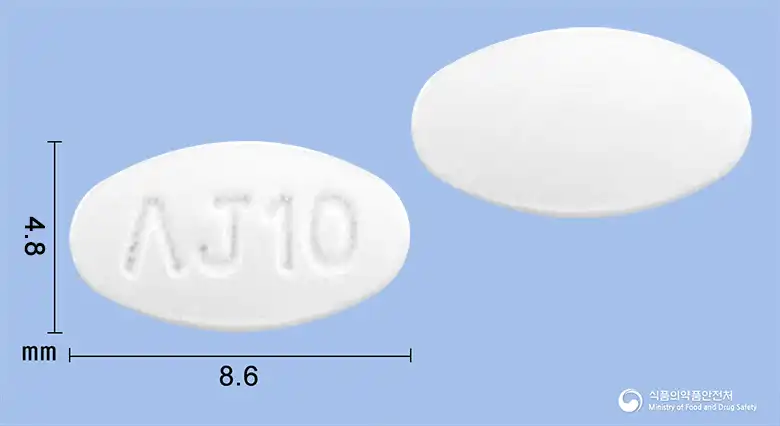 Combination
Atorvastatin Calcium 10.36mg · Amlodipine Besylate 6.94mg
Tablet · Prescription medication · Combination
Aju Pharmaceuticals Co., Ltd.
Even with the same ingredient, the dose and directions can differ by strength and dosage form. Talk to a doctor or pharmacist before switching from a medication you are already taking.
No questions yet.
For anything that needs medical judgment, consult a doctor or pharmacist.
This drug information is based on data provided by the Korea Ministry of Food and Drug Safety.
Consult a doctor or pharmacist for accurate dosage, administration, and usage instructions.