
 한국어
 English
 日本語
 中文(简体)
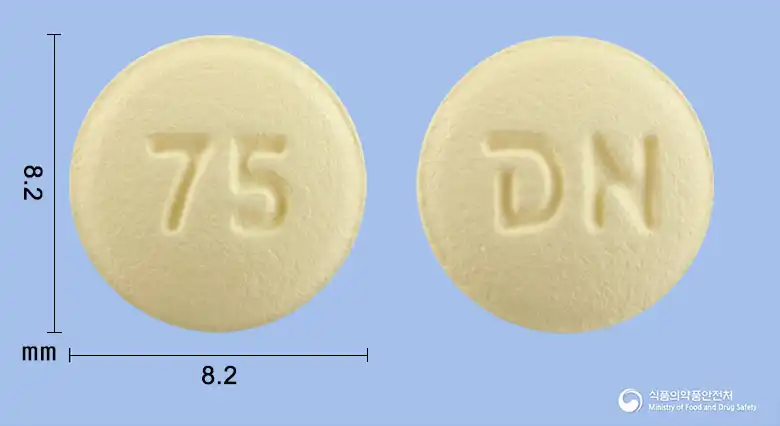 Viewing nowCombination
New Bica Tablet 5/40mg
Amlodipine Besylate 6.944mg · Olmesartan Medoxomil 40mg
Tablet · Prescription medication · Combination
Daehan Newpharm Co., Ltd.
MFDS item code 201601779 · Approved 2016.04.04 · Insurance code 669906690
Treatment of essential hypertension not controlled with monotherapy
Amlodipine or Olmesartan Medoxomil are medications used in the treatment of essential hypertension. These drugs effectively lower blood pressure when monotherapy does not adequately control it. By stabilizing blood pressure, they help improve cardiovascular health, making them crucial for the health management of patients with hypertension. These medications also contribute to the prevention of complications through blood pressure control. They are used for the treatment of essential hypertension.
Take 1 tablet once daily with water, with or without food. It is recommended that the medication be taken at the same time each day (e.g., in the morning), if possible. It is recommended that the dose of each individual component (amlodipine or olmesartan medoxomil) be adjusted before starting this medication; however, switching directly to this medication may be considered if blood pressure is not adequately controlled with monotherapy using either component. The maximum dose of this medication is 10/40 mg. The maximum blood pressure-lowering effect occurs within 2 weeks of administration; therefore, adjust the dose at intervals of at least 2 weeks, taking the patient's blood pressure response into consideration. The recommended doses are as follows: - 5/20 mg: For patients whose blood pressure is not adequately controlled with monotherapy using amlodipine 5 mg or olmesartan medoxomil 20 mg. - 10/20 mg: For patients whose blood pressure is not adequately controlled with monotherapy using olmesartan medoxomil 20 mg. - 5/40 mg: For patients whose blood pressure is not adequately controlled with 5/20 mg. - 10/40 mg: For patients whose blood pressure is not adequately controlled with 5/40 mg. ○ Patients with renal impairment: This medication has not been studied in patients with renal impairment. However, the maximum dose of olmesartan medoxomil for patients with mild to moderate renal impairment (creatine clearance 20-60mL/min) is 20 mg once daily. Use of this medication is not recommended in patients with moderate to severe renal impairment (e.g., creatinine clearance < 20 mL/min) or in patients undergoing dialysis. Monitoring of potassium and creatinine levels is recommended in patients with moderate renal impairment. ○ Patients with reduced effective intravascular volume: In patients who may have reduced effective intravascular volume (e.g., patients receiving diuretics, particularly those with renal impairment), it is recommended to initiate treatment at a low dose while closely monitoring their condition. ○ Patients with hepatic impairment: Use caution when administering this medication to patients with mild to moderate hepatic impairment. The recommended initial dose of olmesartan medoxomil in patients with moderate hepatic impairment is 10 mg once daily, and the maximum dose is 20 mg once daily. Blood pressure and renal function should be closely monitored in patients with hepatic impairment who are already receiving other antihypertensive drugs and/or diuretics. This medication should not be administered to patients with severe hepatic impairment. (See section 2, “Patients who should not receive this medication,” under Precautions for Use.) ○ Older adults: In general, initiate treatment at a low dose. When adjusting the dose, consider the patient's renal or cardiac function and comorbidities. Blood pressure should be monitored closely and more frequently in older adults.
Safety and efficacy have not been established in pediatric patients under 18 years of age.
This medication may cause serious harm to the fetus and newborn if taken during the second and third trimesters of pregnancy; therefore, it should be discontinued immediately upon confirmation of pregnancy. Individuals with allergies to this medication's active ingredients or similar substances, pregnant or breastfeeding women, patients with severe liver impairment, or certain heart conditions should not take this medication. Patients with low fluid or salt levels may experience symptoms of hypotension when initially taking this medication; therefore, they should be monitored closely and receive appropriate treatment if necessary. Acute hypotension may rarely occur as blood vessels dilate, so special care is needed for patients with specific heart diseases when taking this medication. Patients with heart failure should use this medication cautiously, and those with impaired kidney function may experience further deterioration of kidney function and should be periodically evaluated. Patients with liver impairment may have slower metabolism of this medication, requiring dosage adjustment or special attention. Various side effects such as dizziness, headache, hypotension, indigestion, and skin rash may occur when taking this medication; if any unusual symptoms arise, consult a physician. In particular, there may be interactions with other blood pressure medications or specific drugs, so always inform your doctor of any other medications you are taking. This medication should not be used during pregnancy, and if you plan to become pregnant or are currently pregnant, consult your doctor for safe treatment options. If you are breastfeeding, this medication may be passed into breast milk and could affect your baby, thus requiring either cessation of breastfeeding or discontinuation of the medication. The safety and efficacy of this medication in children under 18 years of age have not been established, and its use is not recommended for this age group. Elderly patients over 65 years of age may react more sensitively to this medication, so dosage should be adjusted appropriately and used with caution. In case of overdose, severe hypotension and blood vessel dilation may occur, requiring immediate hospital attention and appropriate treatment. This medication should be stored in a place protected from moisture, heat, and direct sunlight, out of reach of children, and should not be transferred to another container.
Not everyone experiences these, and they can vary from person to person.
This medication may be sensitive to air and moisture, so it should be stored in a sealed container. It is best to maintain storage temperatures between 1 degree and 30 degrees Celsius to preserve its effectiveness.
Light yellow round film-coated tablet
30 tablets/box [10 tablets/Alu-Alu*3]
Even with the same ingredient, strength, dosage form and how it is taken can differ.
Viewing nowCombinationAmlodipine Besylate 6.944mg · Olmesartan Medoxomil 40mg
Tablet · Prescription medication · Combination
Daehan Newpharm Co., Ltd.
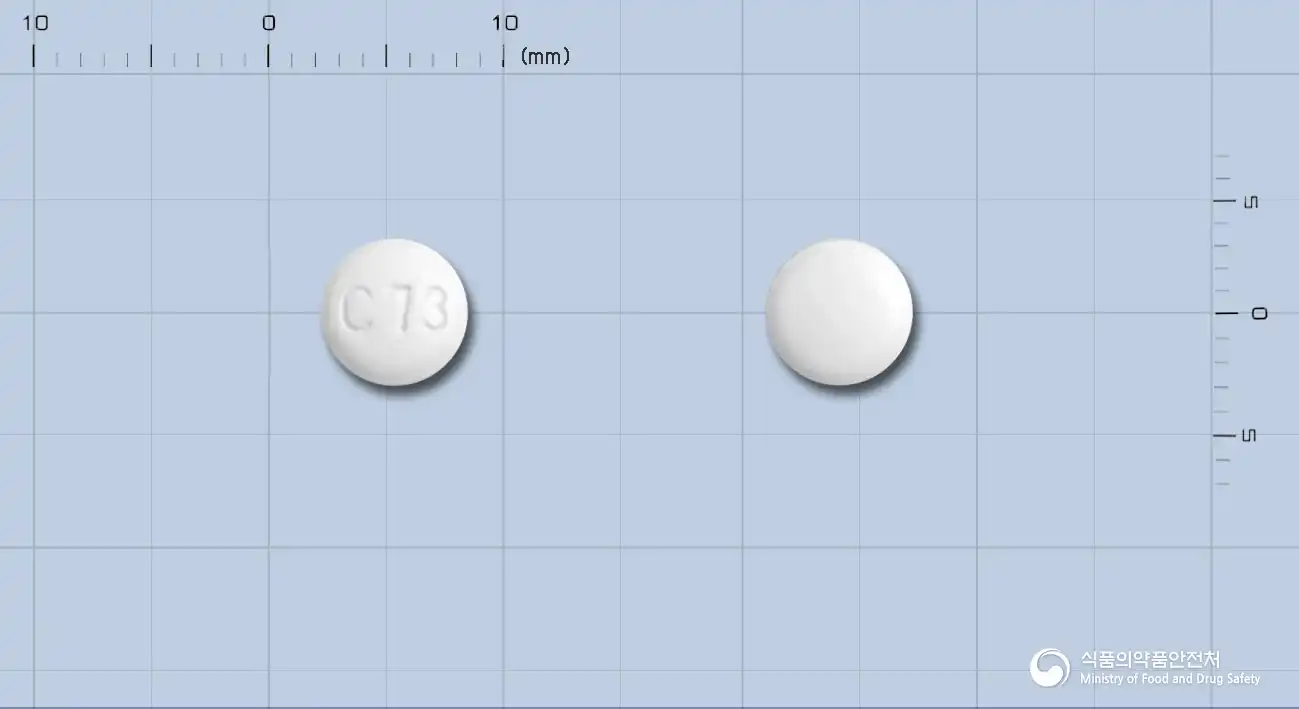 Combination
Olmesartan Medoxomil 20mg · Amlodipine Besylate 6.944mg
Tablet · Prescription medication · Combination
Korea Daiichi Sankyo Co., Ltd.
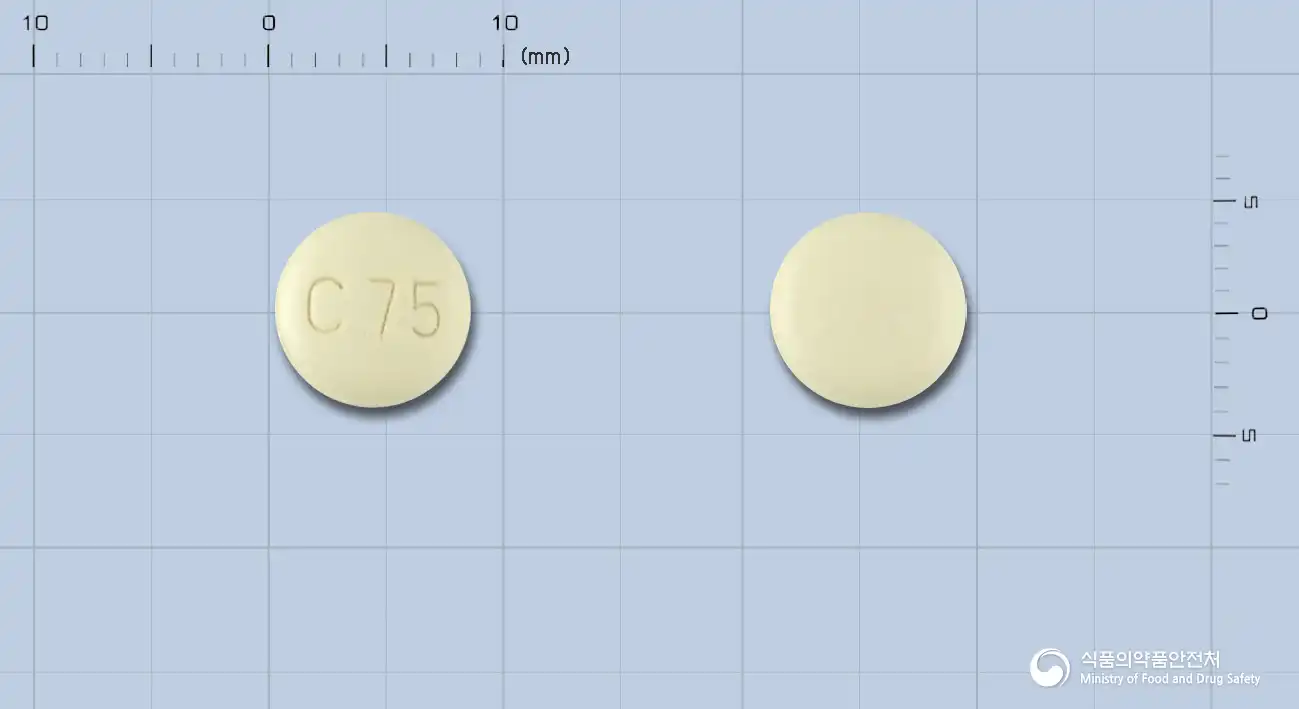 Combination
Olmesartan Medoxomil 40mg · Amlodipine Besylate 6.944mg
Tablet · Prescription medication · Combination
Korea Daiichi Sankyo Co., Ltd.
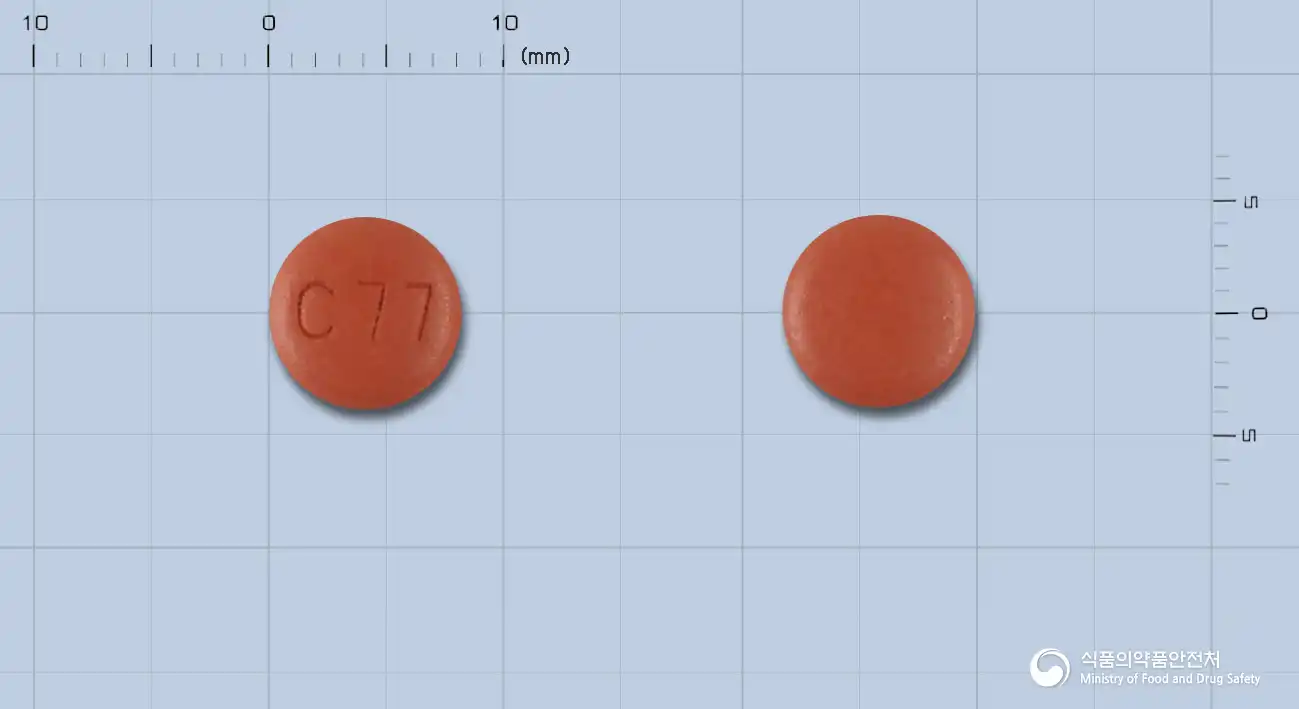 Combination
Olmesartan Medoxomil 40mg · Amlodipine Besylate 13.888mg
Tablet · Prescription medication · Combination
Hanmi Daiichi Sankyo Co., Ltd.
Olmesartan Medoxomil · Amlodipine Besylate
Prescription medication · Combination
SYNEX Co., Ltd.
Olmesartan Medoxomil · Amlodipine Besylate
Prescription medication · Combination
Co., Ltd. Sainex
Olmesartan Medoxomil · Amlodipine Besylate
Prescription medication · Combination
SYNEX Co., Ltd.
 Combination
Amlodipine Besylate 6.944mg · Olmesartan Medoxomil 40mg
Tablet · Prescription medication · Combination
Huons Co., Ltd.
Even with the same ingredient, the dose and directions can differ by strength and dosage form. Talk to a doctor or pharmacist before switching from a medication you are already taking.
No questions yet.
For anything that needs medical judgment, consult a doctor or pharmacist.
This drug information is based on data provided by the Korea Ministry of Food and Drug Safety.
Consult a doctor or pharmacist for accurate dosage, administration, and usage instructions.