
 한국어
한국어 English
 日本語
日本語 中文(简体)
 Viewing now
Conblox Tablet 10 mg (Bisoprolol Fumarate)
Bisoprolol Fumarate 10mg
Tablet · Prescription medication
Ellison Pharmaceutical Co., Ltd.
MFDS item code 201600298 · Approved 2016.01.18 · Insurance code 620500150
Improvement of hypertension and angina, treatment of stable chronic heart failure
Hypertension and angina are representative cardiovascular diseases, and this medication is used to lower blood pressure and reduce the burden on the heart. Additionally, in the treatment of stable chronic heart failure with decreased left ventricular contraction function, it improves heart function and alleviates symptoms when used in conjunction with ACE inhibitors, diuretics, and if necessary, cardiac glycosides. Therefore, this medication is effectively used not only for treating hypertension and angina, but also for managing chronic heart failure.
Administer orally once a day either on an empty stomach in the morning or during breakfast without chewing, along with a beverage. 1. Hypertension, angina: Administer 5-10 mg of bisoprolol fumarate orally once daily. For mild cases, 5 mg is sufficient, while for severe cases, 10 mg is used. In special cases, a maximum of 20 mg may be administered per day. 2. Stable chronic heart failure: Start with an initial dose of 1.25 mg, observing tolerability over time, and after 2 weeks or more, the dose may be gradually increased.
Experience in using this medication for children is lacking, so administration is not recommended.
This medication should be used with caution as there is no experience in using it for patients with certain diseases or conditions among heart failure patients. Patients with bronchial asthma or chronic obstructive pulmonary disease should use it together with bronchodilators, and in asthma patients, increased airway resistance may necessitate dosage adjustments. Like other beta blockers, this medication may increase the risk of allergic reactions, and adrenaline treatment may not always be effective. Patients with psoriasis or a history of psoriasis should carefully consider the risks and benefits of using this medication. Patients with pheochromocytoma should use this medication after administration of alpha blockers, and symptoms of hyperthyroidism may be masked by this medication. Regular health monitoring is required during the initial administration, and sudden discontinuation may worsen heart conditions, so the dosage should be gradually decreased. This medication should not be used in patients with diabetic ketoacidosis, severe bradycardia, cardiogenic shock, acute heart failure, and certain other cardiac and metabolic diseases. Pregnant women or women who may become pregnant should not take this medication, and it is recommended to avoid use during breastfeeding. Safety for pediatric patients has not been established, so use is not recommended. Elderly patients should start with a low dose and use cautiously, and dosage adjustments may be necessary for those with impaired liver or kidney function. This medication may affect driving or operating machinery, so caution is required, especially at the beginning of treatment or when changing medications. In case of overdose, symptoms such as bradycardia, hypotension, bronchospasm may occur, and in such cases, immediate medical treatment should be sought. This medication can interact with several other drugs, so it is essential to inform healthcare providers of any other medications being taken. Long-term use requires regular monitoring of heart function as well as liver and kidney function, and if any abnormal symptoms occur, immediate consultation with a doctor is advised.
Severe allergic reactions (hives, severe swelling, chest tightness, difficulty breathing, cold sweat, paleness), severe skin reactions (severe rash with fever, blisters, skin peeling, pain in the mouth/eyes), respiratory problems (shortness of breath or difficulty breathing, asthma attacks, cough with fever accompanying respiratory abnormalities), liver abnormalities (yellowing of the skin or eyes, generalized fatigue), serious neurological symptoms (sudden and severe reactions)
Not everyone experiences these, and they can vary from person to person.
This medication must be stored in a tightly sealed container to protect it from air and moisture. It is important to maintain a storage temperature between 1 degree and 30 degrees Celsius.
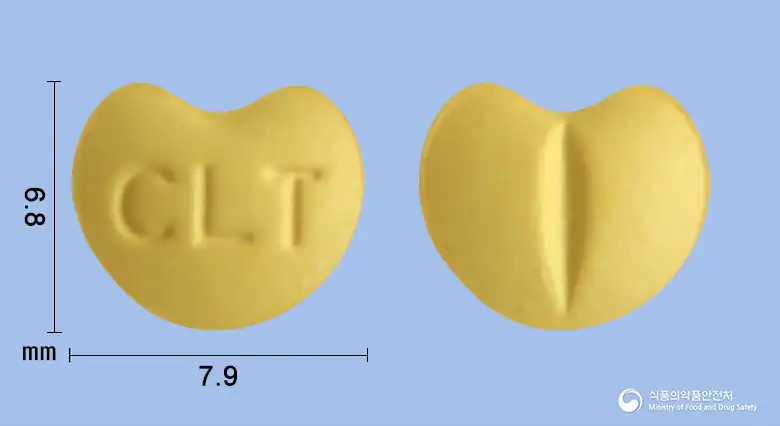
Dark yellow film-coated tablets in a heart shape with a break line on one side and bulging on both sides.
30 tablets/bottle, 100 tablets/bottle, 300 tablets/bottle
Even with the same ingredient, strength, dosage form and how it is taken can differ.
Viewing nowBisoprolol Fumarate 10mg
Tablet · Prescription medication
Ellison Pharmaceutical Co., Ltd.
Bisoprolol Fumarate 5mg
Tablet · Prescription medication
Merck Co., Ltd.
Bisoprolol Fumarate 2.5mg
Tablet · Prescription medication
Merck Co., Ltd.
Bisoprolol Fumarate 5mg
Tablet · Prescription medication
Celix Co., Ltd.
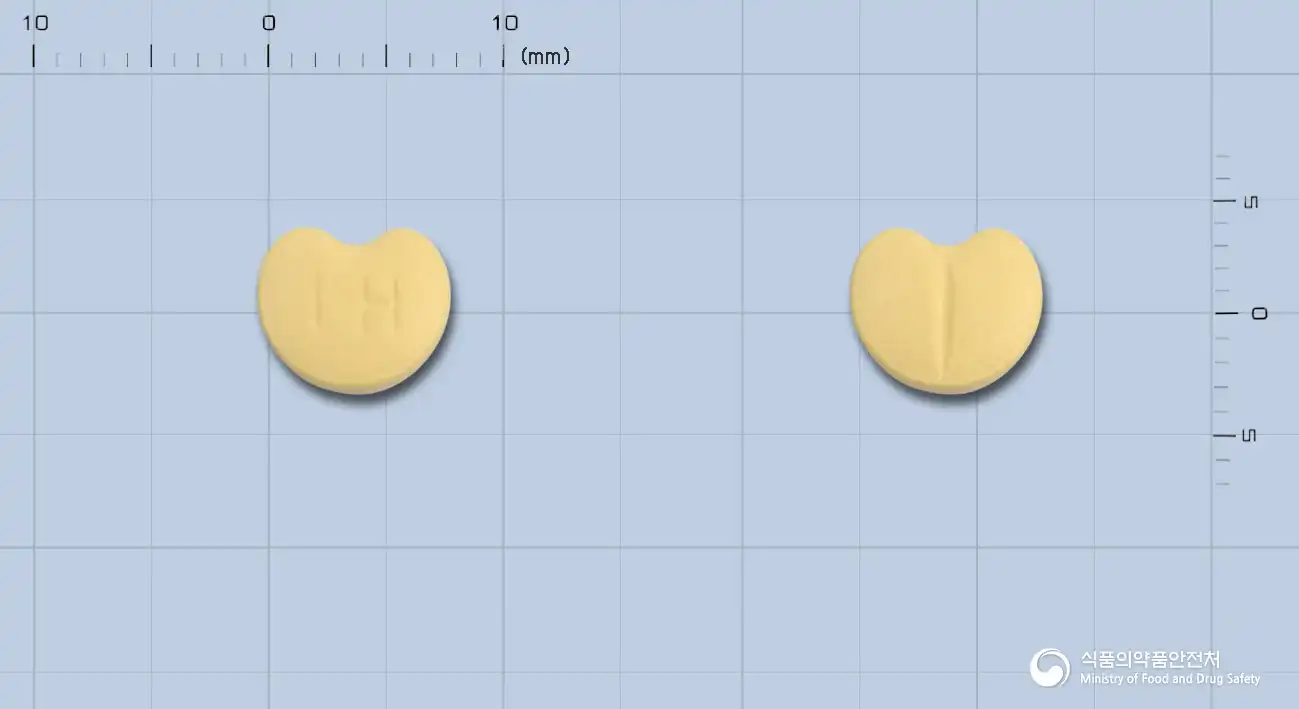
Bisoprolol Fumarate 5mg
Tablet · Prescription medication
Ilhwa Co., Ltd.
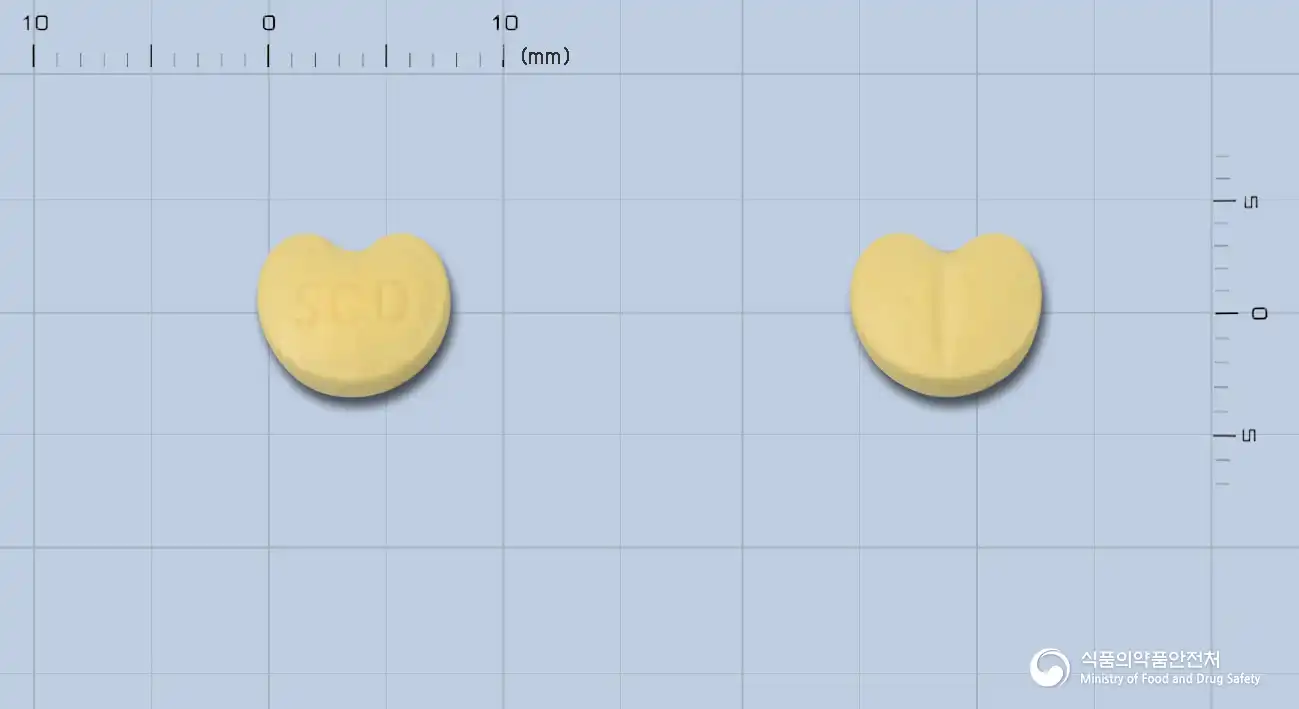
Bisoprolol Fumarate 5mg
Tablet · Prescription medication
Samchundang Pharmaceutical Co., Ltd.
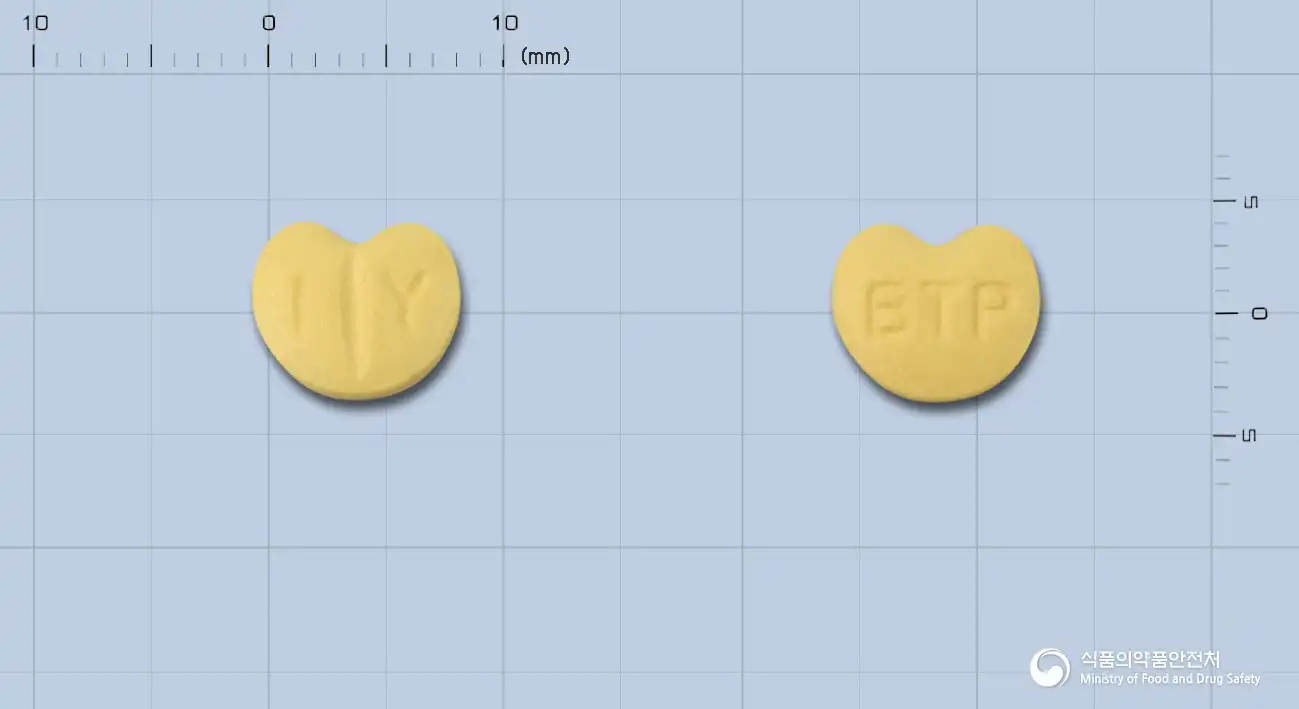
Bisoprolol Fumarate 5mg
Tablet · Prescription medication
Il Yang Pharmaceutical Co., Ltd.
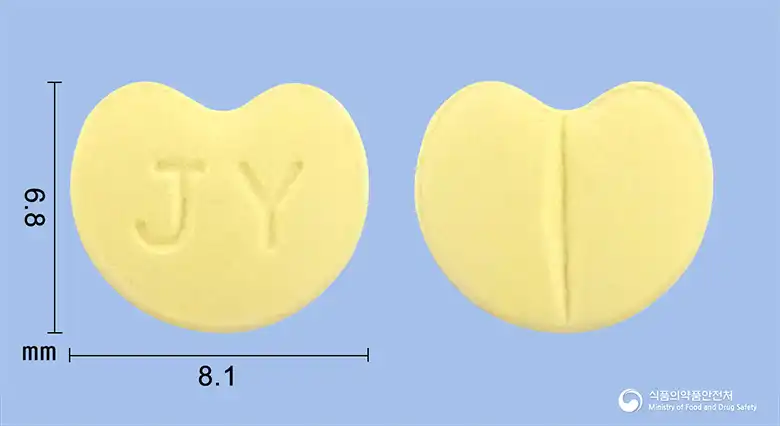
Bisoprolol Fumarate 5mg
Tablet · Prescription medication
Jinyang Pharmaceutical Co., Ltd.
Even with the same ingredient, the dose and directions can differ by strength and dosage form. Talk to a doctor or pharmacist before switching from a medication you are already taking.
No questions yet.
For anything that needs medical judgment, consult a doctor or pharmacist.
This drug information is based on data provided by the Korea Ministry of Food and Drug Safety.
Consult a doctor or pharmacist for accurate dosage, administration, and usage instructions.