
 한국어
 English
 日本語
 中文(简体)
Dosage form image
Viewing nowAbilify Maintena Injection 300 mg (Aripiprazole Monohydrate)
Aripiprazole Monohydrate 312mg
Prescription medication
Otsuka Pharmaceutical Co., Ltd.
MFDS item code 201508422 · Approved 2015.12.23 · Insurance code 649900411
Treatment of schizophrenia; monotherapy maintenance treatment of bipolar I disorder
This medication is used for the treatment of schizophrenia and helps stabilize the mental health of patients. Additionally, it is used alone for the maintenance treatment of bipolar disorder type 1 to regulate mood swings and prevent relapse. It acts effectively on major mental disorders and improves the quality of life for patients.
1. Adults: This medicine is for intramuscular use only. Patients who have never taken aripiprazole should establish tolerability with oral aripiprazole before starting treatment with this medicine. In view of the half-life of oral aripiprazole, tolerability should be adequately evaluated over 2 weeks. The starting dose may be administered using either of the following two initiation regimens. ‧ 1-injection initiation regimen: On the day of initiation, continue taking oral aripiprazole (10-20mg) for 14 days, with the dose appropriately adjusted from the previously taken dose, to achieve therapeutic concentrations of aripiprazole. Patients whose tolerability to aripiprazole has already been established and who are stabilized on another oral antipsychotic should continue taking their current antipsychotic for 14 days after starting this medicine to maintain therapeutic antipsychotic concentrations. ‧ 2-injection initiation regimen: On the day of initiation, administer 2 injections of this medicine 400mg into different injection sites ('4. Method of Administration'), together with a single oral dose of aripiprazole 20mg. The 2-injection initiation regimen may be used when switching to this medicine in patients who are currently receiving oral aripiprazole at a stabilized dose. The recommended maintenance dose of this medicine is 400mg monthly (the interval between doses must be at least 26 days). If adverse reactions occur with the 400mg dose, consider reducing the dose to 300mg. 2. Missed doses 1) If the second or third dose is missed, ‧ If 4 weeks or more but less than 5 weeks have elapsed since the last dose, administer the dose as soon as possible. ‧ If 5 weeks or more have elapsed since the last dose, restart concomitant oral aripiprazole for 14 days with the next dose, or administer 2 injections into different injection sites together with a single oral dose of aripiprazole 20mg. Thereafter, resume the monthly injection schedule. 2) If the fourth or a subsequent dose is missed, ‧ If 4 weeks or more but less than 6 weeks have elapsed since the last dose, administer the dose as soon as possible. ‧ If 6 weeks or more have elapsed since the last dose, restart concomitant oral aripiprazole for 14 days with the next dose, or administer 2 injections into different injection sites together with a single oral dose of aripiprazole 20mg. Thereafter, resume the monthly injection schedule. 3. Dose adjustment in consideration of CYP450 interactions Dose adjustment is necessary in CYP2D6 poor metabolizers because their blood concentrations of aripiprazole are increased. For CYP2D6 poor metabolizers and patients receiving this medicine 400mg who are also taking a strong CYP2D6 inhibitor or a strong CYP3A4 inhibitor for more than 14 days, dose adjustment to 300mg is recommended (Table 1). Concomitant use of a strong CYP3A4 inhibitor or a strong CYP2D6 inhibitor with this medicine for more than 14 days should be avoided because it may increase aripiprazole concentrations (except when a patient receiving this medicine 400mg is also taking a strong CYP2D6 inhibitor or a strong CYP3A4 inhibitor) (Table 1). If a CYP3A4 or CYP2D6 inhibitor is discontinued, the dose of this medicine may need to be increased. Concomitant use of a CYP3A4 inducer with this medicine for more than 14 days should be avoided because it may decrease blood concentrations of aripiprazole to below the effective concentration. Dose adjustment is not recommended for patients taking a CYP3A4 inhibitor, CYP2D6 inhibitor, or CYP3A4 inducer concomitantly for 14 days or less. Table 1. Dose adjustment for CYP2D6 poor metabolizers and patients taking a CYP2D6 inhibitor or CYP3A4 inhibitor and/or CYP3A4 inducer concomitantly for more than 14 days Dose adjustment factor Dose CYP2D6 poor metabolizer CYP2D6 poor metabolizer 300mg CYP2D6 poor metabolizer taking a CYP3A4 inhibitor concomitantly Avoid use Patients receiving this medicine 400mg Strong CYP2D6 inhibitor or strong CYP3A4 inhibitor 300mg CYP2D6 and CYP3A4 inhibitors Avoid use CYP3A4 inducer Avoid use Patients receiving this medicine 300mg Strong CYP2D6 or CYP3A4 inhibitor Avoid use CYP2D6 and CYP3A4 inhibitors Avoid use CYP3A4 inducer Avoid use 4. Method of Administration For intramuscular injection only into the deep deltoid or gluteal muscle. Do not administer intravenously or subcutaneously. Take care to avoid inadvertent injection into a blood vessel. After reconstitution, inject the entire contents of the syringe immediately once monthly. For the next injection, alternate to the opposite deltoid or gluteal muscle. When starting this medicine using the 2-injection initiation regimen, inject into two different sites in two different muscles. Do not administer both injections simultaneously into the same deltoid or gluteal muscle (see 'Precautions for Use').
This medication should not be used in elderly patients with dementia-related psychiatric disorders as it may increase the risk of serious cerebrovascular events such as stroke. There is a risk of suicidal thoughts or actions during treatment, so especially pediatric, adolescent, and young adult patients require careful observation by a doctor. Symptoms of neuroleptic malignant syndrome, which can be fatal, may occur; if high fever, muscle rigidity, or changes in mental state occur, notify healthcare personnel immediately. Prolonged use may result in irreversible extrapyramidal symptoms, so it is important to continuously monitor for these symptoms during long-term use. Patients with diabetes or those at risk for diabetes need to regularly monitor their blood sugar levels, and should consult healthcare personnel immediately if high blood sugar symptoms occur. This medication may increase the risk of thrombosis, so patients with risk factors for thrombosis should consult a doctor before use. Patients with hypersensitivity should not use this medication, and those with a history of seizures or orthostatic hypotension, as well as cognitive or motor impairment, should use it cautiously. Pregnant or nursing women should consult a doctor before use as it may affect the fetus or newborn. Avoid alcohol consumption while using this medication and exercise caution when combined with other central nervous system drugs. Also, this medication should only be administered by intramuscular injection, and it is important to follow the administration site and method accurately.
Stroke, Transient Ischemic Attack, Drowsiness, Somnolence, Incontinence, Excessive Salivation, Dizziness, Weight Gain, Akathisia, Injection Site Pain, Sedation, Constipation, Dry Mouth, Diarrhea, Vomiting, Abdominal Discomfort, Upper Respiratory Infection, Weight Loss, Arthralgia, Back Pain, Myalgia, Musculoskeletal Pain, Tremor, Congestion, Thrombocytopenia, Tachycardia, Bradycardia, Arrhythmia, Hypoprolactinemia, Blurred Vision, Oculomotor Seizures, Upper Abdominal Pain, Dyspepsia, Nausea, Swollen Tongue, Fatigue, Injection Site Reaction, Chest Discomfort, Gait Disturbance, Hypersensitivity, Fever, Drug-Induced Liver Injury, Drug Hypersensitivity, Pharyngitis, Increased Serum Creatine Kinase, Decreased Blood Pressure, Increased Liver Enzymes, Abnormal Liver Function Tests, QT Prolongation on ECG, Decreased Serum Triglycerides, Decreased Serum Cholesterol, Abnormal T-Wave on ECG, Decreased Appetite, Obesity, Hyperinsulinemia, Muscle Rigidity, Muscle Contraction, Trismus, Rhabdomyolysis, Extrapyramidal Symptoms, Hypersomnia, Bradykinesia, Seizures, Dysgeusia, Cognitive Impairment, Jaw Muscle Tension Abnormality, Anxiety, Insomnia, Restlessness, Agitation, Teeth Grinding, Psychotic Disorder, Suicidal Thoughts, Aggression, Hypersexuality, Panic Attack, Diabetes, Polyuria, Urinary Incontinence, Delayed Ejaculation, Hypertension, Stuttering, Hyperactivity, Sleep Disorders, Palpitations, Disturbing Thoughts, Numbness, Hallucinations, Gastrointestinal Dysfunction, Sialorrhea, Urinary Disorders, Worsening of Schizophrenia, Depression, Perceptual Disturbance, Deterioration of General Health, Complications from Sedative Administration, Hesitancy in Urination, Agitation, Psychosis, Aggressive Responses, Inappropriate Laughter, Talking to Oneself, Muscle Tone Abnormality, Erythema, Headache, Rigidity, Syncope, Fainting, Orthostatic Hypotension, Syncope, Increased Serum Prolactin, Increased Blood Urea, Increased Serum Creatinine, Increased Serum Bilirubin, Increased Serum Lactate Dehydrogenase, Increased Glycated Hemoglobin, Anorexia, Hyponatremia, Hypoglycemia, Diabetic Ketoacidosis, Muscle Rigidity, Muscle Weakness, Muscle Tone, Reduced Movement, Muscle Cramping, Coordination Exercise Abnormalities, Speech Impairment, Reduced Activity, Decreased Muscle Tone, Myotonic Dystrophy, Akinetic Mutism, Hyperprolactinemia, Suicide Attempts, Hostility, Increased Libido, Anger, Sexual Arousal Disorder, Delirium, Intentional Self-Harm, Suicide, Tics, Homicidal Thoughts, Tension, Sleepwalking, Urinary Retention, Polyuria, Nocturia, Menstrual Irregularities, Erectile Dysfunction, Amenorrhea, Chest Pain, Gynecomastia, Priapism, Dyspnea, Throat and Neck Pain, Cough, Rash, Hyperhidrosis, Itching, Photosensitive Reaction, Hair Loss, Urticaria, Allergic, Contact Dermatitis, Seborrheic Dermatitis, Neurodermatitis, Drug Rash, Heat Stroke, Anaphylactic Reaction, Angioedema, Laryngeal Spasm, Pharyngeal Constriction, Blood Sugar Fluctuations, Pathological Gambling, Hiccups, Eosinophilia, Drug Reactions with Systemic Symptoms, Restless Legs Syndrome, Acidosis, Aggression, Increased Aspartate Aminotransferase, Atrial Fibrillation, Coma, Confusion, Seizures, Increased Serum Creatine Kinase, Altered Consciousness, Hypertension, Hypokalemia, Hypotension, Drowsiness, Loss of Consciousness, QRS Prolongation, QT Prolongation, Aspiration Pneumonia, Respiratory Arrest, Status Epilepticus, Tachycardia
Not everyone experiences these, and they can vary from person to person.
This medication may be sensitive to light, so it should be stored in an opaque, sealed container. It is important to maintain the storage temperature between 1 and 30 degrees Celsius.
A white to pale whitish freeze-dried substance in a clear glass prefilled syringe.
1.5 mL prefilled syringe X 1
Even with the same ingredient, strength, dosage form and how it is taken can differ.
Aripiprazole Monohydrate 312mg
Prescription medication
Otsuka Pharmaceutical Co., Ltd.
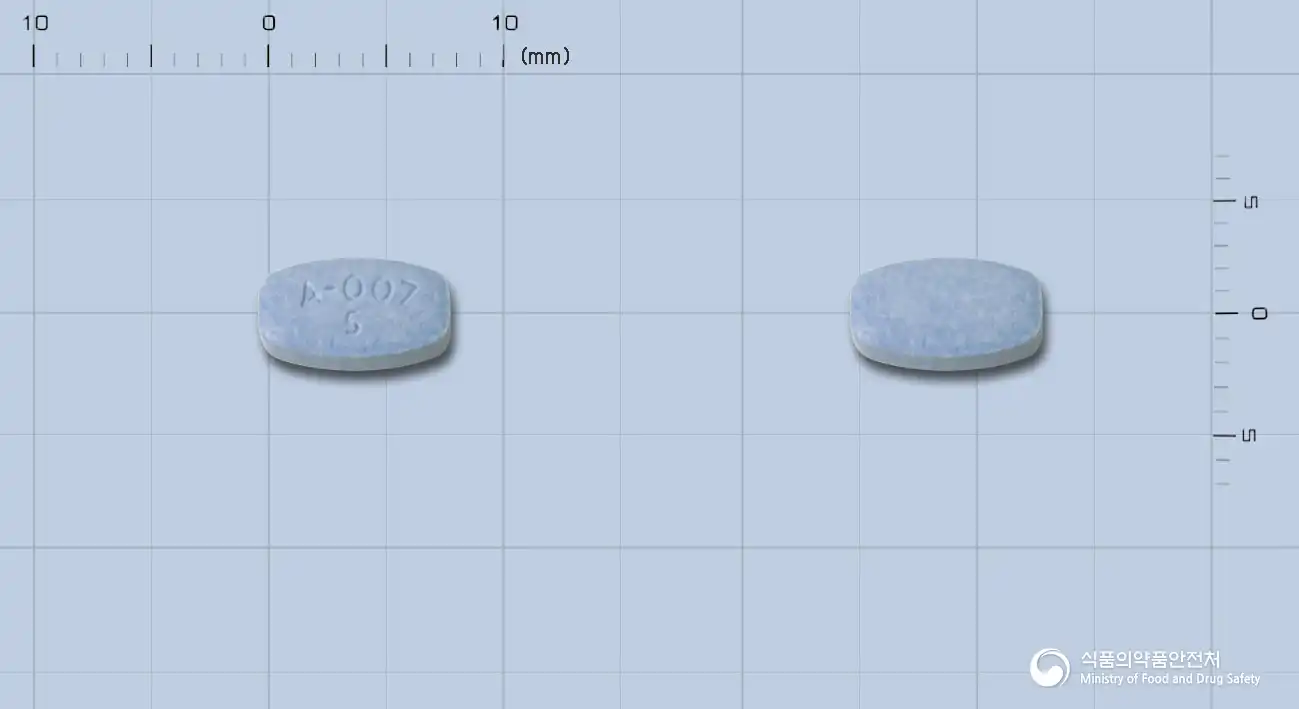
Aripiprazole 5mg
Tablet · Prescription medication
Otsuka Pharmaceutical Co., Ltd.
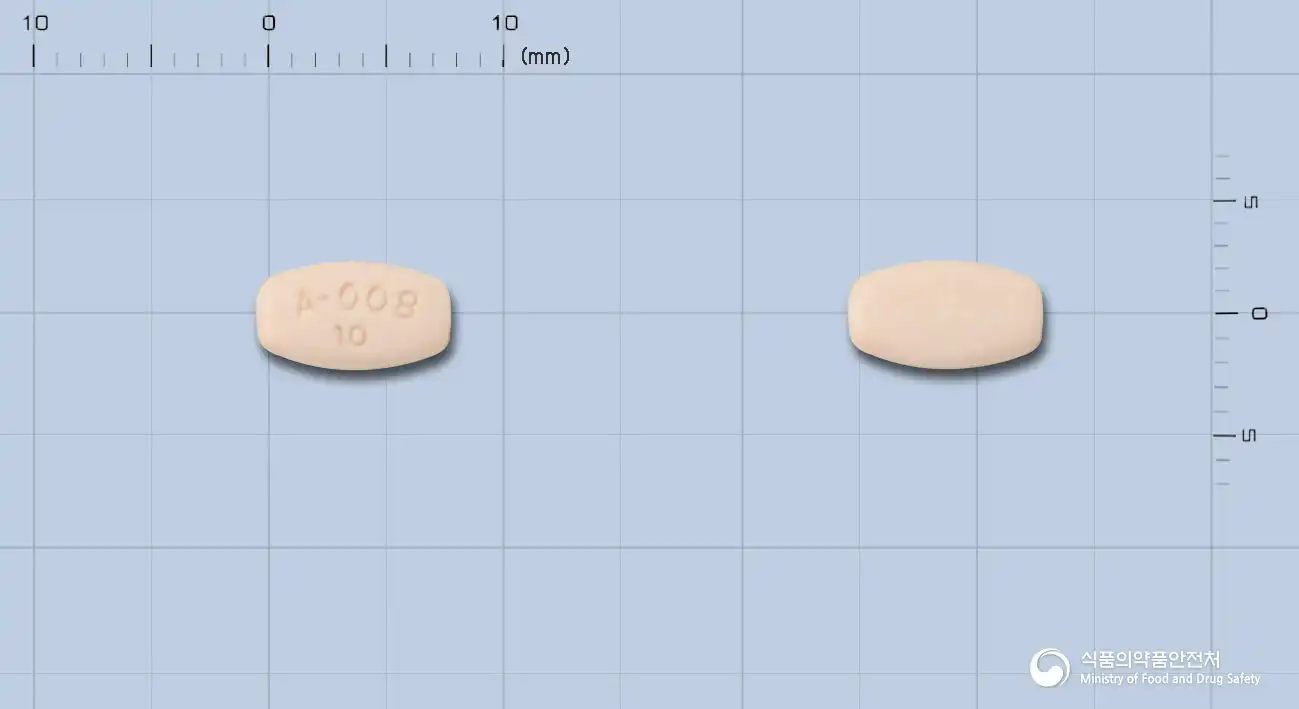
Aripiprazole 10mg
Tablet · Prescription medication
Otsuka Pharmaceutical Co., Ltd.

Aripiprazole 15mg
Tablet · Prescription medication
Otsuka Pharmaceutical Co., Ltd.

Aripiprazole 2mg
Tablet · Prescription medication
Korea Otsuka Pharmaceutical Co., Ltd.
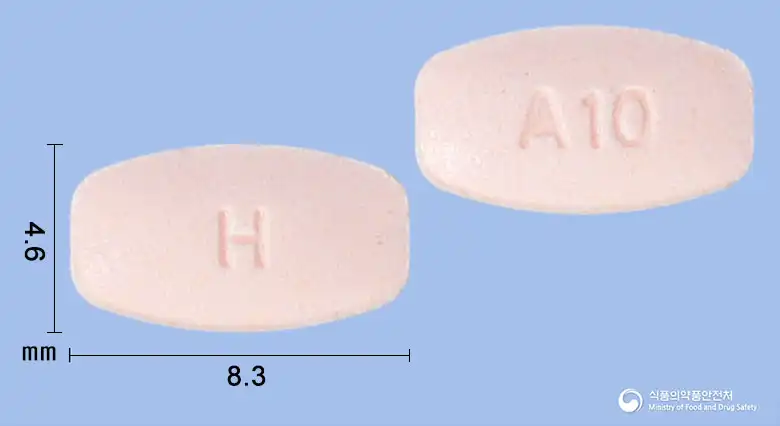
Aripiprazole 10mg
Tablet · Prescription medication
Hyundai Pharmaceutical Co., Ltd.

Aripiprazole 5mg
Tablet · Prescription medication
Hyundai Pharmaceutical Co., Ltd.
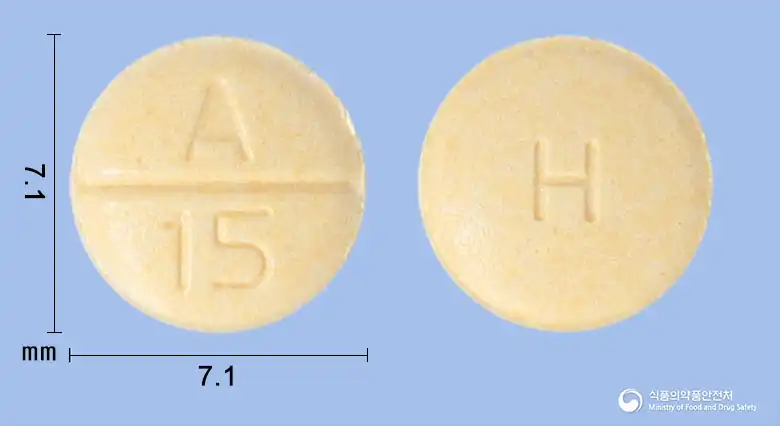
Aripiprazole 15mg
Tablet · Prescription medication
Hyundai Pharmaceutical Co., Ltd.
Even with the same ingredient, the dose and directions can differ by strength and dosage form. Talk to a doctor or pharmacist before switching from a medication you are already taking.
No questions yet.
For anything that needs medical judgment, consult a doctor or pharmacist.
This drug information is based on data provided by the Korea Ministry of Food and Drug Safety.
Consult a doctor or pharmacist for accurate dosage, administration, and usage instructions.