
 한국어
한국어 English
 日本語
日本語 中文(简体)
Dosage form image
Viewing nowSodium Loxoprofen Hydrate Tablet
Loxoprofen Sodium Hydrate 68.1mg
Tablet · Prescription medication
Shinil Pharmaceutical Co., Ltd.
MFDS item code 201506134 · Approved 2015.08.28
This product's status changed to Expired on 2025.08.28. It may no longer be sold, so consult a doctor or pharmacist before taking it.
Anti-inflammatory and analgesic effects for chronic rheumatoid arthritis and osteoarthritis, as well as antipyretic and analgesic effects for acute upper respiratory infections.
This medication alleviates pain caused by inflammation due to chronic rheumatoid arthritis, osteoarthritis, low back pain, adhesive capsulitis, and cervical radiculopathy. It also helps relieve inflammation and pain after surgery, trauma, and tooth extraction. It is effective in reducing fever and pain accompanying infectious diseases such as acute upper respiratory infections. It is used to reduce inflammation and improve pain and fever in various conditions, thereby alleviating patient discomfort.
1. For indications 1 and 2: Adults should take 60 mg of sodium loxoprofen (anhydrous) orally three times a day. For single therapy, 60-120 mg should be taken orally at one time. 2. For indication 3: Adults should take 60 mg of sodium loxoprofen (anhydrous) orally. Generally, it can be administered twice daily, with a maximum of 180 mg per day. It is preferable to avoid taking it on an empty stomach.
This medication may pose a risk of gastrointestinal bleeding in individuals who regularly consume three or more glasses of alcohol daily, and consultation with a doctor or pharmacist is essential. As it belongs to the non-steroidal anti-inflammatory drug (NSAID) class, patients with cardiovascular diseases or risk factors are at increased risk for myocardial infarction or stroke and should use caution. Serious gastrointestinal side effects such as bleeding, ulcers, and perforations may occur, so elderly patients or those with a history of gastrointestinal disorders should take it with care. Patients with peptic ulcers, severe blood disorders, heart failure, severe liver or kidney impairment, pregnant women in the late stage of pregnancy, breastfeeding mothers, and those with certain genetic disorders should not use this medication. Patients who have had side effects from NSAID use in the past, or those with asthma, hypertension, or blood coagulation disorders need to use caution when taking this medication. If symptoms of hypersensitivity appear during use, such as rash, itching, difficulty breathing, or low blood pressure, discontinue use immediately and consult a physician. If symptoms of gastrointestinal bleeding, abdominal pain, nausea, vomiting, or diarrhea occur, stop taking the medication immediately and seek appropriate treatment. Various side effects such as liver dysfunction, kidney impairment, blood disorders, respiratory problems, and cardiac side effects may arise, thus close observation of the patient's condition during use is imperative. This medication may interact with other NSAIDs or specific medications, so it is crucial to inform the doctor or pharmacist of any other medications being taken. It should be avoided during late pregnancy due to potential risk to the fetus, and it is also advisable not to use during breastfeeding. The safety of this medication in children has not been established, and elderly patients have a higher risk of adverse effects, thus should take it with caution. This medication should be taken at the minimum effective dosage for the shortest time necessary while closely monitoring its therapeutic effects and side effects. Store out of reach of children, and avoid transferring to other containers.
Hives, severe swelling (edema), chest tightness, difficulty breathing, cold sweat, paleness, severe rash with high fever, blisters, peeling skin, pain in mucous membranes of the mouth/eyes, difficulty breathing or shortness of breath, asthma attacks, abnormal breathing accompanied by cough and fever, yellowing of the skin or eyes (jaundice), extreme lethargy, sudden and severe headache, thunderclap headache, seizures, confusion, visual disturbances, paralysis, urination issues
Not everyone experiences these, and they can vary from person to person.
Store this medication in a tightly sealed container to protect it from air and moisture. It is advisable to maintain storage temperatures between 1 and 30 degrees Celsius at room temperature. This will help preserve the medication's efficacy and safety for a longer time.
White round tablet
30 tablets/bottle, 300 tablets/bottle
Even with the same ingredient, strength, dosage form and how it is taken can differ.
Loxoprofen Sodium Hydrate 68.1mg
Tablet · Prescription medication
Shinil Pharmaceutical Co., Ltd.
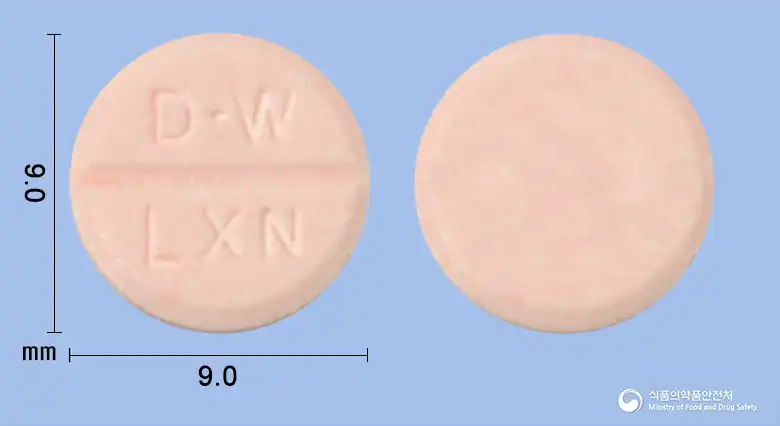
Loxoprofen Sodium Hydrate 68.1mg
Tablet · Prescription medication
Dongwha Pharmaceutical Co., Ltd.
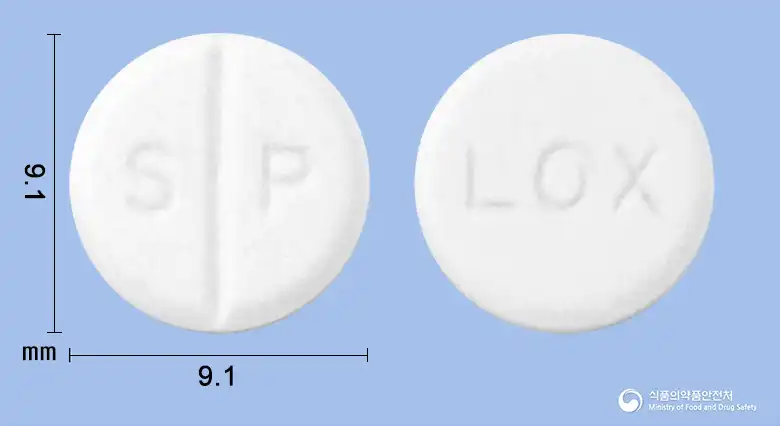
Loxoprofen Sodium Hydrate 68.1mg
Tablet · Prescription medication
Shinpoong Pharmaceutical Co., Ltd.
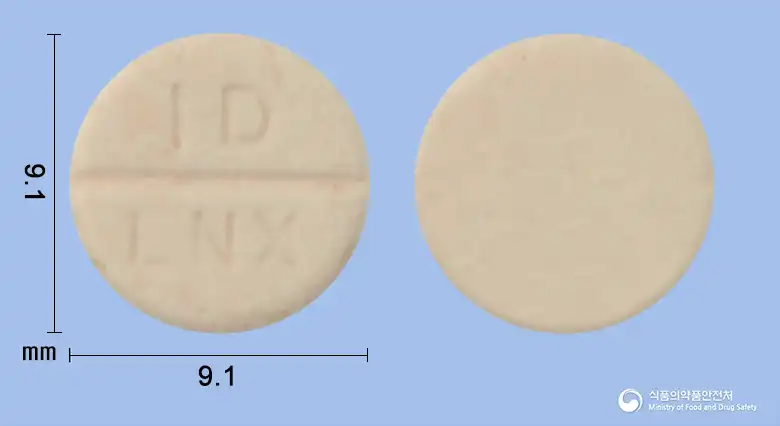
Loxoprofen Sodium Hydrate 68.1mg
Tablet · Prescription medication
Ildong Pharmaceutical Co., Ltd.
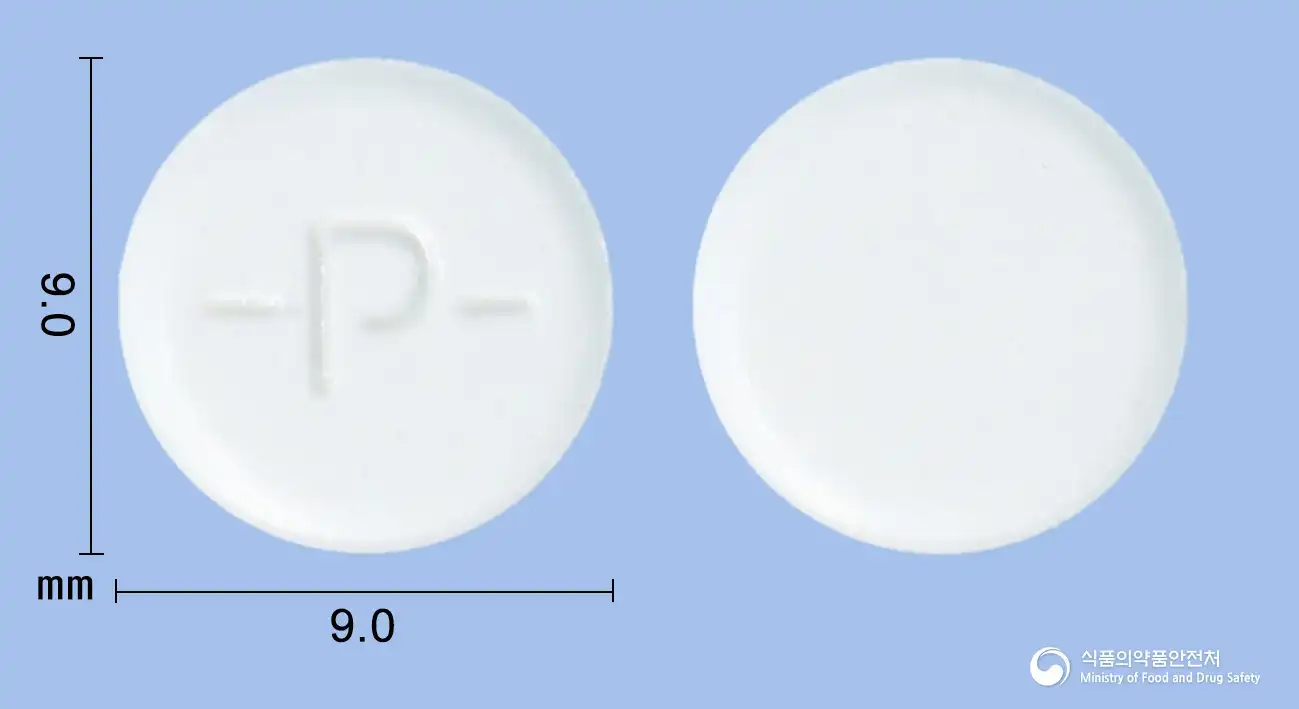
Loxoprofen Sodium Hydrate 68.1mg
Tablet · Prescription medication
Medica Korea Co., Ltd.
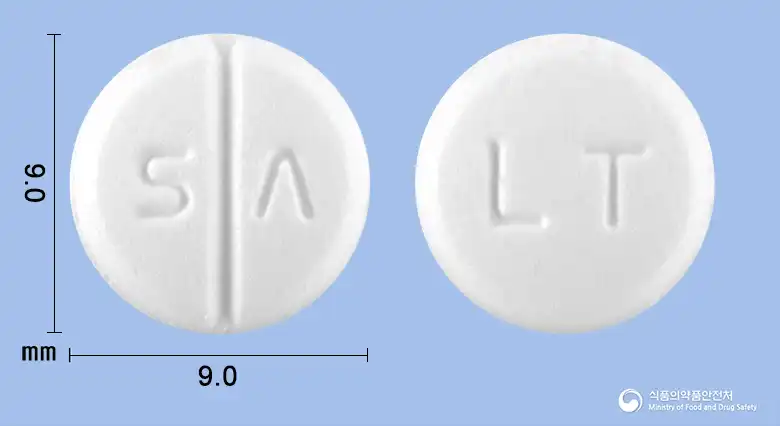
Loxoprofen Sodium Hydrate 68.1mg
Tablet · Prescription medication
Sama Pharmaceutical Co., Ltd.
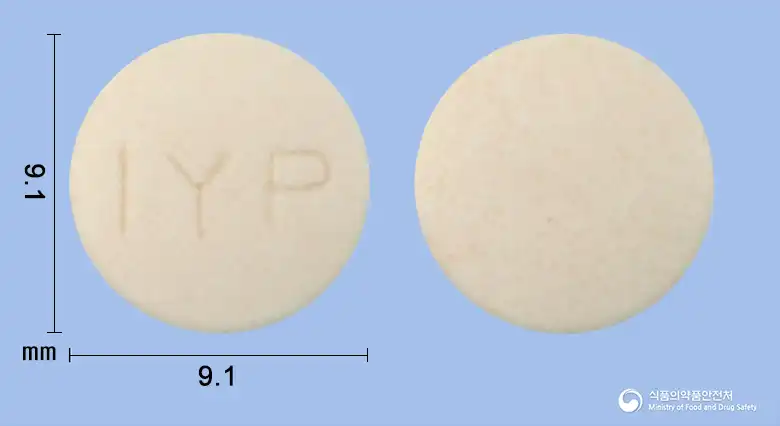
Loxoprofen Sodium 68.1mg
Tablet · Prescription medication
Il Yang Pharmaceutical Co., Ltd.
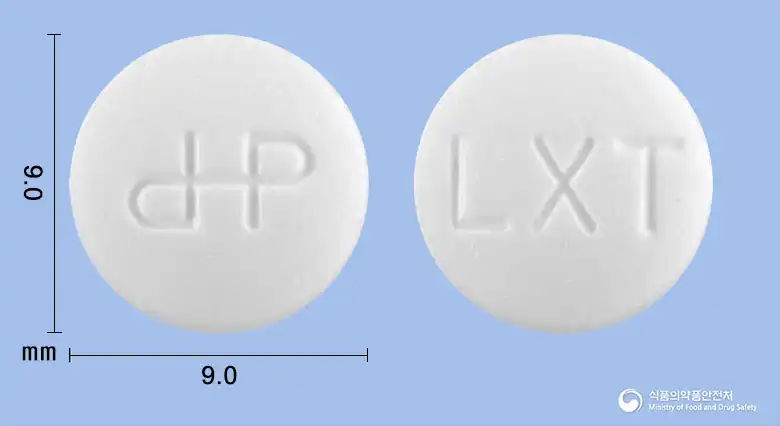
Loxoprofen Sodium Hydrate 68.1mg
Tablet · Prescription medication
Daehwa Pharmaceutical Co., Ltd.
Even with the same ingredient, the dose and directions can differ by strength and dosage form. Talk to a doctor or pharmacist before switching from a medication you are already taking.
No questions yet.
For anything that needs medical judgment, consult a doctor or pharmacist.
This drug information is based on data provided by the Korea Ministry of Food and Drug Safety.
Consult a doctor or pharmacist for accurate dosage, administration, and usage instructions.