
 한국어
 English
 日本語
 中文(简体)
 Viewing nowCombination
Telmira Plus Tablet 80/12.5 mg
Telmisartan 80mg · Hydrochlorothiazide 12.5mg
Tablet · Prescription medication · Combination
Hana Pharmaceutical Co., Ltd.
MFDS item code 201503336 · Approved 2015.05.29 · Insurance code 657805600
Treatment of essential hypertension inadequately controlled with telmisartan alone
This medication is used to treat essential hypertension. When essential hypertension is not adequately controlled by single medication, adding this medicine can lower blood pressure more effectively. It helps to ensure stable management of the patient's blood pressure and contributes to the prevention of cardiovascular complications. For safe and effective blood pressure management, please take it continuously.
Dosage Take once daily with a beverage, with or without food, in patients whose blood pressure is not adequately controlled with telmisartan alone. Before switching to this fixed-dose combination, it is recommended that the doses of each component be individually adjusted. When clinically appropriate, a direct switch from monotherapy to this product may also be considered. - The telmisartan/hydrochlorothiazide combination 40/12.5mg may be administered to patients whose blood pressure is not adequately controlled with telmisartan 40mg. - The telmisartan/hydrochlorothiazide combination 80/12.5mg may be administered to patients whose blood pressure is not adequately controlled with telmisartan 80mg. - The telmisartan/hydrochlorothiazide combination 80/25mg may be administered to patients whose blood pressure is not adequately controlled with telmisartan 80mg and hydrochlorothiazide 12.5mg given together as separate products or as a combination product. Sodium or volume depletion should be corrected before starting this product. Patients with renal impairment No dosage adjustment is necessary in patients with mild to moderate renal impairment. This product should not be administered to patients with severe renal impairment (creatinine clearance<30mL/min). Periodic monitoring of renal function is recommended. Patients with hepatic impairment This product should be administered with caution to patients with mild to moderate hepatic impairment. The dose should not exceed 40/12.5mg once daily. This product should not be administered to patients with severe hepatic impairment (see Precautions for Use, 2). Thiazide diuretics should be administered with caution to patients with impaired liver function. Elderly patients No dosage adjustment is necessary.
The safety and efficacy of this product have not been established in children under 18 years of age.
This medication can pose significant risks to the fetus, especially during the second and third trimesters of pregnancy, so it should be discontinued immediately if pregnancy is confirmed. It is safer not to use this medication during pregnancy, and pregnant or breastfeeding women should not take it. If there is an allergy to the active ingredient or additives of this medication, it must not be taken. This medication should not be administered to patients with severely impaired liver function or obstructive biliary disease. It is also prohibited for patients with very poor kidney function, acute nephritis, or anuria. Caution should be exercised in elderly patients or those with mildly impaired liver function, or in patients with hyperkalemia. Special attention is needed as excessively low blood pressure can cause issues with cardiac or cerebral circulation. Hydrochlorothiazide can respond sensitively to sunlight, so it is important to minimize UV exposure and regularly monitor the skin condition to reduce the risk of skin cancer. During treatment, adverse symptoms such as dizziness, fainting, visual disturbances, difficulty breathing, skin rash, etc., may occur; if any of these symptoms arise, consult a doctor immediately. This medication may interact with other blood pressure medications, diuretics, lithium preparations, potassium supplements, etc., so it is crucial to inform your healthcare provider of any other medications being taken, and regular monitoring of blood pressure and blood tests to check kidney function and electrolyte levels is necessary. Caution is required as dizziness or drowsiness may occur when driving or operating machinery. In case of overdose, symptoms of hypotension, electrolyte abnormalities, or dehydration may appear, so it is essential to adhere to the prescribed dosage and report any unusual symptoms to medical staff immediately. This medication is not used in children as its safety and efficacy have not been established.
Not everyone experiences these, and they can vary from person to person.
This medication should be stored in a tightly closed container to protect it from air and moisture, and it is important to maintain a storage temperature between 1°C and 30°C to preserve the medication's effectiveness.
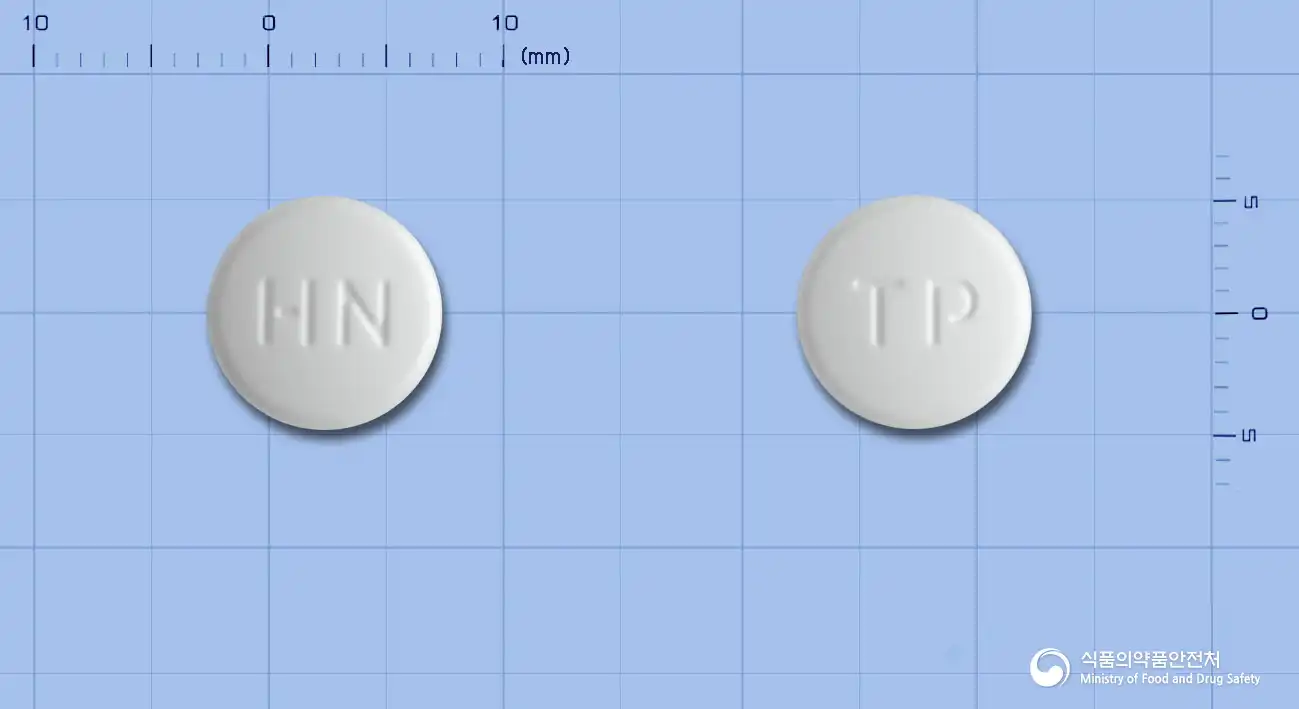
White or almost white, round, biconvex tablet
30 tablets (10 tablets/PTP x 3)
Even with the same ingredient, strength, dosage form and how it is taken can differ.
Viewing nowCombinationTelmisartan 80mg · Hydrochlorothiazide 12.5mg
Tablet · Prescription medication · Combination
Hana Pharmaceutical Co., Ltd.
 Combination
Telmisartan 40mg · Hydrochlorothiazide 12.5mg
Tablet · Prescription medication · Combination
Boehringer Ingelheim Korea Co., Ltd.
 Combination
Telmisartan 80mg · Hydrochlorothiazide 12.5mg
Tablet · Prescription medication · Combination
Boehringer Ingelheim Korea Co., Ltd.
 Combination
Telmisartan 40mg · Hydrochlorothiazide 12.5mg
Tablet · Prescription medication · Combination
Kwangdong Pharmaceutical Co., Ltd.
 Combination
Telmisartan 80mg · Hydrochlorothiazide 12.5mg
Tablet · Prescription medication · Combination
Kwangdong Pharmaceutical Co., Ltd.
 Combination
Telmisartan 40mg · Hydrochlorothiazide 12.5mg
Tablet · Prescription medication · Combination
Dasan Pharmaceutical Co., Ltd.
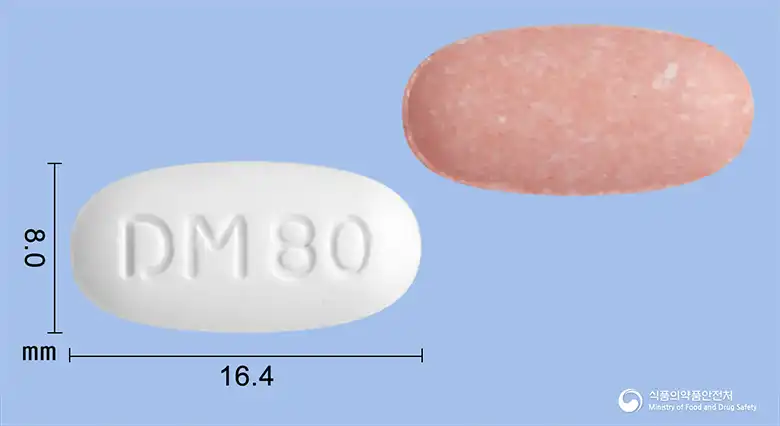 Combination
Telmisartan 80mg · Hydrochlorothiazide 12.5mg
Tablet · Prescription medication · Combination
Dasan Pharmaceutical Co., Ltd.
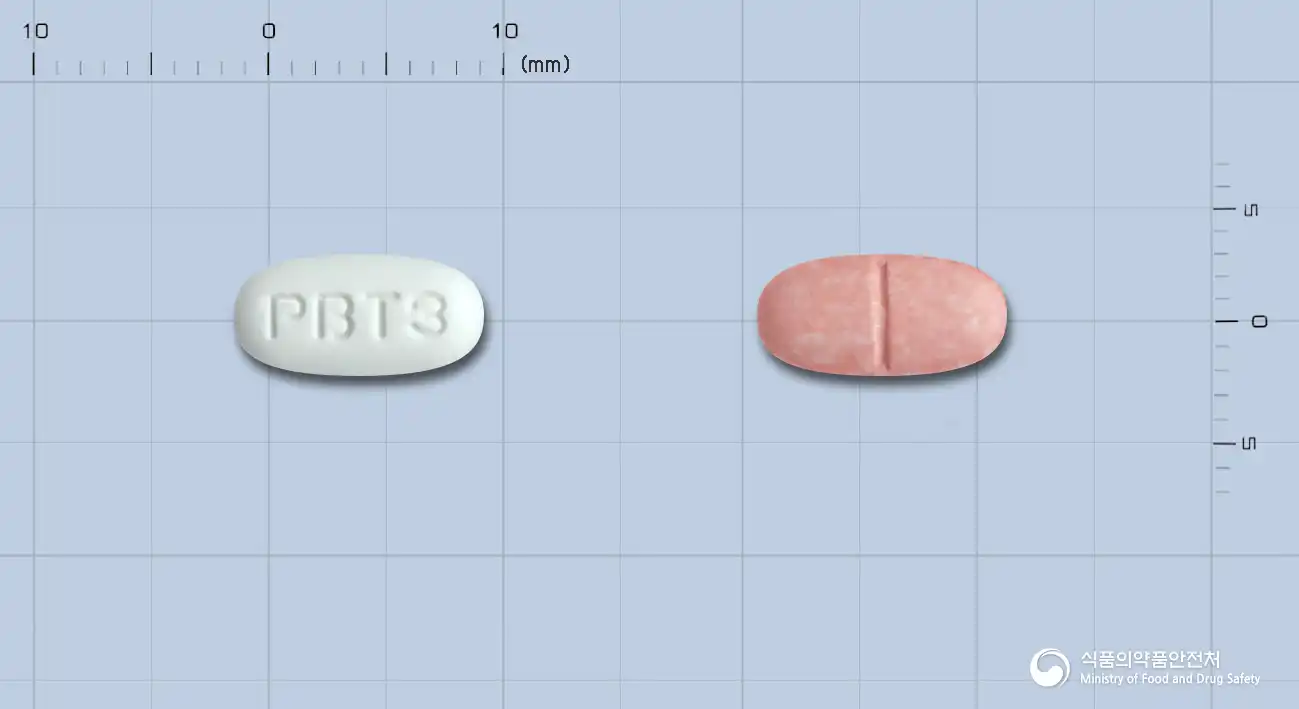 Combination
Telmisartan 40mg · Hydrochlorothiazide 12.5mg
Tablet · Prescription medication · Combination
Hanmi Pharm Co., Ltd.
Even with the same ingredient, the dose and directions can differ by strength and dosage form. Talk to a doctor or pharmacist before switching from a medication you are already taking.
No questions yet.
For anything that needs medical judgment, consult a doctor or pharmacist.
This drug information is based on data provided by the Korea Ministry of Food and Drug Safety.
Consult a doctor or pharmacist for accurate dosage, administration, and usage instructions.