
 한국어
한국어 English
 日本語
日本語 中文(简体)
 Viewing nowCombination
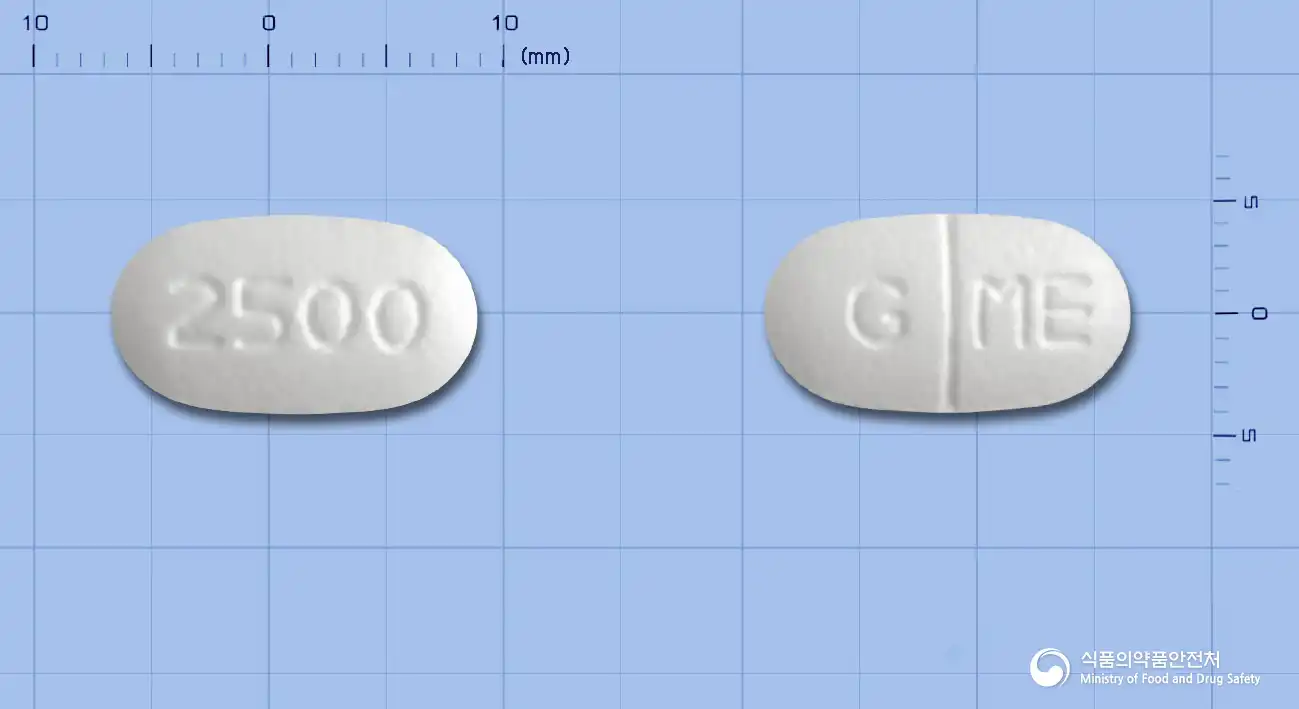
Glupen M Tablet
Glimepiride 2mg · Metformin Hydrochloride 500mg
Tablet · Prescription medication · Combination
Pharmgen Science Co., Ltd.
MFDS item code 201500899 · Approved 2015.02.23
Improvement of blood sugar control in Type 2 diabetes
This medication contains Glimperide and Metformin to assist in controlling blood sugar levels for patients with Type 2 diabetes, acting as an adjunct to dietary and exercise therapies. It is used for more effective management of blood sugar levels.
This medication is administered 1-2 times daily before meals or with meals. The dosage can be adjusted based on each patient's current treatment regimen, efficacy, and tolerance, for which appropriate blood sugar monitoring should occur. Typically, treatment is initiated at a low dose, with adjustments based on the current medications and blood glucose levels. In clinical trials, the initial daily dose was Glimperide/Metformin Hydrochloride
This medication can cause severe lactic acidosis or hypoglycemia, and caution is necessary. Particularly, if renal function declines rapidly, the drug may accumulate in the body and increase risk, so renal function should be monitored regularly. If symptoms of dehydration, severe diarrhea, vomiting, or fever occur, temporarily discontinuing the medication and consulting a physician is advised. Additionally, caution is required when taken with other medications that could affect renal function. During treatment, excessive alcohol consumption should be avoided, and patients with impaired liver function should not use this medication. There may be risks for cardiovascular diseases, so monitoring heart health status before and after treatment is important. Pregnant or breastfeeding women should avoid taking this medication and switch to alternative treatments if necessary. Special caution is needed for children or elderly patients, as safety and efficacy are not sufficiently proven. Patients should be aware of symptoms of hypoglycemia during treatment and take immediate appropriate action if symptoms arise. This medication may cause gastrointestinal discomfort, skin rash, or blood abnormalities; if any unusual symptoms occur, consult a physician. It is also important to regularly monitor the effects of the medication through blood tests and kidney function tests. Overdose can lead to serious side effects such as hypoglycemia or lactic acidosis, requiring immediate medical attention. Caution is advised while driving or operating machinery due to potential diminished alertness from hypoglycemia or other side effects. Store the medication out of reach of children and avoid transferring it to other containers.
Hives, severe swelling (edema), chest tightness, difficulty breathing, cold sweat, pallor → severe allergic reaction. High fever with severe rash, blisters, skin peeling, mucosal pain in mouth/eyes → severe skin reaction. Shortness of breath or difficulty breathing, asthma attack, cough + fever with breathing abnormalities → respiratory issues. Skin or eyes turning yellow (jaundice), extreme fatigue → liver abnormalities (jaundice). Sudden and
Not everyone experiences these, and they can vary from person to person.
This medication should be stored in a tightly sealed container that allows for air circulation, ideally at room temperature between 1 and 30 degrees Celsius. This storage method helps to maintain the medication's efficacy over time.
White rectangular film-coated tablet
30 tablets/bottle, 100 tablets/bottle
Even with the same ingredient, strength, dosage form and how it is taken can differ.
Viewing nowCombinationGlimepiride 2mg · Metformin Hydrochloride 500mg
Tablet · Prescription medication · Combination
Pharmgen Science Co., Ltd.
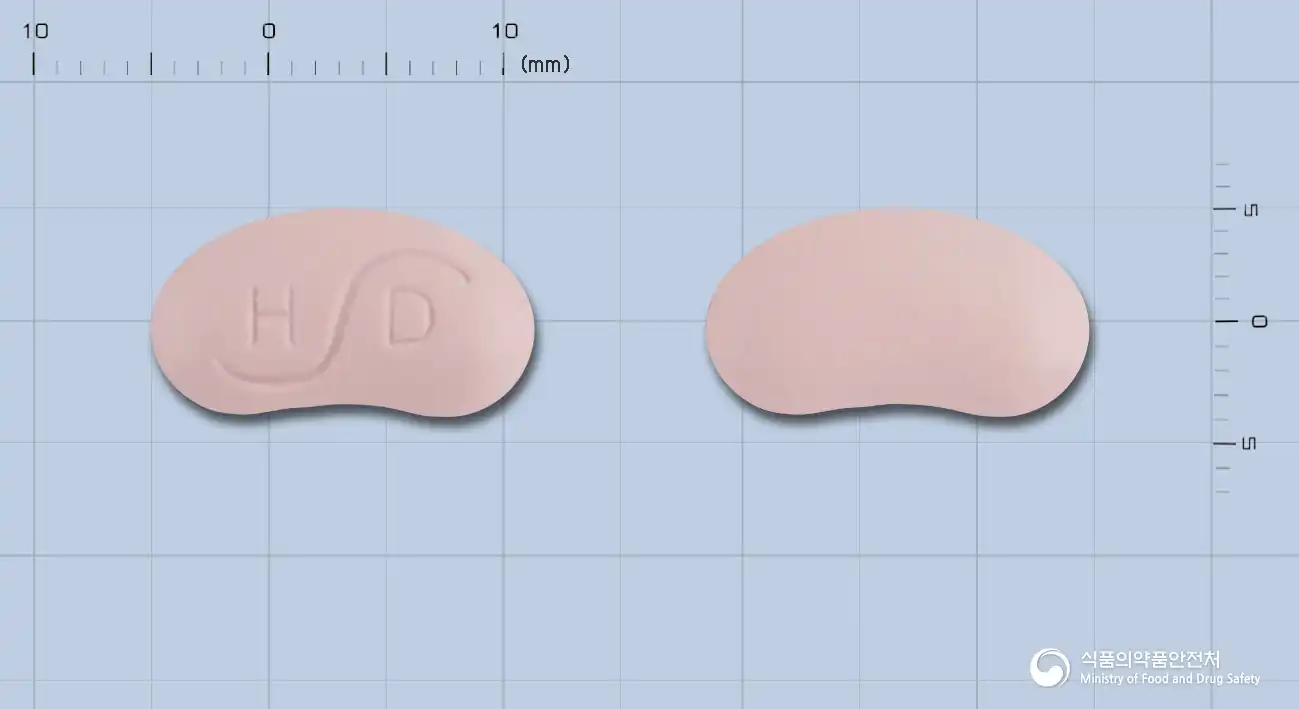 Combination
Metformin Hydrochloride 500mg · Glimepiride 1mg
Tablet · Prescription medication · Combination
Hanmi Pharmaceutical Co., Ltd.
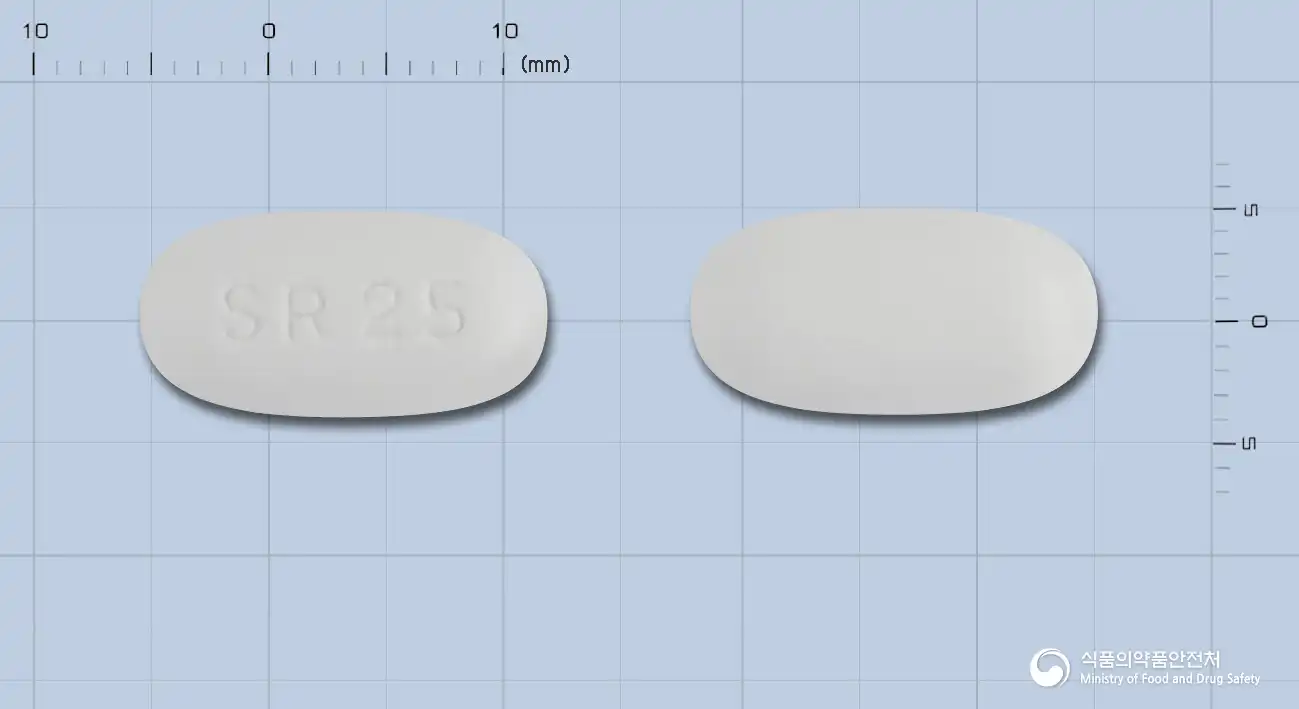 Combination
Metformin Hydrochloride 500mg · Glimepiride 2mg
Tablet · Prescription medication · Combination
Handok Co., Ltd.
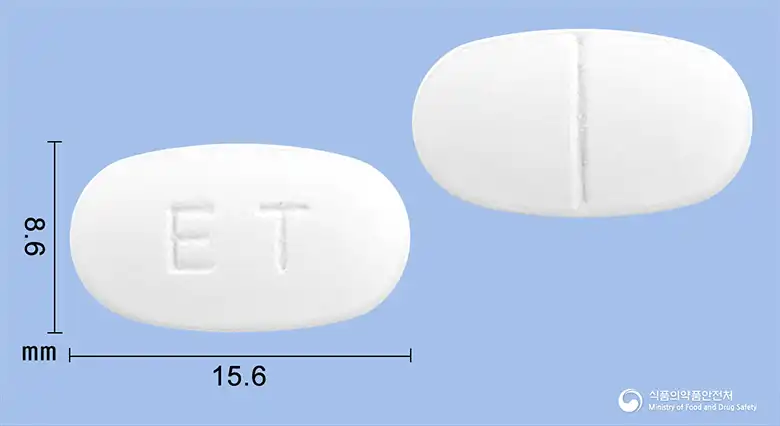 Combination
Metformin Hydrochloride 500mg · Glimepiride 2mg
Tablet · Prescription medication · Combination
Teragen Etex Co., Ltd.
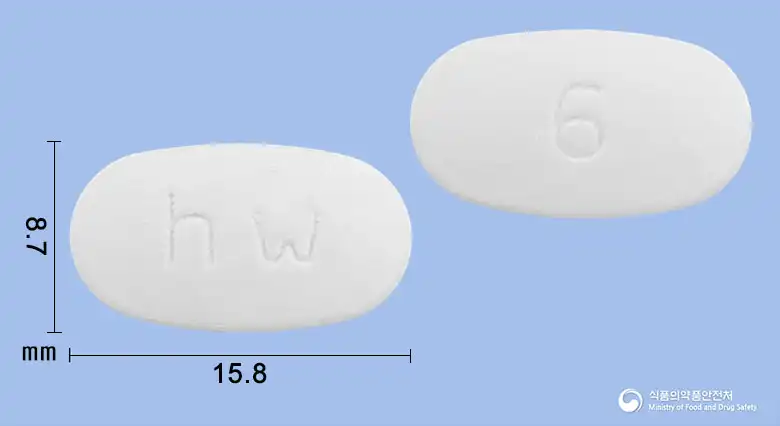 Combination
Glimepiride 2mg · Metformin Hydrochloride 500mg
Tablet · Prescription medication · Combination
Hawon Pharmaceutical Co., Ltd.
Metformin Hydrochloride 500mg · Glimepiride 2mg
Tablet · Prescription medication · Combination
TDS Pharm Co., Ltd.
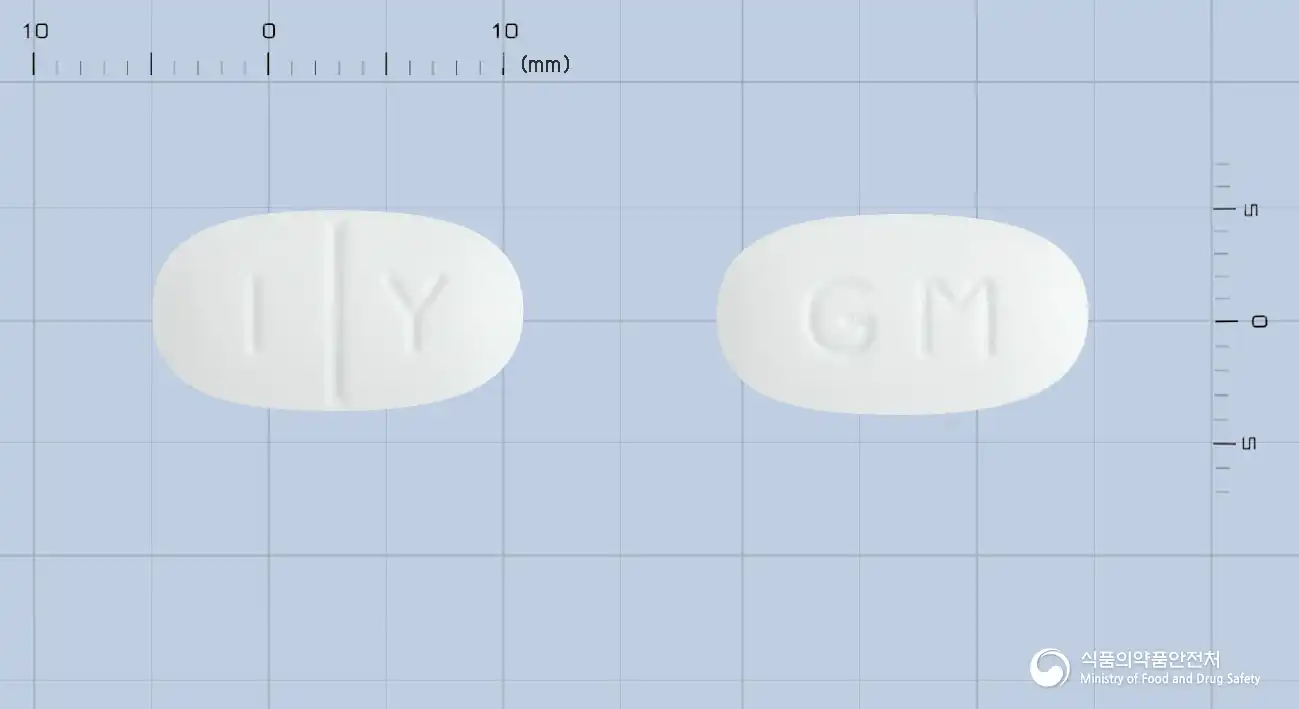 Combination
Glimepiride 2mg · Metformin Hydrochloride 500mg
Tablet · Prescription medication · Combination
Il Yang Pharmaceutical Co., Ltd.
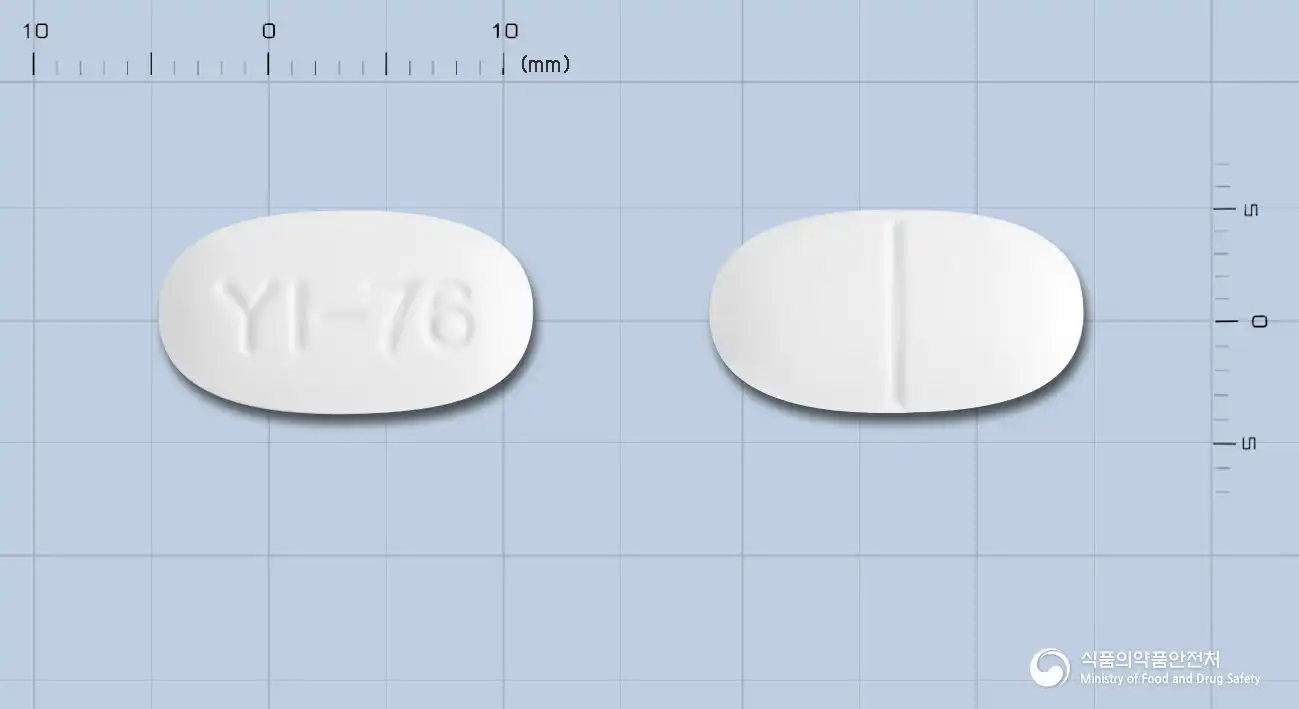 Combination
Glimepiride 2mg · Metformin Hydrochloride 500mg
Tablet · Prescription medication · Combination
Youngil Pharmaceutical Co., Ltd.
Even with the same ingredient, the dose and directions can differ by strength and dosage form. Talk to a doctor or pharmacist before switching from a medication you are already taking.
No questions yet.
For anything that needs medical judgment, consult a doctor or pharmacist.
This drug information is based on data provided by the Korea Ministry of Food and Drug Safety.
Consult a doctor or pharmacist for accurate dosage, administration, and usage instructions.