
 한국어
 English
 日本語
 中文(简体)
Dosage form image
Viewing nowZiphen Syrup (Dexibuprofen)
Dexibuprofen 1.2g
Syrup · OTC medication
Ilhwa Co., Ltd.
MFDS item code 201405886 · Notified 2014.12.15
This product's status changed to Expired on 2024.12.15. It may no longer be sold, so consult a doctor or pharmacist before taking it.
Relief of fever caused by acute upper respiratory tract infections
This medication is used to effectively reduce fever caused by acute upper respiratory infections.
For those aged 12 years and older, take 18-25 mL (215-300 mg of dexibuprofen) based on body weight, and take as needed at intervals of 4-6 hours. Do not exceed a maximum of 4 times (28 mg/kg) per day.
Children aged 6 months or older: Take 0.4~0.6mL/kg per dose (equivalent to 5~7mg/kg of dexibuprofen) every 4~6 hours as needed, not exceeding a maximum of 4 doses per day (28mg/kg). For children weighing 30kg or less, do not exceed a maximum of 25mL per day (equivalent to 300mg of dexibuprofen). Age 12 years, 43 kg or more: 18~25 mL per dose (equivalent to 215~300 mg of dexibuprofen per dose) Age 11 years, 38.0-42.9 kg: 16~25 mL per dose (equivalent to 190~300 mg of dexibuprofen per dose) Age 9-10 years, 30.0-37.9 kg: 12.5~22 mL per dose (equivalent to 150~265 mg of dexibuprofen per dose) Age 6-8 years, 21.0-29.9 kg: 9~17 mL per dose (equivalent to 105~210 mg of dexibuprofen per dose) Age 4-5 years, 16.0-20.9 kg: 7~12 mL per dose (equivalent to 80~145 mg of dexibuprofen per dose) Age 2-3 years, 12.0-15.9 kg: 5~9 mL per dose (equivalent to 60~110 mg of dexibuprofen per dose) 12-23 months, 10.0-11.9 kg: 4~7 mL per dose (equivalent to 50~80 mg of dexibuprofen per dose) 6-11 months, 7.9-9.9 kg: 3~6 mL per dose (equivalent to 40~70 mg of dexibuprofen per dose) In a clinical trial (n=252) in pediatric patients with fever due to acute upper respiratory tract infection (axillary temperature of 38℃ or higher) who received this drug at 5mg/kg or 7mg/kg, the 7mg/kg group tended to show a greater reduction in body temperature than the 5mg/kg group, but the difference was not statistically significant.
This medication may increase the risk of gastric bleeding in individuals who regularly consume more than 3 glasses of alcohol daily, so consultation with a doctor or pharmacist is essential. As a non-steroidal anti-inflammatory drug, caution is needed as serious cardiovascular issues such as myocardial infarction and stroke can occur in those with cardiovascular diseases or risk factors. Severe gastrointestinal side effects, such as gastrointestinal bleeding, ulcers, and perforation, may occur, especially in the elderly or those with a history of gastrointestinal diseases. This drug should not be administered to patients with peptic ulcers, severe blood disorders, liver dysfunction, kidney dysfunction, heart failure, hypertension, or bronchial asthma, and those who have had allergic reactions should avoid use. Patients with a history of gastrointestinal diseases, blood abnormalities, liver or kidney function issues, hypertension, or heart failure should use this drug with caution, particularly if taking low-dose aspirin, as it may reduce the effectiveness of this medication or increase the risk of gastrointestinal side effects. During use, symptoms such as shock, blood disorders, gastrointestinal issues, skin rashes, liver function abnormalities, hypersensitivity reactions, and kidney function abnormalities may occur, so discontinue use immediately and consult a doctor if any unusual symptoms arise. This medication should be used at the minimum effective dose and for the shortest duration necessary, and regular blood tests and liver and kidney function tests are required for long-term use. Caution is advised when used in combination with other non-steroidal anti-inflammatory drugs, glucocorticoids, alcohol, anticoagulants, diuretics, and antihypertensives as the risk of side effects may be increased. It is advisable not to use during pregnancy, particularly in the late stages, as it may harm the fetus, and if nursing, breastfeeding should be stopped or medication discontinued as it can affect the infant through breast milk. Children and the elderly have a higher risk of adverse reactions, so dosage should be adjusted and administered cautiously. In cases of overdose, immediate emergency treatment such as gastric lavage or inducing vomiting should be sought, and it should be stored out of reach of children, avoiding transfer to other containers.
Shock, mimicking concerns, chills, dyspnea, hypotension, aplastic anemia, hemolytic anemia, granulocytopenia, thrombocytopenia, decreased platelet function, eosinophilia, peptic ulcer, gastrointestinal bleeding, perforation, ulcerative colitis, bloody stool, gastritis, pancreatitis, loss of appetite, nausea, vomiting, abdominal pain, dyspepsia, diarrhea, discomfort in the stomach area, thirst, stomatitis, abdominal distension, constipation, Stevens-Johnson syndrome, Riel syndrome, drug rash accompanied by eosinophilia and systemic symptoms, acute generalized exanthematous pustulosis, jaundice, elevated GOT, elevated GPT, elevated AL-P, asthma attack, urticaria, eczema, purpura, rash, pruritus, neglect, cancer invasion, visual impairment, hearing loss, tinnitus, taste alteration, aseptic meningitis, severe headache, nausea, vomiting, insomnia, stiffness of the neck, fever, altered consciousness, increased blood pressure, palpitations, acute renal failure, oliguria, hematuria, increased urine protein, elevated BUN, increased serum creatinine, hyperkalemia, reduced urine output, generalized edema, shortness of breath, lethargy, acute pulmonary edema, periorbital edema, fatigue, fever, epistaxis, whining, facial edema, dyspepsia, pruritus, anaphylactic shock, rash, diarrhea
Not everyone experiences these, and they can vary from person to person.
This medication is sensitive to light, so it should be stored in a light-proof container. Furthermore, to maintain the drug's effectiveness, it is important to store it at room temperature between 15 and 25 degrees Celsius.
This medicine is a white to slightly yellowish suspension syrup with a unique fragrance in an opaque white bottle.
500mL/bottle
Even with the same ingredient, strength, dosage form and how it is taken can differ.
Dexibuprofen 1.2g
Syrup · OTC medication
Ilhwa Co., Ltd.
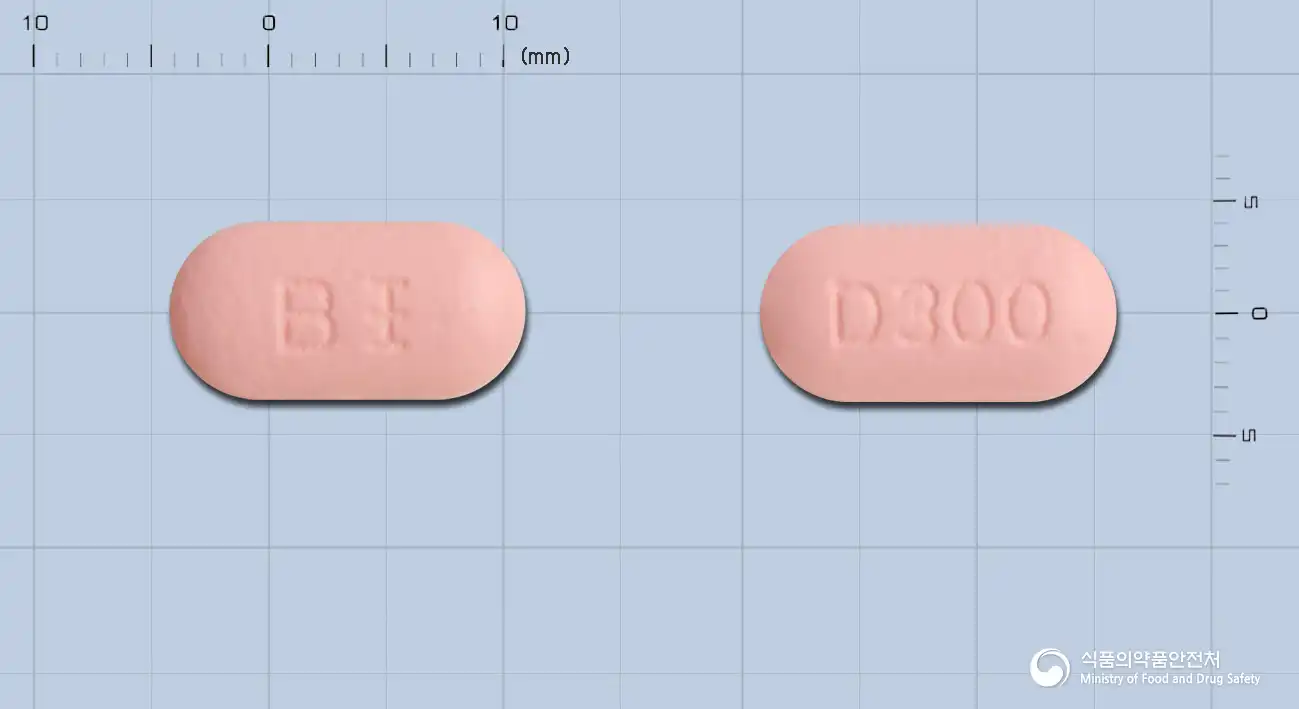
Dexibuprofen 300mg
Tablet · OTC medication
Bionex Co., Ltd.
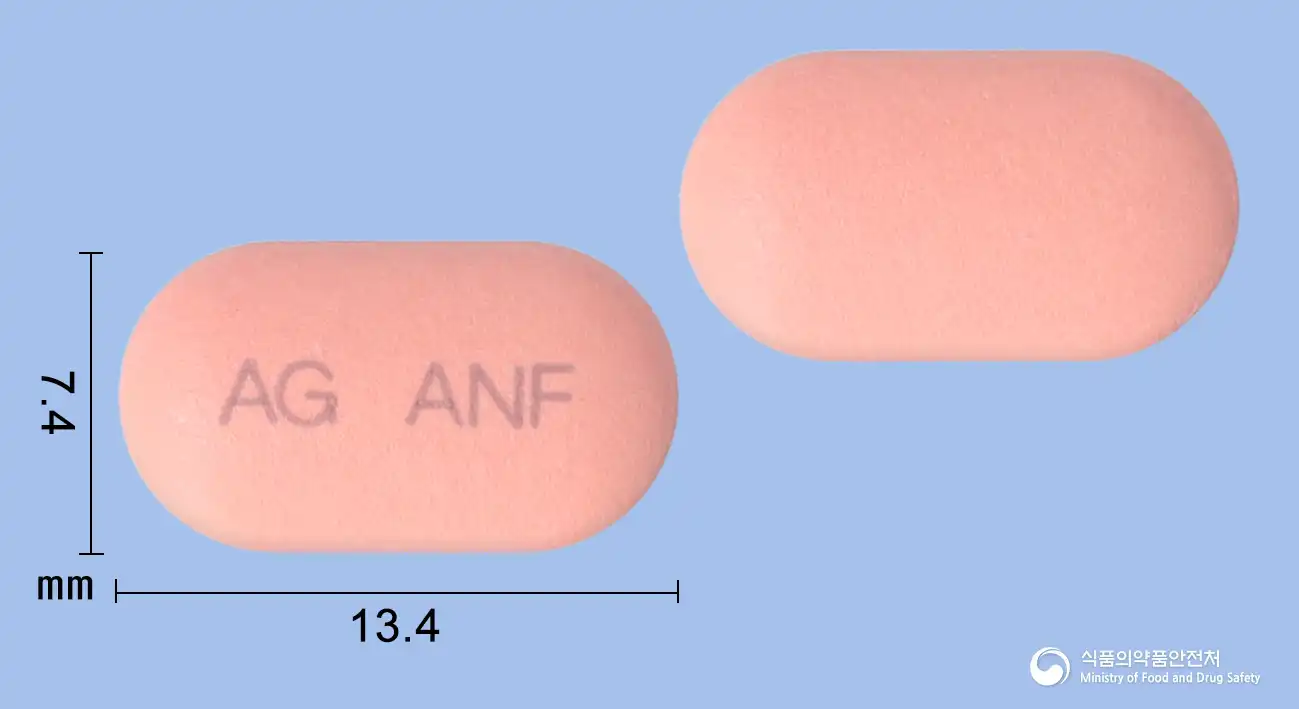
Dexibuprofen 300mg
Tablet · OTC medication
Anguk Pharmaceutical Co., Ltd.
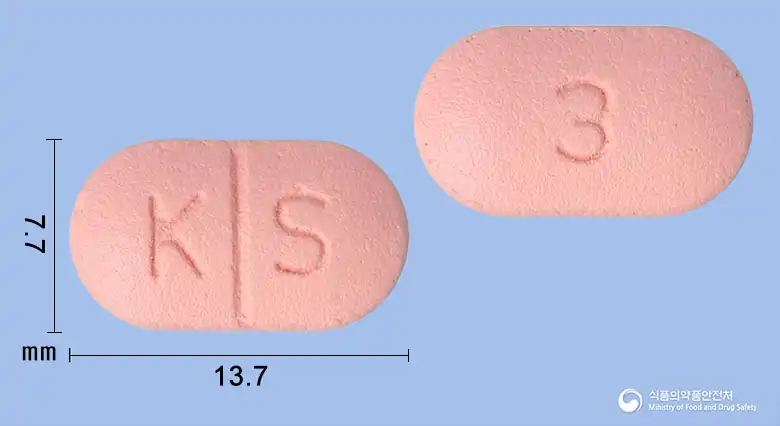
Dexibuprofen 300mg
Tablet · OTC medication
Aprogen Pharmaceuticals, Co., Ltd.
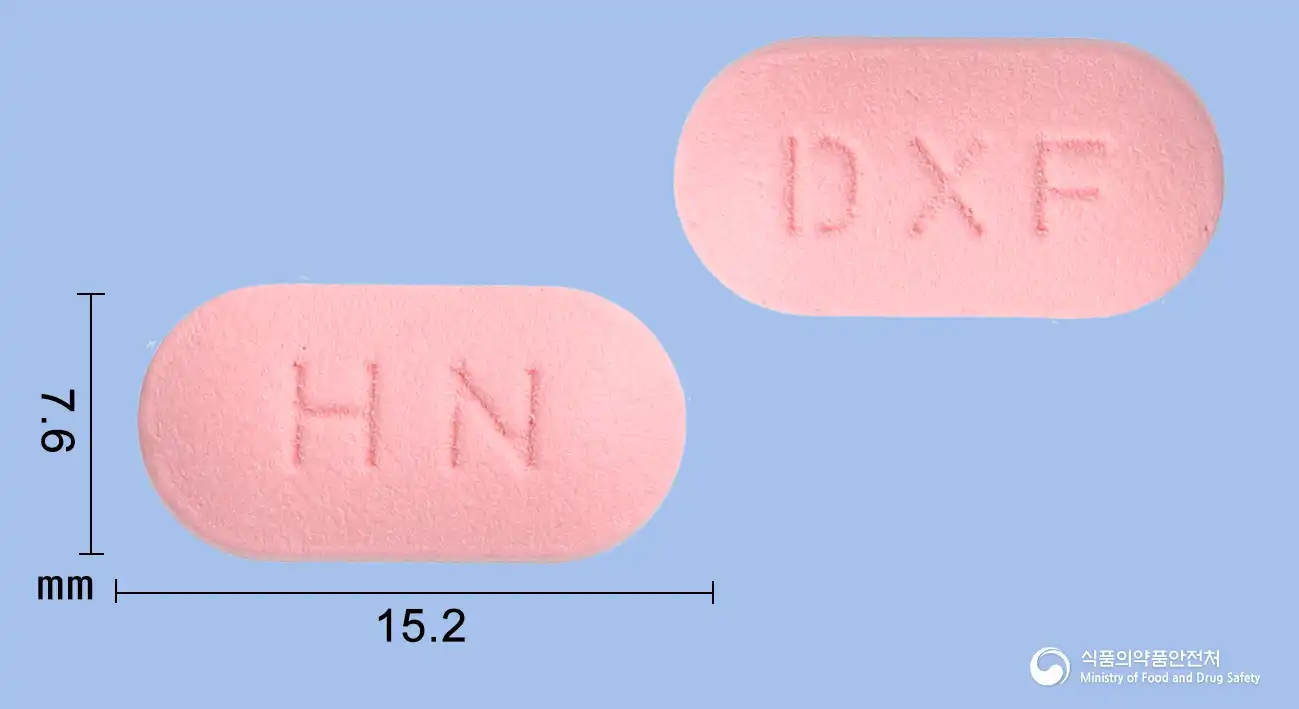
Dexibuprofen 300mg
Tablet · OTC medication
Hana Pharmaceutical Co., Ltd.
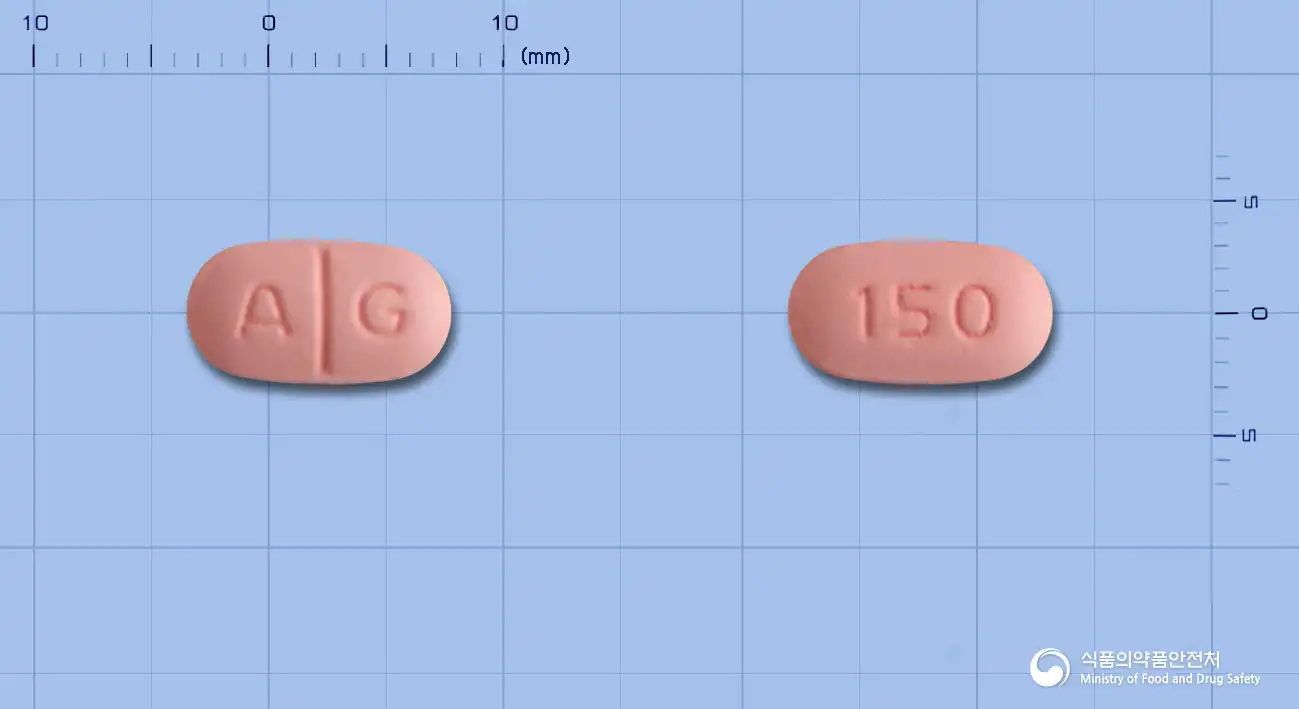
Dexibuprofen 150mg
Tablet · OTC medication
Anguk Pharm Co., Ltd.
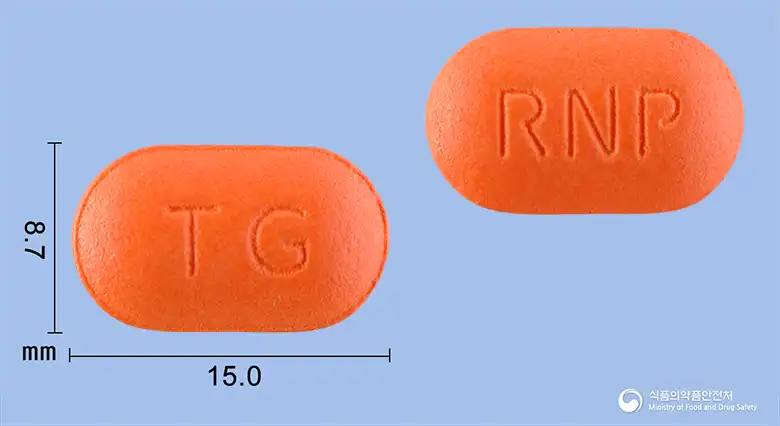
Dexibuprofen 300mg
Tablet · OTC medication
Taeguk Pharmaceutical Co., Ltd.
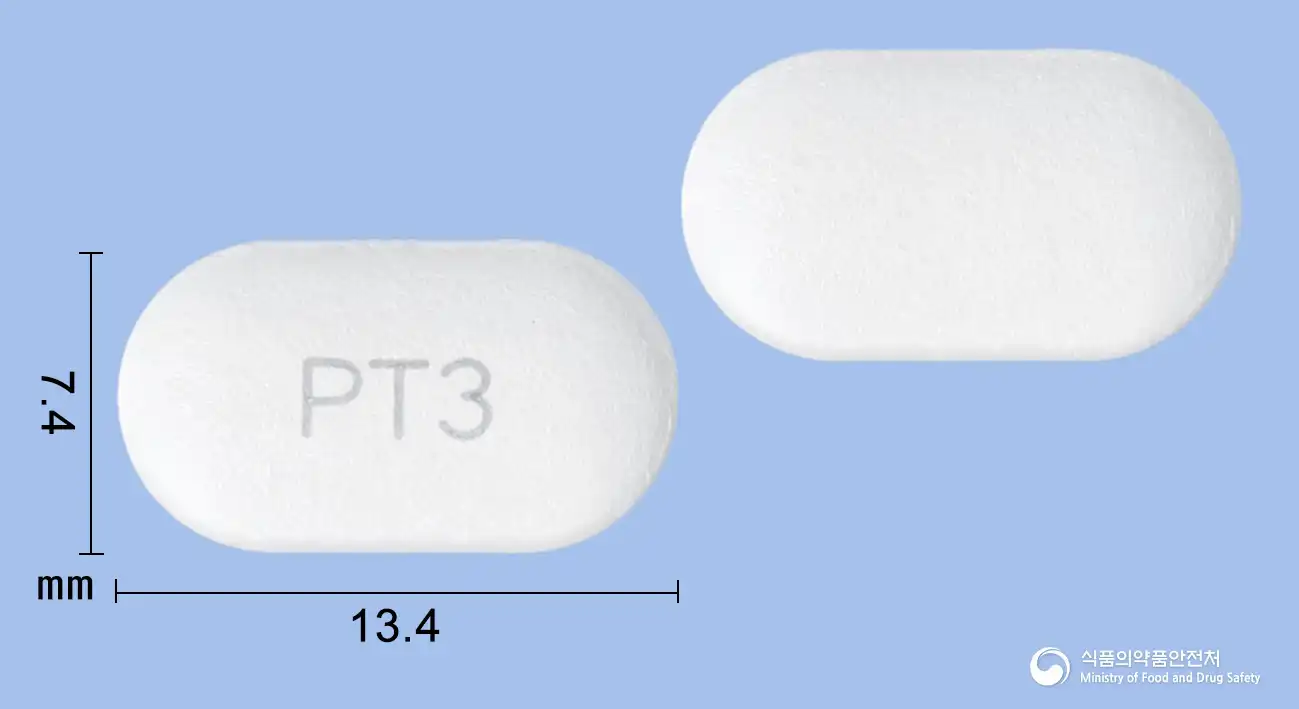
Dexibuprofen 300mg
Tablet · OTC medication
Genupharm Co., Ltd.
Even with the same ingredient, the dose and directions can differ by strength and dosage form. Talk to a doctor or pharmacist before switching from a medication you are already taking.
No questions yet.
For anything that needs medical judgment, consult a doctor or pharmacist.
This drug information is based on data provided by the Korea Ministry of Food and Drug Safety.
Consult a doctor or pharmacist for accurate dosage, administration, and usage instructions.