
 한국어
 English
 日本語
 中文(简体)
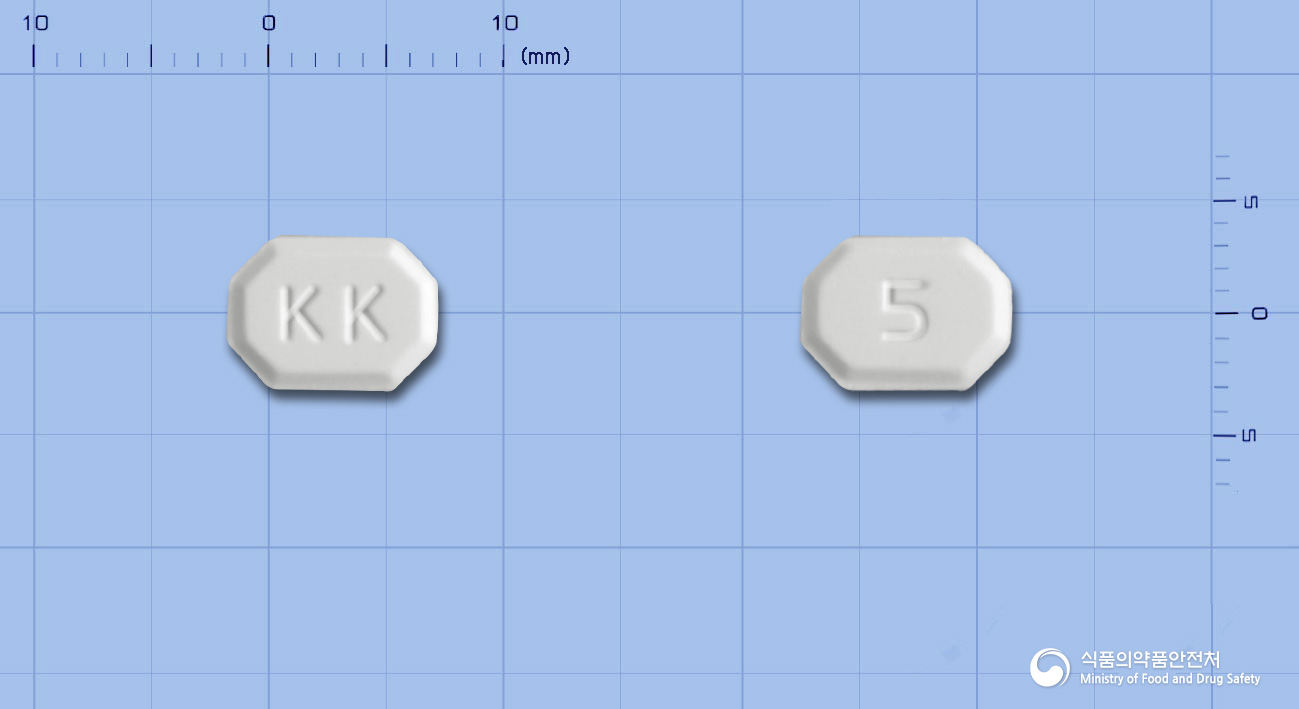 Viewing now
Novascan Tablets (Amlodipine Besylate)
Amlodipine Besylate 6.944mg
Tablet · Prescription medication
Genewon Science Co., Ltd.
MFDS item code 201405857 · Approved 2014.12.11 · Insurance code 671704430
Treatment of hypertension and myocardial ischemia; reduction of the risk of hospitalization and revascularization for angina
This medication is used to treat hypertension and stable angina, as well as myocardial ischemia caused by vasospasm. It also reduces the risk of hospitalization due to angina in patients with coronary artery disease confirmed by angiography, who do not have heart failure and have a cardiac output of over 40%. Moreover, it has a risk-reducing effect associated with coronary artery revascularization, helping to improve heart health. The drug has outstanding treatment effects for cardiovascular diseases, making it useful in improving patients' symptoms and managing diseases.
Adults: Administer 5㎎ of amlodipine orally once daily; the dose may be increased up to a maximum of 10㎎ daily according to the patient's response. Adjust the dose appropriately according to age and symptoms.
It is important not to use this medication in certain patients. For example, it should not be administered to individuals with a history of allergic reactions to this drug or similar medications, breastfeeding women, patients with severe liver dysfunction, patients with severe aortic stenosis, and patients in shock. Additionally, it should be used with caution in patients with severe hypotension, those requiring dialysis due to renal failure, the elderly, and women who are pregnant or may become pregnant. When taking this medication, various side effects may occur. Commonly experienced side effects include facial flushing, fatigue, swelling, palpitations, dizziness, headaches, drowsiness, abdominal pain, and nausea. Rarely, symptoms such as excessively low blood pressure, vasculitis, neurological symptoms, erectile dysfunction, gynecomastia, digestive issues, increased blood sugar levels, muscle pain, and skin rashes may occur, so caution is required. Patients with heart failure or poor liver function should be particularly careful when using this medication, as its effects manifest slowly and may not be suitable for patients with acute angina. This medication can interact with various other drugs, so if there are any concurrent medications, it is essential to inform healthcare providers, and it is advisable to avoid taking it with grapefruit juice. The safety of this medication has not been established for pregnant or breastfeeding women, and its use is not recommended except in special circumstances. It is recommended for children aged 6 and above, as its efficacy and safety have not been confirmed for children under 6 years old. The standard dosage can be used for the elderly, but careful monitoring of their physical condition is necessary during administration. In cases of overdose, there may be severe drops in blood pressure and irregular heart rhythms, so immediate medical assistance should be sought, and gastric lavage or administration of activated charcoal may be necessary. This medication is known to have little effect on driving or operating machinery, but this may vary from person to person, so caution is advised.
Not everyone experiences these, and they can vary from person to person.
This medication should be stored in a tightly sealed container to avoid exposure to air or moisture. It is best to maintain the storage temperature between 1 to 30 degrees Celsius.
White octagonal tablets
30 tablets/bottle, 300 tablets/bottle
Even with the same ingredient, strength, dosage form and how it is taken can differ.
Viewing nowAmlodipine Besylate 6.944mg
Tablet · Prescription medication
Genewon Science Co., Ltd.
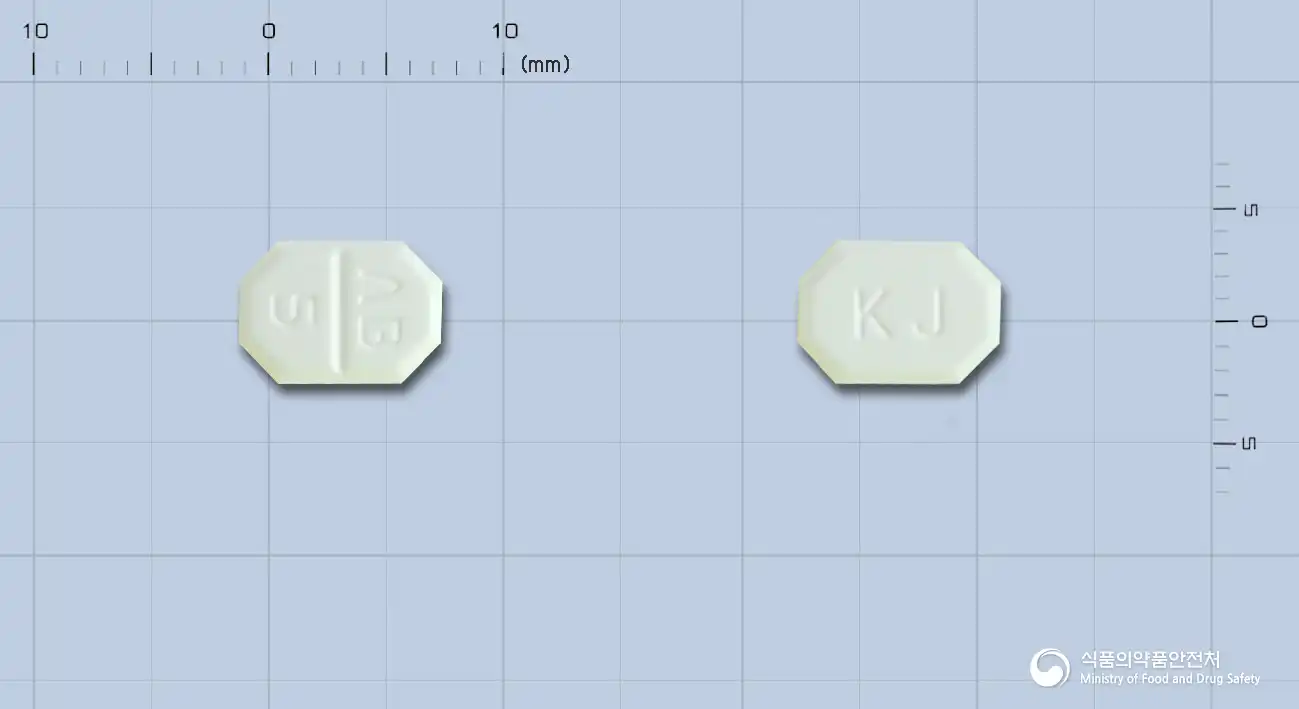
Amlodipine Besylate 6.94mg
Tablet · Prescription medication
International Pharmaceutical Co., Ltd.
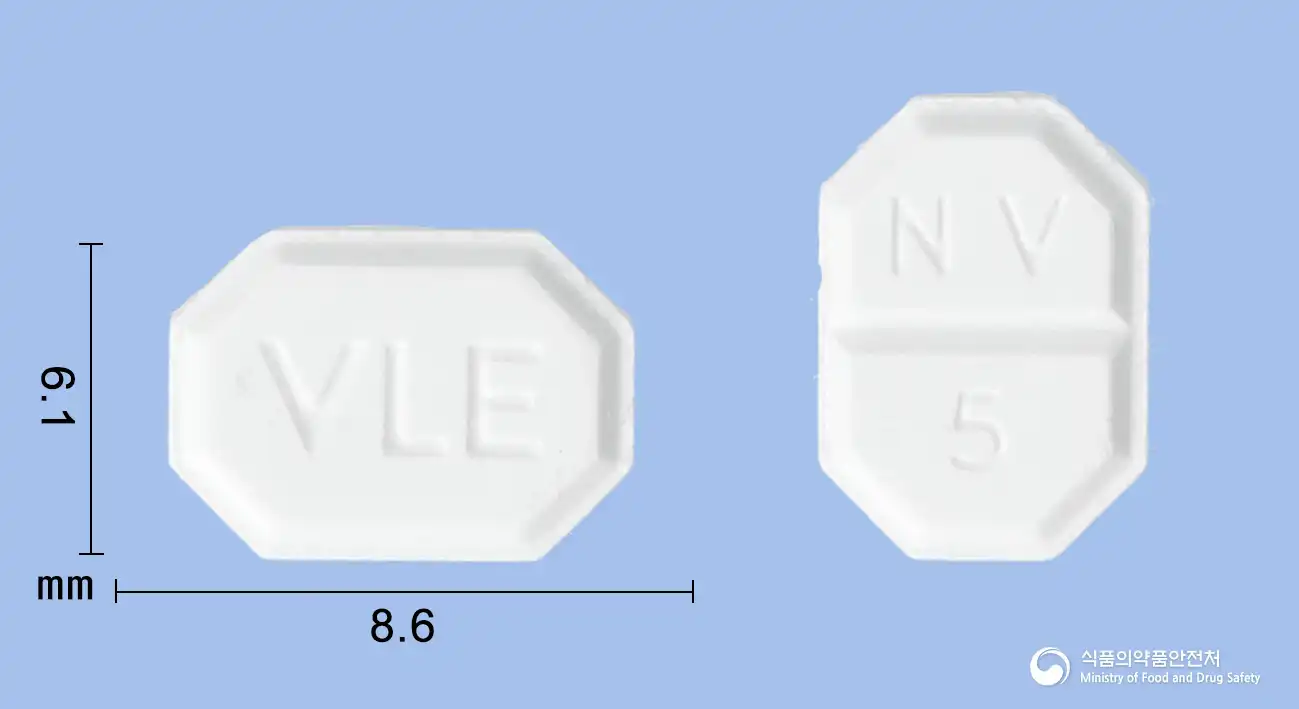
Amlodipine Besylate 6.944mg
Tablet · Prescription medication
Viatriss Korea Co., Ltd.
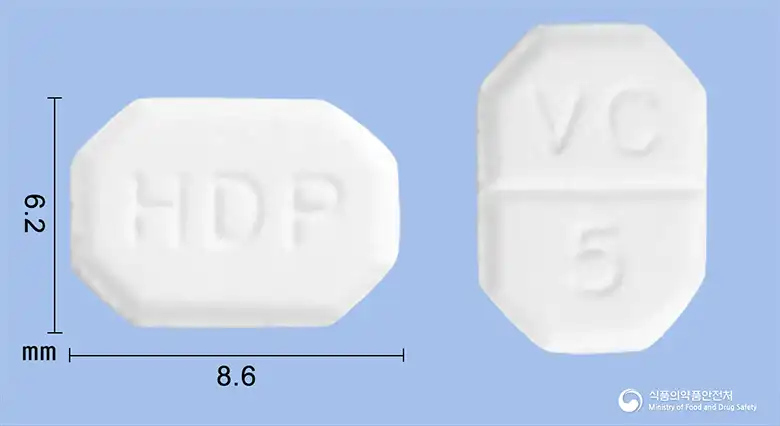
Amlodipine Besylate 6.944mg
Tablet · Prescription medication
Hyundai Pharmaceutical Co., Ltd.
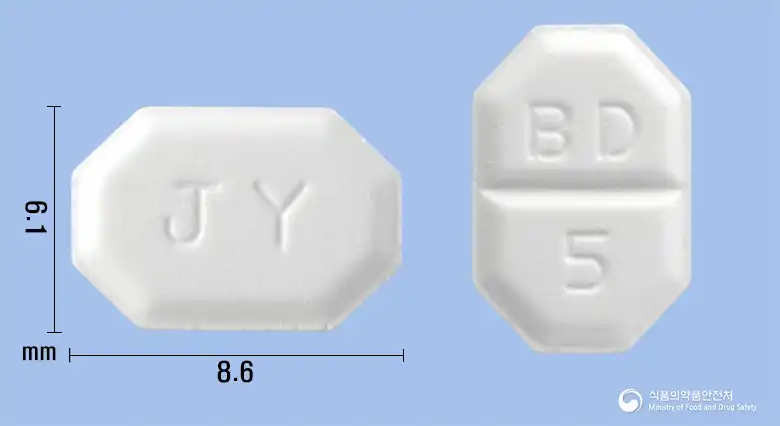
Amlodipine Besylate 6.944mg
Tablet · Prescription medication
Jinyang Pharmaceutical Co., Ltd.
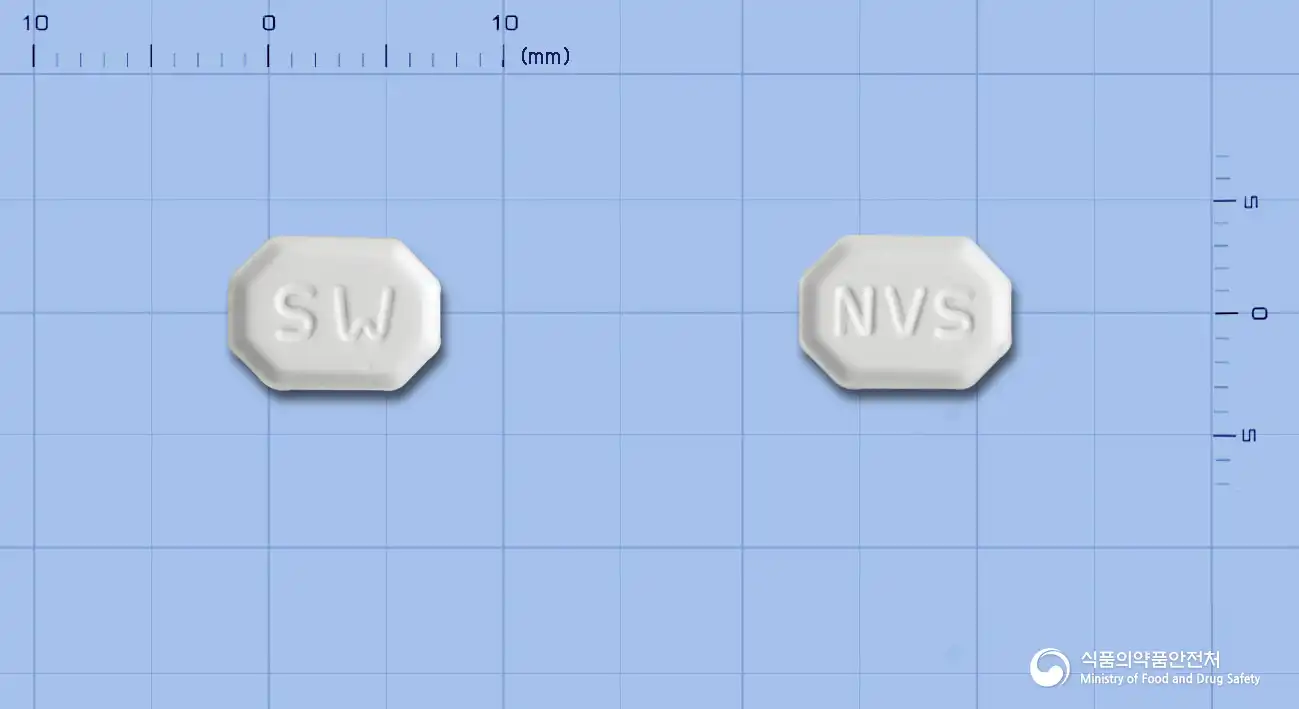
Amlodipine Besylate 6.944mg
Tablet · Prescription medication
Seongwon Adcock Pharmaceutical Co., Ltd.
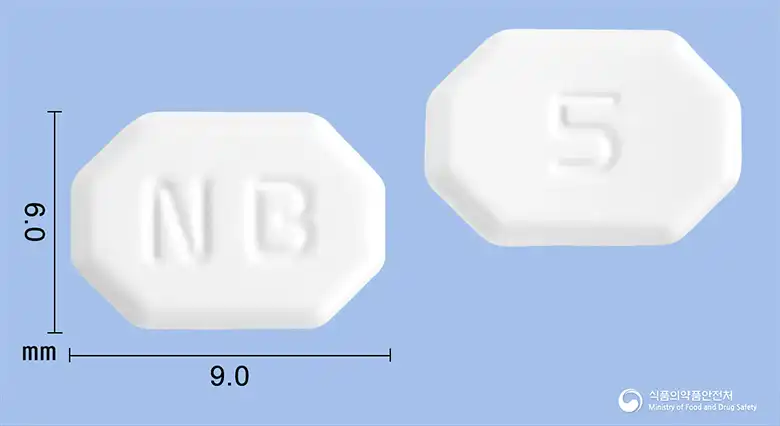
Amlodipine Besylate 6.944mg
Tablet · Prescription medication
KMS Pharmaceutical Co., Ltd.
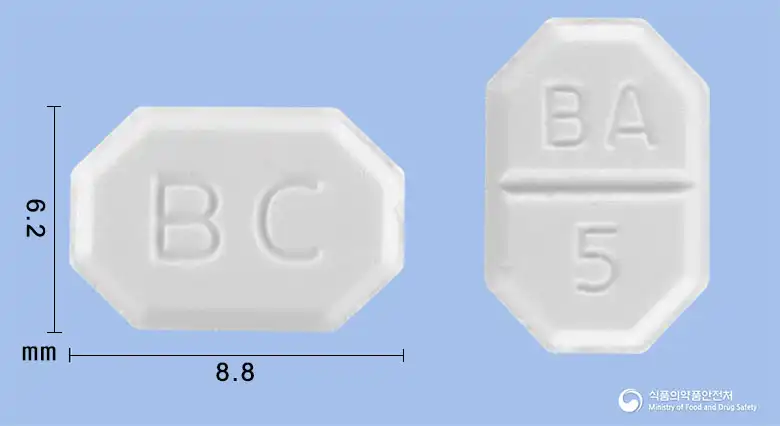
Amlodipine Besylate 6.944mg
Tablet · Prescription medication
BC World Pharmaceutical Co., Ltd.
Even with the same ingredient, the dose and directions can differ by strength and dosage form. Talk to a doctor or pharmacist before switching from a medication you are already taking.
No questions yet.
For anything that needs medical judgment, consult a doctor or pharmacist.
This drug information is based on data provided by the Korea Ministry of Food and Drug Safety.
Consult a doctor or pharmacist for accurate dosage, administration, and usage instructions.