
 한국어
 English
 日本語
 中文(简体)
 Viewing now
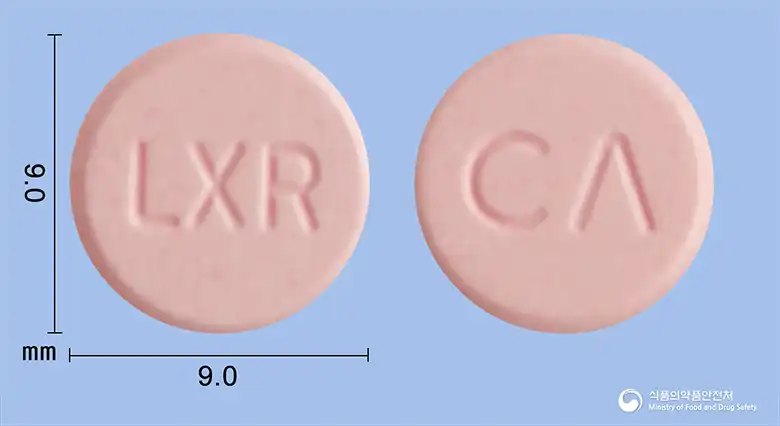
Roxofen Tablets (Sodium Loxoprofen Hydrate)
Loxoprofen Sodium Hydrate 68.1mg
Tablet · Prescription medication
Joah Pharmaceutical Co., Ltd.
MFDS item code 201405365 · Approved 2014.11.18 · Insurance code 644602990
Relief of musculoskeletal pain (e.g., arthritis) and postoperative pain, and of fever and pain associated with acute upper respiratory tract infections
This medication is used to relieve inflammation and pain caused by various inflammatory and degenerative joint diseases such as chronic rheumatoid arthritis, osteoarthritis, lower back pain, shoulder periarthritis, and cervical syndrome. It also helps reduce inflammation and pain arising from conditions such as postoperative, post-traumatic, and post-extraction states. It improves symptoms through antipyretic and analgesic actions, especially in cases of acute upper respiratory infections, particularly when complicated by bronchitis. Overall, this medicine is effectively used for various inflammatory diseases, as well as pain and fever symptoms.
1. For Indications and Effects 1 and 2 ○ Adults: Administer 60 mg of loxoprofen sodium (anhydrous) orally 3 times daily. For a single dose regimen, administer 60~120 mg orally as a single dose. 2. For Indication and Effect 3 ○ Adults: Administer 60 mg of loxoprofen sodium (anhydrous) orally as a single dose. In principle, it may be administered twice daily, up to a maximum of 180 mg per day. It is advisable to avoid taking this medicine on an empty stomach. Adjust the dose appropriately according to symptoms.
Individuals who regularly consume three or more drinks a day should consult with a doctor or pharmacist before taking this medication because it can cause gastrointestinal bleeding. This medication can increase the risk of cardiovascular diseases, thus those with a history of heart disease or stroke, or risk factors related to them should exercise particular caution. Immediate medical attention should be sought if cardiovascular symptoms arise during use. There is a risk of serious gastrointestinal problems such as gastrointestinal bleeding, ulcers, and perforation. Elderly patients or those with a history of gastrointestinal diseases should take this medication more cautiously, and should discontinue use and consult with medical personnel if symptoms of gastrointestinal bleeding occur. Individuals with a history of peptic ulcers, severe blood abnormalities, severe liver or kidney dysfunction, congestive heart failure, allergies to this medication or its ingredients, a history of allergic reactions to aspirin or other non-steroidal anti-inflammatory drugs, pregnant women in late pregnancy, nursing mothers, and patients with inflammatory bowel disease should not take this medication. Patients with a history of peptic ulcers, blood abnormalities, liver or kidney diseases, heart failure, asthma, hypertension, the elderly, or those on anticoagulants should take this medication with caution and closely monitor their conditions during use. If allergic symptoms such as rash, itching, difficulty breathing, or hives occur while taking this medication, it should be discontinued immediately and medical personnel notified. If gastrointestinal symptoms such as abdominal pain, hematemesis, bloody stools, nausea, or vomiting occur, the medication should be discontinued immediately, and treatment should be sought. This medication may cause neurological symptoms such as drowsiness, dizziness, and headache, so caution should be exercised when driving or operating machinery. There may be occurrences of liver or kidney dysfunction, symptoms of heart failure, blood abnormalities, etc., hence regular monitoring is necessary, and the medication should be discontinued if any abnormal symptoms are observed. This medication should not be taken with other non-steroidal anti-inflammatory drugs and may interact with certain blood pressure medications, anticoagulants, antibiotics, etc., so be sure to inform about any other medications being taken. During pregnancy, especially in the late stage, it may be harmful to the fetus, thus should not be taken, and it is advisable to also avoid using during breastfeeding. Safety for children has not been established, hence use is not recommended. Elderly individuals are at a higher risk for adverse reactions; therefore, special care should be taken when using this medication. This medication should be kept out of reach of children and should not be transferred to another container.
Rash, itching, fever, hives, shock, anaphylaxis-like symptoms, peptic ulcer, perforation, hematemesis, melena, hematochezia, abdominal pain, upper abdominal discomfort, loss of appetite, nausea, vomiting, diarrhea, constipation, chest burning sensation, dyspepsia, stomatitis, thirst, abdominal distension, upper abdominal pain, drowsiness, numbness, dizziness, headache, anemia, hemolytic anemia, leukopenia, thrombocytopenia, eosinophilia, congestive heart failure, liver dysfunction, jaundice, elevated ALT, elevated AST, elevated ALP, elevated γ-GTP, fulminant hepatitis, acute kidney failure, nephrotic syndrome, interstitial nephritis, hematuria, proteinuria, fever, resolution, respiratory distress, abnormal chest X-ray, interstitial pneumonia, asthma attack, Stevens-Johnson syndrome, toxic epidermal necrolysis, Lyell's syndrome, erythema multiforme, acute generalized pustular psoriasis, edema, chest pain, anxiety, lethargy, palpitations, aseptic meningitis, angioedema, facial edema, periorbital edema, oral edema, stenosis and obstruction of the small and large intestines, DRESS syndrome
Not everyone experiences these, and they can vary from person to person.
This medication should be stored in a tightly sealed container to prevent air or moisture from entering. It is recommended to store at room temperature between 1 and 30 degrees Celsius.
Pink round tablets
30 T/bottle, 500 T/bottle
Even with the same ingredient, strength, dosage form and how it is taken can differ.
Viewing nowLoxoprofen Sodium Hydrate 68.1mg
Tablet · Prescription medication
Joah Pharmaceutical Co., Ltd.
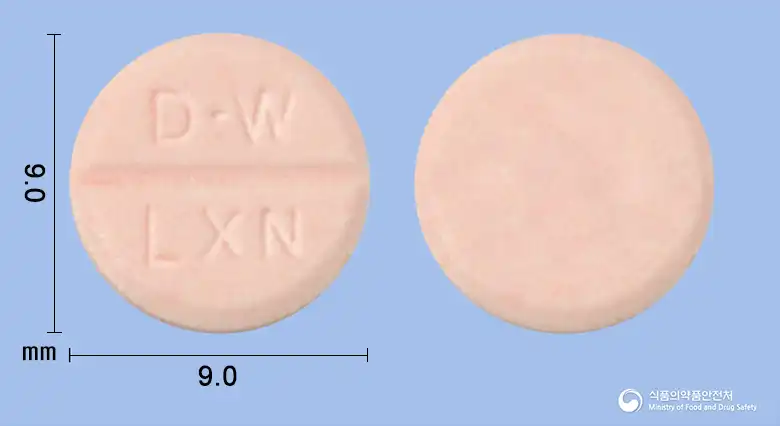
Loxoprofen Sodium Hydrate 68.1mg
Tablet · Prescription medication
Dongwha Pharmaceutical Co., Ltd.
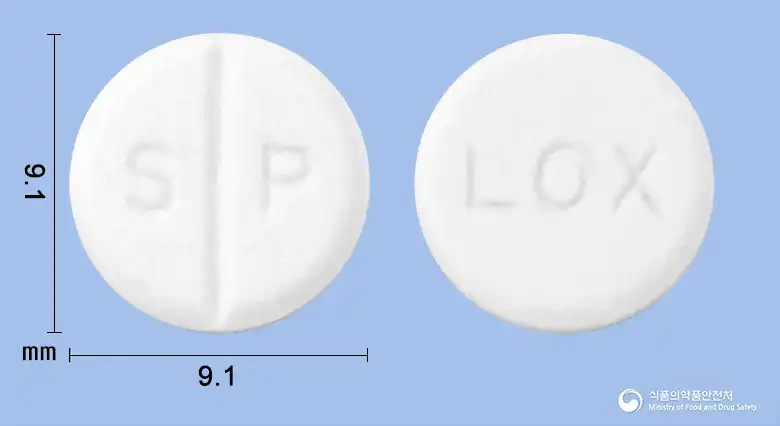
Loxoprofen Sodium Hydrate 68.1mg
Tablet · Prescription medication
Shinpoong Pharmaceutical Co., Ltd.
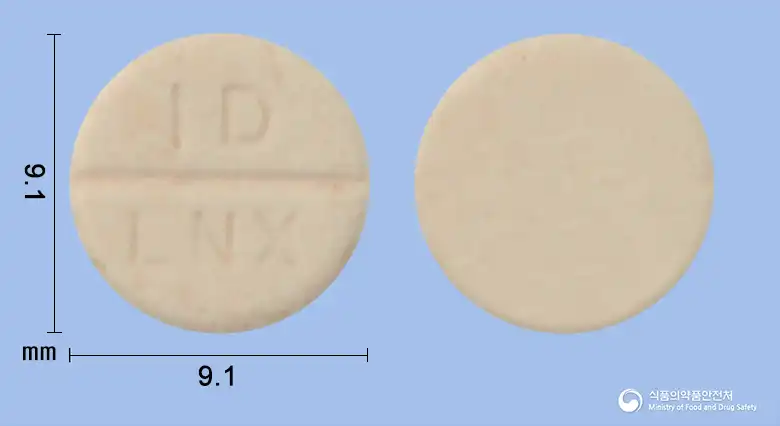
Loxoprofen Sodium Hydrate 68.1mg
Tablet · Prescription medication
Ildong Pharmaceutical Co., Ltd.
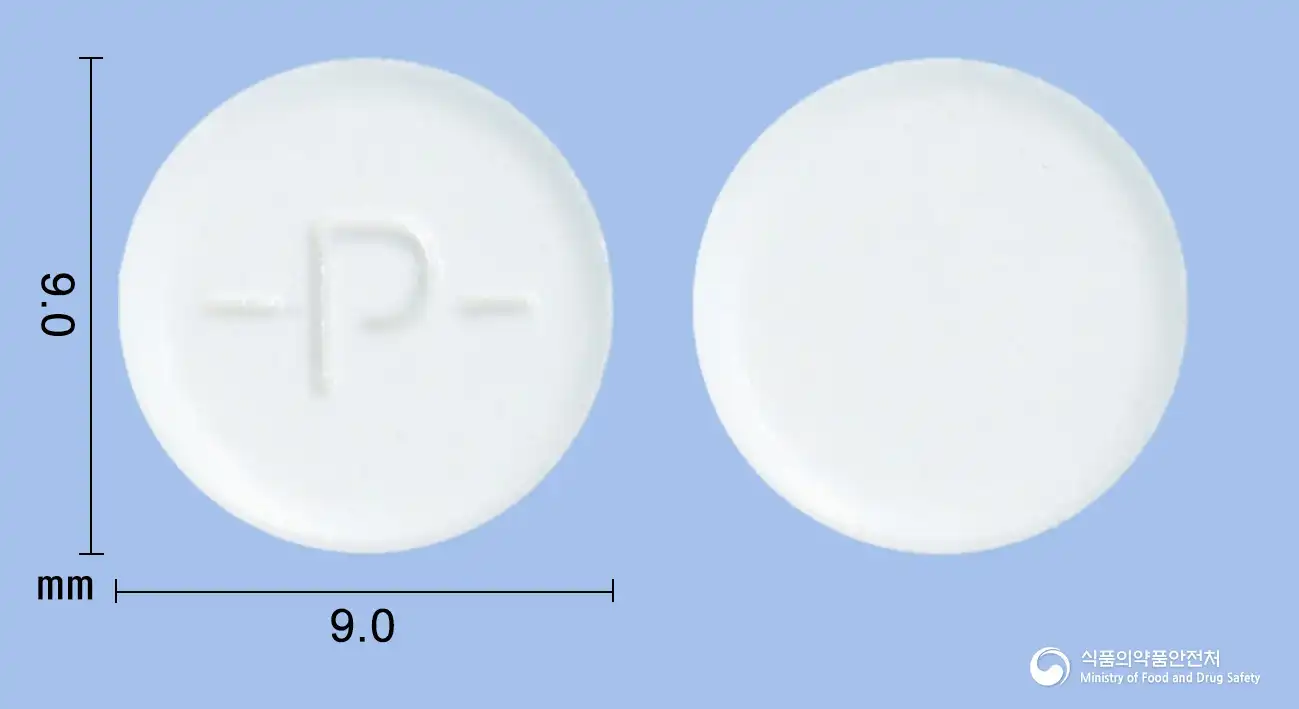
Loxoprofen Sodium Hydrate 68.1mg
Tablet · Prescription medication
Medica Korea Co., Ltd.
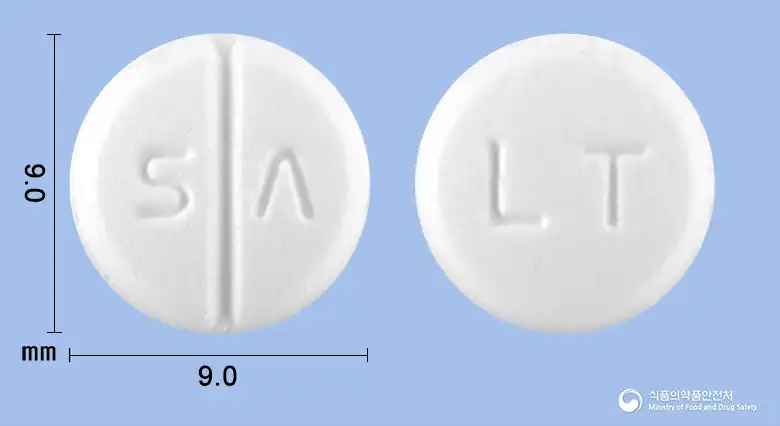
Loxoprofen Sodium Hydrate 68.1mg
Tablet · Prescription medication
Sama Pharmaceutical Co., Ltd.
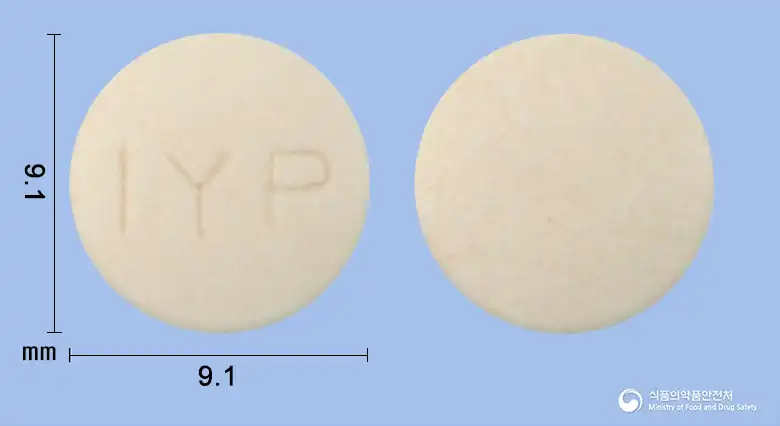
Loxoprofen Sodium 68.1mg
Tablet · Prescription medication
Il Yang Pharmaceutical Co., Ltd.
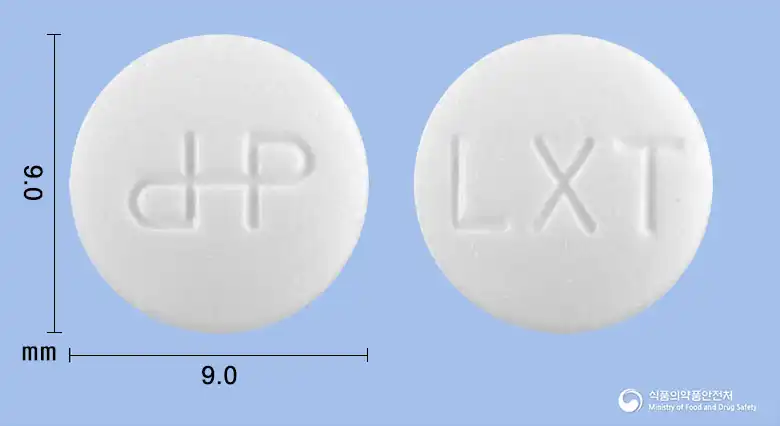
Loxoprofen Sodium Hydrate 68.1mg
Tablet · Prescription medication
Daehwa Pharmaceutical Co., Ltd.
Even with the same ingredient, the dose and directions can differ by strength and dosage form. Talk to a doctor or pharmacist before switching from a medication you are already taking.
No questions yet.
For anything that needs medical judgment, consult a doctor or pharmacist.
This drug information is based on data provided by the Korea Ministry of Food and Drug Safety.
Consult a doctor or pharmacist for accurate dosage, administration, and usage instructions.