
 한국어
한국어 English
 日本語
日本語 中文(简体)
 Viewing nowCombination
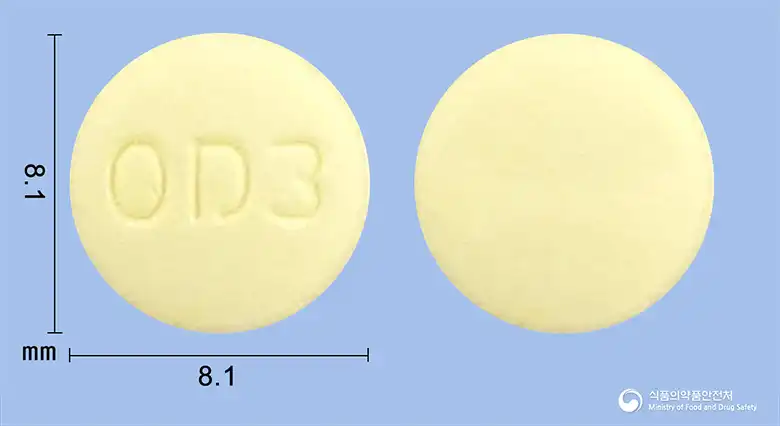
Oldip Tablet 10/40 Milligrams
Amlodipine Besylate 13.888mg · Olmesartan Medoxomil 40mg
Tablet · Prescription medication · Combination
Ilhwa Co., Ltd.
MFDS item code 201404995 · Approved 2014.10.28 · Insurance code 640902830
Improvement in blood pressure control for essential hypertension
Amlodipine or Olmesartan Medoxomil is used for patients with essential hypertension who have difficulty controlling blood pressure. These medications relax blood vessels and lower blood pressure. It is used as a treatment when blood pressure control is insufficient with monotherapy. Regular use can stabilize blood pressure and help reduce the risk of complications from hypertension. Therefore, it is effectively used in the treatment of essential hypertension.
This medication is administered as one tablet once daily with or without food. It is recommended to take it at the same time each day (e.g., in the morning). The initial dosage is 5/20 milligrams, and if blood pressure is not adequately controlled, it can be increased to 10/20 milligrams, 5/40 milligrams, or 10/40 milligrams. The maximum dosage is 10/40 milligrams. For patients with renal impairment, liver impairment, or the elderly, dosage adjustments may be necessary.
The safety and efficacy of this medication have not been established for pediatric patients under 18 years of age.
This medication can cause serious harm or death to the fetus and newborn during the second and third trimesters of pregnancy, so it should be stopped immediately upon confirmation of pregnancy. Patients with allergy to any of the main ingredients or similar drug classes, women who are pregnant or breastfeeding, patients with severely impaired liver or kidney function, and those with certain heart diseases should not take this medication. Patients with insufficient water or salt levels may experience hypotension, so their condition should be monitored closely during the initial dosage, and appropriate measures should be taken if hypotension occurs. Although rare, there may be instances of sudden vasodilation leading to hypotension, so special care should be taken in patients with heart valve diseases. Patients with cardiovascular diseases or heart failure may experience worsening symptoms with this medication, and should take it cautiously under the guidance of a physician. Patients with compromised kidney function are at higher risk for further kidney impairment while taking this medication, so regular monitoring is necessary. Patients with liver dysfunction may experience delayed metabolism of this medication, requiring careful attention during use. During treatment with this medication, side effects such as dizziness, headache, hypotension, digestive disorders, rash, and edema may occur, and patients should consult a doctor if symptoms are severe or persistent. Taking this medication while pregnant may pose a risk to the fetus, so those planning to become pregnant or who are already pregnant should consult their physician. Breastfeeding may pass this medication into breast milk and affect the baby, so mothers should consult their physician on whether to continue or stop breastfeeding. The safety and efficacy of this medication have not been established for children under 18 years of age, and it is not recommended. Elderly patients should exercise extra caution due to decreases in liver, kidney, and heart function, and it is generally advisable to start with a lower dosage. In case of overdose, severe hypotension and vascular dilation may occur, and if symptoms arise, immediate hospital treatment is necessary. This medication should be stored in a tightly closed container, away from moisture, heat, and direct sunlight, out of the reach of children.
Urticaria, severe swelling (edema), difficulty breathing, severe allergic reactions, respiratory distress, yellowing of the skin (jaundice), liver abnormalities, severe skin reactions, facial swelling, angioedema, hair loss, acute renal failure, increased blood creatinine, leukopenia, thrombocytopenia, toxic epidermal necrolysis, rhabdomyolysis, headache, confusion, worsening of cerebral infarction, severe edema accompanied by increased blood pressure, decreased urine output, severe edema or abdominal
Not everyone experiences these, and they can vary from person to person.
This medication is susceptible to air and moisture, so it should be stored in a tightly closed container. Additionally, it is safest to store it at room temperature between 1°C and 30°C, avoiding excessively hot or cold places.
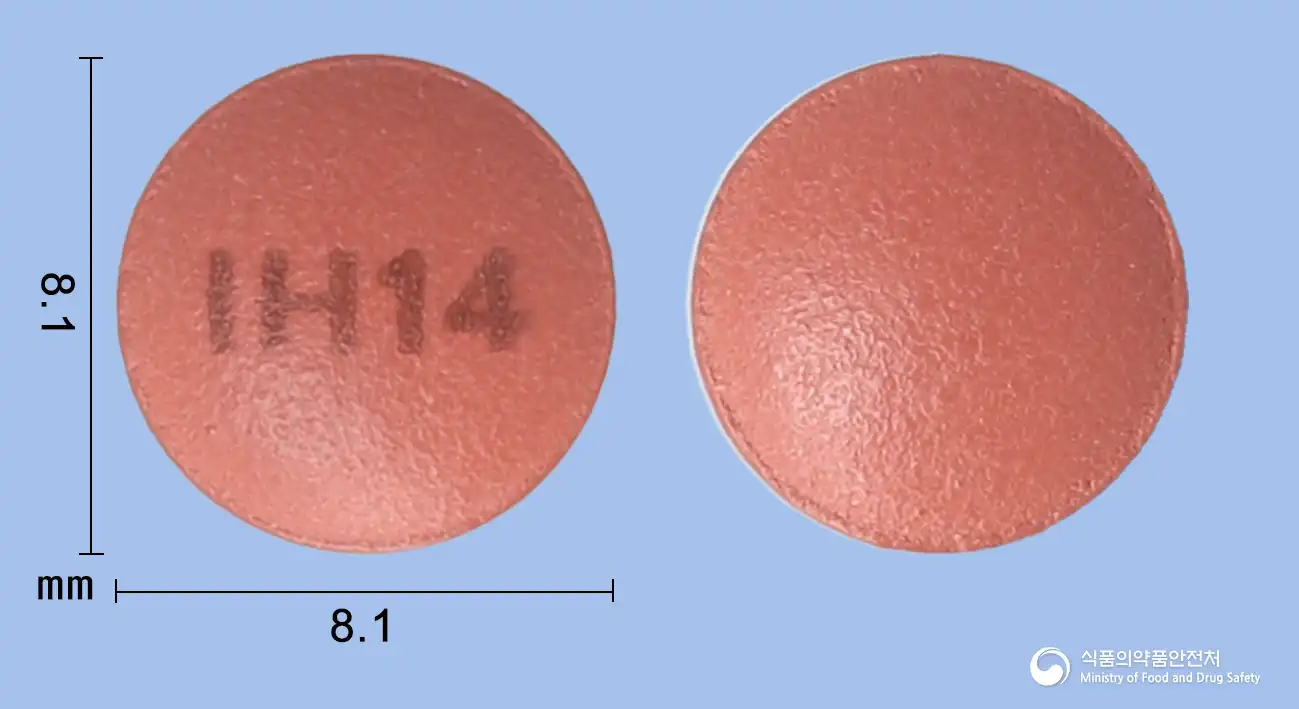
Brownish-red round film-coated tablet
28 tablets/box [(14 tablets/PTP x2)]
Even with the same ingredient, strength, dosage form and how it is taken can differ.
Viewing nowCombinationAmlodipine Besylate 13.888mg · Olmesartan Medoxomil 40mg
Tablet · Prescription medication · Combination
Ilhwa Co., Ltd.
 Combination
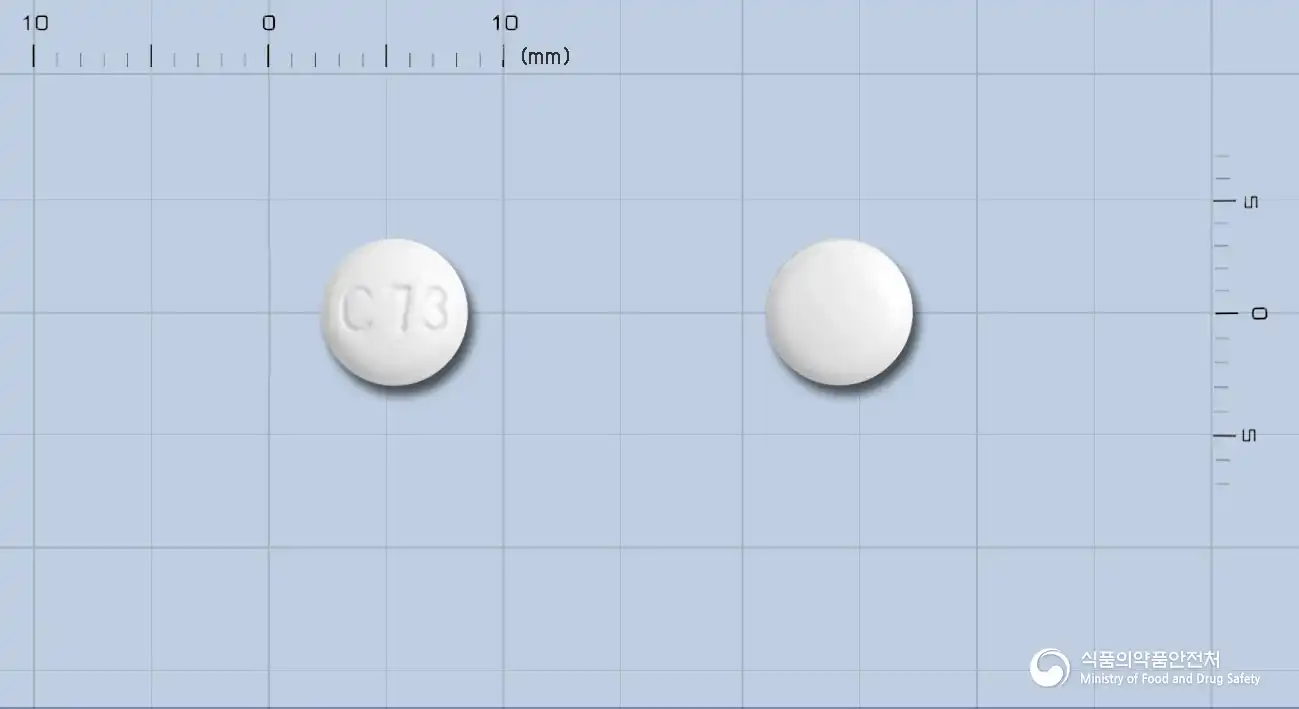
Olmesartan Medoxomil 20mg · Amlodipine Besylate 6.944mg
Tablet · Prescription medication · Combination
Korea Daiichi Sankyo Co., Ltd.
 Combination
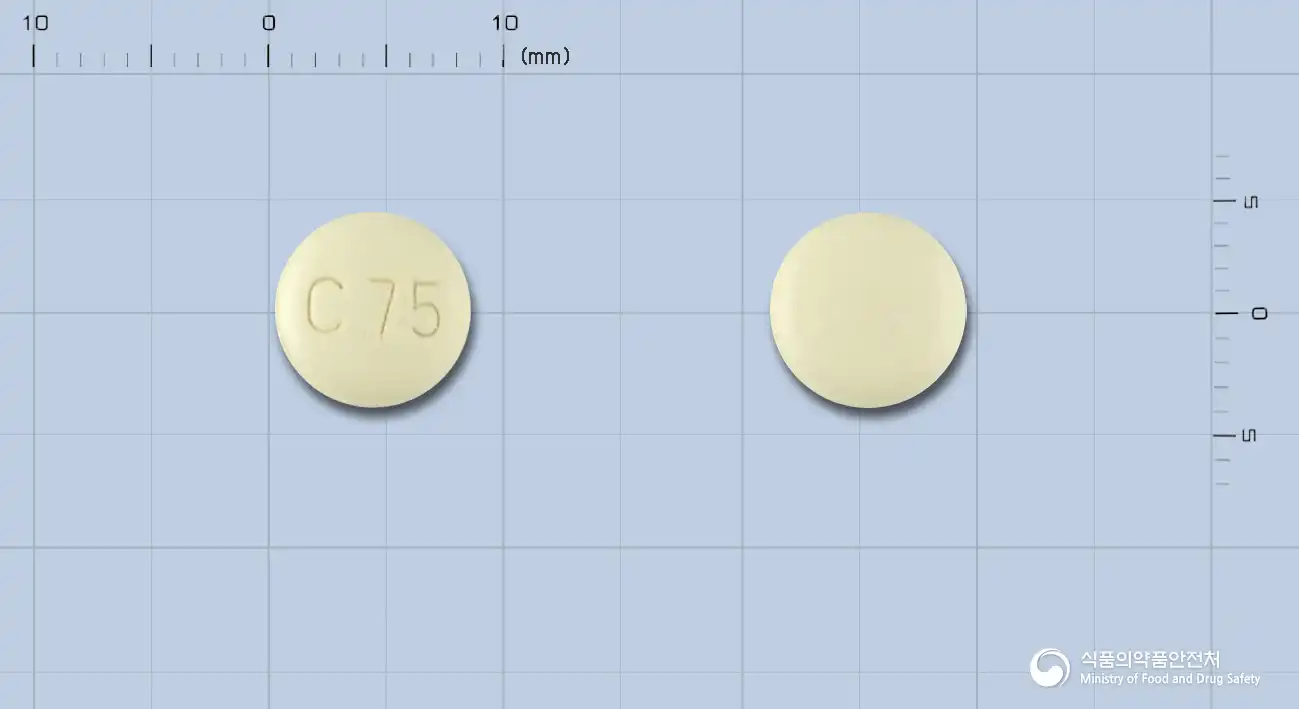
Olmesartan Medoxomil 40mg · Amlodipine Besylate 6.944mg
Tablet · Prescription medication · Combination
Korea Daiichi Sankyo Co., Ltd.
 Combination
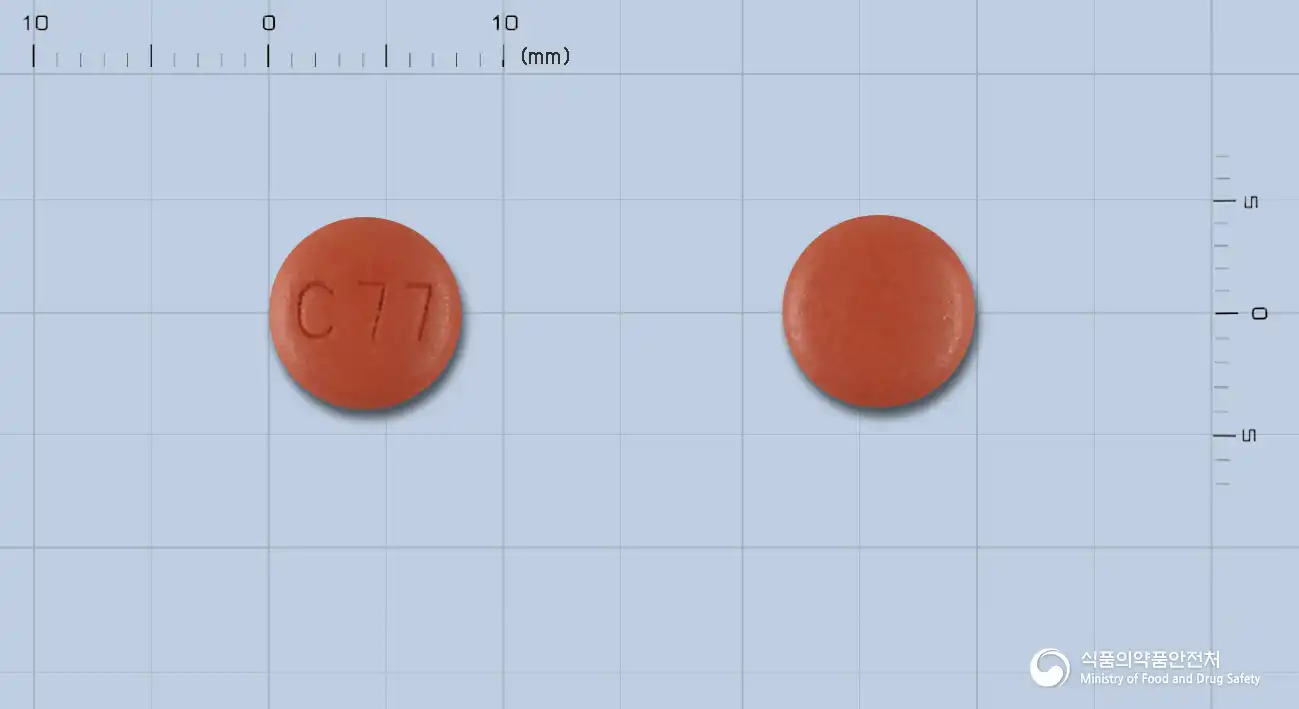
Olmesartan Medoxomil 40mg · Amlodipine Besylate 13.888mg
Tablet · Prescription medication · Combination
Hanmi Daiichi Sankyo Co., Ltd.
Olmesartan Medoxomil · Amlodipine Besylate
Prescription medication · Combination
SYNEX Co., Ltd.
Olmesartan Medoxomil · Amlodipine Besylate
Prescription medication · Combination
Co., Ltd. Sainex
Olmesartan Medoxomil · Amlodipine Besylate
Prescription medication · Combination
SYNEX Co., Ltd.
 Combination
Amlodipine Besylate 6.944mg · Olmesartan Medoxomil 40mg
Tablet · Prescription medication · Combination
Huons Co., Ltd.
Even with the same ingredient, the dose and directions can differ by strength and dosage form. Talk to a doctor or pharmacist before switching from a medication you are already taking.
No questions yet.
For anything that needs medical judgment, consult a doctor or pharmacist.
This drug information is based on data provided by the Korea Ministry of Food and Drug Safety.
Consult a doctor or pharmacist for accurate dosage, administration, and usage instructions.