
 한국어
 English
 日本語
 中文(简体)
 Viewing now
Maxsen Soft Capsule (Naproxen)
Naproxen 250mg
Soft capsule · OTC medication
Cosmax Pharma Co., Ltd.
MFDS item code 201404850 · Notified 2014.10.23
Relief of pain (such as dysmenorrhea and migraine), arthritis, and musculoskeletal inflammation and injury
This medication is effectively used for rheumatoid arthritis, osteoarthritis, ankylosing spondylitis, tendinitis, acute gout, and dysmenorrhea. It is also used for various pain and inflammatory conditions such as bursitis, muscle strains or sprains, postoperative pain, migraines, and pain after tooth extraction. It helps alleviate various types of joint and muscle disorders, thereby improving the quality of life for patients.
1. Rheumatoid arthritis, osteoarthritis, ankylosing spondylitis Adults: Administer 250~500㎎ of naproxen orally per dose, twice daily (every 12 hours). 2. Acute gout Adults: Administer an initial dose of 750㎎ of naproxen orally, followed by 250㎎ orally at 8-hour intervals until the attack resolves. 3. Skeletal muscle disorders, postoperative pain, pain after tooth extraction, dysmenorrhea, tendinitis, bursitis Adults: Administer an initial dose of 500㎎ of naproxen orally, followed by 250㎎ at 6~8-hour intervals. Do not exceed a total daily dose of 1,250㎎. 4. Migraine Adults: Administer an initial dose of 750㎎ of naproxen orally. If necessary, an additional 250-500㎎ may be administered on the first day, 30 minutes after the initial dose. Do not exceed a total daily dose of 1250㎎. Adjust the dose appropriately according to age and symptoms.
This drug may cause gastrointestinal bleeding if taken by individuals who regularly consume more than three alcoholic beverages per day, so it is essential to consult with a physician or pharmacist. Patients with cardiovascular diseases or risk factors should be cautious as this drug increases the risk of cardiovascular problems such as myocardial infarction and stroke. This drug can lead to serious issues such as gastrointestinal bleeding, ulcers, or perforation, particularly in the elderly or those with a history of gastrointestinal diseases, so extra caution is necessary. Patients with peptic ulcers, severe blood disorders, liver impairment, heart failure, kidney impairment, or severe hypertension should avoid taking this medication. Those with hypersensitivity, asthma, rhinitis, or a history of drug allergies should also use this drug cautiously and it should not be used for specific postoperative pain management. Long-term use of this medication may affect liver and kidney function, so regular monitoring and physician supervision is needed. If any unusual symptoms such as headache, rash, difficulty breathing, indigestion, bleeding, or swelling occur while taking the medication, the patient should stop taking it immediately and consult a healthcare professional. Co-administration with other non-steroidal anti-inflammatory drugs or specific medications may increase efficacy or side effects, therefore it is necessary to consult a physician. This medication should be avoided during pregnancy, especially in the later stages, as it may harm the fetus, and it is also best not to use it while breastfeeding. Children, especially those under 2 years of age, should not be given this medication as its safety has not been established. Elderly individuals are at higher risk for gastrointestinal bleeding, so they should start at the minimum dose and be closely monitored while taking the medication. In case of overdose, symptoms such as drowsiness, indigestion, and vomiting may occur, and appropriate medical treatment should be sought immediately. This drug should be stored out of the reach of children and should not be transferred to other containers.
Shock symptoms, dyspnea, hypotension, bradycardia, diaphoresis, edema, PIE syndrome, fever, wheezing, cough, sputum, urticaria, rash, pruritus, hematemesis, gastrointestinal bleeding, peptic ulcer, perforation, discomfort in the upper abdomen, abdominal pain, nausea, vomiting, loss of appetite, dyspepsia, heartburn, diarrhea, constipation, stomatitis, abdominal distension, melena, thirst, agranulocytosis, eosinophilia, leukopenia, thrombocytopenia, aplastic anemia, hemolytic anemia, decreased platelet function, elevated GOT, elevated GPT, jaundice, hepatitis, renal impairment, glomerulonephritis, hematuria, hyperkalemia, interstitial nephritis, nephrotic syndrome, renal papillary necrosis, proteinuria, renal failure, aseptic meningitis, headache, insomnia, neck stiffness, altered consciousness, drowsiness, cognitive dysfunction, dizziness, paresthesia in the extremities, decreased libido, fatigue, depression, abnormal dreams, loss of concentration, disorientation, myalgia, muscle weakness, eczema, sweating, purpura, photosensitivity, hair loss, erythema, necrotizing lysis, erythema multiforme, Stevens-Johnson syndrome, epidermolysis bullosa, drug reactions with eosinophilia and systemic symptoms, fixed drug eruption, tinnitus, hearing impairment, visual impairment, edema, palpitations, myasthenia, congestive heart failure, eosinophilic pneumonia, anaphylactic reaction, menstrual disorders, chills, fever, vasculitis, hyperglycemia, hypoglycemia
Not everyone experiences these, and they can vary from person to person.
Do not take this drug with other non-steroidal anti-inflammatory drugs or Naproxen derivatives. Consult a physician or pharmacist if taking with hydantoin-type anticonvulsants, sulfonamides, sulfonylureas for blood glucose control, propranolol and other beta-blockers, ACE inhibitors, loop and thiazide diuretics, probenecid, aspirin, lithium, methotrexate, coumarin-type anticoagulants, zidovudine, or quinolone antibiotics.
This medication should be stored in a tightly sealed container to protect it from exposure to air or light, ideally at room temperature between 1 and 30 degrees Celsius. Storing it this way helps maintain its effectiveness and prevents degradation.
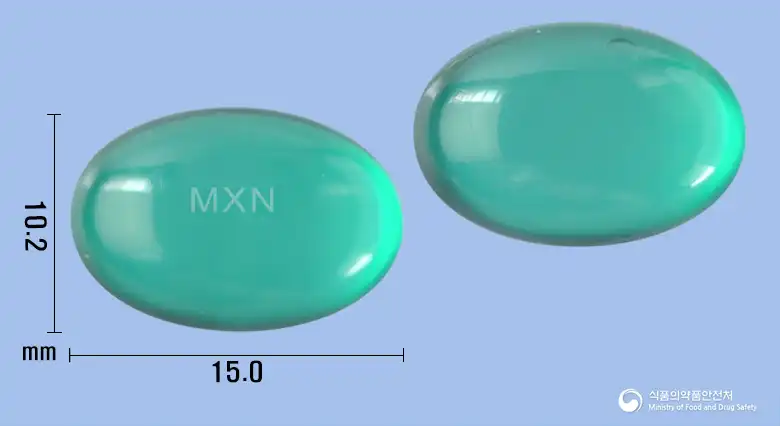
Transparent turquoise oval-shaped soft capsule filled with a colorless liquid
For domestic use - 10 capsules/box [10 capsules/PTP X 1], For domestic use - 30 capsules/bottle
Even with the same ingredient, strength, dosage form and how it is taken can differ.
Viewing nowNaproxen 250mg
Soft capsule · OTC medication
Cosmax Pharma Co., Ltd.

Naproxen 250mg
Tablet · OTC medication
Jongkundang

Naproxen 500mg
Tablet · Prescription medication
Jonggeun Dang Co., Ltd.
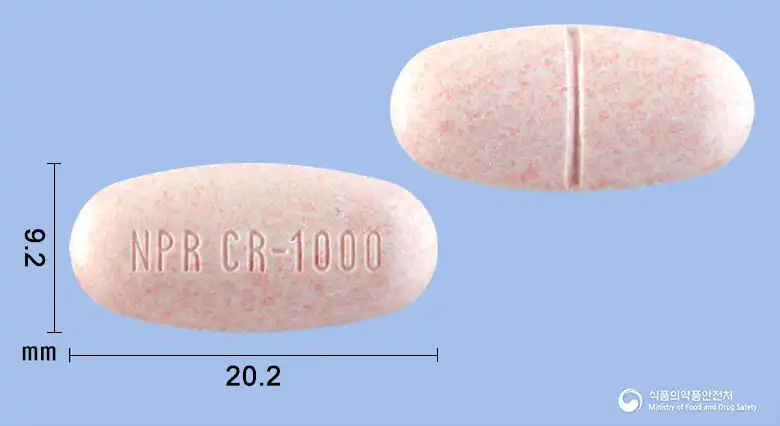
Naproxen 1000mg
Tablet · Prescription medication
Jongkundang Co., Ltd.

Naproxen 250mg
Soft capsule · OTC medication
Alpibio Co., Ltd.

Naproxen 250mg
Soft capsule · OTC medication
(GC Pharma)

Naproxen 250mg
Soft capsule · OTC medication
Seohung Co., Ltd.
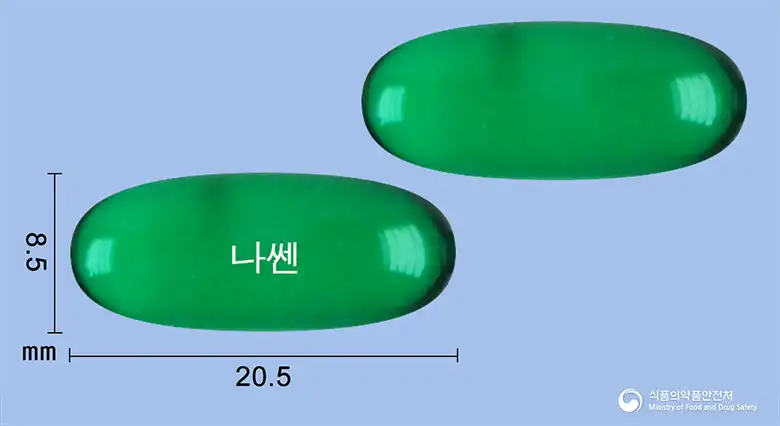
Naproxen 250mg
Soft capsule · OTC medication
Shinil Pharm Co., Ltd.
Even with the same ingredient, the dose and directions can differ by strength and dosage form. Talk to a doctor or pharmacist before switching from a medication you are already taking.
No questions yet.
For anything that needs medical judgment, consult a doctor or pharmacist.
This drug information is based on data provided by the Korea Ministry of Food and Drug Safety.
Consult a doctor or pharmacist for accurate dosage, administration, and usage instructions.