
 한국어
 English
 日本語
 中文(简体)
 Viewing now
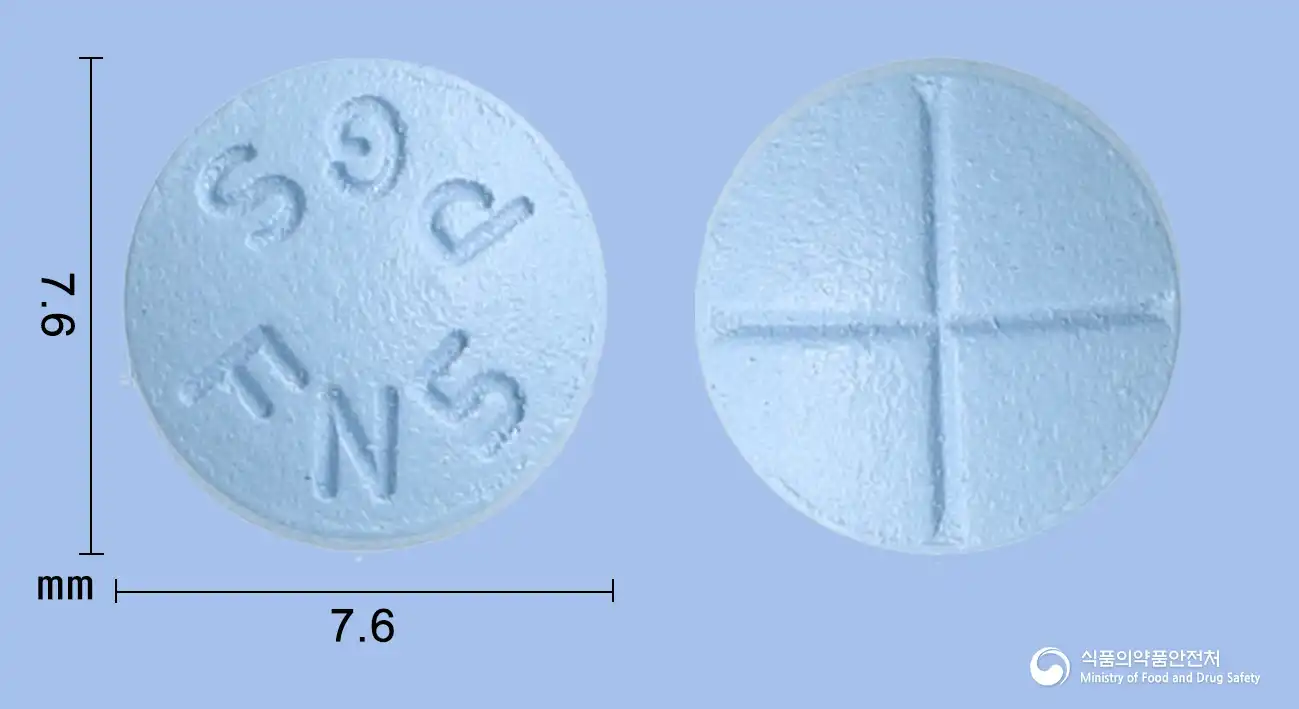
Finaprose Tablet (Finasteride)
Finasteride 5mg
Tablet · Prescription medication
Farmgen Science Co., Ltd.
MFDS item code 201403977 · Approved 2014.08.26 · Insurance code 670103670
Improvement of benign prostatic hyperplasia (symptoms, urinary flow, etc.); reduction of the risk of acute urinary retention and the need for surgery
This medication improves symptoms caused by benign prostatic hyperplasia and helps to reduce the enlarged prostate, facilitating smooth urinary flow. It also decreases the frequency of acute urinary retention, thereby alleviating discomfort. As a result, it helps to decrease the need for prostate surgery or resection, making it effective for improving prostate health and urinary function.
Administer 5 mg of finasteride orally once daily, regardless of meals. Treatment for at least 6 months is required, even if symptoms improve while taking this medicine. Patients with renal impairment: Since no pharmacokinetic changes were observed with administration of this medicine, dosage adjustment is not necessary in patients with various degrees of renal impairment (creatinine clearance: 9.0 mL/min). Elderly patients: Although elimination of this medicine is slightly reduced in patients aged 70 years or older, dosage adjustment is not necessary.
This medication should not be used in children or women. In particular, women who are or may become pregnant should not handle broken pieces of this medication, as it could pose a potential risk to male fetuses. During treatment with this medication, symptoms of depression or mood changes may occur, and if these symptoms arise, it is essential to consult a healthcare professional immediately. Patients with hypersensitivity or genetic issues such as lactose intolerance should not take this medication. Patients with impaired liver function should use this medication cautiously, as there may be a risk of adverse reactions. Although this medication is generally safe, side effects related to sexual function may occur. For instance, erectile dysfunction, reduced libido, and ejaculation disorders have been reported, and some patients may also experience gynecomastia or breast pain. The association between long-term use and the development of male breast cancer is not clear, but careful monitoring is advised. This medication may increase the risk of prostate cancer, so regular check-ups and monitoring of PSA levels are necessary. There are no significant interactions with other medications, and it does not affect the CYP-450 enzyme, making it relatively safe to be used in combination with various medications. Pregnant or nursing individuals should not take this medication, as taking it during pregnancy poses a risk of genital abnormalities in the fetus. Safety in children has not been established, so it is not used in this population. Elderly patients can use this medication in the same manner as adult patients, and no dose adjustment is necessary. This medication may lower prostate-specific antigen (PSA) levels, so caution is needed when interpreting PSA test results. There are no specific detoxification methods for overdose, but reported adverse reactions are rare. Keep out of reach of children, and it is advisable not to transfer to other containers.
Not everyone experiences these, and they can vary from person to person.
This medication should be stored in a container that blocks light, and it is best to keep it at room temperature between 1 to 30 degrees Celsius. This helps maintain the medication's effectiveness for a longer duration.
Blue round film-coated tablets
30 tablets (10 tablets/PTP x 3)
Even with the same ingredient, strength, dosage form and how it is taken can differ.
Viewing nowFinasteride 5mg
Tablet · Prescription medication
Farmgen Science Co., Ltd.
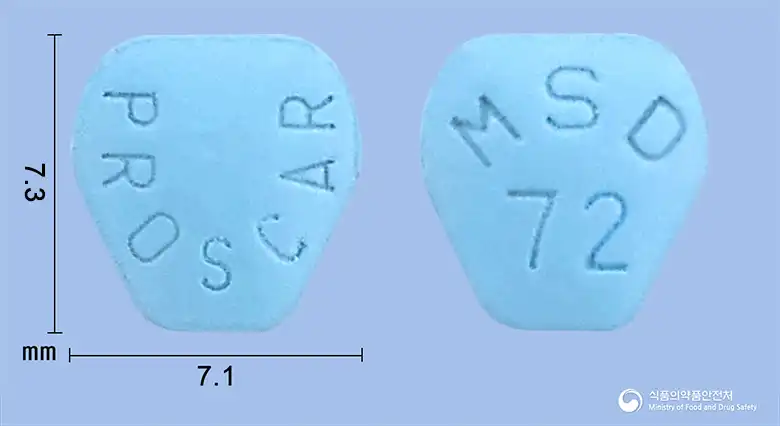
Finasteride 5mg
Tablet · Prescription medication
Korea Organon Co., Ltd.
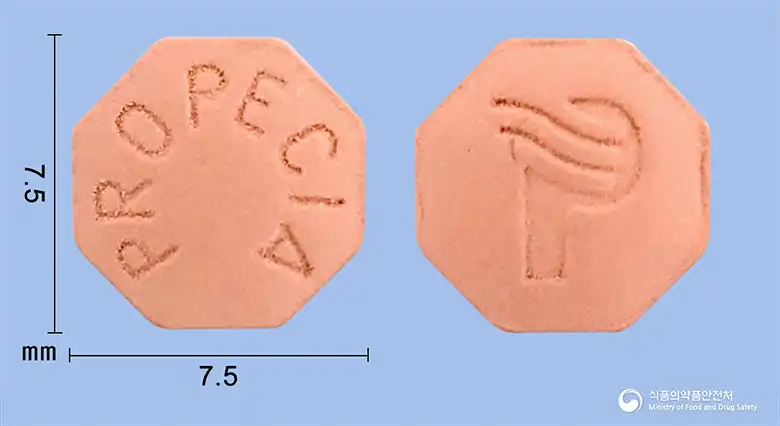
Finasteride 1mg
Tablet · Prescription medication
Korea Organon Co., Ltd.
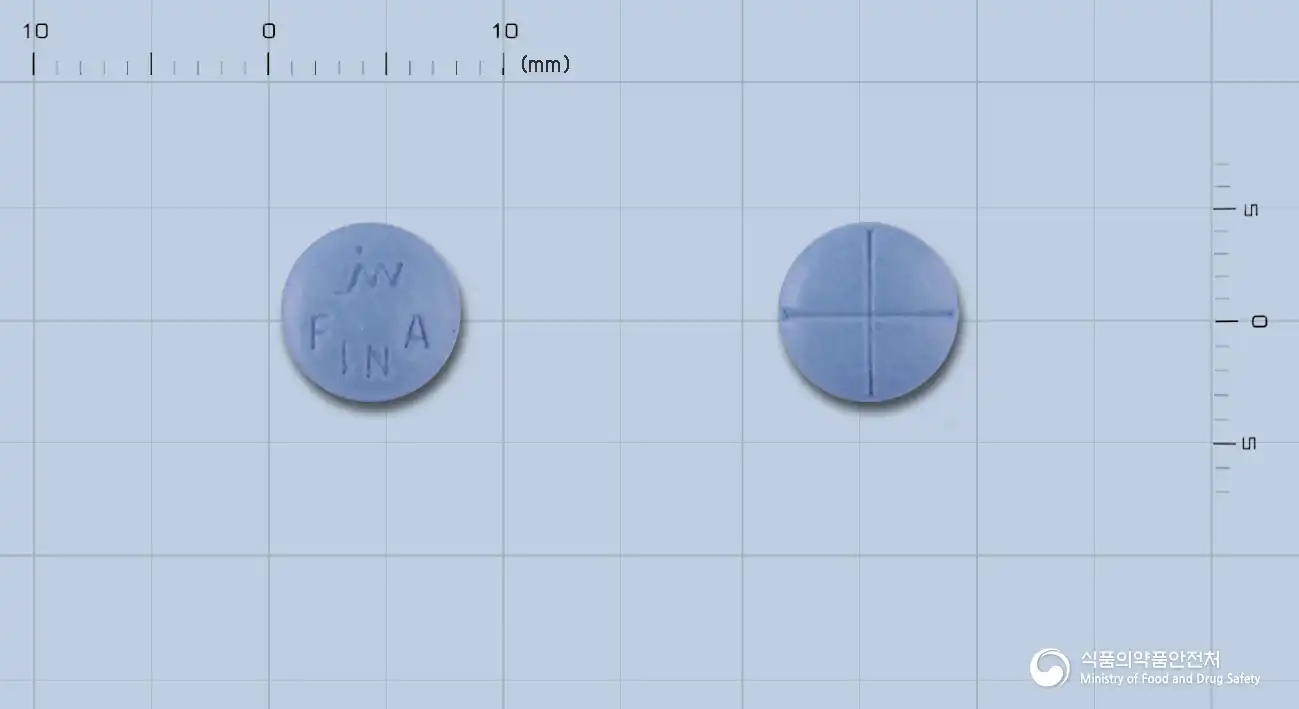
Finasteride 5mg
Tablet · Prescription medication
JW Pharmaceutical Co., Ltd.
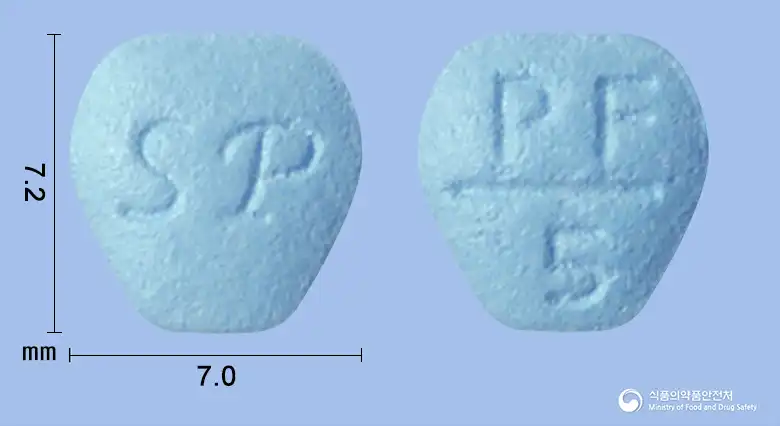
Finasteride 5mg
Tablet · Prescription medication
Shinpoong Pharmaceutical Co., Ltd.
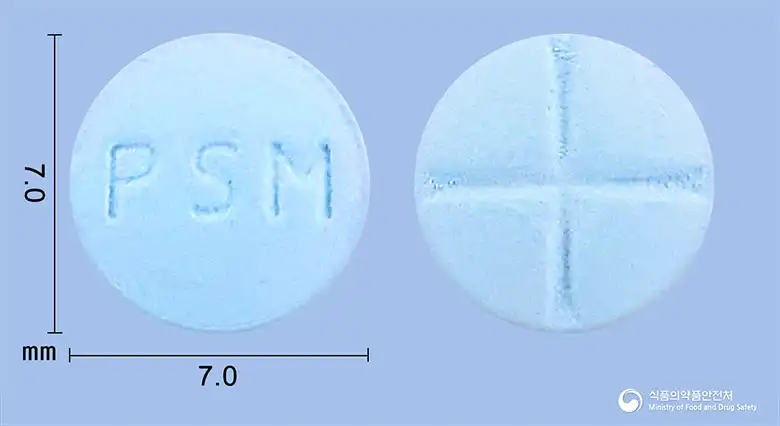
Finasteride 5mg
Tablet · Prescription medication
(Jongkundang Co., Ltd.)
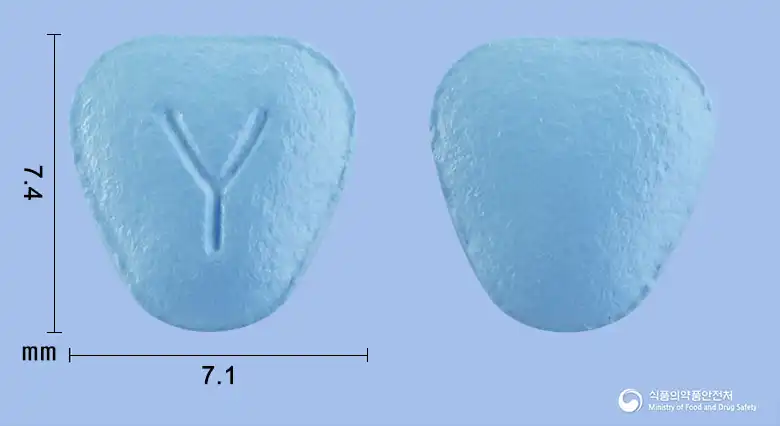
Finasteride 5mg
Tablet · Prescription medication
IYun Pharmaceutical Co., Ltd.
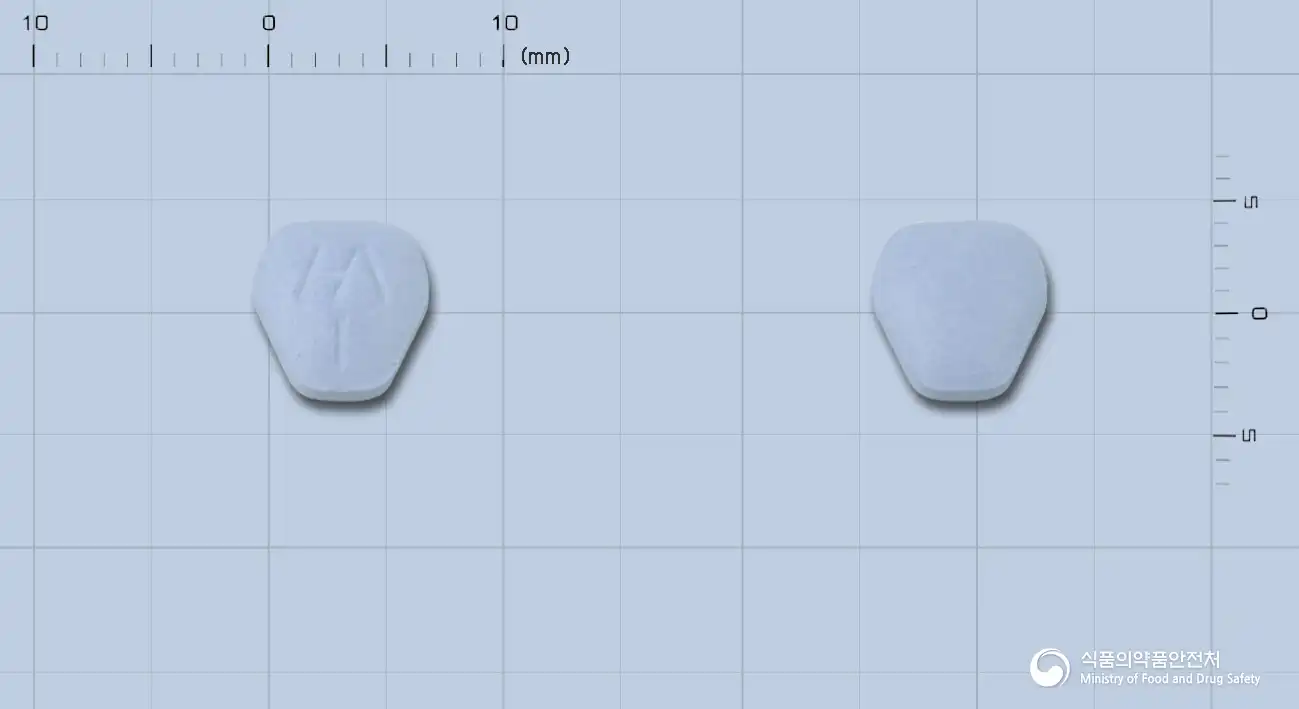
Finasteride 5mg
Tablet · Prescription medication
Hanol Biopharma Co., Ltd.
Even with the same ingredient, the dose and directions can differ by strength and dosage form. Talk to a doctor or pharmacist before switching from a medication you are already taking.
No questions yet.
For anything that needs medical judgment, consult a doctor or pharmacist.
This drug information is based on data provided by the Korea Ministry of Food and Drug Safety.
Consult a doctor or pharmacist for accurate dosage, administration, and usage instructions.