
 한국어
 English
 日本語
 中文(简体)
Dosage form image
Viewing nowPataday Eye Drops (Olopatadine Hydrochloride)
Olopatadine Hydrochloride 1.11mg
Eye drops · Prescription medication
Genewon Science Co., Ltd.
MFDS item code 201403246 · Approved 2014.07.18 · Insurance code 671704281
Treatment of symptoms of allergic conjunctivitis
Used to relieve symptoms such as itching, redness, and tearing of the eyes due to allergic conjunctivitis.
Instill 1 drop per dose 2 times daily (6~8 hours apart). If necessary, treatment may continue for up to 4 months. Discard any remaining solution and the container immediately after instillation. (For single-use containers only)
This medication should not be used by individuals who are allergic to the active or inactive ingredients. During use, neurological symptoms such as headaches, taste disturbances, and dizziness may occur. Ocular symptoms may include keratitis, eye pain, dry eyes, itching, and redness, so caution should be exercised. Symptoms such as nasal dryness, rhinitis, dry mouth, dermatitis, and fatigue may rarely occur. Following the use of this medication, vision may be temporarily blurred, so one should wait until vision clears before driving or operating machinery. If there is no effect after long-term use, it is best not to continue using it, and if steroids are used simultaneously, the dosage should be gradually reduced under medical supervision. Do not use this medication while wearing contact lenses, and only wear them after more than 15 minutes have passed since using this medication. If you are pregnant or breastfeeding, use this medication cautiously and consult your doctor. Safety and efficacy have not been established in children, especially those under 3 years of age. This medication is for topical use in the eyes only; do not use it for any other purpose. Store it in a cool place, away from direct sunlight, and out of reach of children. In case of overdose, immediate medical attention and observation are required. Additionally, this medication may affect the results of allergy tests, so it is recommended not to use it before such tests.
Not everyone experiences these, and they can vary from person to person.
Store this medication in a light-blocking and air-tight container. It is advisable to maintain the storage temperature between 4 degrees and 25 degrees Celsius.
A colorless to slightly yellow liquid contained in an opaque white plastic bottle for eye drops.
6 mL/bottle
Even with the same ingredient, strength, dosage form and how it is taken can differ.
Olopatadine Hydrochloride 1.11mg
Eye drops · Prescription medication
Genewon Science Co., Ltd.
Olopatadine Hydrochloride 1.11mg
Eye drops · Prescription medication
Novartis Korea Co., Ltd.
Olopatadine Hydrochloride 5mg
Tablet · Prescription medication
Korea Kyowa Kirin Co., Ltd.
Olopatadine Hydrochloride 2.22mg
Eye drops · Prescription medication
Novartis Korea Co., Ltd.
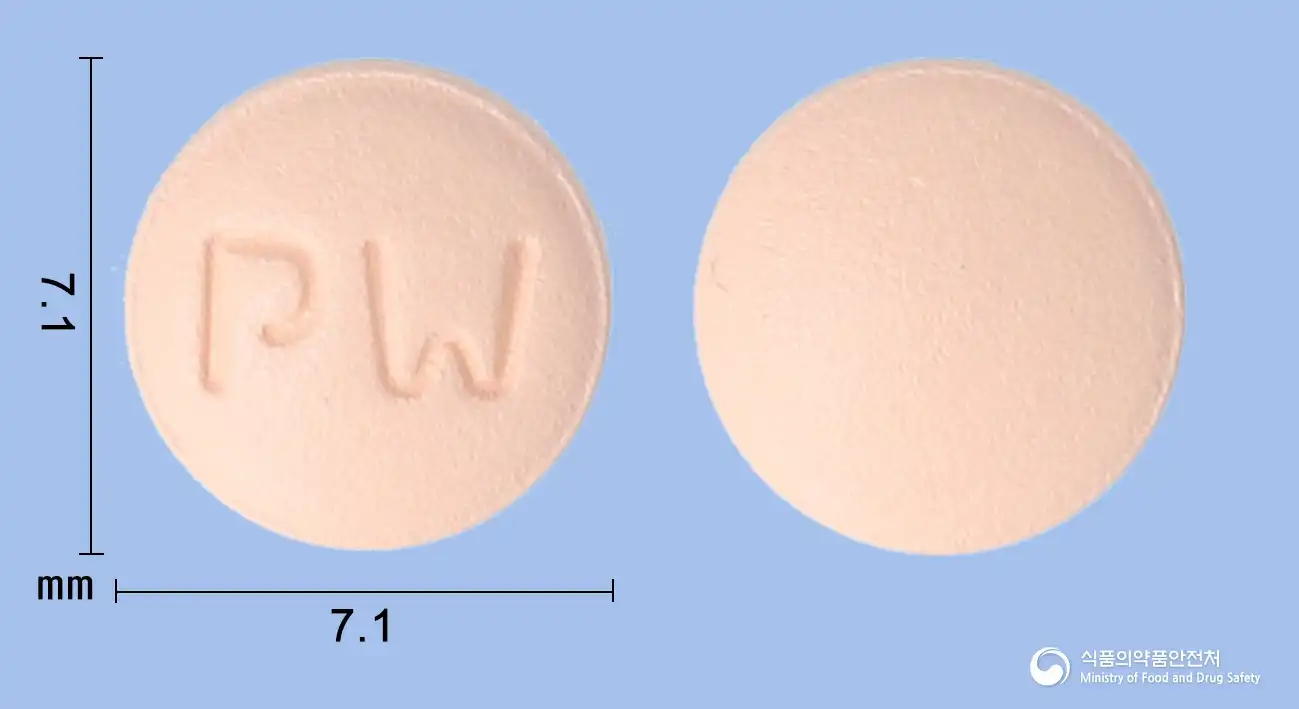
Olopatadine Hydrochloride 5mg
Tablet · Prescription medication
Daewoong Pharmaceutical Co., Ltd.
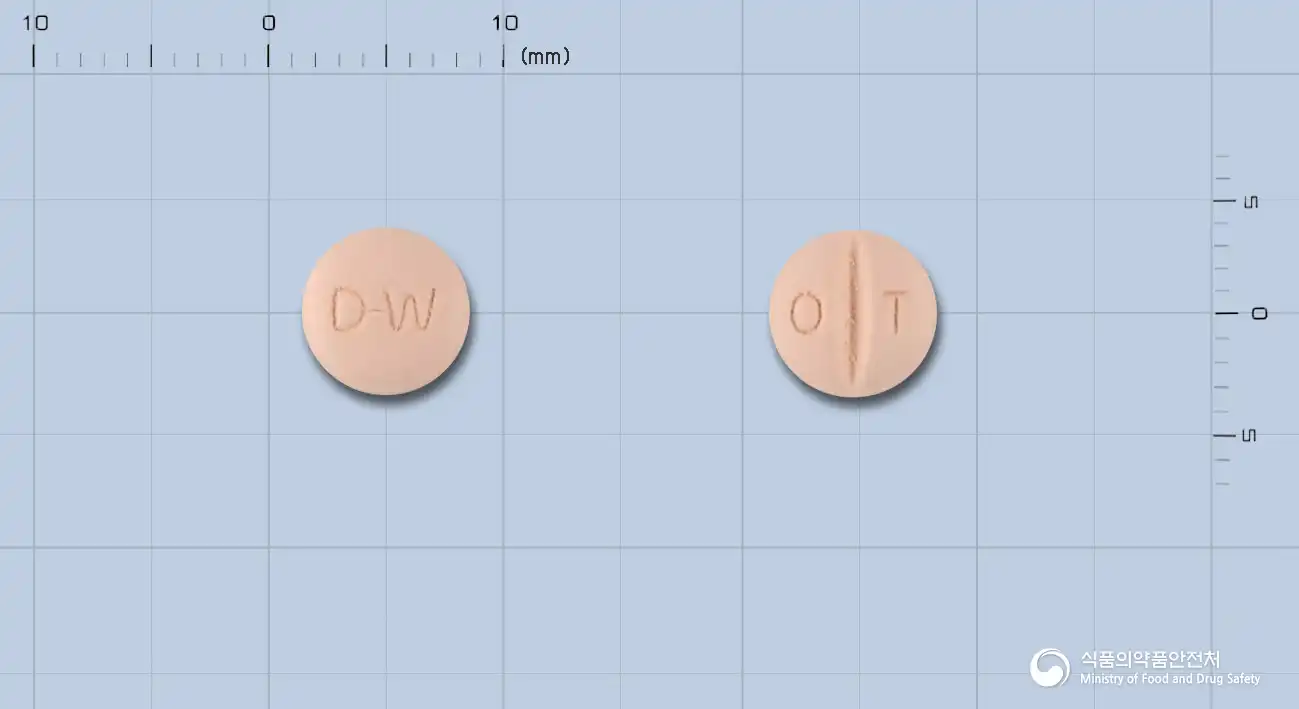
Olopatadine Hydrochloride 5mg
Tablet · Prescription medication
Dongwha Pharmaceutical Co., Ltd.
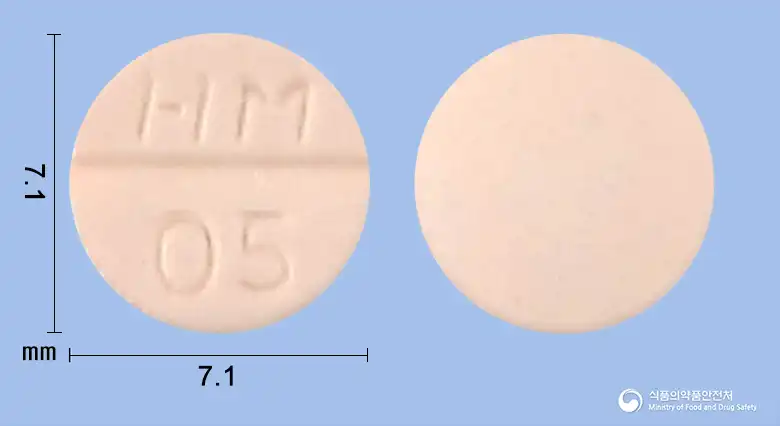
Olopatadine Hydrochloride 5mg
Tablet · Prescription medication
Hanmi Pharmaceutical Co., Ltd.
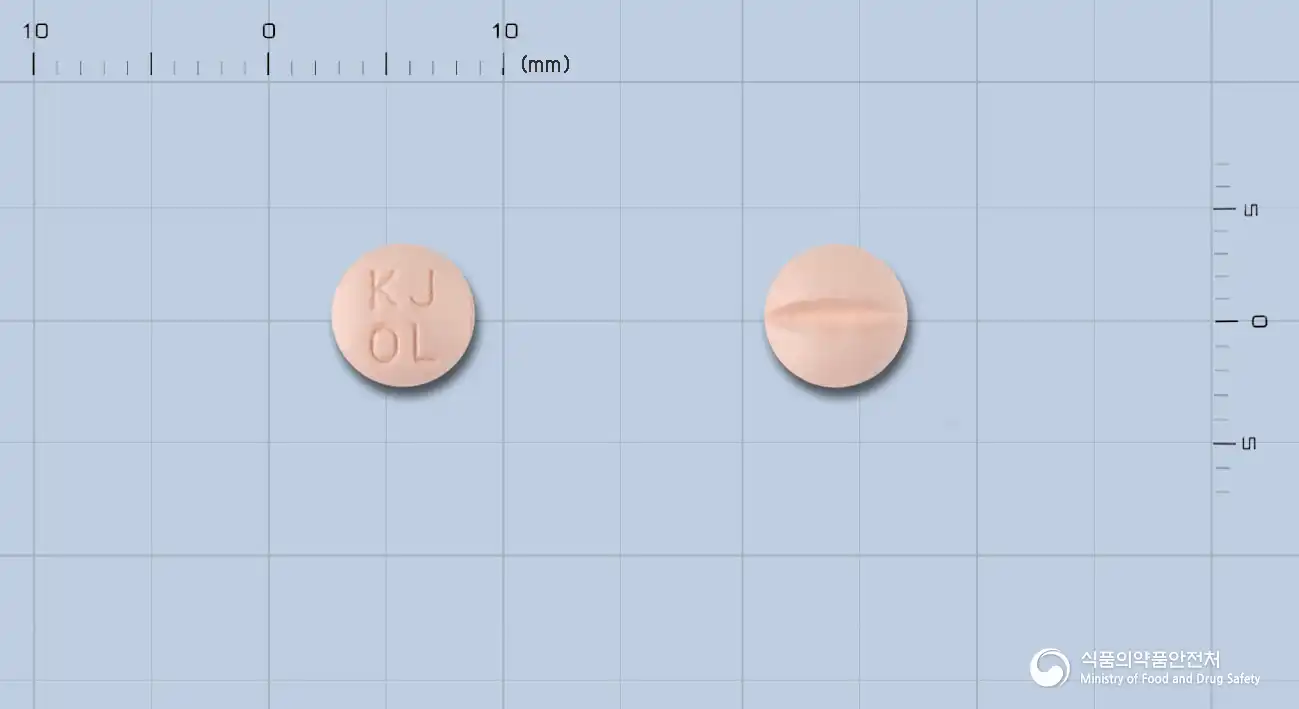
Olopatadine Hydrochloride 5mg
Tablet · Prescription medication
International Pharmaceutical Co., Ltd.
Even with the same ingredient, the dose and directions can differ by strength and dosage form. Talk to a doctor or pharmacist before switching from a medication you are already taking.
No questions yet.
For anything that needs medical judgment, consult a doctor or pharmacist.
This drug information is based on data provided by the Korea Ministry of Food and Drug Safety.
Consult a doctor or pharmacist for accurate dosage, administration, and usage instructions.