
 한국어
 English
 日本語
 中文(简体)
Dosage form image
Viewing nowLopadine Eye Drops (Olopatadine Hydrochloride)
Olopatadine Hydrochloride 1.11mg
Eye drops · Prescription medication
Daehan Pharmaceutical Industrial Co., Ltd.
MFDS item code 201402896 · Approved 2014.06.30 · Insurance code 645104241
Treatment of symptoms of allergic conjunctivitis
This drug is used to relieve symptoms such as itching, redness, and tearing of the eyes caused by allergic conjunctivitis. It helps reduce eye inflammation and discomfort, allowing patients to maintain a more comfortable eye condition.
Instill 1 drop into the eye twice daily (6~8 hours apart). If necessary, treatment may be continued for up to 4 months. Discard any remaining solution and the container immediately after use. (For single-use products only)
This drug should not be used by individuals who are allergic to its active ingredient or any of its components. Using this drug may rarely cause neurological symptoms such as headaches or taste abnormalities. Dizziness is also occasionally reported. Ocular issues may include punctate keratitis, keratitis, eye pain, dry eyes, periorbital swelling, itchiness, discharge, redness, and skin changes around the eyelids, which may occur relatively infrequently. Glare, blurred vision, and eyelid erythema may occur rarely. Dryness of the nose or symptoms of rhinitis may occur rarely, and reports of dry mouth or contact dermatitis have also been observed. Fatigue may occur relatively infrequently. During use, eyes may become overly sensitive, and reports of weakness, cold symptoms, nausea, pharyngitis, sinusitis, skin rashes, abdominal pain, liver function abnormalities, jaundice, elevated blood pressure, decreased white blood cells and lymphocytes, abnormal kidney function, and urinary difficulties have been noted occasionally. The phosphate component in this drug may very rarely cause corneal calcification in patients with severe corneal damage, thus caution is required. This drug is for ocular use only, and temporary blurring of vision may occur after use, so driving or operating machinery should be avoided until vision returns to normal. If the medication is ineffective after prolonged use, it is advisable to discontinue use, and patients undergoing steroid treatment should gradually reduce the dosage according to the physician's instructions. Seasonal allergy patients should start this medication before the symptoms begin and continue using it until the symptoms resolve. The preservative benzalkonium chloride in this drug may cause eye irritation and may discolor contact lenses; therefore, lens wearers should insert their lenses at least 15 minutes after instillation. It is advisable to avoid wearing contact lenses when your eyes are red. The safety of this drug during pregnancy has not been sufficiently established; thus, it should be used with caution after consulting a physician. During breastfeeding, this drug may pass into breast milk, so advice from a physician is recommended. The safety and efficacy of this drug in children under 3 years of age have not been established, hence caution is necessary. The elderly may use this drug without special dosage adjustments. In case of overdose, immediate consultation with medical professionals is necessary to receive appropriate management. This drug is for ocular use only, and care should be taken to avoid direct contact of the container tip with the eye or hands. If using other eye drops, they should be administered at least 5 minutes apart, with eye ointments applied last. During storage, keep it out of reach of children and store it in a cool place away from direct sunlight, and do not transfer it to another container.
Not everyone experiences these, and they can vary from person to person.
This drug is sensitive to light and should be stored in a light-blocking, tightly sealed container. Additionally, it is important to store it at a cool temperature between 4 and 25 degrees Celsius to maintain its effectiveness.
A colorless to pale yellow transparent liquid contained in an opaque white plastic bottle for eye drops
6mL/bottle
Even with the same ingredient, strength, dosage form and how it is taken can differ.
Olopatadine Hydrochloride 1.11mg
Eye drops · Prescription medication
Daehan Pharmaceutical Industrial Co., Ltd.
Olopatadine Hydrochloride 1.11mg
Eye drops · Prescription medication
Novartis Korea Co., Ltd.
Olopatadine Hydrochloride 5mg
Tablet · Prescription medication
Korea Kyowa Kirin Co., Ltd.
Olopatadine Hydrochloride 2.22mg
Eye drops · Prescription medication
Novartis Korea Co., Ltd.
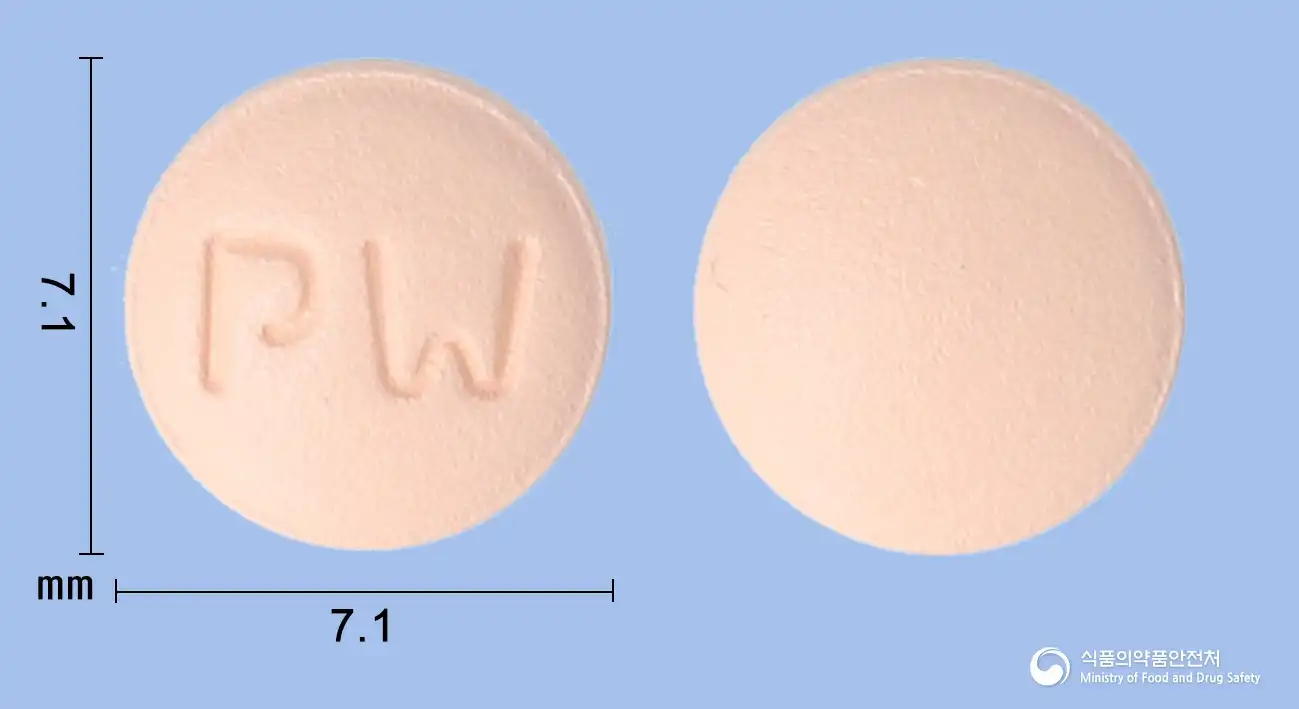
Olopatadine Hydrochloride 5mg
Tablet · Prescription medication
Daewoong Pharmaceutical Co., Ltd.
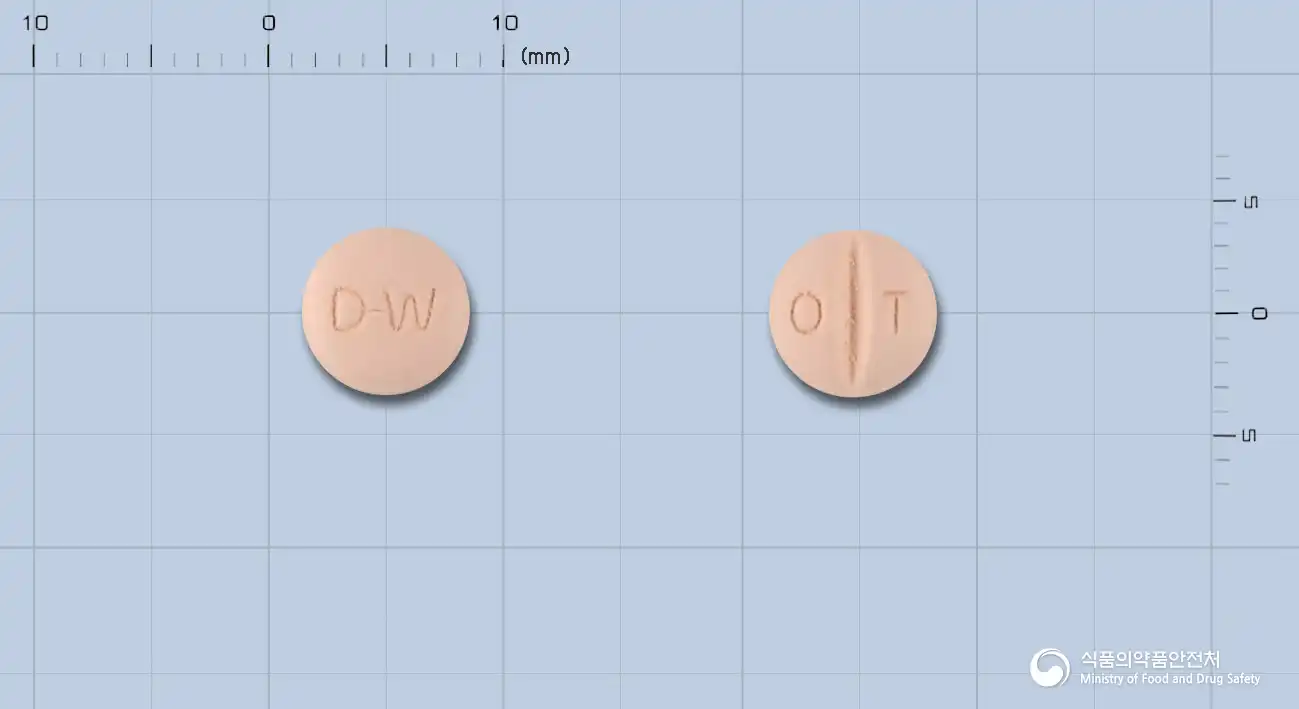
Olopatadine Hydrochloride 5mg
Tablet · Prescription medication
Dongwha Pharmaceutical Co., Ltd.
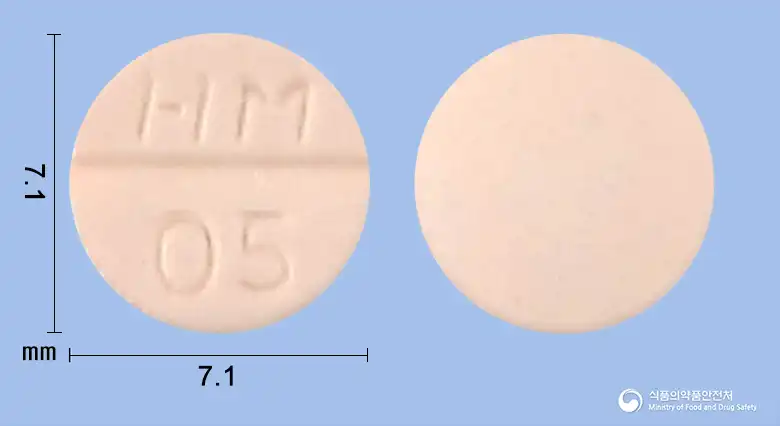
Olopatadine Hydrochloride 5mg
Tablet · Prescription medication
Hanmi Pharmaceutical Co., Ltd.
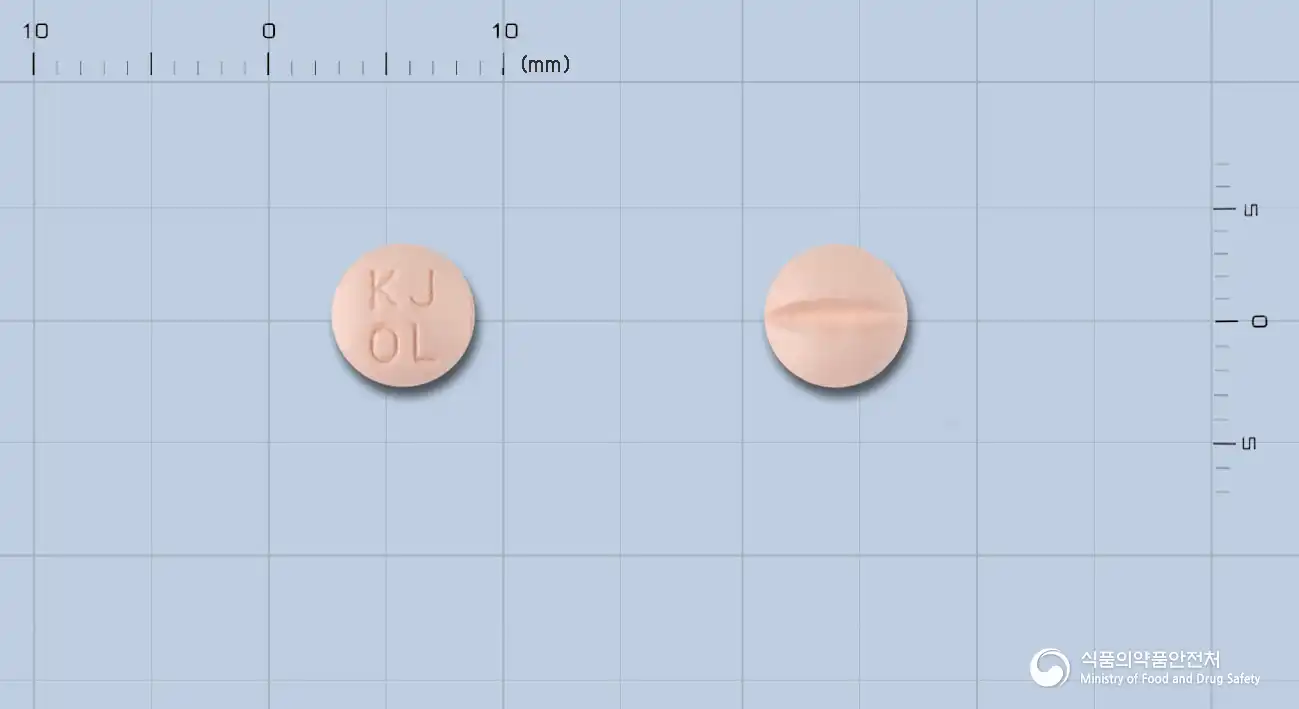
Olopatadine Hydrochloride 5mg
Tablet · Prescription medication
International Pharmaceutical Co., Ltd.
Even with the same ingredient, the dose and directions can differ by strength and dosage form. Talk to a doctor or pharmacist before switching from a medication you are already taking.
No questions yet.
For anything that needs medical judgment, consult a doctor or pharmacist.
This drug information is based on data provided by the Korea Ministry of Food and Drug Safety.
Consult a doctor or pharmacist for accurate dosage, administration, and usage instructions.