
 한국어
 English
 日本語
 中文(简体)
Dosage form image
Viewing nowMyufurisone Tablet (Eperisone Hydrochloride)
Eperisone Hydrochloride 50mg
Prescription medication
(Co., Ltd.) Korea PMG Pharmaceuticals
MFDS item code 201401305 · Approved 2014.03.21
This product's status changed to Expired on 2024.03.21. It may no longer be sold, so consult a doctor or pharmacist before taking it.
Relief of musculoskeletal muscle spasms (such as lower back pain) and spastic paralysis (such as due to cerebrovascular disorders)
This medication helps alleviate muscle spasms and pain associated with musculoskeletal disorders, such as scapulohumeral periarthritis, shoulder periarthritis, and low back pain. It is also used to improve symptoms of spastic paralysis and muscle rigidity caused by neurological diseases, such as cerebrovascular disorders, spastic spinal paralysis, spinal cord injury, and cerebral palsy. By alleviating pain and stiffness associated with various musculoskeletal and neurological conditions, it makes the patient's daily life more comfortable.
Adults: Administer eperisone hydrochloride 50 ㎎ orally three times daily after meals. Adjust the dose appropriately according to age and symptoms.
This medication should not be used in specific patients. First, patients who have had allergic reactions to this drug or those with severe muscular weakness should not take this medication. Additionally, it contains lactose, so patients with a genetic inability to digest lactose should also avoid this medication. There are patients who need caution when using this medication. For example, patients with a history of drug allergies or liver function issues should use this medication cautiously. Monitoring by a physician is necessary as liver function may worsen. While taking this medication, severe allergic reactions or abnormal symptoms related to the liver, kidneys, or blood may occur rarely. Therefore, if symptoms occur, the medication should be stopped immediately, and appropriate treatment should be sought. Various side effects, such as skin rashes or itching, insomnia, drowsiness, headaches, indigestion, urinary problems, etc., should be carefully monitored. Additionally, this medication can cause serious skin diseases; if symptoms like fever, rashes, blisters, or eye redness occur, the medication should be stopped immediately and the patient should see a doctor. If feelings of weakness, staggering, or drowsiness occur during use, it is best to reduce the dosage or discontinue use. Drowsiness or decreased concentration may occur while taking this medication, so driving or operating hazardous machinery should be avoided. There have been reports of side effects such as visual disturbances when this medication is used with other muscle relaxants, so caution is needed when used in combination. Pregnant women or those who may become pregnant should only use this medication if the benefits outweigh the risks, as its safety has not been established. Nursing mothers should avoid this medication if possible, and if it must be used, discontinuing breastfeeding is advisable. The safety of this medication has not been sufficiently confirmed for children, so its use is not recommended. Elderly patients may have decreased bodily functions, so caution is needed when using this medication, such as reducing the dosage.
Elevated ALT, Elevated AST, Elevated ALP, Proteinuria, Elevated BUN, Anemia, Rash, Itching, Insomnia, Drowsiness, Headache, Limb Paralysis, Rigidity, Tremors, Nausea, Vomiting, Loss of Appetite, Gastrointestinal Discomfort, Thirst, Constipation, Diarrhea, Abdominal Pain, Abdominal Distension, Stomatitis, Urinary Retention, Urinary Incontinence, Sensation of Residual Urine, Weakness, Ataxia, General Fatigue, Dizziness, Muscle Tone Decrease, Facial Flushing, Sweating, Edema, Anaphylactic Reaction, Angioedema, Toxic Epidermal Necrolysis and Mucocutaneous-Eye Syndrome, Fever, Erythema, Blisters, Conjunctival Hyperemia
Not everyone experiences these, and they can vary from person to person.
This medication should be stored in a tightly sealed container to prevent air exposure and should be kept at a temperature between 1 to 30 degrees Celsius. By storing it this way, the medicinal effect can be maintained for a longer time.
White round tablet
30 tablets/bottle, 300 tablets/bottle
Even with the same ingredient, strength, dosage form and how it is taken can differ.
Eperisone Hydrochloride 50mg
Prescription medication
(Co., Ltd.) Korea PMG Pharmaceuticals
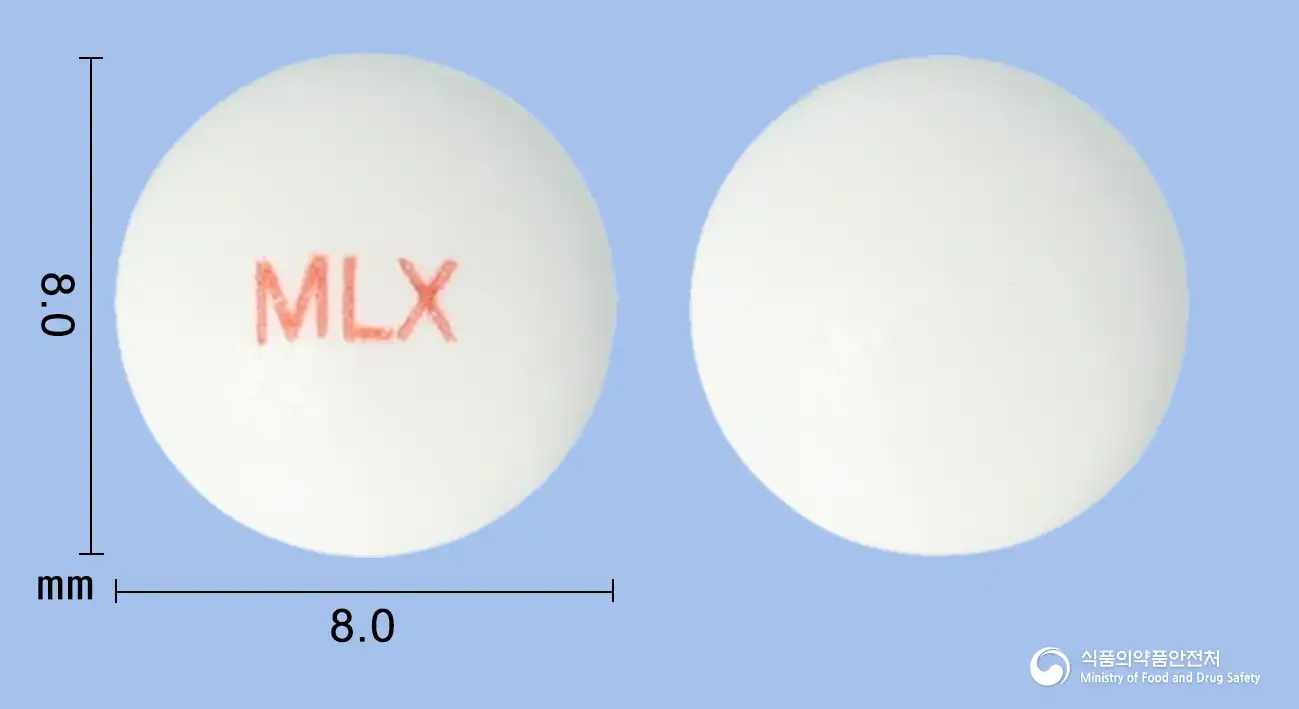
Eperisone Hydrochloride 50mg
Tablet · Prescription medication
Chodang Pharmaceutical Co., Ltd.
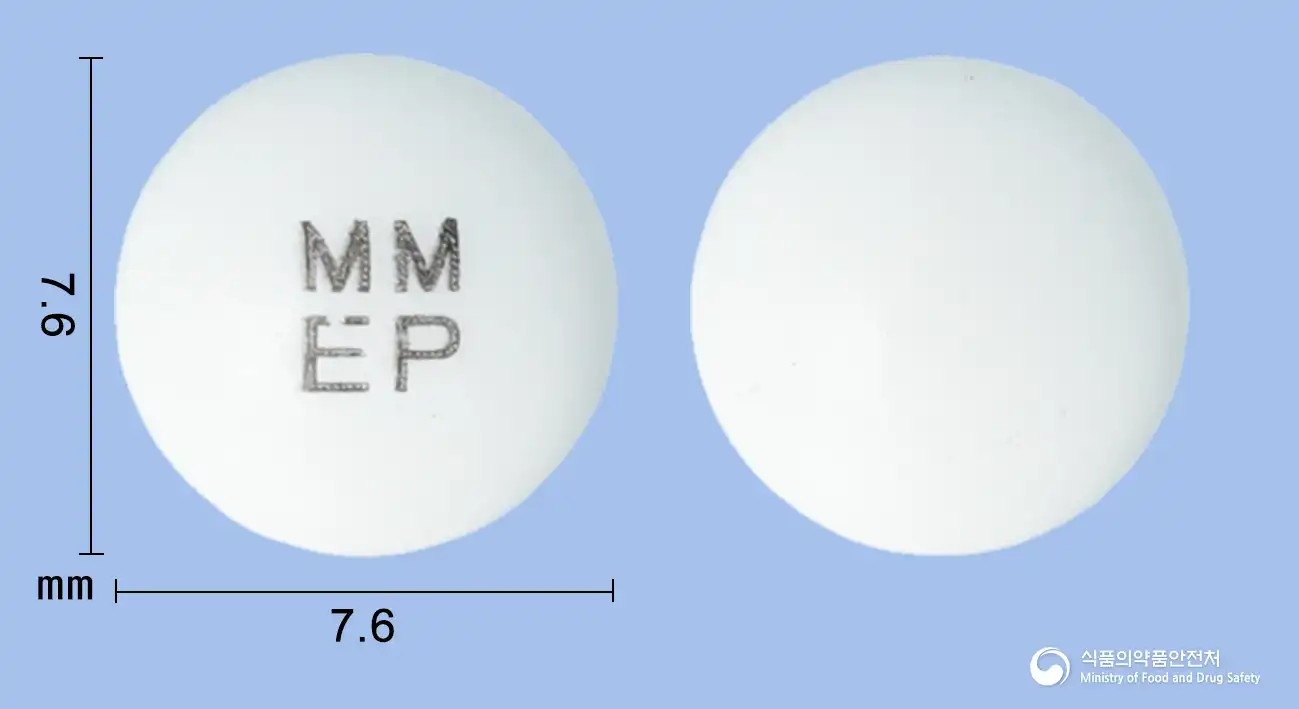
Eperisone Hydrochloride 50mg
Tablet · Prescription medication
Myeongmun Pharmaceutical Co., Ltd.
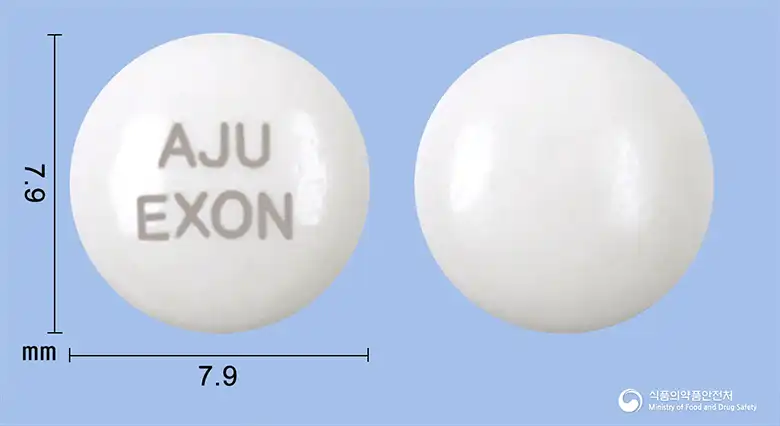
Eperisone Hydrochloride 50mg
Prescription medication
Aju Pharmaceutical Co., Ltd.
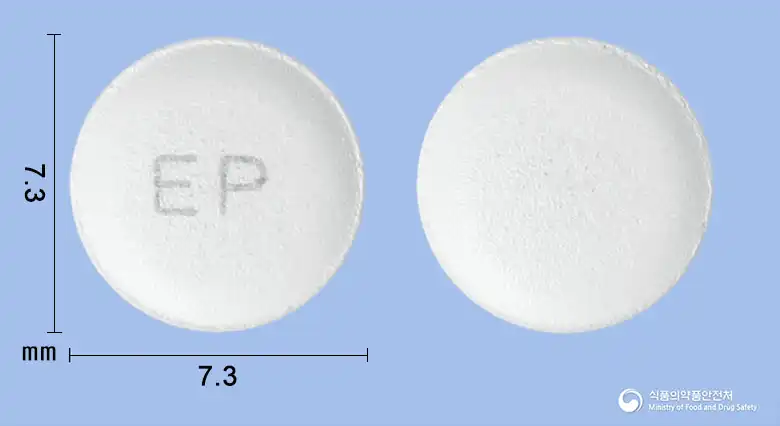
Eperisone Hydrochloride 50mg
Tablet · Prescription medication
Daewoo Pharmaceutical Co., Ltd.
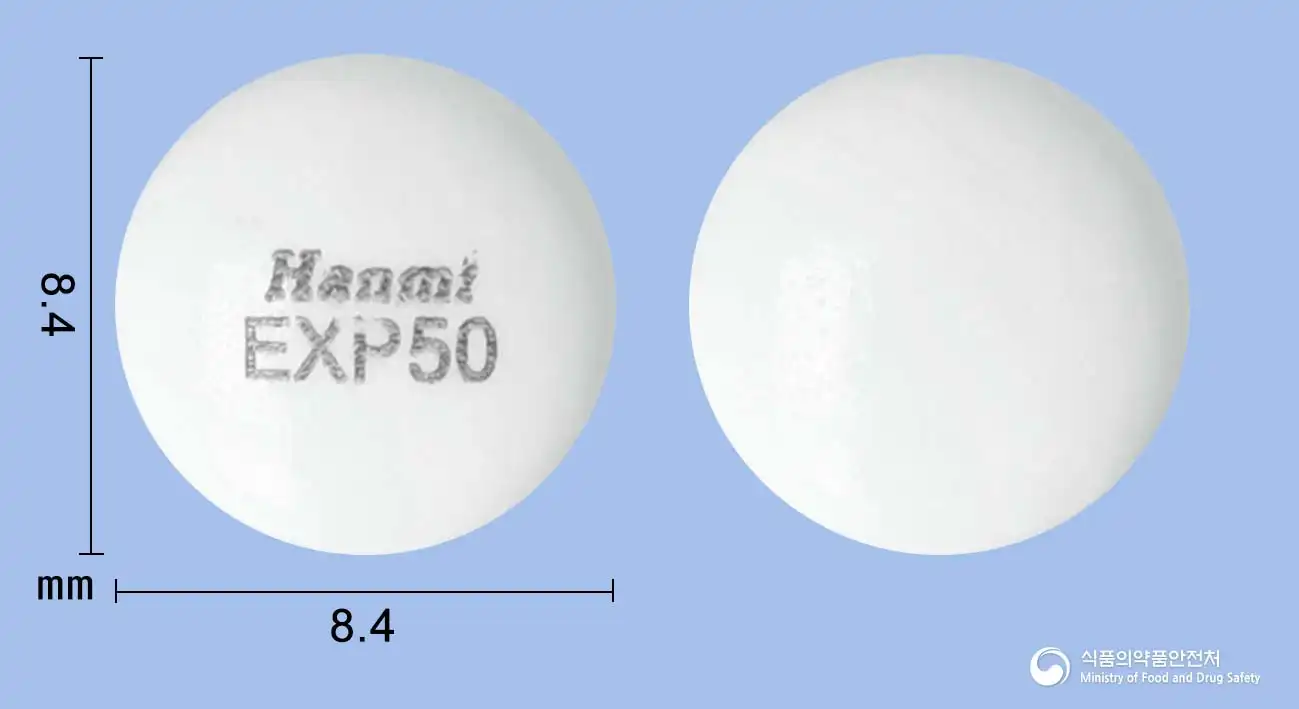
Eperisone Hydrochloride 50mg
Prescription medication
Hanmi Pharmaceutical Co., Ltd.
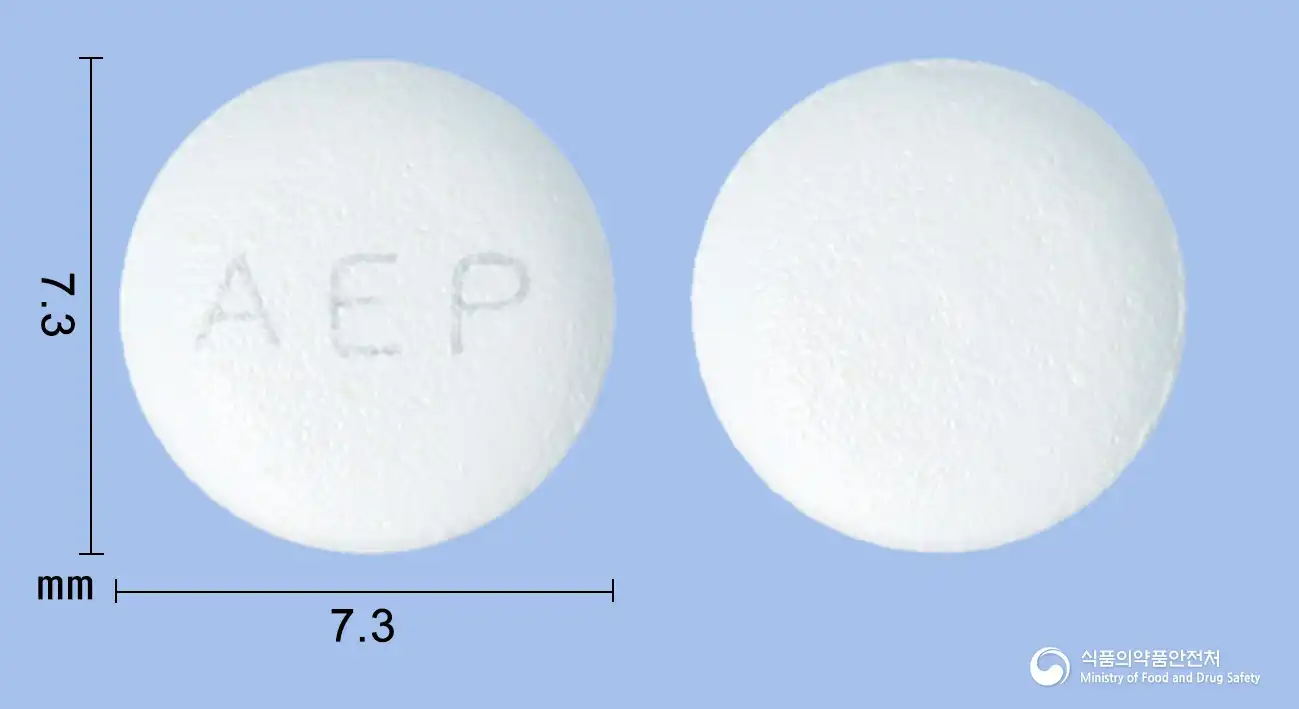
Eperisone Hydrochloride 50mg
Tablet · Prescription medication
Kyungdong Pharmaceutical Co., Ltd.
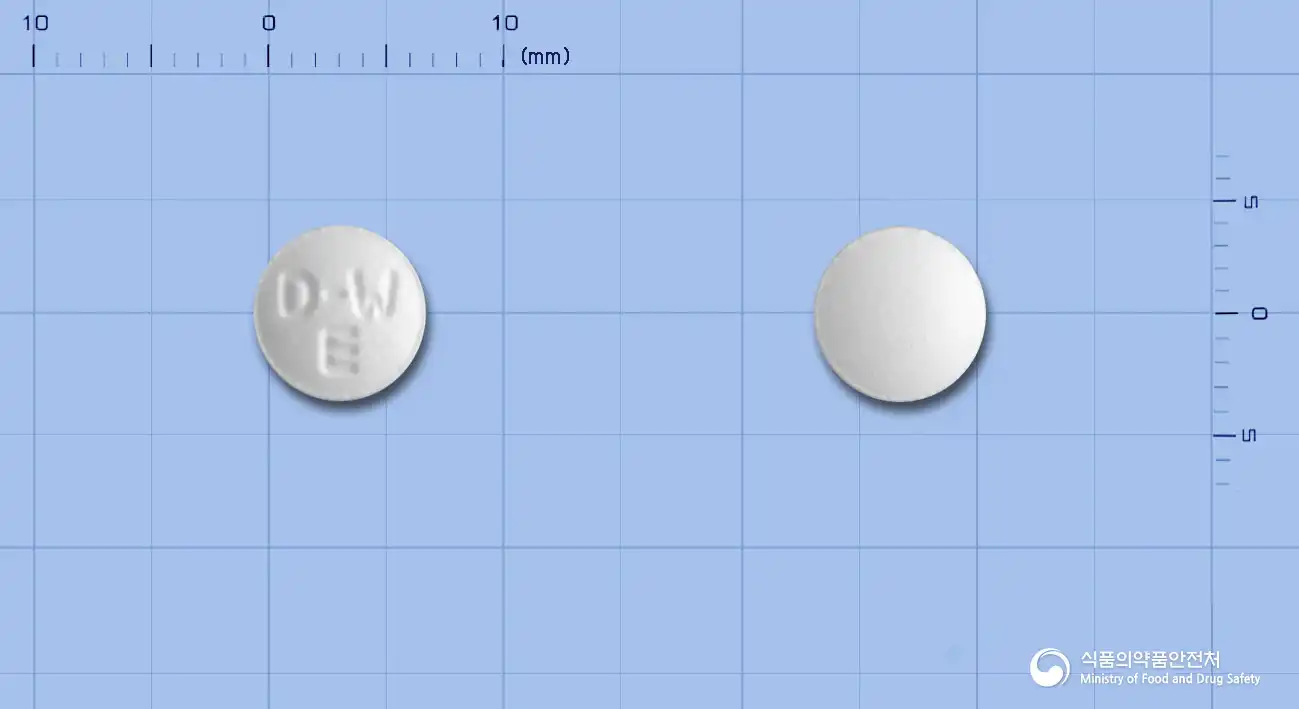
Eperisone Hydrochloride 50mg
Tablet · Prescription medication
Dongwha Pharmaceutical Co., Ltd.
Even with the same ingredient, the dose and directions can differ by strength and dosage form. Talk to a doctor or pharmacist before switching from a medication you are already taking.
No questions yet.
For anything that needs medical judgment, consult a doctor or pharmacist.
This drug information is based on data provided by the Korea Ministry of Food and Drug Safety.
Consult a doctor or pharmacist for accurate dosage, administration, and usage instructions.