
 한국어
한국어 English
 日本語
日本語 中文(简体)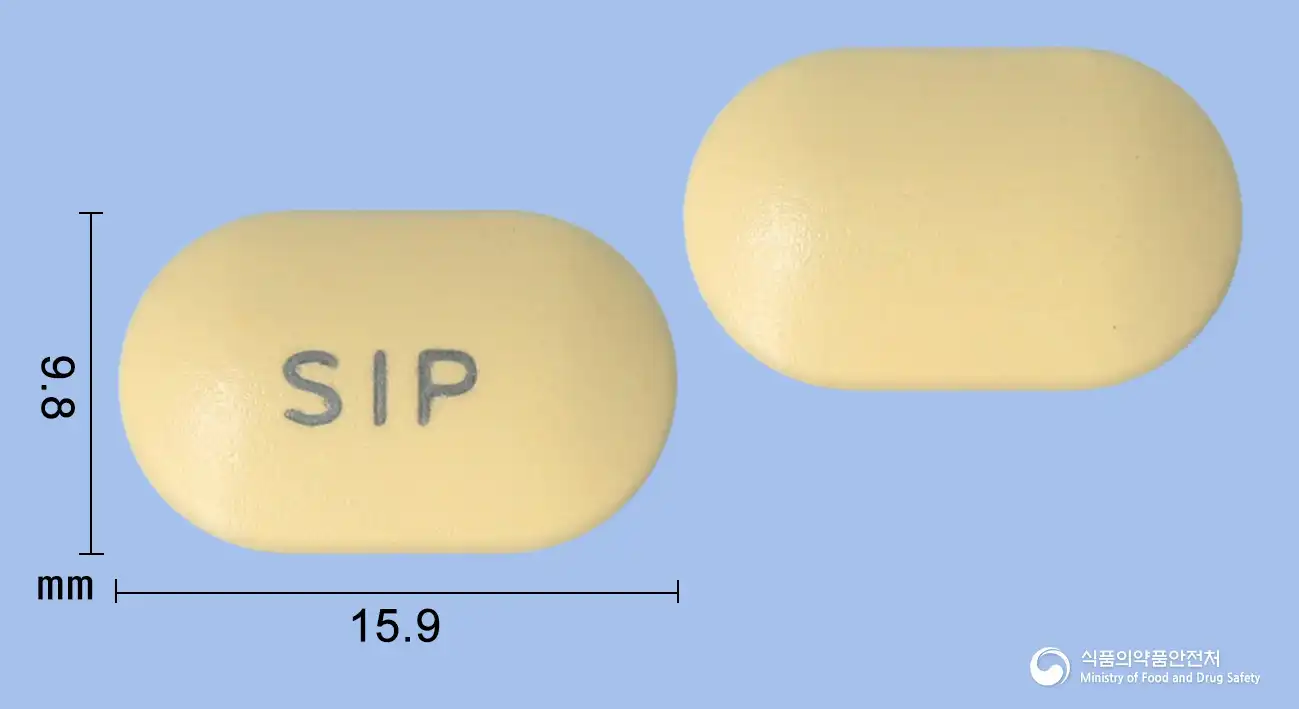
Summary
- Main use
- Relief of pain (headache, toothache, etc.) and fever and chills
- Who takes it
- Adults · Children
- Adult dose
- Can be taken up to 3 times a day, avoiding administration on an empty stomach. The interval between doses should be more than 4 hours. Adults (15 years and older) should take 2 tablets per dose.
- Child dose
- Children aged 8 years to under 15 years should take 1 tablet per dose.
Ingredients
- Manufacturer
- 신일제약(주)
Efficacy & effects
Relief of pain (headache, toothache, etc.) and fever and chills
- Headache
- toothache
- pain after tooth extraction
- sore throat
- ear pain
- joint pain
- neuralgia
- low back pain
- muscle pain
- shoulder pain
- pain from bruises
- pain from fractures
View approved original textHide original text
This medication is used to relieve various kinds of pain, including headache, toothache, pain after tooth extraction, sore throat, and ear pain. It is also effective for musculoskeletal pain such as joint pain, neuralgia, low back pain, muscle pain, and shoulder stiffness. It helps with pain due to bruises, fractures, and sprains. Additionally, it reduces menstrual pain and trauma-related pain, as well as having antipyretic effects for symptoms of chills and fever. Overall, this medication is used for pain relief and fever reduction.
How to take
Adult dose
Can be taken up to 3 times a day, avoiding administration on an empty stomach. The interval between doses should be more than 4 hours. Adults (15 years and older) should take 2 tablets per dose.
Child dose
Children aged 8 years to under 15 years should take 1 tablet per dose.
Precautions
Patients who regularly consume more than three glasses of alcohol a day should consult a doctor or pharmacist before taking this medication, as it may increase the risk of gastrointestinal bleeding when taken with alcohol. Individuals with cardiovascular disease or risk factors such as hypertension, diabetes, hyperlipidemia, or smoking should avoid high doses of this medication or take it cautiously. Taking high doses may increase the risk of thrombotic issues like myocardial infarction or stroke. People who have had hypersensitivity to this medication or have experienced asthma, infants under three months old, and individuals with certain genetic lactose intolerance conditions should not take this medication. It should not be taken with other antipyretics, cold medications, or sedatives, and a doctor or pharmacist should be consulted before use. Particularly, children with chickenpox or influenza, individuals with allergic tendencies, people with liver, kidney, or heart conditions, the elderly, pregnant women, and nursing mothers should consult a healthcare professional before taking this medication. If symptoms such as rash, itching, nausea, vomiting, abdominal pain, dizziness, or swelling occur during use, discontinue use immediately and consult a doctor. This medication is generally not administered to children under two years of age; if necessary, a doctor's consultation is required. Users must strictly adhere to the prescribed usage and dosage, avoid prolonged use, and supervise children during administration. Avoid alcohol consumption while taking this medication, and be cautious when using it with certain diuretics or medications containing licorice, as it may cause hypokalemia or muscle-related symptoms. After the 20th week of pregnancy, the risk of fetal renal function abnormalities and oligohydramnios increases, so use the lowest dose for the shortest duration, and it is advisable to avoid use after the 30th week. This medication should be stored out of reach of children, away from direct sunlight, in a cool, dry place, and should not be transferred to another container to maintain quality.
Side effects and when to seek care immediately
Serious side effects
- Hives, severe swelling, chest tightness, difficulty breathing, cold sweats, paleness → severe allergic reaction
- Severe rash with high fever, blisters, skin peeling, pain in mouth/eye mucosa → severe skin reaction
- Asthma
- Decreased urine output with swelling of the face and extremities, increased blood pressure → severe edema or urinary problems
- Conus syndrome leading to myocardial infarction
- Multiform erythema, exfoliative dermatitis, Stevens-Johnson syndrome
Mild side effects
- Rash
- redness (erythema)
- itching
- nausea
- vomiting
- loss of appetite
- constipation
- abdominal pain
- discomfort in the stomach
- dizziness
Show 1 moreCollapse
- swelling
Not everyone experiences these, and they can vary from person to person.
Interactions
Drug interactions
Do not take with other antipyretics, cold medications, or sedatives. Consult a doctor or pharmacist when taking with antidiabetic drugs, gout medications, arthritis medications, anticoagulants, steroids, diuretics, low-dose aspirin, potassium-containing preparations, licorice-containing preparations, glycyrrhizin or its salts, loop diuretics (furosemide, ethacrynic acid), or thiazide diuretics (trichlormethiazide).
Food interactions
Do not consume alcohol while taking this medication.
Storage
This medication should be stored in a sealed container to prevent air or moisture from entering. Additionally, avoid extremely cold or hot places, and it is best to store it at a normal room temperature between 1 and 30 degrees Celsius.
Appearance and packaging
Appearance
Yellow rectangular film-coated tablet
Package unit
10 tablets (10 tablets/PTP x 1)
Questions about this medicine
No questions yet.
For anything that needs medical judgment, consult a doctor or pharmacist.