
 한국어
 English
 日本語
 中文(简体)
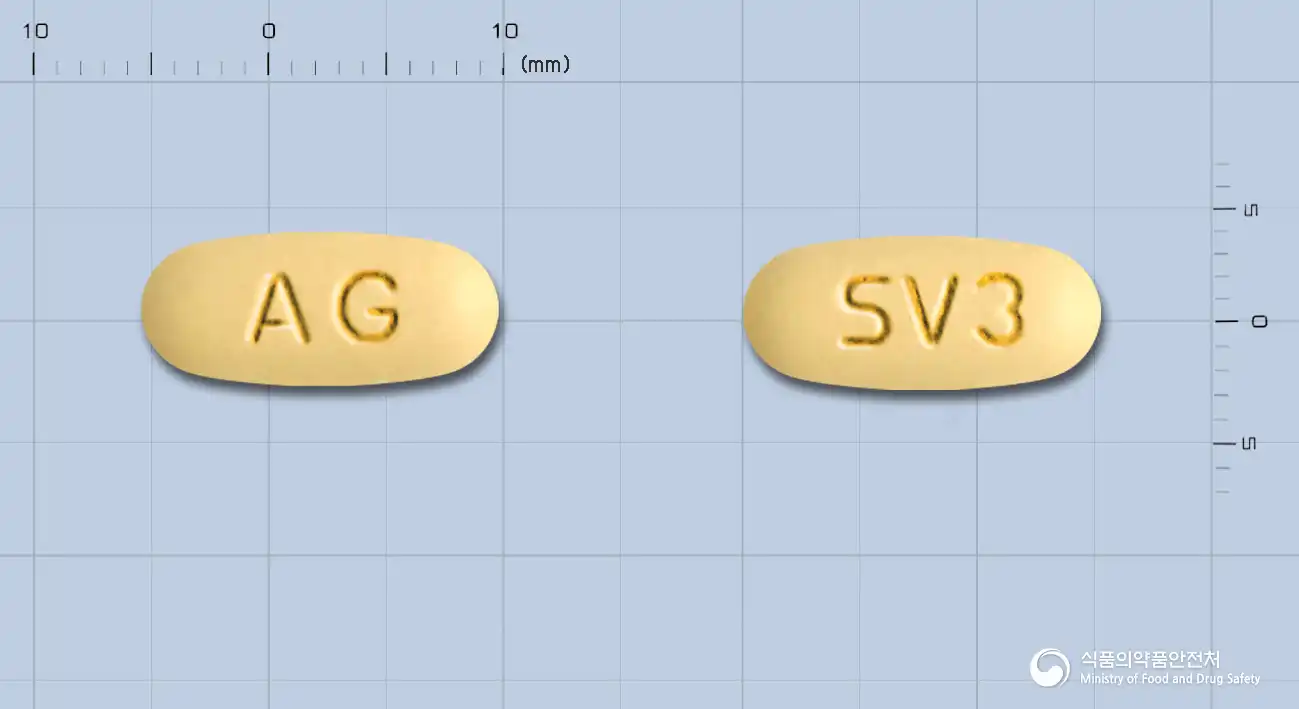 Viewing nowCombination
Levasartan 5/160 mg
Valsartan 160mg · S-Amlodipine Besylate 2.5 Hydrate 7.48mg
Tablet · Prescription medication · Combination
Anguk Pharmaceutical Co., Ltd.
MFDS item code 201308537 · Approved 2013.07.30 · Insurance code 650204050
Treatment of essential hypertension not controlled with monotherapy
This medication is used when blood pressure is not adequately controlled with monotherapy of S-Amlodipine (Amlodipine) or Valsartan in patients with essential hypertension. It effectively lowers blood pressure and helps prevent cardiovascular complications. Therefore, it can provide stable management of hypertension in difficult cases.
The recommended dose of this medicine is 1 tablet once daily, taken with water, regardless of meals. If possible, it is recommended that you take it at the same time each day (e.g., in the morning). Before starting this medicine, it is recommended that the dose be adjusted using the individual components (S-amlodipine (amlodipine) or valsartan). However, if blood pressure is not adequately controlled with monotherapy using the individual components as follows, switching directly to this medicine may be considered. ㆍ 2.5/80 mg: For patients whose blood pressure is not adequately controlled with monotherapy using S-amlodipine 2.5 mg (amlodipine 5 mg) or valsartan 80 mg. ㆍ 2.5/160 mg: For patients whose blood pressure is not adequately controlled with monotherapy using S-amlodipine 2.5 mg (amlodipine 5 mg) or valsartan 160 mg. ㆍ 5/160 mg: For patients whose blood pressure is not adequately controlled with S-amlodipine 5 mg (amlodipine 10 mg) or valsartan 160 mg as monotherapy, or with 2.5/160 mg. Patients taking valsartan and S-amlodipine (amlodipine) concomitantly may switch to this medicine (a combination product containing the same amounts of each active ingredient) for convenience. Patients with renal impairment: No dose adjustment is necessary for patients with mild or moderate renal impairment (creatinine clearance 10mL/min or greater). This medicine should not be administered to patients with severe renal impairment (creatinine clearance less than 10mL/min) or patients on dialysis. Monitoring of potassium levels and creatinine is recommended in patients with moderate renal impairment. Patients with hepatic impairment: In patients with mild or moderate hepatic impairment, the daily dose of valsartan should not exceed 80mg. Do not administer this medicine to patients with severe hepatic impairment, biliary cirrhosis, biliary obstruction, or cholestasis. Patients aged 65 years or older: Use caution when increasing the dose.
The safety and efficacy of this drug have not been established in pediatric patients under 18 years of age; therefore, its use is not recommended.
This medication can cause serious harm to the fetus and newborn when taken during the second and third trimesters of pregnancy, so it must be discontinued immediately if pregnancy is confirmed. It should not be used in individuals with allergies to the active ingredients or similar classes of drugs, in pregnant or possibly pregnant women, in nursing mothers, and in patients with severe kidney or liver dysfunction. Patients with insufficient sodium or fluid levels may experience hypotension, so their conditions should be stabilized before taking this medication, and blood pressure should be carefully monitored during treatment. Patients with high potassium levels or those taking medications that increase potassium should have their potassium levels frequently monitored. Patients with renal artery stenosis or those who have recently received a kidney transplant should closely monitor their kidney function while taking this medication, and use should be discontinued immediately if signs of vascular edema occur. Patients with heart conditions such as heart failure, post-myocardial infarction, or aortic stenosis should be closely observed while using this medication. Taking this medication with other antihypertensives may increase the risk of hypotension, hyperkalemia, and worsening kidney function; therefore, blood pressure and kidney function should be regularly monitored according to a doctor's instructions. Caution is also required when driving or operating machinery, as dizziness or fatigue may occur. In case of overdose, severe hypotension and reflex tachycardia may occur, and immediate medical attention should be sought. During treatment with this medication, regular checks on blood pressure, kidney function, and electrolyte levels should be conducted, and any unusual symptoms should be discussed with a healthcare provider immediately.
Pharyngitis, influenza, hypersensitivity, visual impairment, anxiety, headache, dizziness, drowsiness, positional dizziness, paresthesia, vertigo, tinnitus, tachycardia, palpitations, syncope, orthostatic hypotension, hypotension, cough, pain in the throat and larynx, diarrhea, nausea, abdominal pain, constipation, thirst, rash, erythema, hyperhidrosis, itching, joint swelling, back pain, arthritis, muscle spasms, lethargy, frequent urination, polyuria, erectile dysfunction, edema, lymphedema, facial edema, peripheral edema, fatigue, flushing, weakness, facial flushing, decreased hemoglobin, decreased hematocrit, neutropenia, thrombocytopenia, hypersensitivity including serum sickness, increased serum potassium, vasculitis, elevated liver function tests, angioedema, myalgia, renal failure, kidney damage, increased serum creatinine, insomnia, decreased libido, pharyngitis, rhinitis, sinusitis, upper respiratory infection, viral infection, intestinal vascular edema, diplopia, thrombocytopenia, leukopenia, allergic reactions, hyperglycemia, insomnia, mood changes, tremors, sensory deficits, dysgeusia, peripheral neuropathy, hypertonia, arrhythmia, bradycardia, atrial fibrillation, ventricular tachycardia, myocardial infarction, vasculitis, dyspnea, rhinitis, vomiting, dyspepsia, pancreatitis, gastritis, gingival hyperplasia, hepatitis, jaundice, alopecia, purpura, skin depigmentation, phototoxic reaction, angioedema, urticaria, erythema multiforme, Stevens-Johnson syndrome, myalgia, urination disorders, enuresis, gynecomastia, pain, malaise, chest pain, weight loss, weight gain, elevated liver enzymes, chest discomfort, abdominal discomfort, gastroesophageal reflux disease, neck pain, hypercholesterolemia, hypoglycemia, neuroexcitability, Stevens-Johnson syndrome, chest pain, weight gain, arthralgia, skeletal pain, rhabdomyolysis, gingival hyperplasia, gastritis
Not everyone experiences these, and they can vary from person to person.
This medication should be stored in a tightly closed container to prevent exposure to air or moisture, at room temperature between 1 and 30 degrees Celsius. Proper storage helps maintain the efficacy of the medication.
Bright yellow oblong film-coated tablet
30 tablets/bottle, 300 tablets/bottle
Even with the same ingredient, strength, dosage form and how it is taken can differ.
Viewing nowCombinationValsartan 160mg · S-Amlodipine Besylate 2.5 Hydrate 7.48mg
Tablet · Prescription medication · Combination
Anguk Pharmaceutical Co., Ltd.
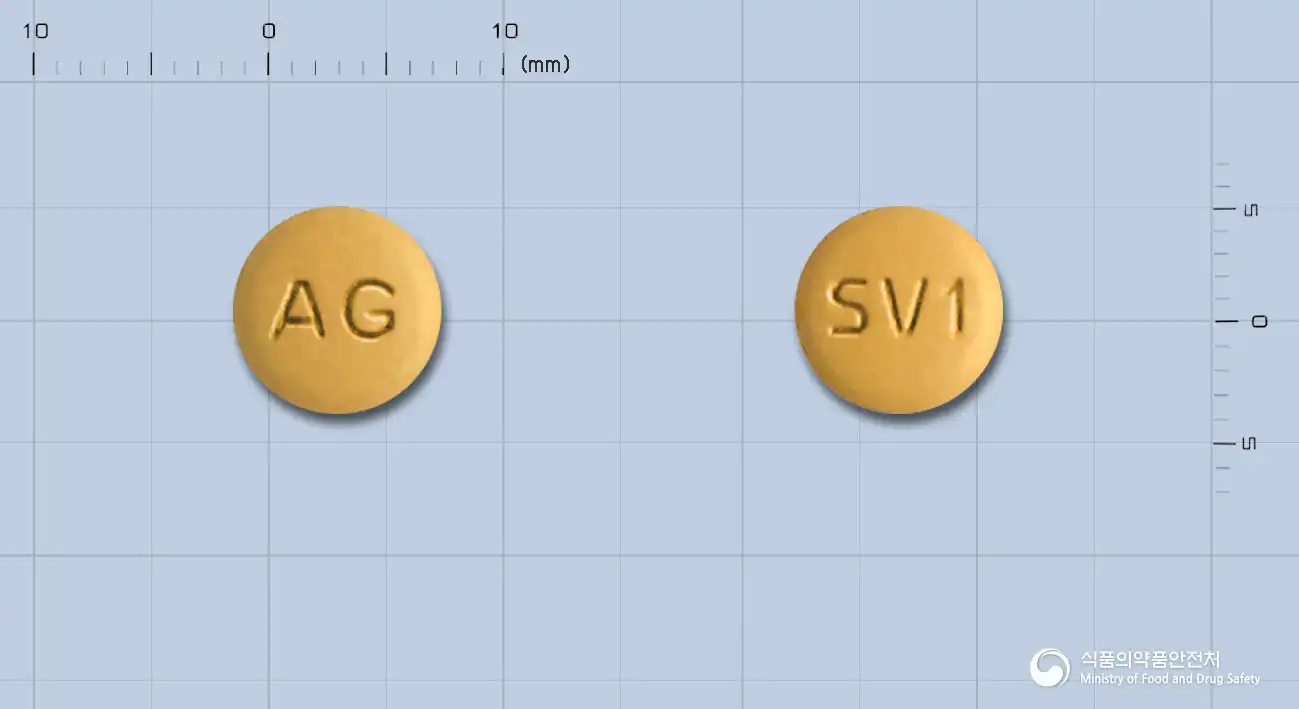 Combination
Valsartan 80mg · S-Amlodipine Besylate 2.5 Hydrate 3.74mg
Tablet · Prescription medication · Combination
AhnGuk Pharmaceutical Co., Ltd.
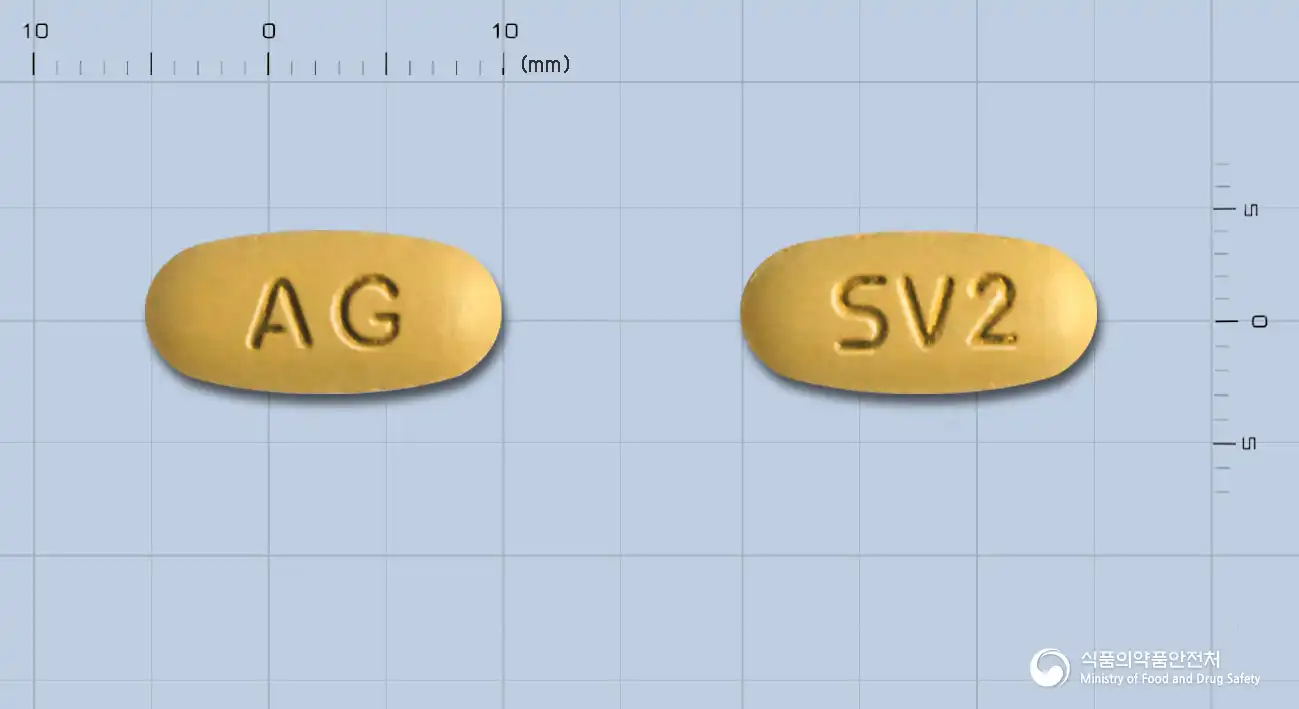 Combination
Valsartan 160mg · S-Amlodipine Besylate 2.5 Hydrate 3.74mg
Tablet · Prescription medication · Combination
Anguk Pharmaceutical Co., Ltd.
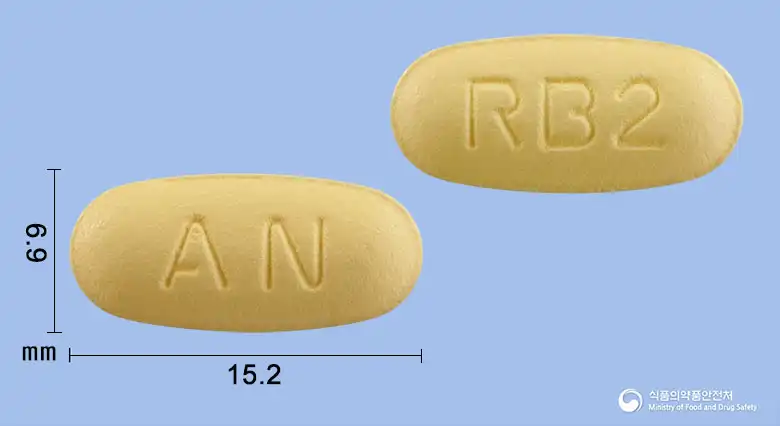 Combination
Valsartan 160mg · S-Amlodipine Besylate 2.5 Hydrate 7.48mg
Tablet · Prescription medication · Combination
Ahn-Gook New Pharm Co., Ltd.
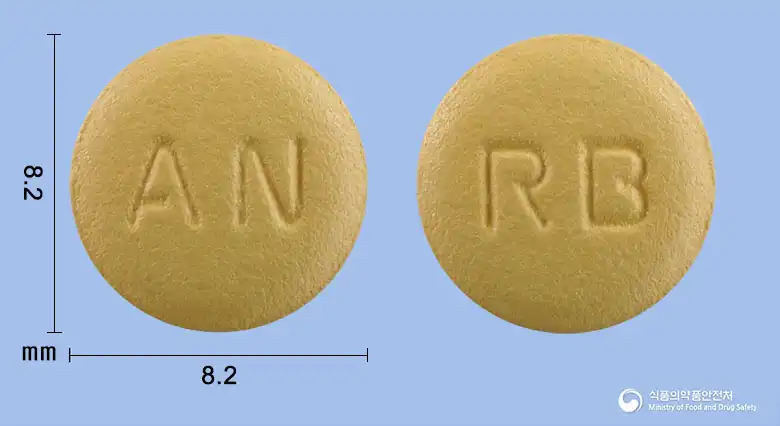 Combination
Valsartan 80mg · S-Amlodipine Besylate 2.5 Hydrate 3.74mg
Tablet · Prescription medication · Combination
Anguk New Pharm Co., Ltd.
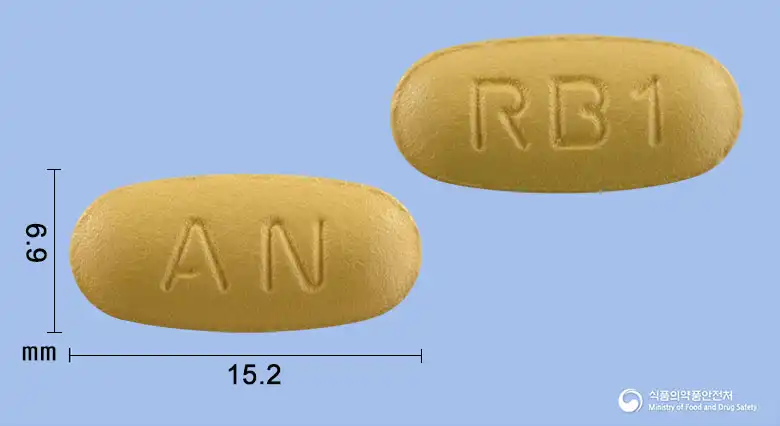 Combination
Valsartan 160mg · S-Amlodipine Besylate 2.5 Hydrate 3.74mg
Tablet · Prescription medication · Combination
AhnGuk New Pharm Co., Ltd.
Even with the same ingredient, the dose and directions can differ by strength and dosage form. Talk to a doctor or pharmacist before switching from a medication you are already taking.
No questions yet.
For anything that needs medical judgment, consult a doctor or pharmacist.
This drug information is based on data provided by the Korea Ministry of Food and Drug Safety.
Consult a doctor or pharmacist for accurate dosage, administration, and usage instructions.