
 한국어
 English
 日本語
 中文(简体)
 Viewing now
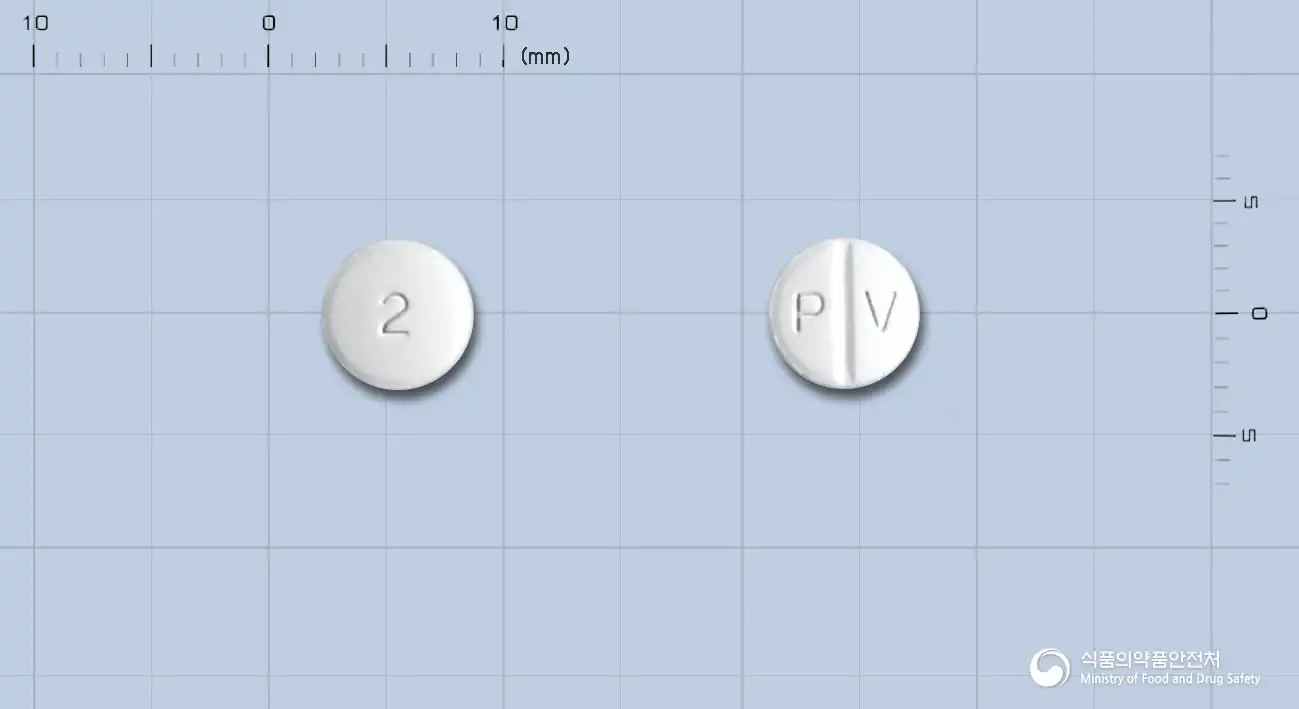
Megastatin Tablet 2mg (Pitavastatin Calcium)
Pitavastatin Calcium 2mg
Tablet · Prescription medication
Myungin Pharmaceutical Co., Ltd.
MFDS item code 201306451 · Approved 2013.03.22 · Insurance code 651903840
Improvement of primary hypercholesterolemia and mixed dyslipidemia
This medication helps treat patients with primary hypercholesterolemia and mixed dyslipidemia. Specifically, in patients with heterozygous familial hypercholesterolemia and non-familial hypercholesterolemia, Fredrickson type IIa and type IIb, it lowers total cholesterol, LDL cholesterol, apolipoprotein B levels, and triglyceride levels, supporting cardiovascular health. Additionally, it aids in raising HDL cholesterol levels to improve the balance of blood lipids. This efficacy is enhanced when used alongside dietary changes and plays a crucial role in managing hyperlipidemia. This medication is used to improve abnormal blood lipid levels and reduce the risk of cardiovascular disease.
Patients must follow a standard cholesterol-lowering diet before and during treatment with this medicine. The usual initial dose for adults is 1~2 milligrams of pitavastatin calcium once daily. If the reduction in LDL-cholesterol is inadequate, the dose may be increased to a maximum of 4 milligrams per day. Adjust the dose as appropriate at intervals of 4 weeks or longer according to the LDL-cholesterol level, treatment goal, and patient response. The therapeutic effect of this medicine is maintained with continued administration.
This medication should not be used in certain patients. Those who have had allergic reactions to this medication, those with active liver disease or persistent unexplained liver enzyme elevations should not take this medication. Patients with severe liver dysfunction or bile duct obstruction, and those taking cyclosporine should also avoid using this medication. It is safest for patients with myopathy, women who are pregnant or may become pregnant, nursing women, and children to refrain from taking this medication. Patients who are lactose intolerant or have related genetic disorders should also avoid this medication. Care should be taken in patients with renal impairment or a history of liver disorders, excessive alcohol consumption, and those who are using certain lipid-lowering agents concurrently. Additionally, those with hypothyroidism or genetic muscle diseases, the elderly, and patients with severe myasthenia require careful administration. During the use of this medication, various side effects such as muscle pain or weakness, abnormal liver function, allergic reactions, gastrointestinal symptoms, and blood abnormalities may occur, so careful monitoring is required. If severe muscle pain, weakness, or liver function elevation occurs, discontinue use immediately and consult a physician. Since this medication is metabolized primarily in the liver, regular liver function tests should be conducted, and it is advisable to ensure adequate testing and dietary as well as exercise therapy before administration. Furthermore, concurrent use with certain medications increases the risk of renal function deterioration and muscle atypical reactions, so it's important to discuss with a physician whether to use them together. Elderly patients, pregnant and nursing women should be especially cautious and must not take this medication during pregnancy. Safety and effectiveness in children have not been established, so this medication is not used in children. This medication should be kept out of reach of children and stored in its original container to prevent misuse or deterioration of quality.
Not everyone experiences these, and they can vary from person to person.
This medication is sensitive to light, so it should be stored in a special container that doesn't allow light to enter. Additionally, the medication should ideally be stored at room temperature between 1 to 30 degrees Celsius. Avoid extreme heat or cold.
Round film-coated tablet, white with a score line
30 tablets/bottle, 100 tablets/bottle
Even with the same ingredient, strength, dosage form and how it is taken can differ.
Viewing nowPitavastatin Calcium 2mg
Tablet · Prescription medication
Myungin Pharmaceutical Co., Ltd.
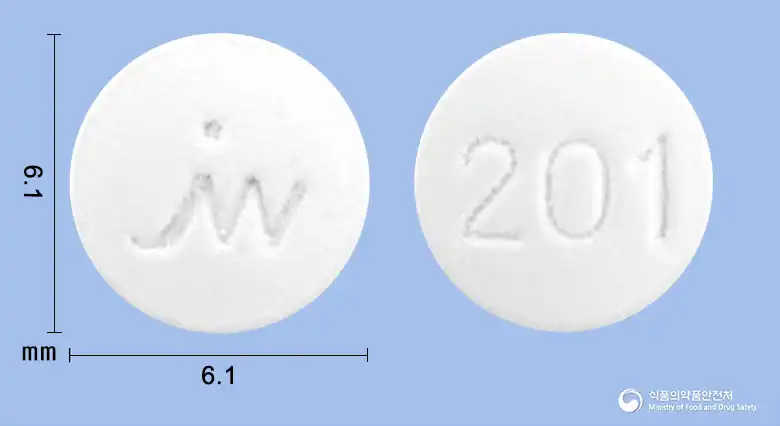
Pitavastatin Calcium Hydrate 1mg
Tablet · Prescription medication
JW Pharmaceutical Corporation

Pitavastatin Calcium Hydrate 2mg
Tablet · Prescription medication
JW Pharmaceutical Corporation
Pitavastatin Calcium 2mg
Tablet · Prescription medication
Youngjin Pharmaceutical Co., Ltd.
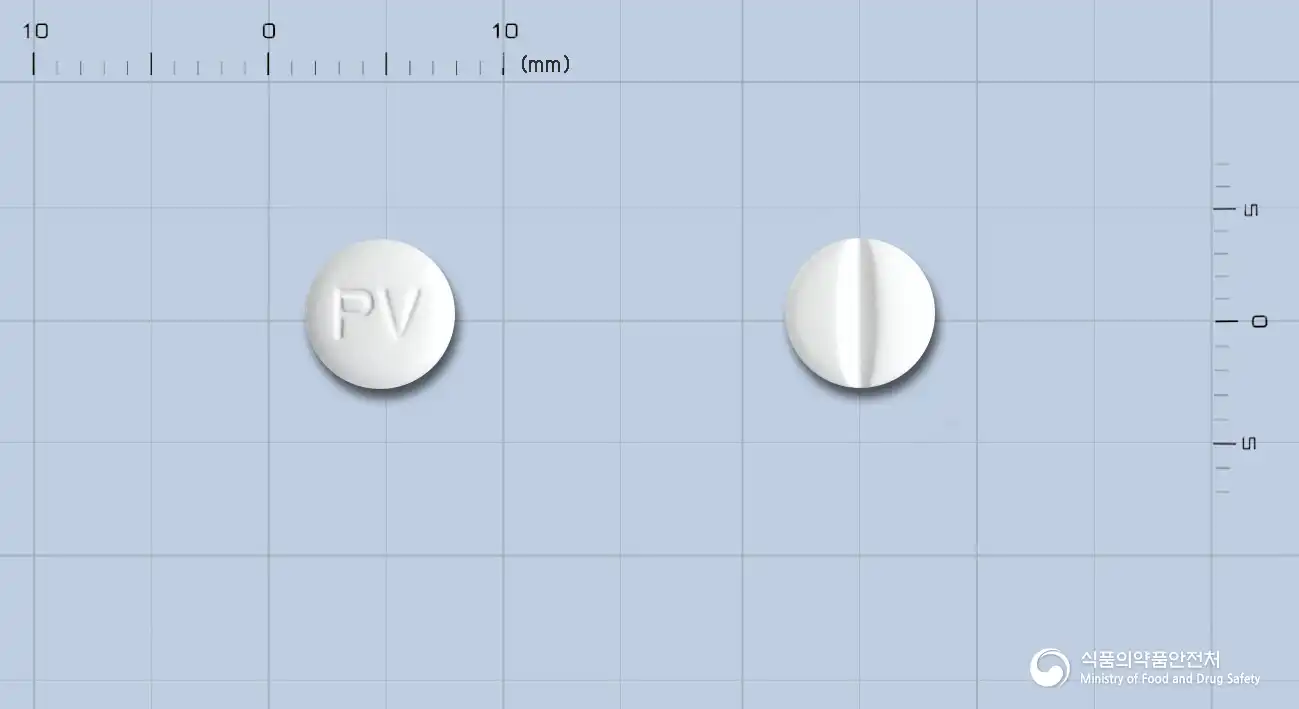
Pitavastatin Calcium 2mg
Tablet · Prescription medication
Samchundang Pharmaceutical Co., Ltd.
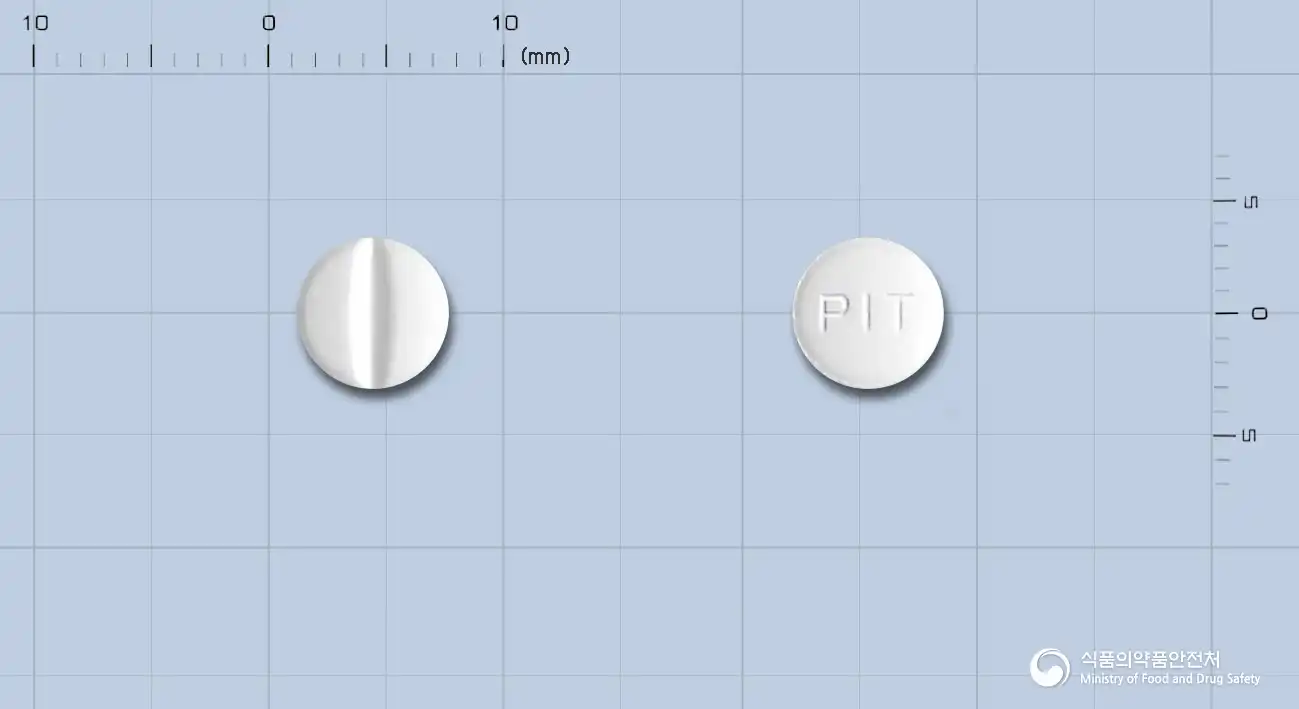
Pitavastatin Calcium 2mg
Tablet · Prescription medication
Daewon Pharmaceutical Co., Ltd.
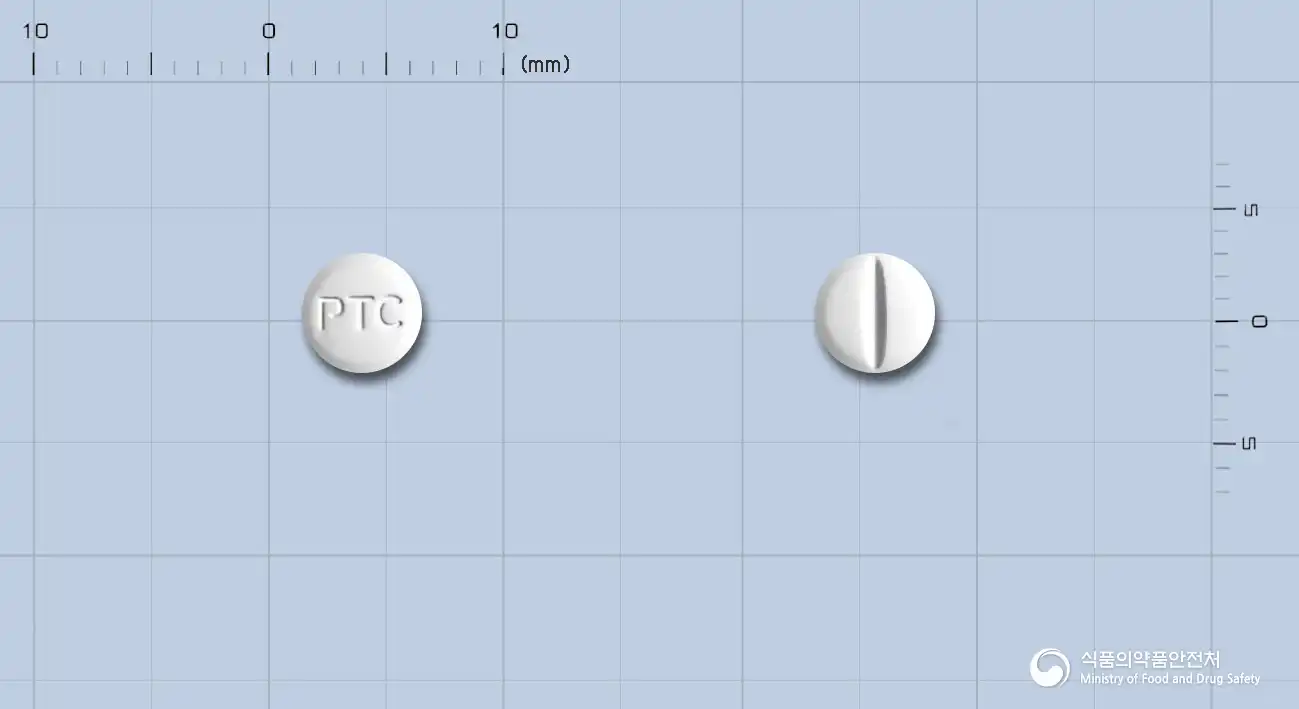
Pitavastatin Calcium 2mg
Tablet · Prescription medication
Samnam Pharmaceutical Co., Ltd.
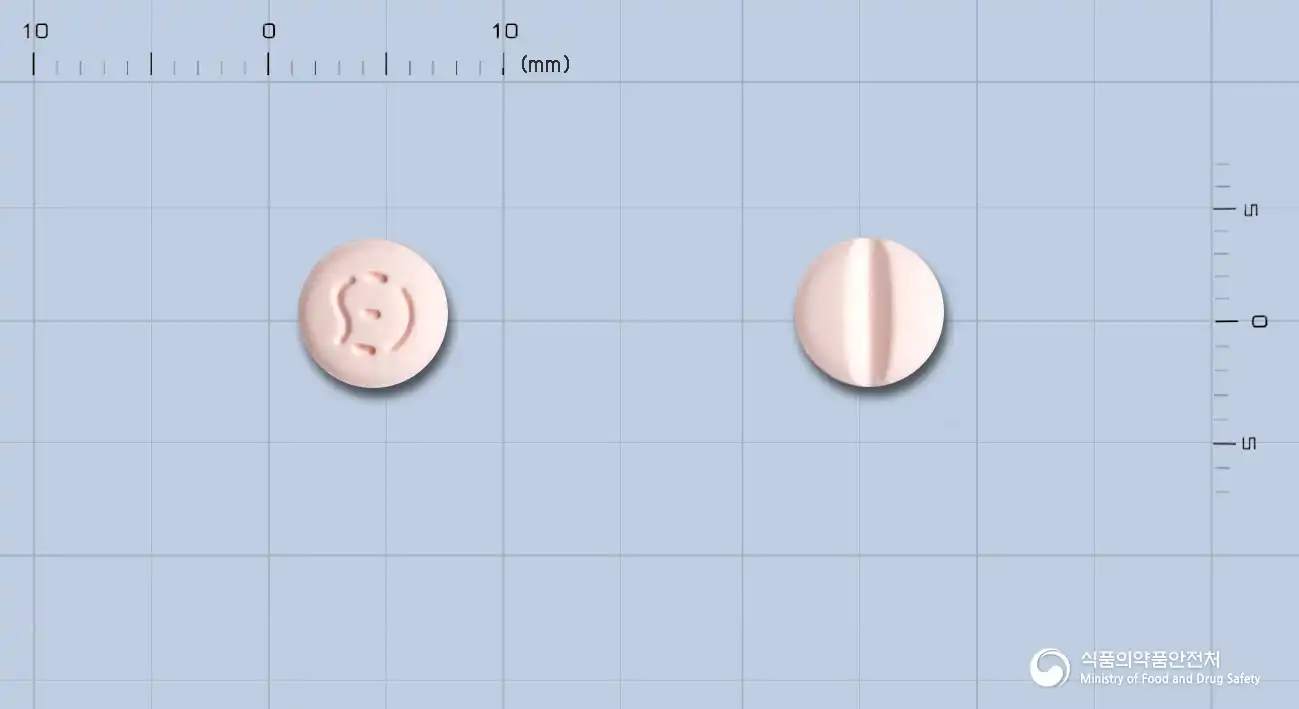
Pitavastatin Calcium 2mg
Tablet · Prescription medication
Seoul Pharmaceutical Co., Ltd.
Even with the same ingredient, the dose and directions can differ by strength and dosage form. Talk to a doctor or pharmacist before switching from a medication you are already taking.
No questions yet.
For anything that needs medical judgment, consult a doctor or pharmacist.
This drug information is based on data provided by the Korea Ministry of Food and Drug Safety.
Consult a doctor or pharmacist for accurate dosage, administration, and usage instructions.