Medication info
한국어
English
日本語
中文(简体)
Aproxen Soft Capsule (Naproxen)
OTC medication

Aproxen Soft Capsule (Naproxen)

Treatment of inflammatory diseases such as rheumatoid arthritis and osteoarthritis.

Seohung Co., Ltd.

Key information summary

Efficacy & effects
Treatment of inflammatory diseases such as rheumatoid arthritis and osteoarthritis.
Adult dosage
Rheumatoid arthritis, osteoarthritis, ankylosing spondylitis: Naproxen 250-500 mg orally, twice daily (every 12 hours). Acute gout: Initial dose 750 mg orally and then 250 mg orally every 8 hours until the attack subsides. Musculoskeletal disorders, postoperative pain, pain after tooth extraction, dysmenorrhea, tendinitis, bursitis: Initial dose of 500 mg orally, followed by 6-8 hours.
Ingredients
Naproxen
Rx / OTC
OTC medication
Appearance
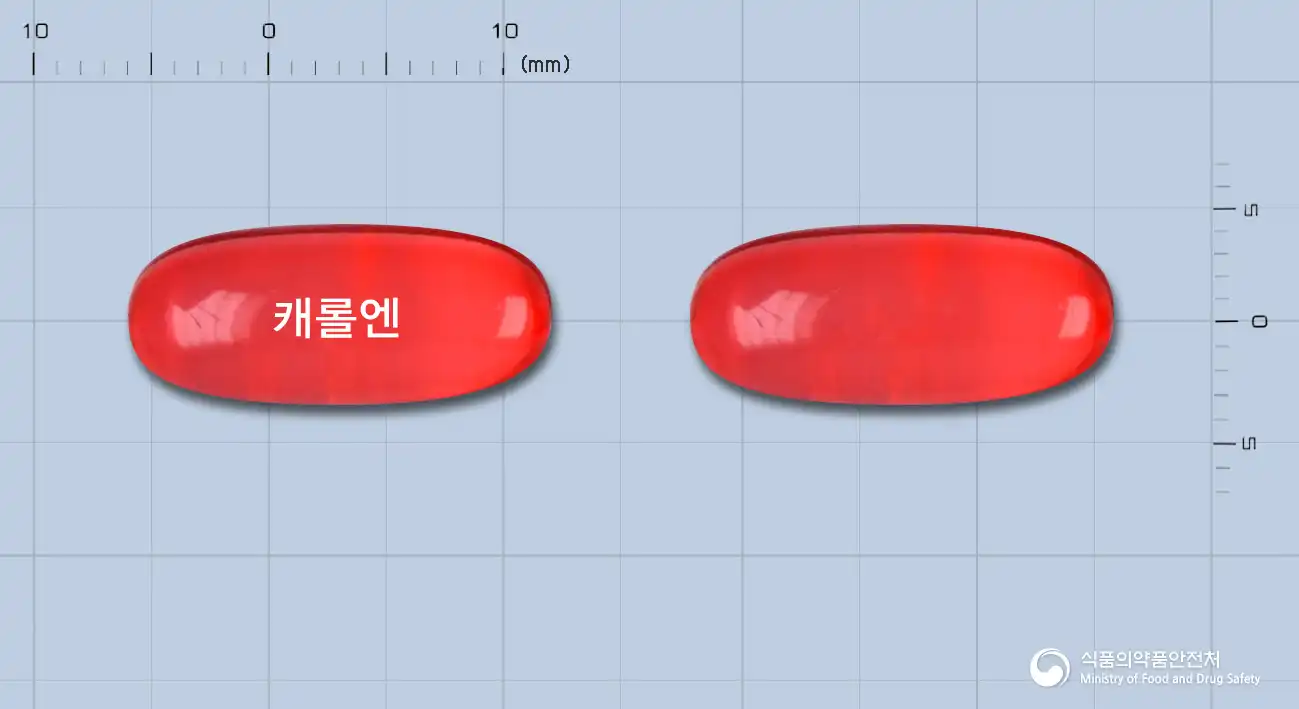
Transparent oval soft capsules containing colorless to pale yellow transparent contents.

Efficacy & effects

This medication is used for the treatment of degenerative joint diseases such as rheumatoid arthritis and osteoarthritis, ankylosing spondylitis and tendinitis, as well as acute gout and dysmenorrhea. It is also effective for relieving pain associated with bursitis, muscle strains and sprains, postoperative pain, migraines, and pain after tooth extraction. In summary, it is widely utilized to improve various joint and muscle inflammation and pain.

Dosage

Rheumatoid arthritis, osteoarthritis, ankylosing spondylitis: Naproxen 250-500 mg orally, twice daily (every 12 hours). Acute gout: Initial dose 750 mg orally and then 250 mg orally every 8 hours until the attack subsides. Musculoskeletal disorders, postoperative pain, pain after tooth extraction, dysmenorrhea, tendinitis, bursitis: Initial dose of 500 mg orally, followed by 6-8 hours.

Precautions

People who regularly consume more than three drinks a day should consult a doctor or pharmacist before taking this medication. This drug can cause gastrointestinal bleeding, so those with gastrointestinal disease should be particularly cautious. Nonsteroidal anti-inflammatory drugs, including this medication, can increase the risk of cardiovascular diseases. Patients with a history of heart disease or stroke, or those with risk factors, should carefully monitor their symptoms while taking it. Additionally, this medicine can cause serious gastrointestinal issues like bleeding, ulcers, and perforation. Elderly patients or those with a history of gastrointestinal disorders should take it with extra caution, and if any abnormal symptoms occur during use, they should consult a medical professional immediately. Patients with a history of peptic ulcers, severe blood disorders, liver dysfunction, heart failure, kidney disorders, hypertension, or hypersensitivity to any of the ingredients of this medication or aspirin should not take this drug. Patients with a history of peptic ulcers, blood disorders, tendency for bleeding, liver dysfunction, kidney disorders, heart dysfunction, hypertension, hypersensitivity, bronchial asthma, autoimmune diseases, and the elderly should proceed with caution when taking this medication. During treatment, symptoms such as shortness of breath, low blood pressure, skin rash, gastrointestinal bleeding, liver dysfunction, decreased kidney function, headache, drowsiness, and skin abnormalities may occur. If any abnormal symptoms arise, the medication should be discontinued immediately and the doctor should be consulted. This medication may interact with other nonsteroidal anti-inflammatory drugs or specific medications, so it is important to inform the healthcare provider about any other medications being taken, especially when taking antihypertensives, diuretics, anticoagulants, lithium, or methotrexate. During pregnancy, especially in late pregnancy, it can pose a risk to the fetus, so pregnant women should avoid taking it, and nursing mothers should also refrain from taking it as it can pass into breast milk and affect the infant. The safety of this medication in children under the age of 2 has not been established, and its use is not recommended. Elderly patients should start with lower doses and monitor for adverse reactions. If this medication is used for a long time, periodic blood tests, liver function tests, and kidney function tests should be conducted to check for abnormalities, and the medication should be stopped if any abnormal symptoms occur. In case of overdose, symptoms such as drowsiness, indigestion, and vomiting may appear, so immediate medical attention should be sought for appropriate treatment. This medication should be stored out of reach of children and care should be taken not to transfer it to another container as it can adversely affect product quality.

Side effects

Hives, severe swelling (edema), chest tightness, difficulty breathing, cold sweat, vomiting blood, gastrointestinal bleeding, peptic ulcers, perforation, jaundice, severe headache, confusion, visual disturbances, paralysis, elevated blood pressure, aseptic meningitis, Stevens-Johnson syndrome, mucocutaneous syndrome, hives, epidermolysis bullosa, anaphylactic reactions, dyspnea, heart failure, anaphylactic reactions, hives, gastrointestinal bleeding, severe blood disorders, severe.

Interactions

This medication should not be taken with other nonsteroidal anti-inflammatory drugs and naproxen derivatives. Hydantoin anticonvulsants, sulfonamides, sulfonylurea hypoglycemic agents, propranolol and other beta-blockers, ACE inhibitors (such as captopril), loop and thiazide diuretics, probenecid, aspirin, lithium, methotrexate, coumarin anticoagulants (such as warfarin), zidovudine, and fluoroquinolone antibiotics (such as enoxacin).

Alternatives / Same-ingredient medications

Related searches