
 한국어
 English
 日本語
 中文(简体)
Dosage form image
Viewing nowMoxiflex Eye Drops (Moxifloxacin Hydrochloride)
Moxifloxacin Hydrochloride 5.45mg
Eye drops · Prescription medication
Daewoo Pharmaceutical Co., Ltd.
MFDS item code 201207450 · Notified 2012.10.26 · Insurance code 649604203
Treatment of bacterial eye infections (such as conjunctivitis and keratitis); suppression of bacterial growth before and after ophthalmic surgery
This medication is used to treat conjunctivitis and blepharitis caused by various types of bacteria, as well as keratitis (including corneal ulcers). It is also used in aseptic therapy before and after ophthalmic surgery to prevent infections. The main targeted bacteria include Staphylococcus, Streptococcus, Pneumococcus, Micrococcus, Moraxella, Corynebacterium, Citrobacter, Klebsiella, Enterobacter, Serratia, Proteus, Moganella, Haemophilus influenzae, Pseudomonas, Burkholderia, Stenotrophomonas, Acinetobacter, and Propionibacterium, among others. Its excellent therapeutic effect against these various bacteria improves symptoms related to ocular infections.
Bacterial conjunctivitis, blepharitis, keratitis (including corneal ulcer): The usual dose is 1 drop instilled 3 times daily. Adjust the dose as appropriate according to symptoms. Sterilization before and after ophthalmic surgery: The usual dose is 1 drop 5 times daily before surgery and 1 drop 3 times daily after surgery.
This medication should not be injected directly into the eye or administered directly to the anterior segment of the eye. Serious allergic reactions may occur in patients receiving systemic administration of drugs from the same class, so if symptoms such as itching, hives, or difficulty breathing appear, discontinue use immediately and consult a healthcare professional. It should not be used in patients with hypersensitivity to this medication or in infants under 1 year of age. Pregnant or breastfeeding women should use this medication cautiously and consult a physician if necessary. Inflammation, pain, redness, itching, and other symptoms may occur when using this medication; if these occur, inform a healthcare professional. Long-term use may result in the emergence of resistant bacteria or other bacterial infections, so it should be used only for the specified duration, and usage should be discontinued if symptoms worsen. It is recommended to avoid using this medication while wearing contact lenses, and if used, it is safest to remove the lenses before administration. When using with other eye drops, administration should be spaced at least 5 minutes apart between each medication. Care should be taken to avoid contamination of the medication; the tip of the container should not touch the eye or fingers, and sharing is discouraged. Keep out of reach of children and store in a cool place, away from direct sunlight. This medication is known to have a low risk of carcinogenicity or mutagenicity, but it should be used cautiously in pregnant women considering its potential effects on the fetus.
Hypersensitivity, cardiovascular collapse, loss of consciousness, angioedema, airway obstruction, dyspnea, urticaria, itching, conjunctivitis, vision reduction, dry eyes, keratitis, ocular discomfort, eye congestion, eye pain, pruritus, subconjunctival hemorrhage, tears, fever, cough, infection, otitis media, pharyngitis, erythema, rhinitis, eye pain, taste disturbances, irritation, foreign body sensation, eyelid swelling, blurred vision, sensory abnormalities at the administration site, shock, anaphylaxis, erythema, rash, hypotension, eyelid swelling, endophthalmitis, ulcerative keratitis, corneal erosion, corneal abrasion, increased intraocular pressure, corneal opacity, corneal deposits, corneal infiltrates, allergy, corneal edema, photophobia, corneal abnormality, blepharitis, eyelid swelling, increased tear production, ocular discharge, foreign body sensation in the eye, nausea
Not everyone experiences these, and they can vary from person to person.
This medication should be stored in a tightly sealed container to protect it from air and moisture. Additionally, it is best to store the medication at room temperature, between 2 to 25 degrees Celsius, avoiding temperatures that are too hot or too cold. Proper storage helps maintain the potency of the medication for a longer period.
A light yellow-green eye drop solution in a transparent plastic container.
6mL/bottle
Even with the same ingredient, strength, dosage form and how it is taken can differ.
Moxifloxacin Hydrochloride 5.45mg
Eye drops · Prescription medication
Daewoo Pharmaceutical Co., Ltd.
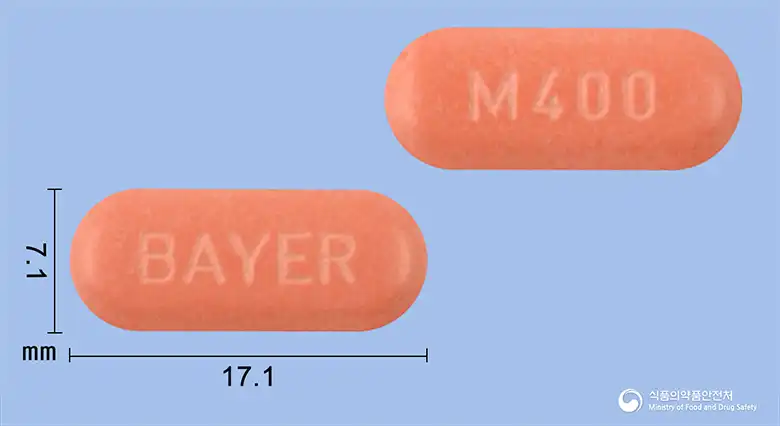
Moxifloxacin Hydrochloride 436.8mg
Tablet · Prescription medication
Bayer Korea Co., Ltd.
Moxifloxacin Hydrochloride 1.744mg
Injections · Prescription medication
Bayer Korea Co., Ltd.
Moxifloxacin Hydrochloride 5.45mg
Eye drops · Prescription medication
Novartis Korea Co., Ltd.
Moxifloxacin Hydrochloride 5.45mg
Eye drops · Prescription medication
Samchundang Pharmaceutical Co., Ltd.
Moxifloxacin Hydrochloride 5.45mg
Eye drops · Prescription medication
Samil Pharmaceutical Co., Ltd.
Moxifloxacin Hydrochloride 5.45mg
Eye drops · Prescription medication
Optus Pharmaceutical Co., Ltd.
Moxifloxacin Hydrochloride 5.45mg
Eye drops · Prescription medication
Hankook Hyutecs Pharmaceutical Co., Ltd.
Even with the same ingredient, the dose and directions can differ by strength and dosage form. Talk to a doctor or pharmacist before switching from a medication you are already taking.
No questions yet.
For anything that needs medical judgment, consult a doctor or pharmacist.
This drug information is based on data provided by the Korea Ministry of Food and Drug Safety.
Consult a doctor or pharmacist for accurate dosage, administration, and usage instructions.