
 한국어
한국어 English
 日本語
日本語 中文(简体)
 Viewing now
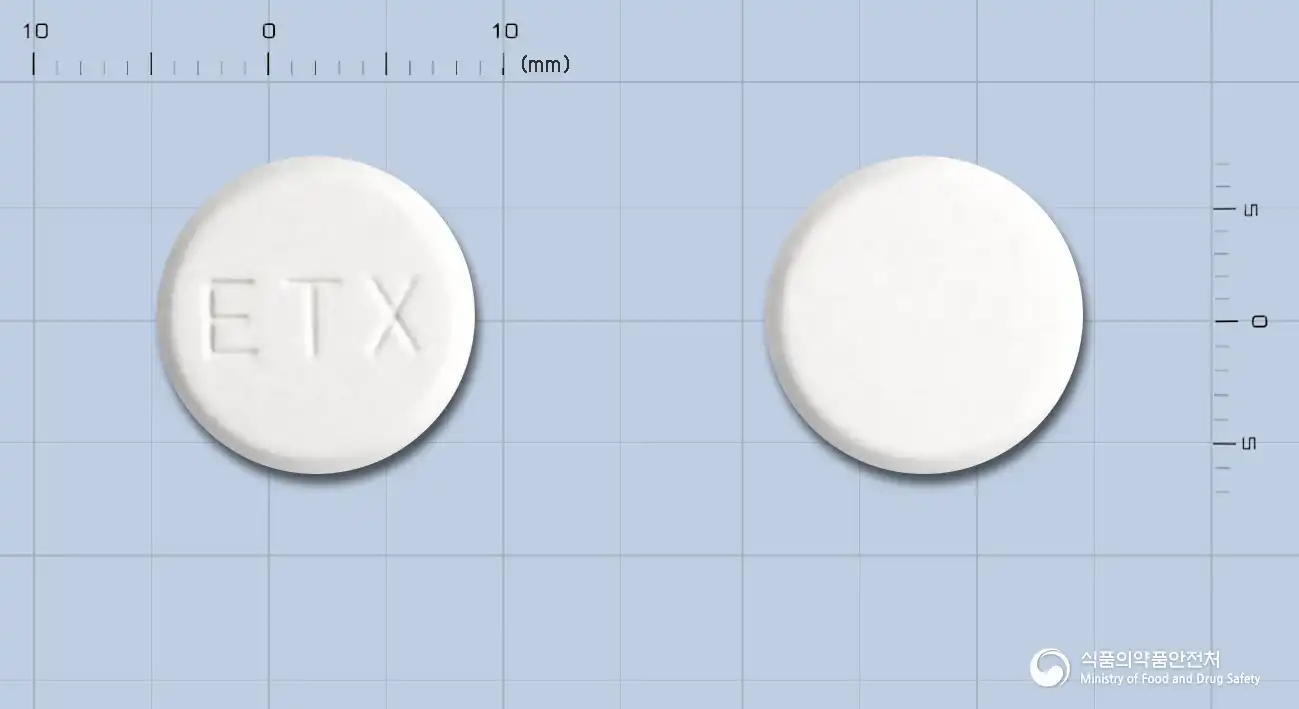
Mucotar Troche (Ambroxol Hydrochloride)
Ambroxol Hydrochloride 20mg
OTC medication
Teragen Exitech Co., Ltd.
MFDS item code 201206250 · Notified 2012.07.25
Relief of acute throat pain
This medication is used to relieve pain caused by acute pharyngitis. It helps to reduce discomfort and pain in the throat, allowing patients to carry out their daily activities more comfortably.
Adults and children aged 12 and over should slowly dissolve 1 tablet at a time. Do not exceed 6 tablets in one day. This medication should not be used longer than 3 days.
Not to be administered to children under 12 years old.
This medication should not be taken by individuals who are allergic to this medication or any of its components. Individuals with a genetic predisposition to fructose intolerance should avoid taking formulations containing sorbitol. Those with congenital diseases such as galactose intolerance, Lapp lactase deficiency, or glucose-galactose malabsorption should not use products containing lactose. Children under 12 years old should not take the troche form of this medication. Individuals with severe renal impairment should consult with a doctor or pharmacist before taking this medication. Pregnant women are advised especially not to take this medication within the first three months of pregnancy and are also cautioned against use after 28 weeks of pregnancy. Breastfeeding women should only use this medication if the benefits outweigh the risks, as it may be transmitted through breast milk. Elderly individuals may require dosage adjustments or close monitoring due to possible reduced physical function. Patients with chronic mucus production or clearance impairment should also consult a healthcare professional before use. If any new damage to the skin or mucous membranes occurs during treatment, stop taking the medication immediately and consult a doctor. Symptoms such as indigestion, nausea, vomiting, heartburn, and dryness of the mouth and throat may occur in the gastrointestinal tract, and rarely gastrointestinal discomfort, constipation, or diarrhea may arise. Allergic reactions such as skin rash, urticaria, difficulty breathing, and facial swelling may appear, and if such symptoms occur, immediate consultation with a healthcare professional is required. In the respiratory system, rare cases of purulent rhinitis and leukocytosis have been reported. Neurological effects may include alterations in taste or abnormalities in the sensation of the tongue, and rarely, paralysis sensation in the arms. This medication may increase the concentration of antibiotics in bronchial secretions and sputum when taken with certain antibiotics. It should not be taken with central nervous system cough suppressants such as codeine or dextromethorphan as this may lead to accumulation of mucus, increased risk of bronchospasm or infection. No evidence suggests that this medication affects driving or machine operation, but research is insufficient.
Indigestion, nausea, vomiting, heartburn, dry throat, dry mouth, upper abdominal discomfort, bloating, abdominal pain, diarrhea, constipation, loss of appetite, skin rash, urticaria-like erythema, itching, facial swelling, chills, purulent rhinitis accompanied by leukocytosis, altered sensation of the tongue, alterations in taste, oral numbness, feeling of paralysis in the arms.
Not everyone experiences these, and they can vary from person to person.
Do not take this medication in conjunction with central nervous system cough suppressants such as codeine or dextromethorphan. Consult a doctor or pharmacist when taking this medication with antibiotics like erythromycin, cephalexin, oxytetracycline, amoxicillin, cefuroxime, or doxycycline.
This medication is sensitive to air and moisture, so it must be stored in a tightly sealed container. It is recommended to keep the storage temperature between 1 to 30 degrees Celsius. This will ensure that the medication's efficacy is well maintained and can be used safely.
White round troche
20 tablets (10 tablets/PTPX2)
Even with the same ingredient, strength, dosage form and how it is taken can differ.
Viewing nowAmbroxol Hydrochloride 20mg
OTC medication
Teragen Exitech Co., Ltd.
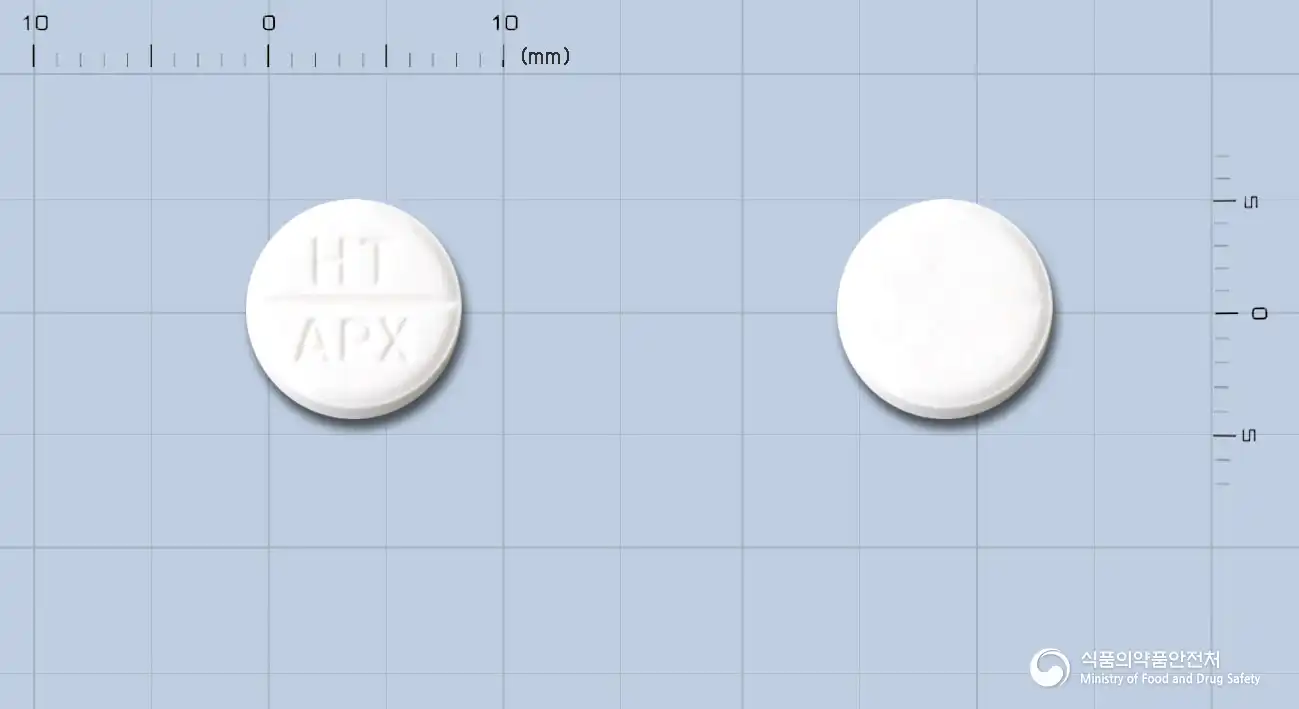
Ambroxol Hydrochloride 30mg
Tablet · OTC medication
Hanmi Pharmaceutical Co., Ltd.
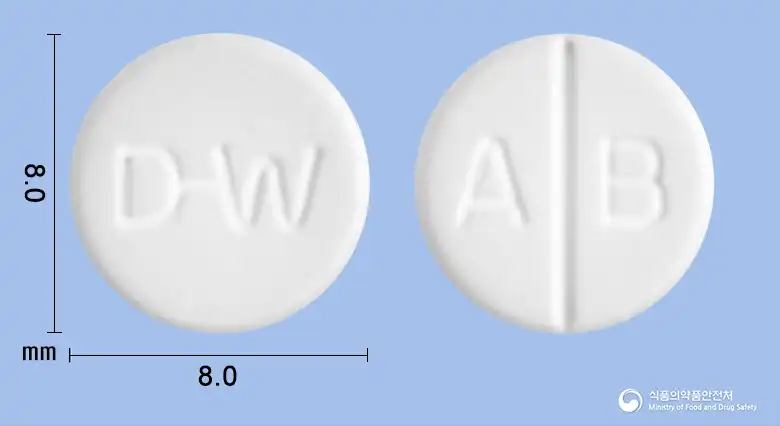
Ambroxol Hydrochloride 30mg
Tablet · OTC medication
Dongwha Pharmaceutical Co., Ltd.
Ambroxol Hydrochloride 15mg
Prescription medication
Aju Pharmaceuticals Co., Ltd.
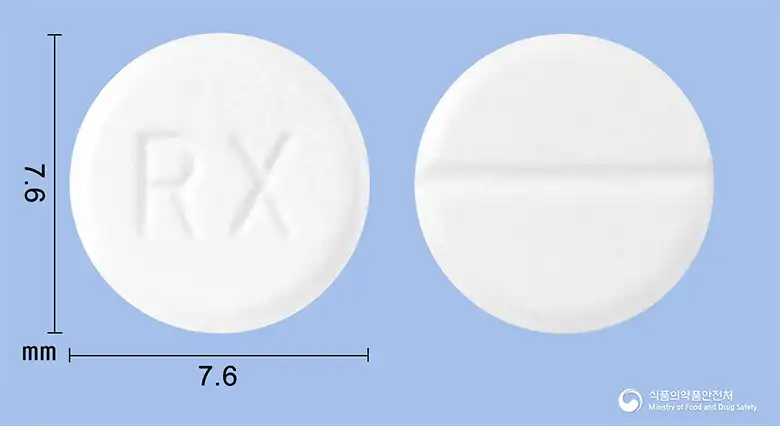
Ambroxol Hydrochloride 30mg
Tablet · OTC medication
Sama Pharmaceutical Co., Ltd.
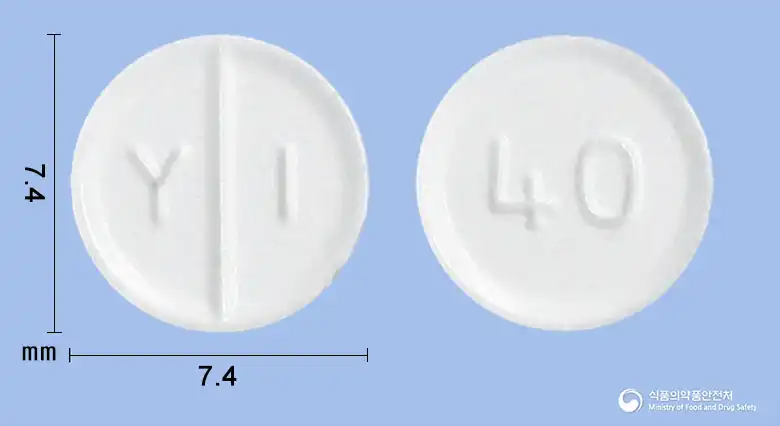
Ambroxol Hydrochloride 30mg
Tablet · OTC medication
Youngil Pharmaceutical Co., Ltd.
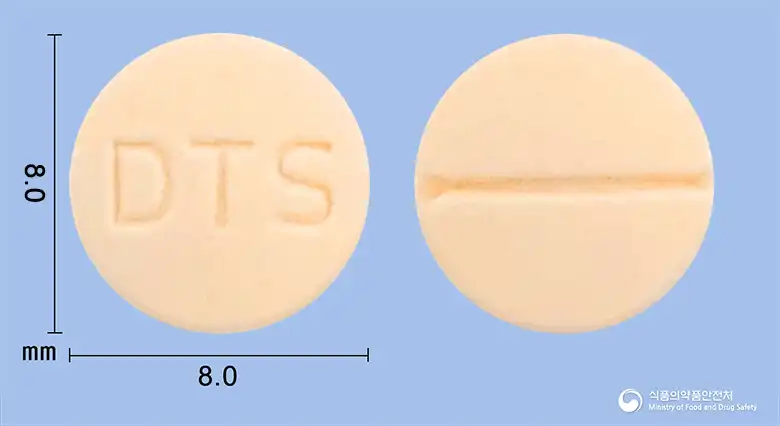
Ambroxol Hydrochloride 30mg
Tablet · OTC medication
Guju Pharmaceutical Co., Ltd.
Ambroxol Hydrochloride 15mg
Prescription medication
Dongkwang Pharmaceutical Co., Ltd.
Even with the same ingredient, the dose and directions can differ by strength and dosage form. Talk to a doctor or pharmacist before switching from a medication you are already taking.
No questions yet.
For anything that needs medical judgment, consult a doctor or pharmacist.
This drug information is based on data provided by the Korea Ministry of Food and Drug Safety.
Consult a doctor or pharmacist for accurate dosage, administration, and usage instructions.