
 한국어
 English
 日本語
 中文(简体)
 Viewing now
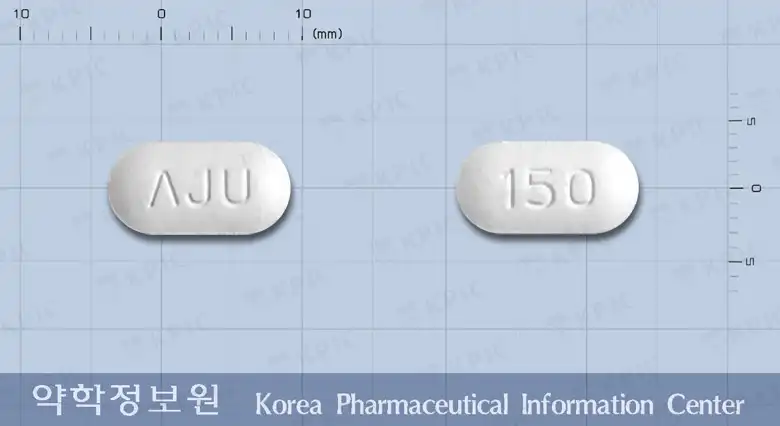
Anabone 150 mg (Ibandronate Sodium Monohydrate)
Ibandronate Sodium Monohydrate 168.75mg
Tablet · Prescription medication
Ajou Pharmaceutical Co., Ltd.
MFDS item code 201205623 · Approved 2012.06.18 · Insurance code 654004120
Treatment of osteoporosis in postmenopausal women
This medication is used for the treatment of osteoporosis in postmenopausal women. It helps maintain healthy bones by increasing bone density and reducing the risk of fractures due to osteoporosis.
Take 1 tablet once a month on the same day each month in the morning, with plenty of water, at least 1 hour before consuming food, beverages (other than water), or other oral medicines or dietary supplements (including calcium): - This medicine should be swallowed with a sufficient amount of water (180-240ml) while standing or sitting upright, and the patient should not lie down for 60 minutes after taking it. - Take this medicine with plain water, as mineral water may reduce its absorption. - Do not chew or suck the tablet, to avoid esophageal ulcers. If the patient forgets to take a dose on the scheduled dosing day: - If 8 days or more remain until the next scheduled dose, take 1 tablet the morning after realizing that a dose was missed, and thereafter take 1 tablet each month on the originally scheduled dosing day, - If 7 days or fewer remain until the next scheduled dose, take 1 tablet on the next scheduled dosing day, and thereafter continue taking 1 tablet each month on the originally scheduled dosing day. - Do not take 2 tablets in the same week. Patients with inadequate dietary intake should supplement with calcium or vitamin D, etc. Patients with hepatic impairment No dose adjustment is necessary. Patients with renal impairment No dose adjustment is necessary in patients with mild or moderate renal impairment and a creatinine clearance of 30mL/min or higher. Use of this medicine is not recommended in patients with a creatinine clearance below 30mL/min, because clinical experience is insufficient. Older adults No dose adjustment is necessary.
Efficacy and safety in children 18 years of age and younger have not been studied.
This medication should not be given to certain patients. For example, patients who have had allergic reactions to this medication or its components should not take it. Additionally, patients with untreated hypocalcemia should not use this medication. Patients should remain upright for at least 60 minutes after taking this medication, and it should not be administered to patients who cannot do so. Patients with issues swallowing food due to esophageal function problems may also be at risk when taking this medication. Patients with lactose intolerance or specific genetic issues should not take this medication. Patients with severe renal failure should be particularly cautious when administering this medication. During the use of this medication, side effects such as gastrointestinal disturbances, headache, muscle pain, fatigue, and rash may occur. Especially when taking this medication for the first time, flu-like symptoms may temporarily appear, so caution should be exercised. Additionally, rare symptoms such as esophagitis, esophageal ulceration, dizziness, and back pain have been reported. This medication can cause inflammation of the eyes, and severe allergic reactions or skin conditions may occur. Serious side effects such as osteonecrosis of the jaw have also been reported, so it is important to consult a doctor beforehand if dental treatment is required. Taking this medication with food or supplements containing calcium, iron, or other drugs can interfere with its absorption, so it is necessary not to consume other food or medication for at least 1 hour after taking it. Women who are pregnant or breastfeeding should avoid using this medication. No dose adjustment is necessary for the elderly, but safety for children under 18 years has not been established. If symptoms such as difficulty swallowing, chest pain, or heartburn occur while taking this medication, discontinue use immediately and consult a doctor. If an overdose occurs, do not induce vomiting, keep the patient upright, and contact a medical facility immediately. Finally, this medication should be kept out of reach of children, and unused medication should be disposed of in accordance with designated methods to prevent environmental contamination.
Dyspepsia, nausea, abdominal pain, diarrhea, bloating, gastroesophageal reflux disease, headache, influenza-like illness, fatigue, myalgia, arthralgia, rash, gastritis, esophagitis, muscle spasms, musculoskeletal pain, musculoskeletal stiffness, dysphagia, vomiting, esophageal ulcer, esophageal stricture, dizziness, low back pain, duodenitis, hypersensitivity reactions, angioedema, facial swelling, urticaria, uveitis, scleritis, osteonecrosis of the jaw and external auditory canal, anaphylactic reaction, shock, worsening of asthma, Stevens-Johnson syndrome, erythema multiforme, vesicular dermatitis, atypical femoral neck and subtrochanteric fractures, atypical fractures of the iliac bone, altered sensation in the eye, myasthenia, pruritus
Not everyone experiences these, and they can vary from person to person.
This medication should be stored in a tightly sealed container away from air and moisture, at room temperature between 1 and 30 degrees Celsius. This will help maintain its effectiveness and safety.
White to almost white oblong film-coated tablet
1 tablet (1 tablet/PTP×1)
Even with the same ingredient, strength, dosage form and how it is taken can differ.
Viewing nowIbandronate Sodium Monohydrate 168.75mg
Tablet · Prescription medication
Ajou Pharmaceutical Co., Ltd.
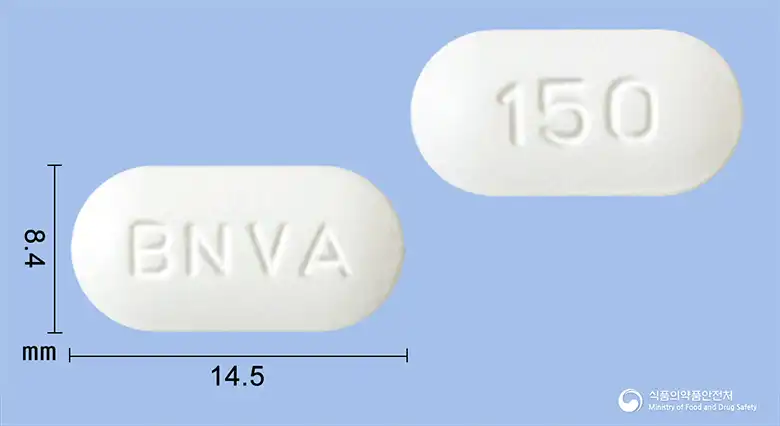
Ibandronate Sodium Monohydrate 168.75mg
Tablet · Prescription medication
Jeil Pharmaceutical Co., Ltd.
Ibandronate Sodium Monohydrate 3.375mg
Solution · Prescription medication
Jeil Pharmaceutical Co., Ltd.
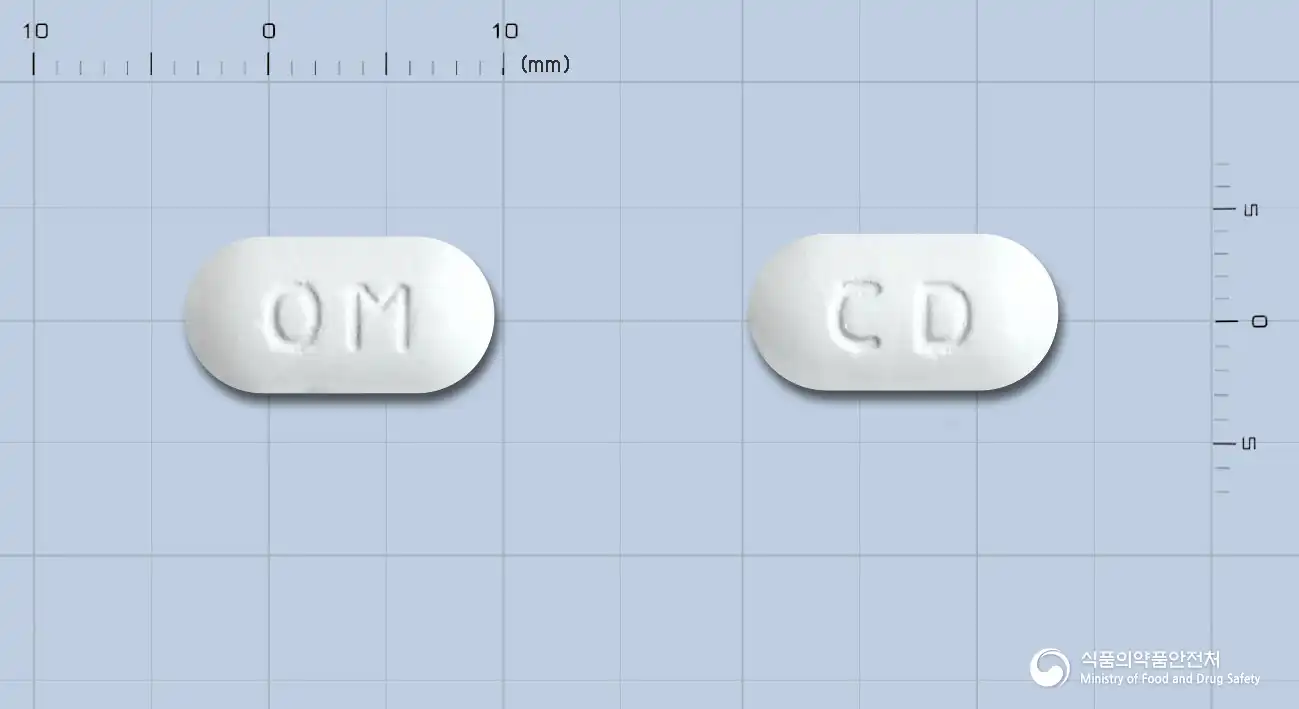
Ibandronate Sodium Monohydrate 168.75mg
Tablet · Prescription medication
Chodang Pharmaceutical Co., Ltd.
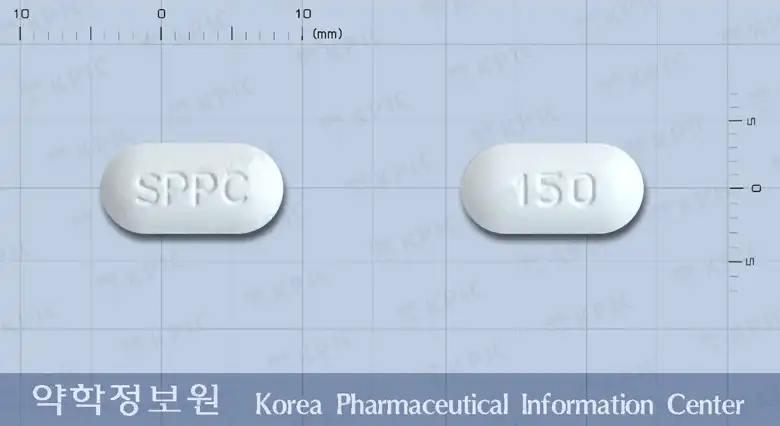
Ibandronate Sodium Monohydrate 168.75mg
Tablet · Prescription medication
Shinpoong Pharmaceutical Co., Ltd.
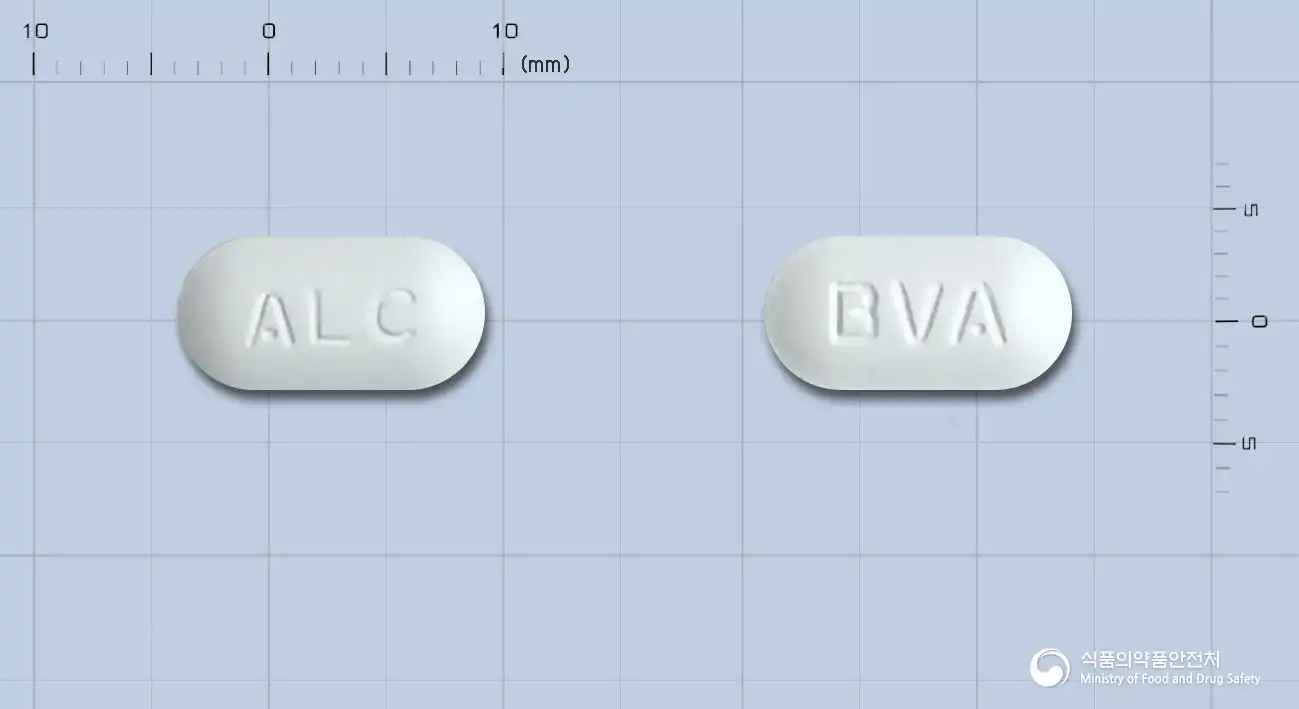
Ibandronate Sodium Monohydrate 168.75mg
Tablet · Prescription medication
Aliko Pharmaceutical Co., Ltd.
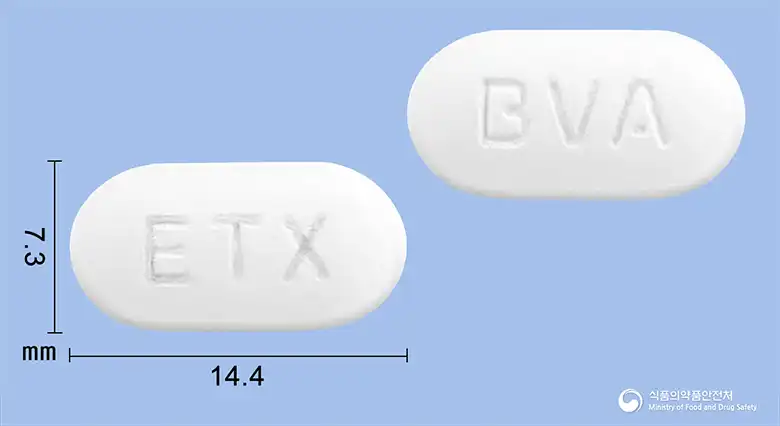
Ibandronate Sodium Monohydrate 168.75mg
Tablet · Prescription medication
Teragen Etex Co., Ltd.
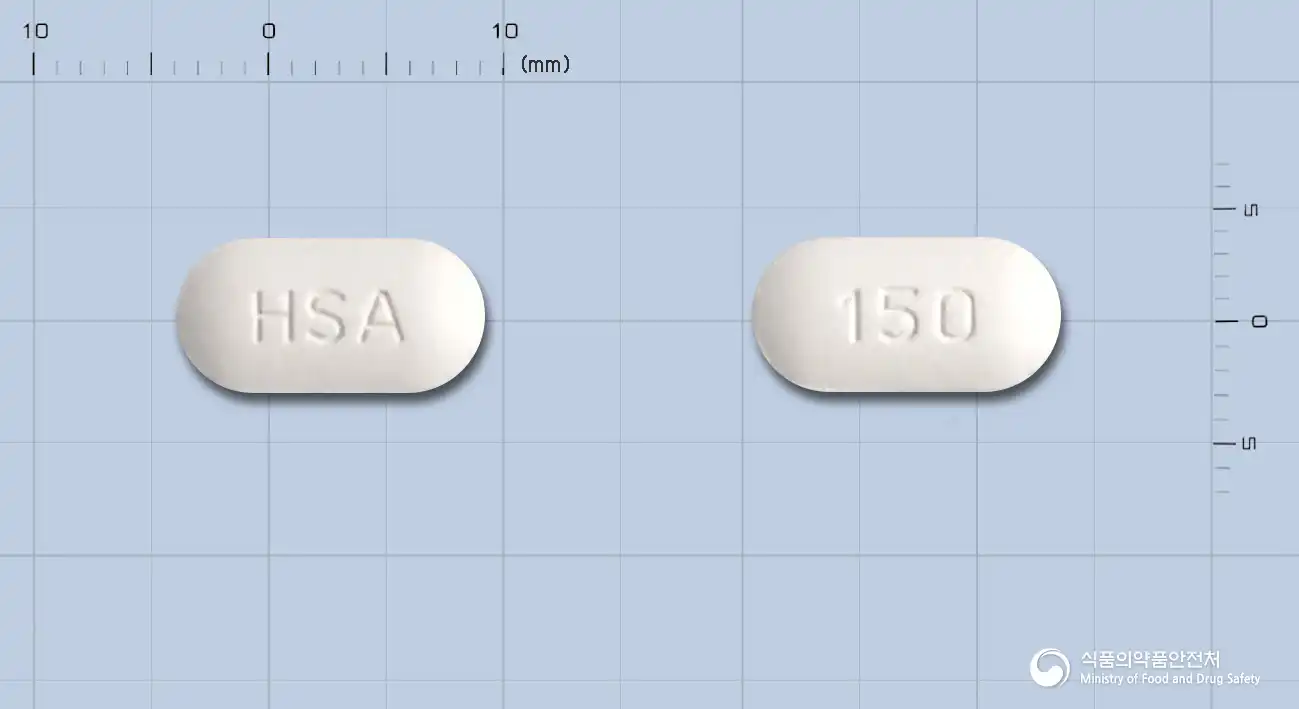
Ibandronate Sodium Monohydrate 168.75mg
Tablet · Prescription medication
Huons Co., Ltd.
Even with the same ingredient, the dose and directions can differ by strength and dosage form. Talk to a doctor or pharmacist before switching from a medication you are already taking.
No questions yet.
For anything that needs medical judgment, consult a doctor or pharmacist.
This drug information is based on data provided by the Korea Ministry of Food and Drug Safety.
Consult a doctor or pharmacist for accurate dosage, administration, and usage instructions.