
 한국어
 English
 日本語
 中文(简体)
 Viewing now
Maxigra 100 mg (Sildenafil Citrate)
Sildenafil Citrate 140.45mg
Tablet · Prescription medication
International Pharmaceutical Co., Ltd.
MFDS item code 201204544 · Approved 2012.05.09
Treatment of erectile dysfunction
This medication is used to treat erectile dysfunction. Erectile dysfunction refers to a condition in which males have difficulty achieving sufficient erection during sexual arousal, leading to challenges in sexual activity. This drug improves blood flow to assist in the duration and strength of an erection. Various formulations (tablets, orally dissolving films, oral dispersible tablets, chewable tablets, powders) enhance patient convenience and absorption rates. With the selection of formulations suited to individual patients, effective treatment is possible. It helps improve erectile dysfunction.
As sildenafil, the recommended dose is 25 ∼ 50 mg orally once daily approximately 1 hour before sexual activity. In some cases, it may be administered 4 hours to 30 minutes before sexual activity. The dose may be increased or decreased according to efficacy and tolerability. In the following patients, the initial dose should be adjusted to 25 mg because sildenafil plasma concentrations may be increased: - 65 years of age or older (AUC increased by 40 %) - Hepatic impairment (cirrhosis: 80 %) - Severe renal impairment (creatinine clearance of 30 mL/min or less: 100 %) - When coadministered with CYP3A4 inhibitors (such as ketoconazole, itraconazole, erythromycin (182 %), and saquinavir (210 %)), increased blood concentrations may increase the effects and the incidence of adverse reactions. - In patients receiving concomitant ritonavir, do not exceed 25 mg as a maximum single dose in a 48-hour period.
This medicine can pose a risk of dangerously low blood pressure if taken with nitrate medications that affect blood pressure, so it should be discussed with a physician prior to use. Patients with cardiovascular diseases should undergo a thorough cardiac evaluation before taking this medication, and it is advisable to avoid sexual activities that may strain the heart. This medication can cause a temporary decrease in blood pressure due to vasodilation, so patients with unstable blood pressure or underlying cardiovascular conditions should exercise caution. Patients with a history of severe arrhythmia, heart failure, unstable angina, hypotension, or hypertension, as well as patients with pigmentary retinopathy, should consult a physician before using this medication. If an erection lasts longer than 4 hours, immediate medical attention is necessary to prevent penile tissue damage or permanent erectile dysfunction. This drug may significantly increase blood concentration when used with certain protease inhibitors, raising the risk of side effects, so dosage adjustment is needed if taken together. Formulations containing aspartame, an artificial sweetener, should not be administered to patients with phenylketonuria. Patients with hypersensitivity to this drug or those regularly using nitrate medications should not take this medication. Patients with sexual activity not recommended due to cardiovascular diseases, severe liver failure, hypotension or uncontrolled hypertension, or a recent history of cardiovascular events should avoid this medication. Patients with penile deformities or bleeding disorders, elderly patients, and those with severe renal failure should use this medication with caution and consult a physician regarding the potential for adverse reactions. The most common side effects of this medication include headache and facial flushing, as well as dizziness, indigestion, and visual disturbances. Serious side effects, though rare, include myocardial infarction, cardiac sudden death, cerebrovascular hemorrhage, and sudden hearing loss, necessitating immediate contact with a physician if symptoms occur. This medication can induce visual disturbances or dizziness during driving or machinery operation, requiring caution. When combined with other antihypertensive drugs or certain antibiotics and antivirals, the drug concentration and effect may be affected, so patients should inform their doctor of other medications they are taking. Women who are pregnant or breastfeeding should not take this medication, and it should not be given to children or females under 18 years of age. Overdose may intensify side effects, so the recommended dosage must be followed, and immediate medical attention should be sought in case of unusual symptoms. This medication should be stored out of the reach of children and should not be transferred to other containers.
Headache, flushing, rhinitis, hypersensitivity reactions, dizziness, drowsiness, seizures, recurrence of seizures, syncope, blurred vision, visual impairment, cyanopsia, eye pain, photophobia, scotoma, color vision abnormality, eye congestion, increase in brightness of vision, eye swelling, eyelid edema, tachycardia, palpitations, facial flushing, flushing, hypotension, nasal congestion, epistaxis, sinus congestion, throat tightness, nasal dryness, nasal edema, nausea, dyspepsia, gastroesophageal reflux disease, vomiting, upper abdominal pain, dry mouth, oral sensory disturbance, rash, myalgia, limb pain, priapism, increased erection, feeling of warmth, irritability, increased heart rate, urinary tract infection, diarrhea, migraine, confusion, weakness, pain, chills, accidental falls, allergic reaction, chest pain, accidental trauma, angina, atrioventricular block, palpitations, orthostatic hypotension, myocardial ischemia, cerebral thrombosis, cardiac arrest, heart failure, abnormal electrocardiogram, cardiomyopathy, vasodilation, glossitis, colitis, dysphagia, gastritis, gastroenteritis, esophagitis, stomatitis, impaired liver function, rectal bleeding, gingivitis, anemia, leukopenia, thirst, edema, gout, unstable diabetes, hyperglycemia, peripheral edema, hyperuricemia, hypoglycemia, hypernatremia, arthritis, arthropathy, tendon rupture, tenosynovitis, bone pain, myasthenia, synovitis, ataxia, tension hyperactivity, neuralgia, neuropathy, sensory abnormalities, tremors, depression, insomnia, abnormal dreams, reduced reflex function, sensory reduction, asthma, dyspnea, laryngitis, pharyngitis, sinusitis, bronchitis, increased sputum, increased cough, urticaria, herpes simplex, itching, sweating, skin ulcer, contact dermatitis, exfoliative dermatitis, sudden hearing loss, hearing impairment, mydriasis, conjunctivitis, photophobia, tinnitus, eye pain, otalgia, subconjunctival hemorrhage, cataract, dry eye syndrome, cystitis, nocturia, frequent urination, chest enlargement, urinary incontinence, ejaculation disorder, genitourinary edema, sexual hyperesthesia, migraine, confusion, anxiety, hematuria, epistaxis, hypersensitivity reaction, diplopia, transient vision loss, vision deterioration, ocular burning sensation, ocular swelling, increased intraocular pressure, retinal vascular disease, hemorrhage, vitreous detachment, contraction, macular edema, non-arteritic anterior ischemic optic neuropathy, migraine, confusion, weakness, pain, chills, accidental falls, allergic reaction, chest pain, accidental trauma, angina, atrioventricular block, palpitations, orthostatic hypotension, myocardial ischemia, cerebral thrombosis, cardiac arrest, heart failure, abnormal electrocardiogram, cardiomyopathy, vasodilation, glossitis, colitis, dysphagia, gastritis, gastroenteritis, esophagitis, stomatitis, impaired liver function, rectal bleeding, gingivitis, anemia, leukopenia, thirst, edema, gout, unstable diabetes, hyperglycemia, peripheral edema, hyperuricemia, hypoglycemia, hypernatremia, arthritis, arthropathy, myalgia, tendon rupture, tenosynovitis, bone pain, myasthenia, synovitis, ataxia, tension hyperactivity, neuralgia, neuropathy, sensory abnormalities, tremors, depression, insomnia, abnormal dreams, reduced reflex function, sensory reduction, asthma, dyspnea, laryngitis, pharyngitis, sinusitis, bronchitis, increased sputum, increased cough, urticaria, herpes simplex, itching, sweating, skin ulcer, contact dermatitis, exfoliative dermatitis, sudden hearing loss, hearing impairment, mydriasis, conjunctivitis, photophobia, tinnitus, eye pain, otalgia, subconjunctival hemorrhage, cataract, dry eye syndrome, anxiety, prolonged erection, hematuria, epistaxis, hypersensitivity reaction, facial flushing, infection, distal pain, hepatitis, virus, penile dysfunction, painful urination, polyuria, glaucoma, overflow incontinence, gastric carcinoma, seborrhea, headache, flushing, visual disturbance, increased creatine kinase, myocardial infarction, hypotension, syncope, tachycardia, vasodilation, hypertension, palpitations, arrhythmia, incomplete atrioventricular block, tension hyperactivity, confusion, nausea, abdominal pain, vomiting, diarrhea, dyspepsia, abdominal discomfort, abdominal bloating, constipation, dry mouth, tongue discoloration, prolonged erection, urinary tract infection, prostate abnormalities, penile pain, persistent erectile dysfunction, morning erection persistency, ejaculation disorder, nasal congestion, nasal bleeding, rhinitis, pharyngitis, respiratory infection, sinusitis, respiratory distress, arthralgia, abdominal pain, myalgia, rash, itching, dry skin, decreased red blood cell volume, decreased white blood cell count, eosinophilia, lymphocytosis, decreased red blood cell count, increased red blood cell count, decreased hemoglobin, increased red blood cell volume, decreased lymphocytes, eye pain, congestion, conjunctivitis, color vision abnormality, scotoma, eye reddening, hypersensitivity reaction, infection, weakness, pain, influenza syndrome, fatigue, increased urinary uric acid, decreased sodium level, increased serum inorganic phosphate, increased urinary protein, increased urinary glucose, increased urobilinogen
Not everyone experiences these, and they can vary from person to person.
This medication should be stored in a tightly closed container to prevent exposure to air and moisture, and it is best kept at room temperature between 1°C and 30°C. Proper storage will help maintain the drug's effectiveness.
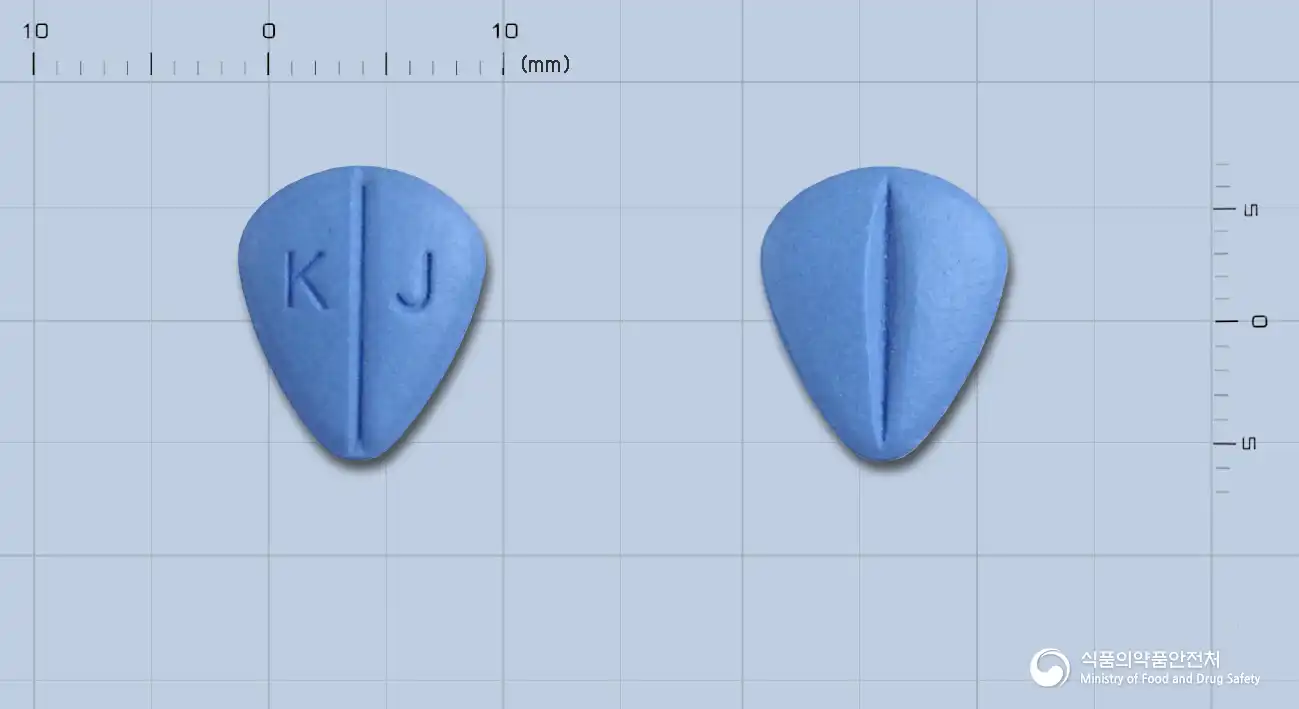
Blue, slightly rounded, drop-shaped film-coated tablets
4 tablets (2 tablets/PTP × 2)
Even with the same ingredient, strength, dosage form and how it is taken can differ.
Viewing nowSildenafil Citrate 140.45mg
Tablet · Prescription medication
International Pharmaceutical Co., Ltd.
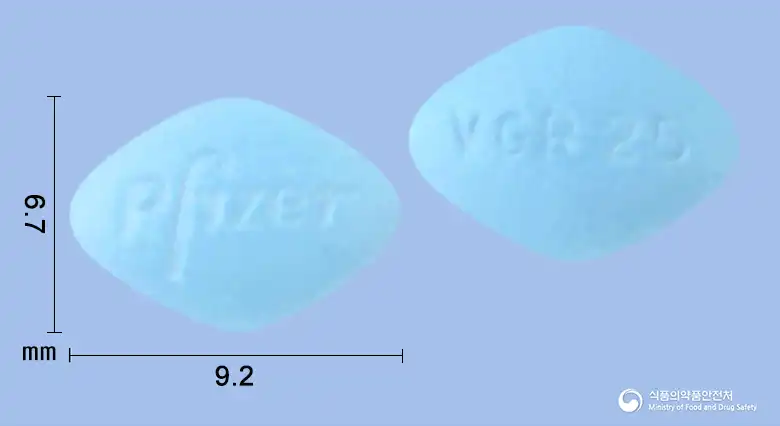
Sildenafil Citrate 35.112mg
Tablet · Prescription medication
Viatriss Korea Co., Ltd.
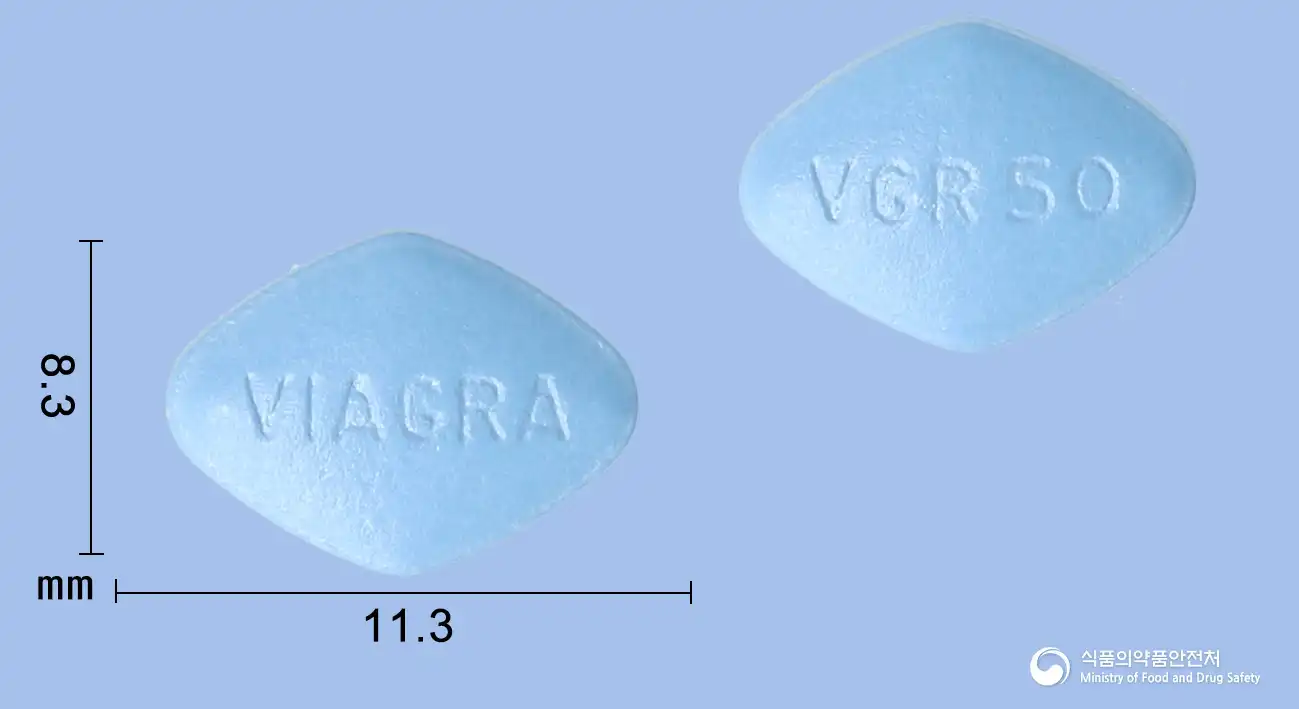
Sildenafil Citrate 70.225mg
Tablet · Prescription medication
Viatris Korea Co., Ltd.
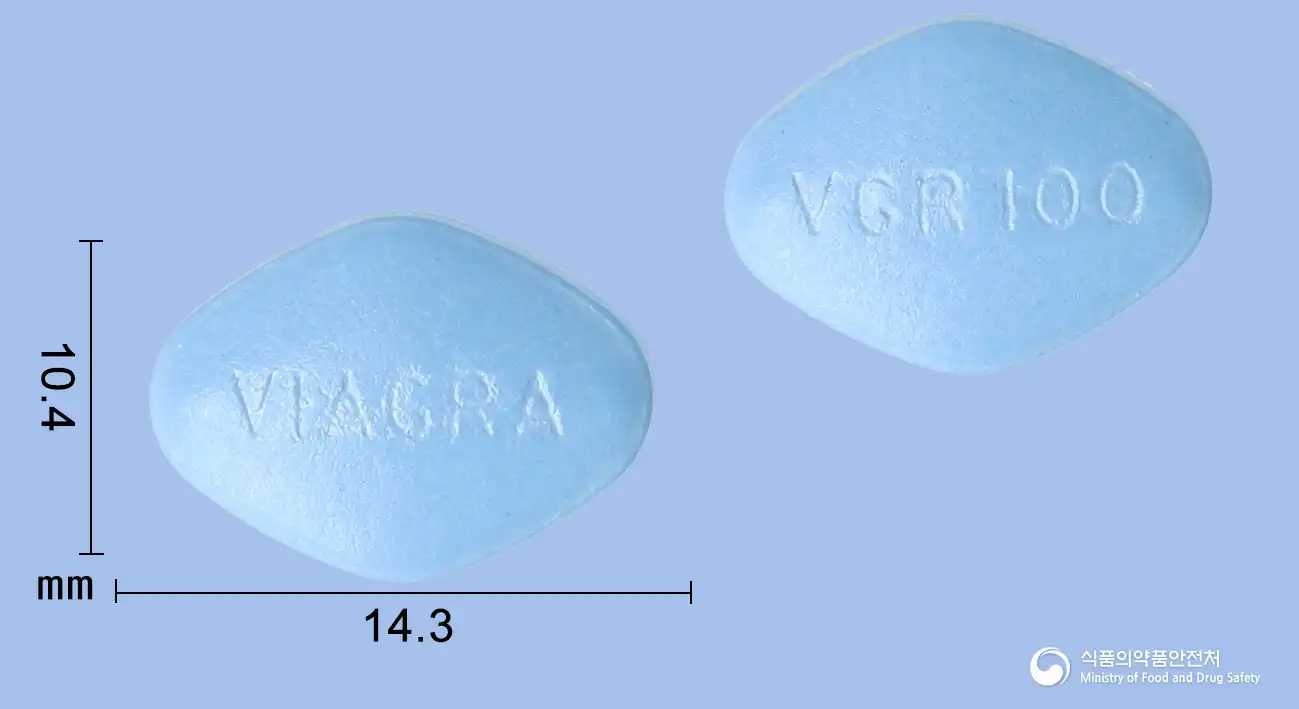
Sildenafil Citrate 140.45mg
Tablet · Prescription medication
Viatris Korea Co., Ltd.
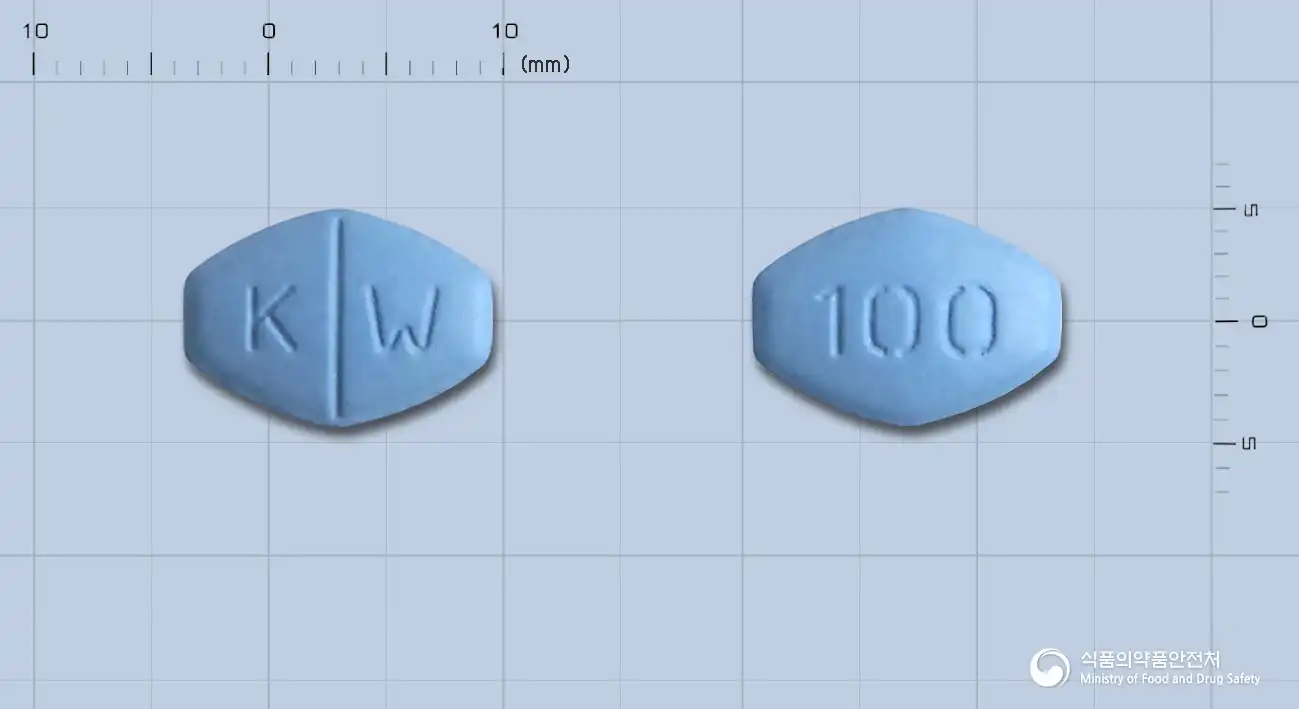
Sildenafil Citrate 140.45mg
Tablet · Prescription medication
Albozen Korea Co., Ltd.
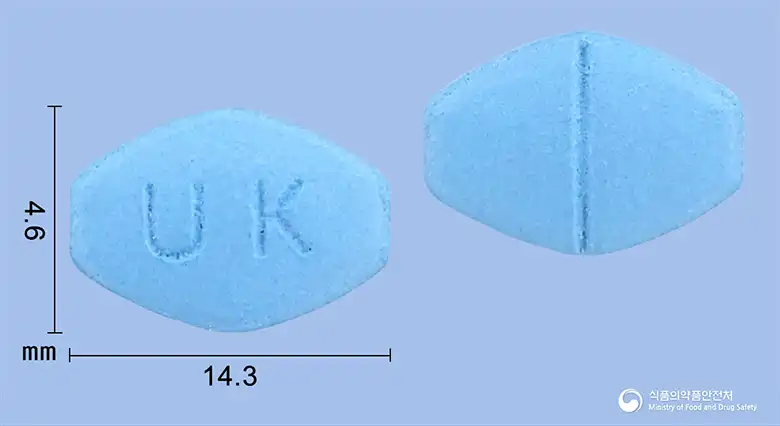
Sildenafil Citrate 140.45mg
Tablet · Prescription medication
Korea Union Pharmaceutical Co., Ltd.
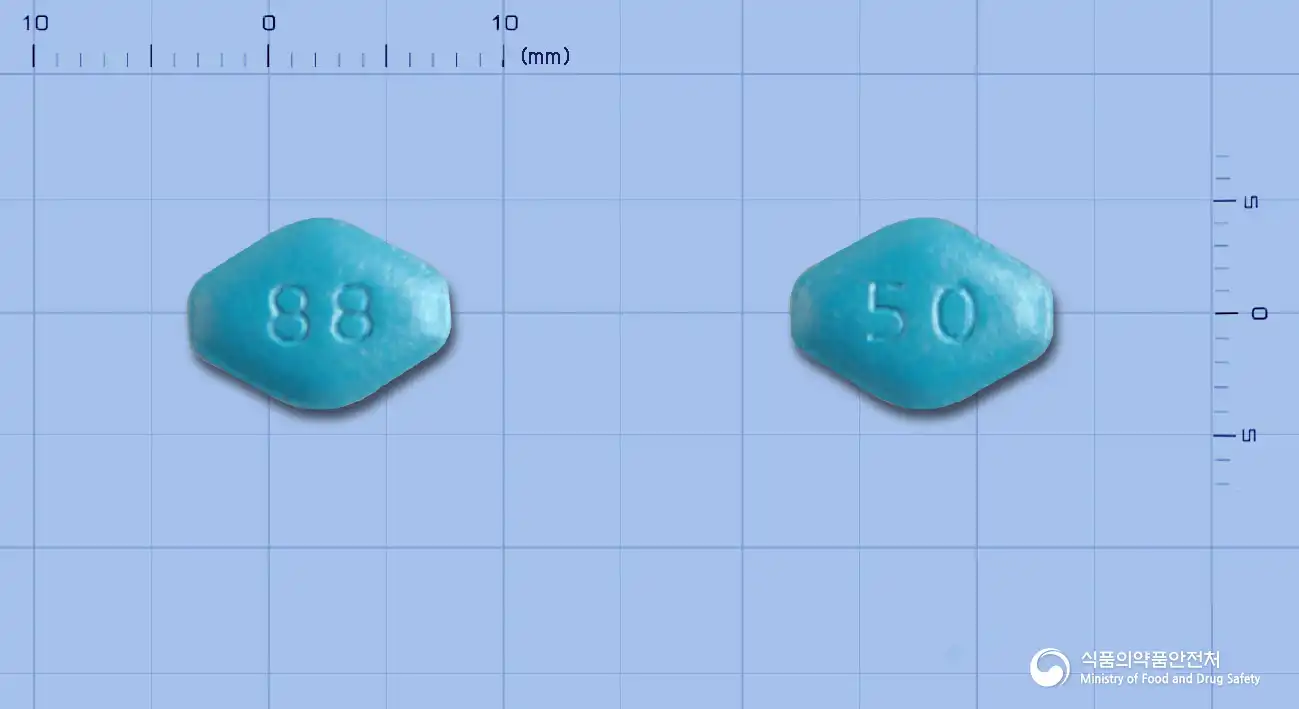
Sildenafil Citrate 70.23mg
Tablet · Prescription medication
Hanmi Pharmaceutical Co., Ltd.
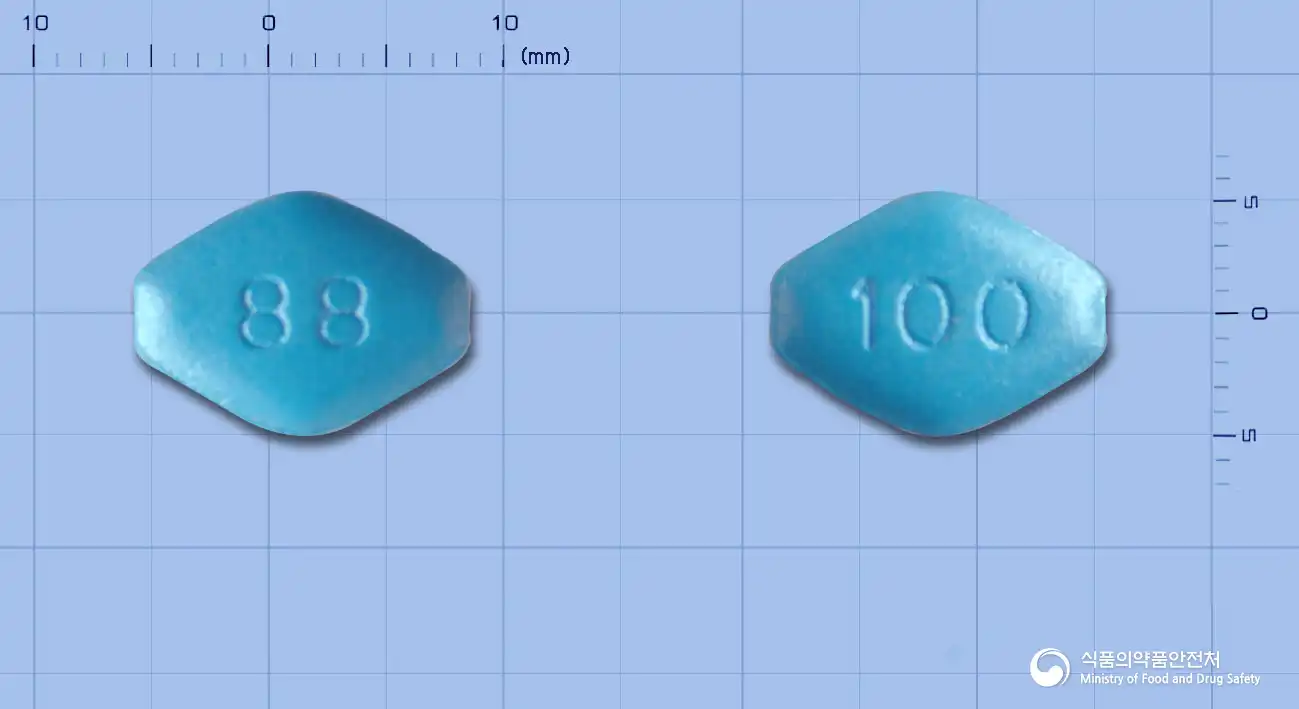
Sildenafil Citrate 140.45mg
Tablet · Prescription medication
Hanmi Pharmaceutical Co., Ltd.
Even with the same ingredient, the dose and directions can differ by strength and dosage form. Talk to a doctor or pharmacist before switching from a medication you are already taking.
No questions yet.
For anything that needs medical judgment, consult a doctor or pharmacist.
This drug information is based on data provided by the Korea Ministry of Food and Drug Safety.
Consult a doctor or pharmacist for accurate dosage, administration, and usage instructions.