
 한국어
한국어 English
 日本語
日本語 中文(简体)
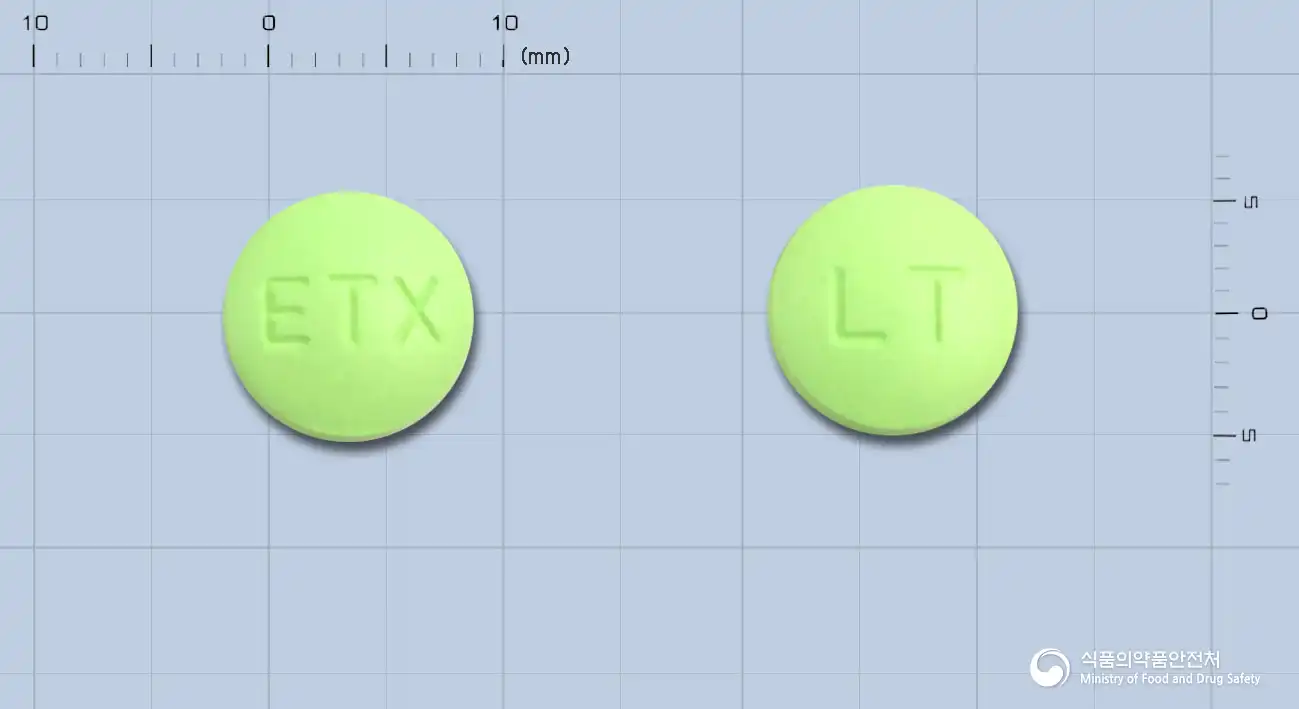
Dosage form image
Viewing nowCombinationAlmadin Tablet
Ranitidine Hydrochloride 31.5mg · Magnesium Oxide 50mg +2 more
Tablet · OTC medication · Combination
Korea PMG Pharmaceutical Co., Ltd.
MFDS item code 201203095 · Notified 2012.04.19
This product's status changed to Expired on 2025.07.01. It may no longer be sold, so consult a doctor or pharmacist before taking it.
Relief of gastrointestinal symptoms such as stomach pain and heartburn
This medication is used to relieve gastrointestinal-related symptoms such as stomach pain, heartburn, indigestion, and nausea.
Adults (15 years and older, under 80 years) should take 2 tablets at a time, and if symptoms do not improve after more than 5 hours, they may take another 2 tablets. However, do not exceed 2 doses (4 tablets) in one day.
This medication should not be administered to patients with blood disorders, kidney and liver diseases, gastrointestinal conditions such as stomach and duodenal diseases, or immune system disorders like asthma or rheumatoid diseases. Patients taking steroids, antibiotics, antineoplastics, or azole antifungals should also avoid this medication. Care should be taken with patients who have a history of blood abnormalities such as leukopenia, thrombocytopenia, or anemia. Individuals with hypersensitivity to histamine H2 receptor antagonists should not take this medication. Children, especially those under 15 years of age, and the elderly over 80 years of age should either avoid taking this medication or use it with caution as its safety has not been sufficiently verified. Women who are pregnant or may become pregnant and breastfeeding mothers should take this medication with caution and should stop breastfeeding if they take this medication. Patients undergoing dialysis treatment should also refrain from using this medication. This medication contains lactose, so patients with genetic issues such as galactose intolerance, Lapp lactase deficiency, or glucose-galactose malabsorption should not take it. Patients receiving medical care or taking other medications should be cautious as drug interactions may cause side effects or reduce efficacy. Individuals with a history of drug hypersensitivity or those over 65 years of age should be cautious. Patients with a sore throat, cough, or high fever are at risk of serious infections; thus, symptoms may worsen with the use of this medication, requiring caution. If there is unexplained weight loss or persistent abdominal pain, other conditions may be present, and it is advisable to consult a doctor. If symptoms such as rash, itching, swelling, constipation, diarrhea, vomiting, headache, dizziness, or muscle pain occur while taking this medication, it should be stopped immediately and medical advice should be sought. If sudden symptoms such as chest tightness, pallor, cold hands and feet, cold sweat, or shortness of breath occur after taking it, medical assistance should be sought immediately. In the event of severe symptoms such as high fever with skin rash, blisters, sore throat, bleeding tendencies, or jaundice, use of this medication should be discontinued and physician consultation should be sought immediately. If symptoms do not improve after three days of taking this medication, other medical issues may be present, and it is advisable to stop use and consult a professional. Long-term continuous use for more than two weeks should be avoided, and it is advisable not to consume alcoholic beverages with it. Do not exceed the prescribed dose, and this medication should not be used for other symptoms. Patients with a history of kidney disease should consult a doctor or pharmacist before use. The antacid components in this medication may interact with certain antibiotics and hinder absorption, so they should not be taken together. Using this medication concurrently with other gastrointestinal medications may lead to unexpected side effects, so it is safer not to use them together. When storing, keep it out of reach of children, and store it in a cool, dry place away from direct sunlight and high humidity. To maintain quality, it is important not to transfer it to other containers.
Not everyone experiences these, and they can vary from person to person.
This medication should be stored in a sealed container that is air-tight, and it is best to keep it at room temperature between 1 to 30 degrees Celsius. This will help maintain the medication's effectiveness for a longer period.
Yellow round film-coated tablet
30 tablets/bottle, 300 tablets/bottle
Even with the same ingredient, strength, dosage form and how it is taken can differ.
Ranitidine Hydrochloride 31.5mg · Magnesium Oxide 50mg +2 more
Tablet · OTC medication · Combination
Korea PMG Pharmaceutical Co., Ltd.
Ranitidine Hydrochloride 31.5mg · Magnesium Oxide 50mg +2 more
Tablet · OTC medication · Combination
Ildong Pharmaceutical Co., Ltd.
Ranitidine Hydrochloride 31.5mg · Magnesium Aluminosilicate 125mg +2 more
Tablet · OTC medication · Combination
Il Yang Pharmaceutical Co., Ltd.
Ranitidine Hydrochloride 31.5mg · Magnesium Oxide 50mg +2 more
Tablet · OTC medication · Combination
Jinyang Pharmaceutical Co., Ltd.
 Combination
Ranitidine Hydrochloride 31.5mg · Magnesium Oxide 50mg +2 more
Tablet · OTC medication · Combination
Teragen Etex Co., Ltd.
Ranitidine Hydrochloride 31.5mg · Magnesium Oxide 50mg +2 more
OTC medication · Combination
Youngpoong Pharmaceutical Co., Ltd.
Ranitidine Hydrochloride 31.5mg · Magnesium Oxide 50mg +2 more
Tablet · OTC medication · Combination
Myungmoon Pharmaceutical Co., Ltd.
Ranitidine Hydrochloride 31.5mg · Magnesium Aluminium Hydrate 100mg +2 more
Tablet · OTC medication · Combination
UniMed Pharmaceutical Co., Ltd.
Even with the same ingredient, the dose and directions can differ by strength and dosage form. Talk to a doctor or pharmacist before switching from a medication you are already taking.
No questions yet.
For anything that needs medical judgment, consult a doctor or pharmacist.
This drug information is based on data provided by the Korea Ministry of Food and Drug Safety.
Consult a doctor or pharmacist for accurate dosage, administration, and usage instructions.