
 한국어
한국어 English
 日本語
日本語 中文(简体)
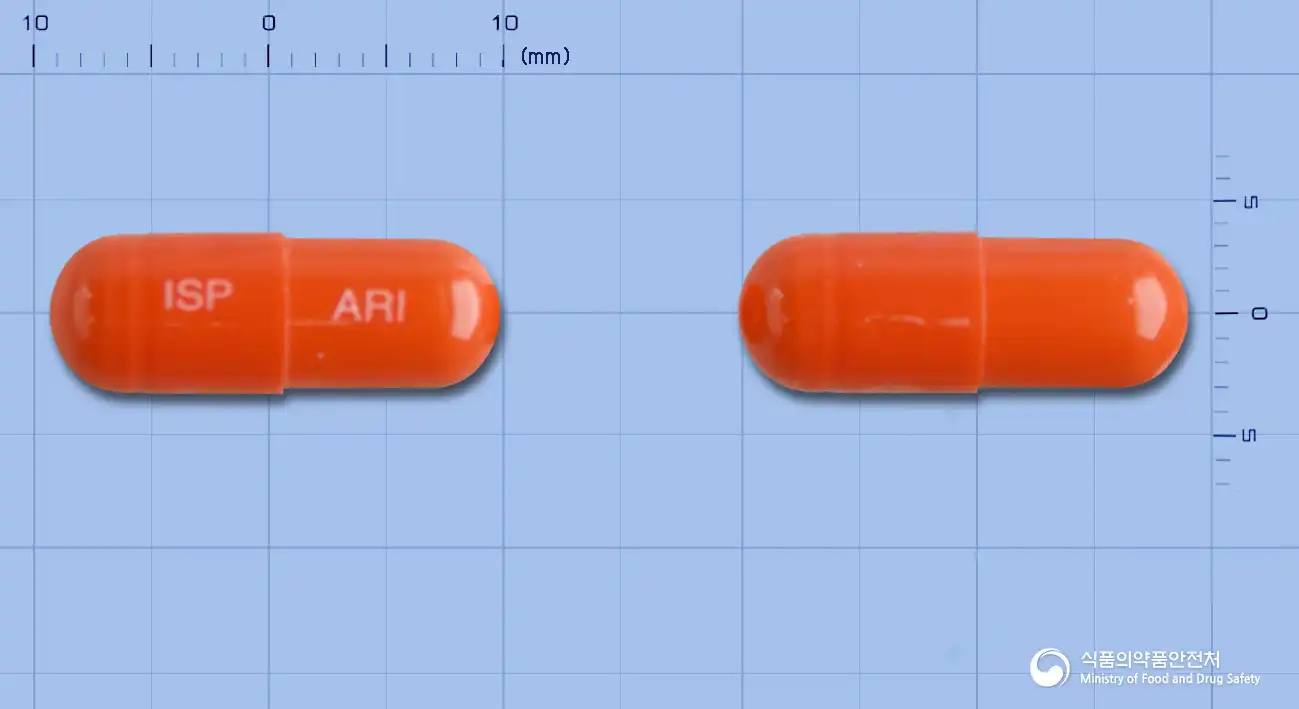 Viewing nowCombination
Arigrel Capsule
Clopidogrel Bisulfate 97.875mg · Aspirin Enteric Pellets 122mg
Hard capsule · Prescription medication · Combination
Huons Co., Ltd.
MFDS item code 201200636 · Approved 2012.01.31
Effectiveness in reducing the risk of atherosclerotic symptoms and thromboembolic events in acute coronary syndrome and atrial fibrillation.
This medicine is used for certain patients who require the combined administration of clopidogrel and aspirin. It helps improve cardiovascular issues such as death, myocardial infarction, stroke, or ischemic conditions in patients with acute coronary syndrome, including unstable angina or non-ST elevation myocardial infarction, who have received drug treatment or coronary interventions or are scheduled for coronary bypass surgery. Additionally, it is used in patients with atrial fibrillation who have vascular risk factors to reduce the risk of stroke and thrombosis when the risk of bleeding is low and vitamin K antagonists are not suitable. This medication is effective for the prevention of cardiovascular complications and the reduction of stroke risk.
Administer 1 capsule once a day.
This medication is intended to prevent blood clot formation by inhibiting coagulation. However, bleeding may take longer to stop after taking this medication, so you should inform your healthcare provider immediately if bleeding does not stop or lasts abnormally long. You must inform your healthcare team that you are taking this medication before undergoing surgery or starting new medications. Moreover, individuals with genetically reduced function of a specific enzyme (CYP2C19) may experience reduced effectiveness of this medication, increasing the risk of recurrence of cardiovascular diseases. Taking this medication in conjunction with other drugs that affect enzyme function may increase bleeding risks and should be approached with caution. Frequent alcohol consumption may increase the risk of gastrointestinal bleeding while taking this medication, so consultation with a doctor or pharmacist is essential. This medication should not be used by individuals with specific diseases or allergies to certain medications, severe liver or kidney dysfunction, or during late pregnancy or breastfeeding. Patients with a history of gastrointestinal bleeding or blood disorders, bleeding tendencies, or patients with acute stroke should use this medication cautiously and stop taking it 5 to 7 days prior to scheduled surgery. This medication may increase bleeding risks, so extra caution is advised when using it alongside other drugs that also increase bleeding risks, and you should consult healthcare professionals immediately if unusual symptoms arise. During treatment, you should monitor for gastrointestinal symptoms (abdominal pain, heartburn, nausea, etc.), skin rash, allergy symptoms, and signs of bleeding. In the early or mid-stages of pregnancy, it should be administered at the discretion of a physician and should not be administered in late pregnancy. It should not be used during breastfeeding. The safety and efficacy of this medication in children and adolescents under 18 years old have not been established, hence it is not recommended. In cases of overdose, the risk of bleeding may increase, so dosage must be strictly adhered to, and any unusual symptoms should be reported to healthcare professionals immediately. This medication should be stored at room temperature and kept out of reach of children. While this medication is not known to have a significant impact on driving or operating machinery, this may vary by individual, so caution is advised.
Hives, severe swelling (edema), chest tightness, difficulty breathing, cold sweat, paleness, severe rash with high fever, blisters, skin peeling, pain in mouth/eye mucosa, shortness of breath or difficulty breathing, asthma attacks, respiratory issues accompanied by cough and fever, yellowing of skin or eyes (jaundice), profound lethargy, sudden and severe headache, thunderclap headache, seizures, confusion, visual disturbances, paralysis, urination issues
Not everyone experiences these, and they can vary from person to person.
This medication may be sensitive to air or moisture; therefore, it should be stored in a sealed container. It is advisable to maintain a storage temperature between 1 degree and 30 degrees Celsius at room temperature. This helps preserve the drug’s effectiveness and safety over time.
A hard capsule with an upper and lower orange shell containing white or yellowish granules and enteric-coated pellets.
30 capsules/bottle, 300 capsules/bottle
Even with the same ingredient, strength, dosage form and how it is taken can differ.
Viewing nowCombinationClopidogrel Bisulfate 97.875mg · Aspirin Enteric Pellets 122mg
Hard capsule · Prescription medication · Combination
Huons Co., Ltd.
Clopidogrel Bisulfate 97.875mg · Aspirin Enteric Pellets 122mg
Hard capsule · Prescription medication · Combination
Jinyang Pharmaceutical Co., Ltd.
Clopidogrel Bisulfate 97.875mg · Aspirin Enteric Pellets 122mg
Hard capsule · Prescription medication · Combination
Boryeong Biopharma Co., Ltd.
Clopidogrel Bisulfate 97.875mg · Aspirin Enteric Pellets 122mg
Hard capsule · Prescription medication · Combination
Celltrion Pharmaceutical Co., Ltd.
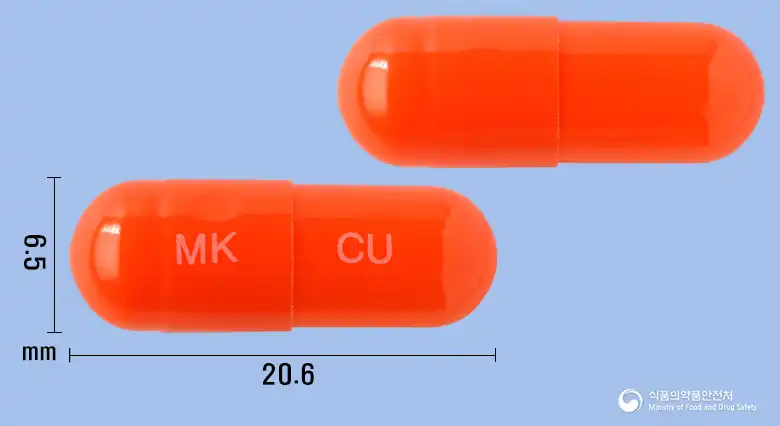 Combination
Clopidogrel Bisulfate 97.875mg · Aspirin Enteric Pellets 122mg
Hard capsule · Prescription medication · Combination
Medica Korea Co., Ltd.
 Combination
Clopidogrel Bisulfate 97.875mg · Aspirin Enteric Pellets 122mg
Hard capsule · Prescription medication · Combination
Korea Hutex Pharmaceutical Co., Ltd.
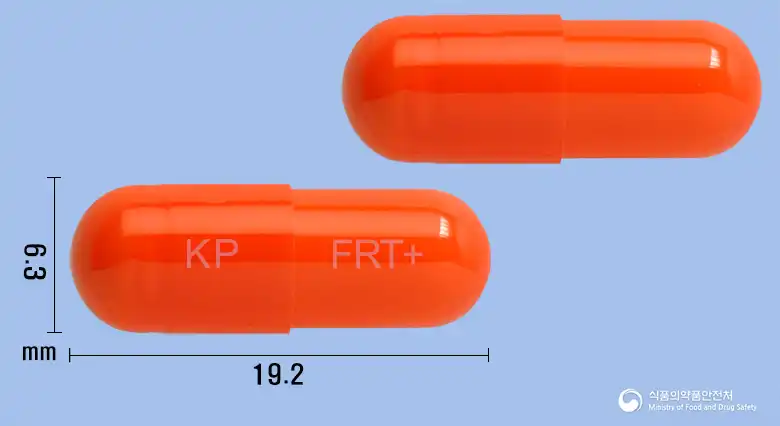 Combination
Clopidogrel Bisulfate 97.875mg · Aspirin Enteric Pellets 122mg
Hard capsule · Prescription medication · Combination
Korea Pharma Co., Ltd.
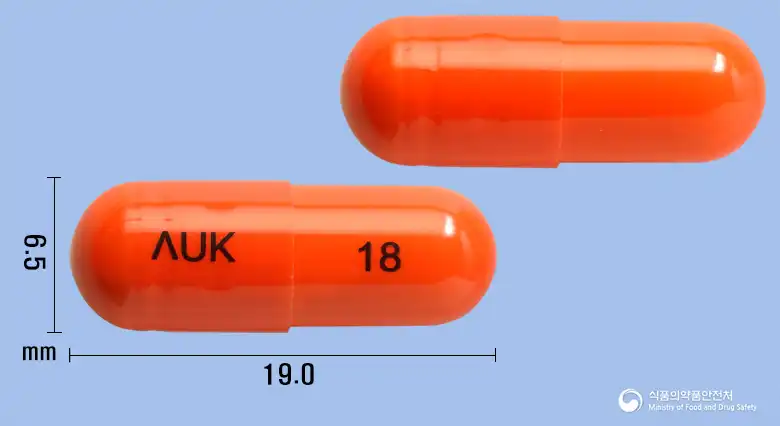 Combination
Clopidogrel Bisulfate 97.875mg · Aspirin Enteric Pellets 122mg
Hard capsule · Prescription medication · Combination
Os Korea Pharmaceutical Co., Ltd.
Even with the same ingredient, the dose and directions can differ by strength and dosage form. Talk to a doctor or pharmacist before switching from a medication you are already taking.
No questions yet.
For anything that needs medical judgment, consult a doctor or pharmacist.
This drug information is based on data provided by the Korea Ministry of Food and Drug Safety.
Consult a doctor or pharmacist for accurate dosage, administration, and usage instructions.