
 한국어
한국어 English
 日本語
日本語 中文(简体)
 Viewing now
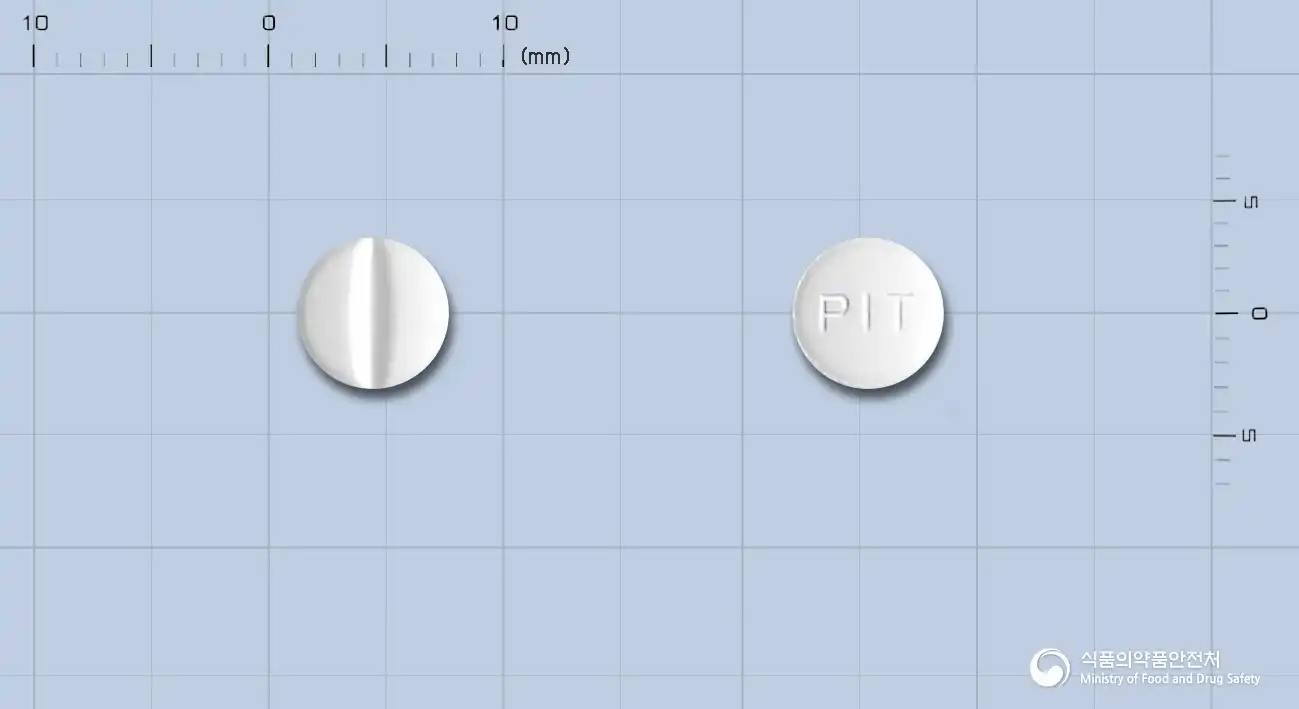
Tabarow Tablet (Pitavastatin Calcium)
Pitavastatin Calcium 2mg
Tablet · Prescription medication
Daewon Pharmaceutical Co., Ltd.
MFDS item code 201103416 · Approved 2011.05.24 · Insurance code 671805100
Improvement of hypercholesterolemia and dyslipidemia
This medication helps to control blood cholesterol and lipid levels in patients with primary hypercholesterolemia, particularly heterozygous familial and non-familial types, and in patients with mixed dyslipidemia classified as Fredrickson type IIb. Its main effects include lowering elevated total cholesterol, LDL cholesterol, apo-B protein, and triglyceride levels, while increasing levels of high-density lipoprotein (HDL) cholesterol. Therefore, this drug is used alongside dietary management to effectively improve blood lipid levels.
For adults, the usual initial dose is 1 to 2 milligrams of Pitavastatin Calcium once daily. If the effect on lowering LDL cholesterol levels is insufficient, it can be increased to a maximum of 4 milligrams per day. The dosage should be adjusted based on the patient's condition at intervals of 4 weeks or more.
This medication should not be used in certain patients. For example, patients who are allergic to this drug, have severely impaired liver function, or are pregnant or breastfeeding should not take this medication. Additionally, it is not used in children as its safety has not been established. This drug should be taken cautiously by patients with renal or liver function issues. Particularly, if taken with certain other medications, muscle issues may arise, so it should be discussed with a physician. During treatment, symptoms such as muscle pain, weakness, abdominal pain, skin rash, and liver function abnormalities may occur, and if these symptoms appear, inform a physician immediately. Since this medication is metabolized in the liver, regular liver function tests should be conducted, and it should be discontinued if abnormalities are found. Also, since this drug can interact with other medications, if you are currently taking any other medications, be sure to inform your healthcare provider. Elderly patients may experience side effects more easily while taking this medication, so caution is needed. Pregnant women, women who could become pregnant, and breastfeeding women should not take this medication, and it must be discontinued immediately if pregnancy is confirmed during treatment. Finally, this medication should be stored out of the reach of children and kept in its original container.
Hives, angioedema, muscle pain due to rhabdomyolysis, weakness, increased CPK levels, deteriorating kidney function, acute renal failure, severe kidney impairment, liver function disorders, jaundice, thrombocytopenia, severe allergic reactions, liver abnormalities (jaundice), severe edema or urination abnormalities, serious neurological symptoms (including paralysis), shortness of breath and difficulty breathing, severe rash, blisters, skin peeling, pain in oral/ocular mucous membranes, elevated blood pressure.
Not everyone experiences these, and they can vary from person to person.
This medication is sensitive to light, so it should be stored in a tightly closed container that blocks light. The storage temperature should be maintained between 1 degree and 30 degrees Celsius at room temperature.
White round film-coated tablet with a scored line.
30 tablets/bottle, 100 tablets/bottle
Even with the same ingredient, strength, dosage form and how it is taken can differ.
Viewing nowPitavastatin Calcium 2mg
Tablet · Prescription medication
Daewon Pharmaceutical Co., Ltd.
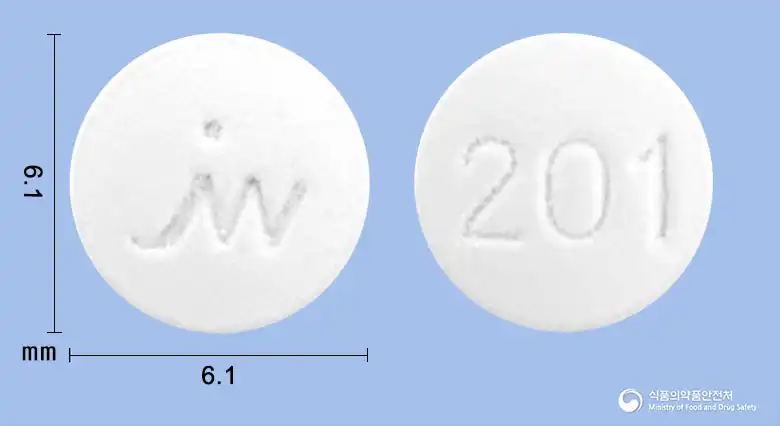
Pitavastatin Calcium Hydrate 1mg
Tablet · Prescription medication
JW Pharmaceutical Corporation
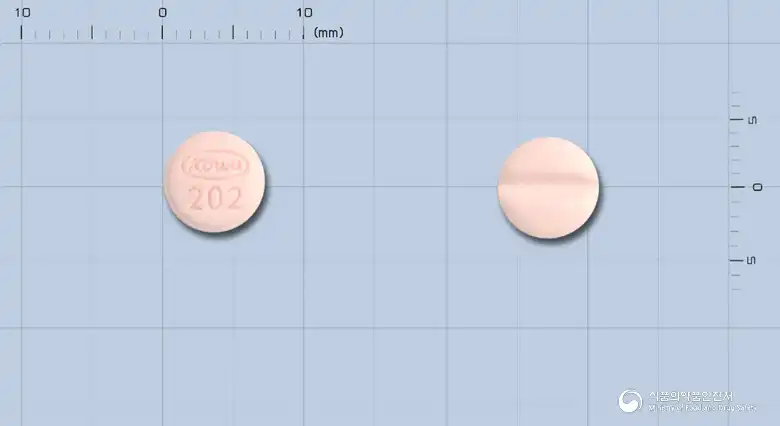
Pitavastatin Calcium Hydrate 2mg
Tablet · Prescription medication
JW Pharmaceutical Corporation
Pitavastatin Calcium 2mg
Tablet · Prescription medication
Youngjin Pharmaceutical Co., Ltd.
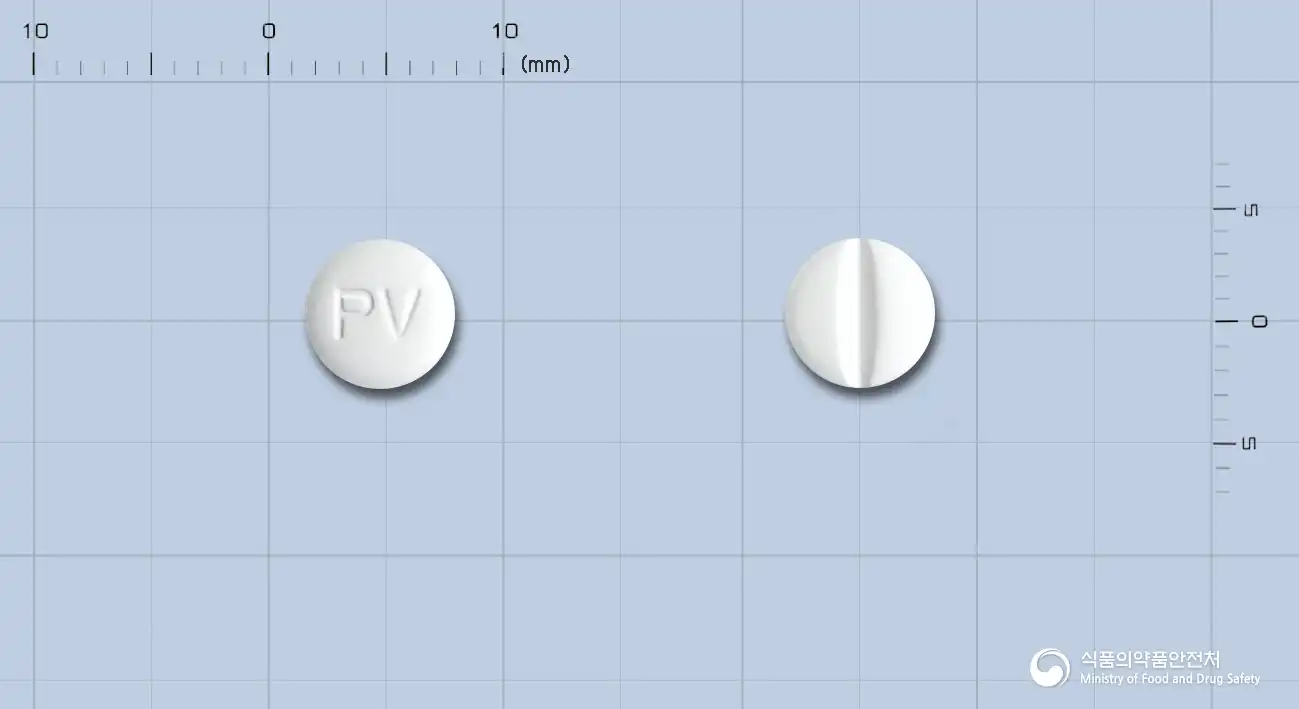
Pitavastatin Calcium 2mg
Tablet · Prescription medication
Samchundang Pharmaceutical Co., Ltd.
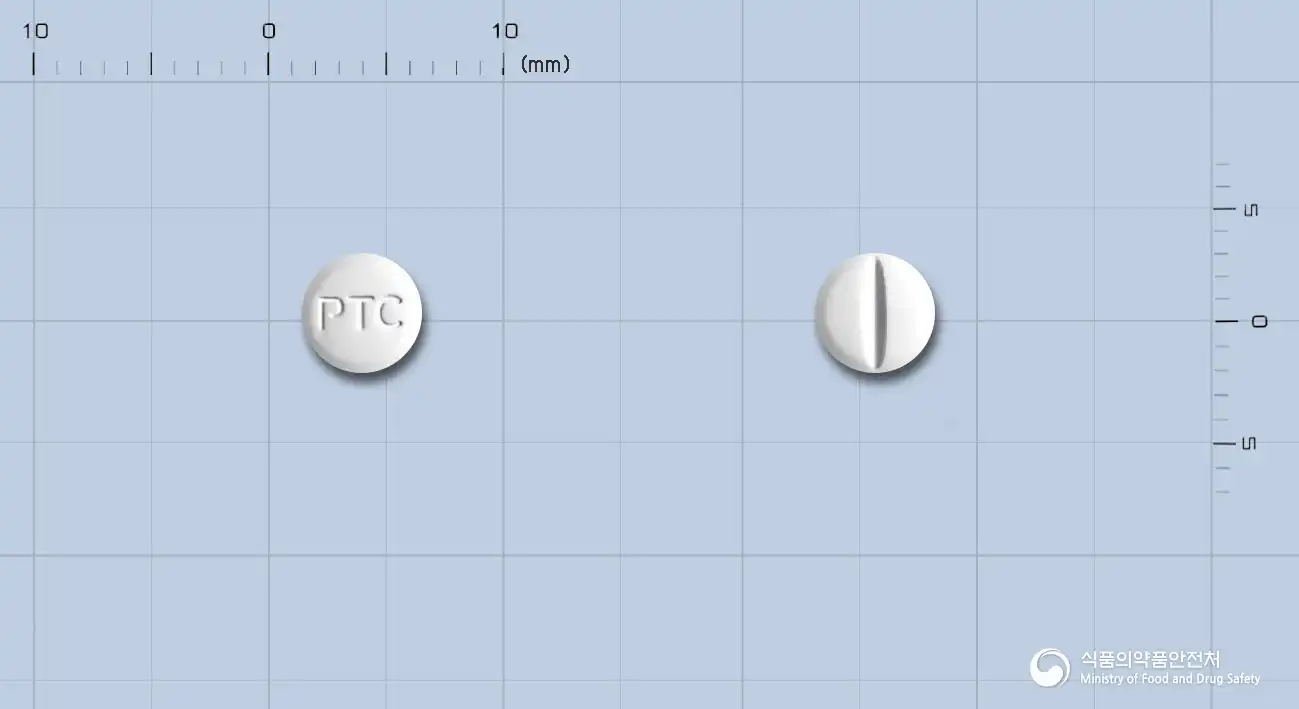
Pitavastatin Calcium 2mg
Tablet · Prescription medication
Samnam Pharmaceutical Co., Ltd.
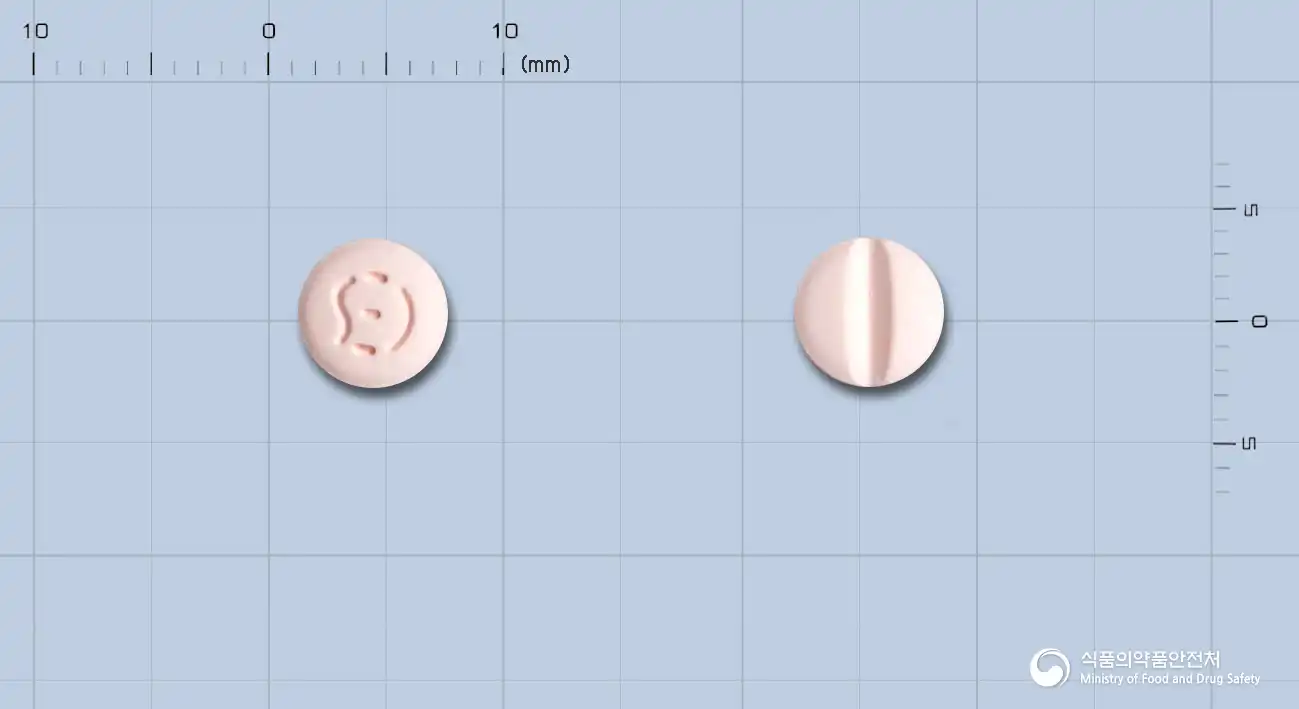
Pitavastatin Calcium 2mg
Tablet · Prescription medication
Seoul Pharmaceutical Co., Ltd.
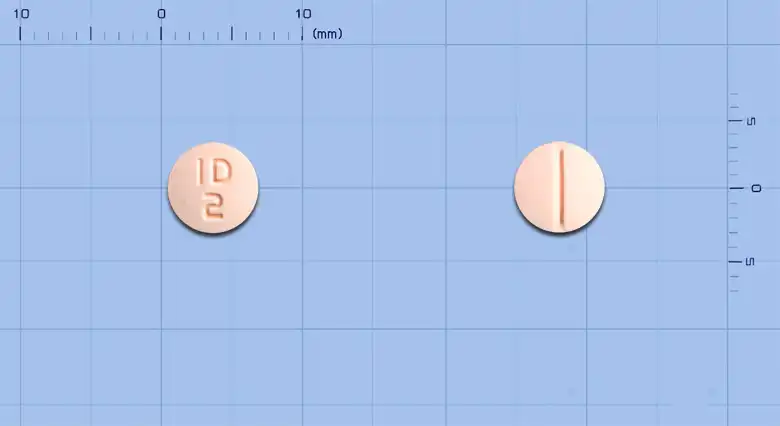
Pitavastatin Calcium 2mg
Tablet · Prescription medication
IlDong Pharmaceutical Co., Ltd.
Even with the same ingredient, the dose and directions can differ by strength and dosage form. Talk to a doctor or pharmacist before switching from a medication you are already taking.
No questions yet.
For anything that needs medical judgment, consult a doctor or pharmacist.
This drug information is based on data provided by the Korea Ministry of Food and Drug Safety.
Consult a doctor or pharmacist for accurate dosage, administration, and usage instructions.