
 한국어
 English
 日本語
 中文(简体)
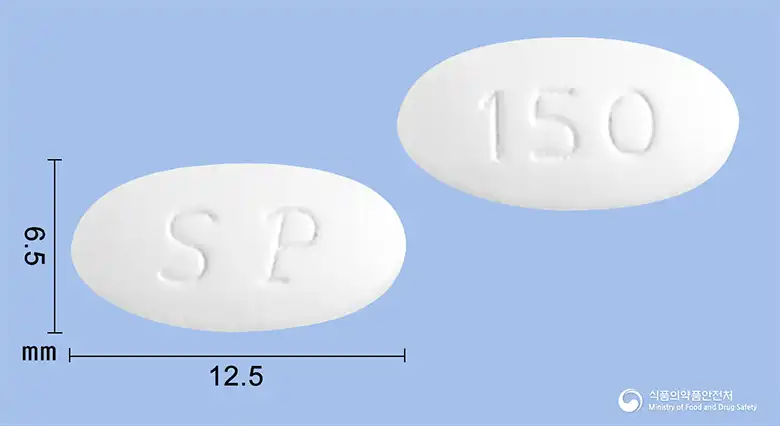 Viewing now
Ivera 150 mg (Irbesartan)
Irbesartan 150mg
Tablet · Prescription medication
Shinpoong Pharmaceutical Co., Ltd.
MFDS item code 201102328 · Approved 2011.04.18 · Insurance code 648506520
Treatment of essential hypertension and diabetic nephropathy in patients with type 2 diabetes accompanied by hypertension
This medication is primarily used to treat essential hypertension, which is high blood pressure caused by an unknown origin. It is also used to protect kidney function and prevent kidney disease in patients with type 2 diabetes who have hypertension. Therefore, it helps manage hypertension and prevent kidney complications associated with diabetes.
This medicine may be taken with or without food. 1. Essential hypertension Adults: Administer 150 mg of irbesartan orally once daily. If the effect is inadequate, the dose may be increased to 300 mg. In general, blood pressure control over 24 hours is better with 150 mg once daily than with 75 mg once daily; however, 75 mg may be considered in certain cases (e.g., at the start of treatment, in patients receiving hemodialysis, or in elderly patients aged 75 years or older). If blood pressure control is inadequate with monotherapy, another antihypertensive agent may be administered concomitantly. The effect is increased particularly when used concomitantly with a low dose of a diuretic (e.g., hydrochlorothiazide). 2. Nephropathy in patients with type 2 diabetes and hypertension Adults: It is recommended to start oral administration of this medicine at 150 mg once daily and increase the dose to 300 mg for maintenance. If necessary, another antihypertensive agent may be administered concomitantly to achieve the target blood pressure. ○ Elderly patients Dosage adjustment is generally not necessary, but an initial dose of 75 mg should be considered in patients aged 75 years or older. ○ Patients with renal impairment Dosage adjustment is generally not necessary, but an initial dose of 75 mg should be considered in patients receiving hemodialysis. ○ Patients with hepatic impairment Although no specific dosage adjustment is generally necessary in patients with mild to moderate hepatic impairment, it is recommended not to exceed 150 mg per day. There is no clinical experience in patients with severe hepatic impairment.
This medication can cause serious harm to the fetus during pregnancy, so use should be stopped immediately upon confirmation of pregnancy. Women who are pregnant or may become pregnant, as well as nursing mothers, should not use this medication. It should not be administered to individuals who are allergic to this medication or its components, those with severe liver dysfunction, or patients with certain hereditary conditions. Elderly patients or those with hyperkalemia, liver dysfunction, or heart or kidney issues should use this medication with caution. Due to the risk of significantly lowering blood pressure or worsening kidney function, careful monitoring of the condition is required. Mild side effects such as dizziness, fatigue, headache, and cough may occur during the use of this medication, and rarely, serious reactions such as skin rash or angioedema may also occur. There is a risk of increased potassium levels in the blood, so regular blood tests may be necessary. This medication can interact with other antihypertensive agents, potassium supplements, lithium, and non-steroidal anti-inflammatory drugs, so it is essential to discuss with healthcare professionals about other medications being taken. Caution is required while driving or operating machinery as dizziness or fatigue may be experienced. In case of overdose, symptoms such as hypotension or irregular heartbeat may occur, and if any symptoms arise, immediate medical attention should be sought. The safety of this medication has not been established in children, and it should be kept out of reach of children during storage. Regular monitoring of liver and kidney functions is recommended during treatment with this medication, and any unusual symptoms should be immediately reported to healthcare professionals.
Not everyone experiences these, and they can vary from person to person.
This medication should be stored in a tightly closed container to prevent air or moisture exposure and kept in a dry place below 30 degrees Celsius. Storing it this way helps maintain the medication's effectiveness for a longer time.
White or nearly white, biconvex, oval film-coated tablets
30 tablets/box [(10 tablets/PTP × 3)], 100 tablets/bottle, 30 tablets/bottle
Even with the same ingredient, strength, dosage form and how it is taken can differ.
Viewing nowIrbesartan 150mg
Tablet · Prescription medication
Shinpoong Pharmaceutical Co., Ltd.
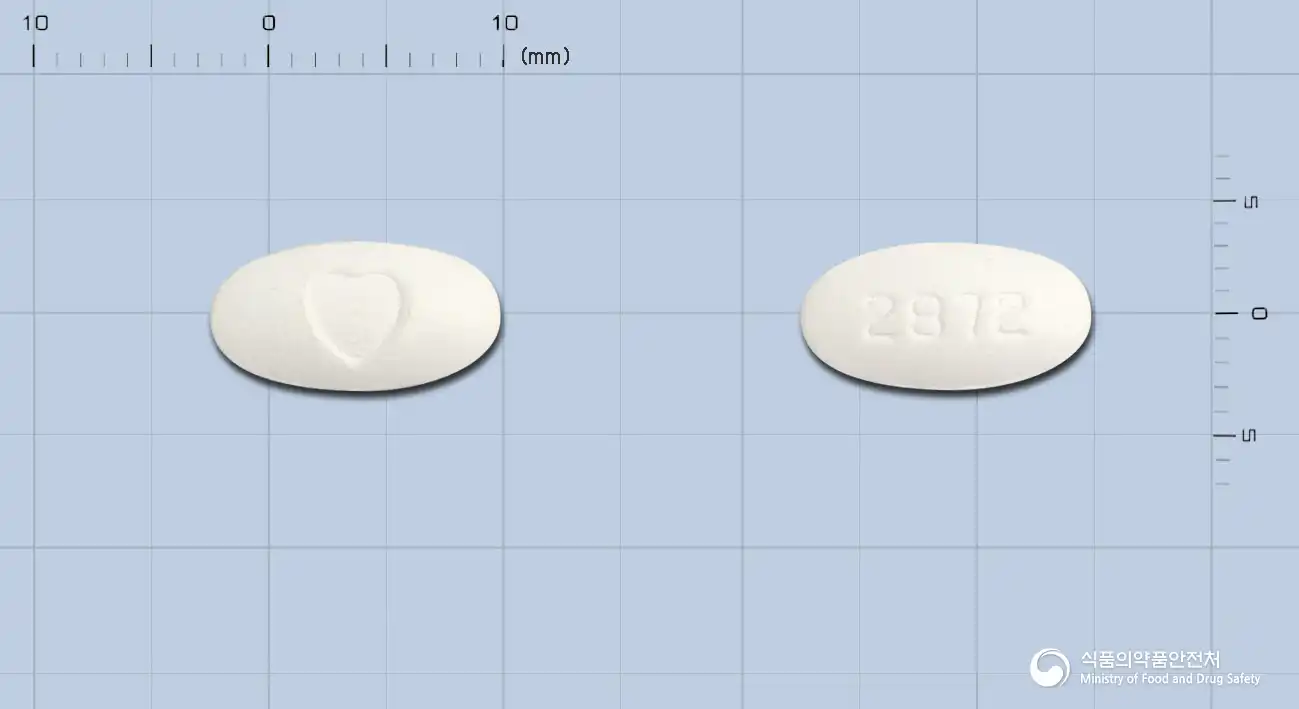
Irbesartan 150mg
Tablet · Prescription medication
Handok Co., Ltd.
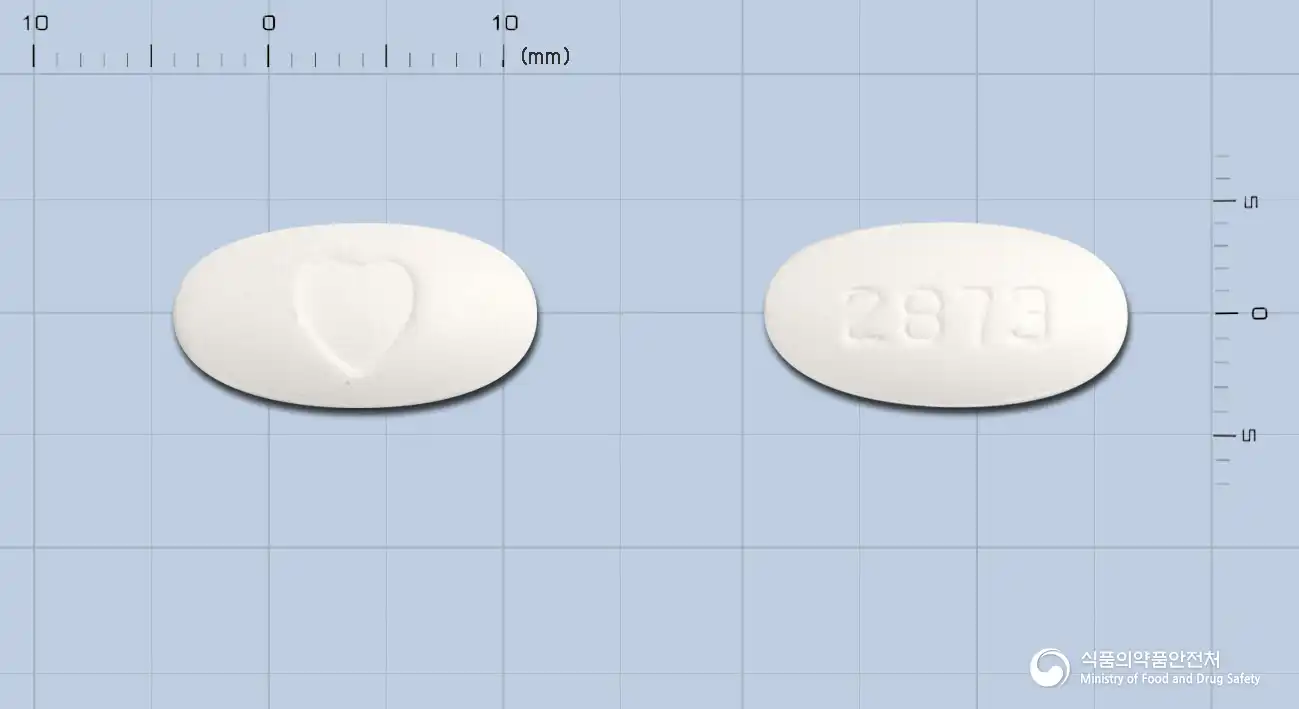
Irbesartan 300mg
Tablet · Prescription medication
Handok Co., Ltd.
Irbesartan 150mg
Tablet · Prescription medication
Hanwha Pharmaceutical Co., Ltd.
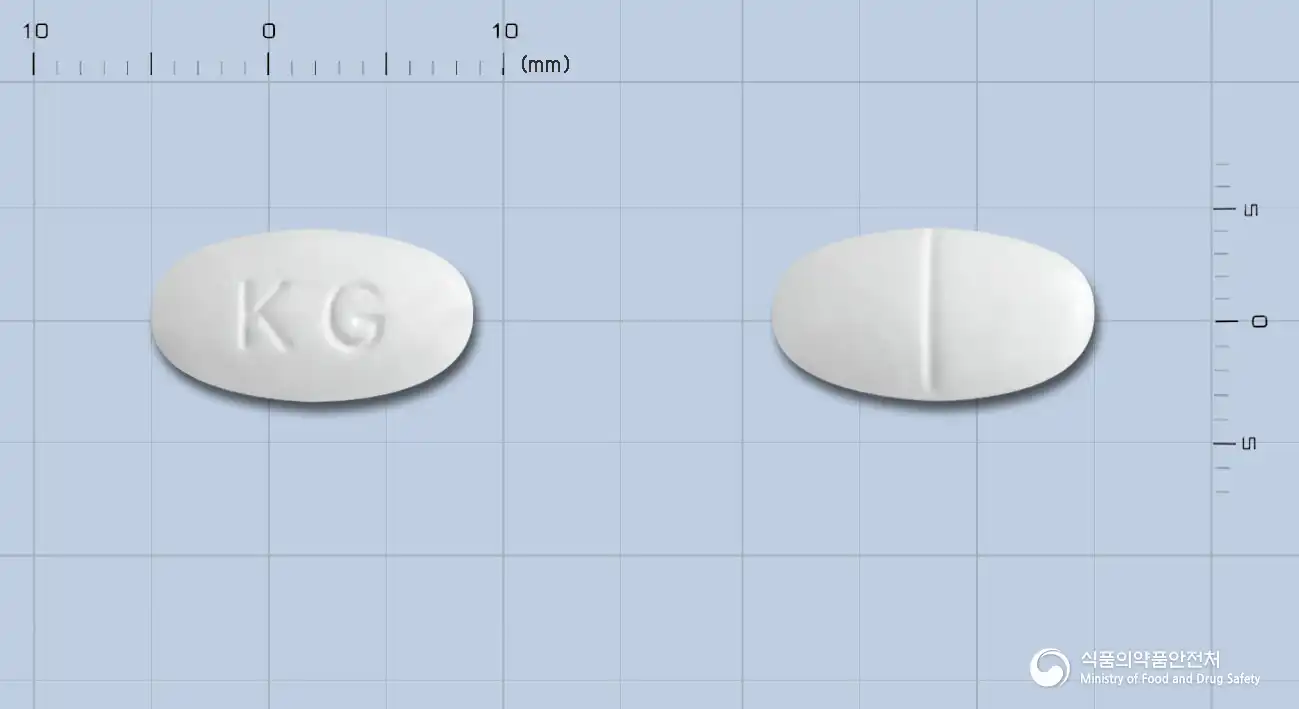
Irbesartan 150mg
Tablet · Prescription medication
Kips Biopharma Co., Ltd.
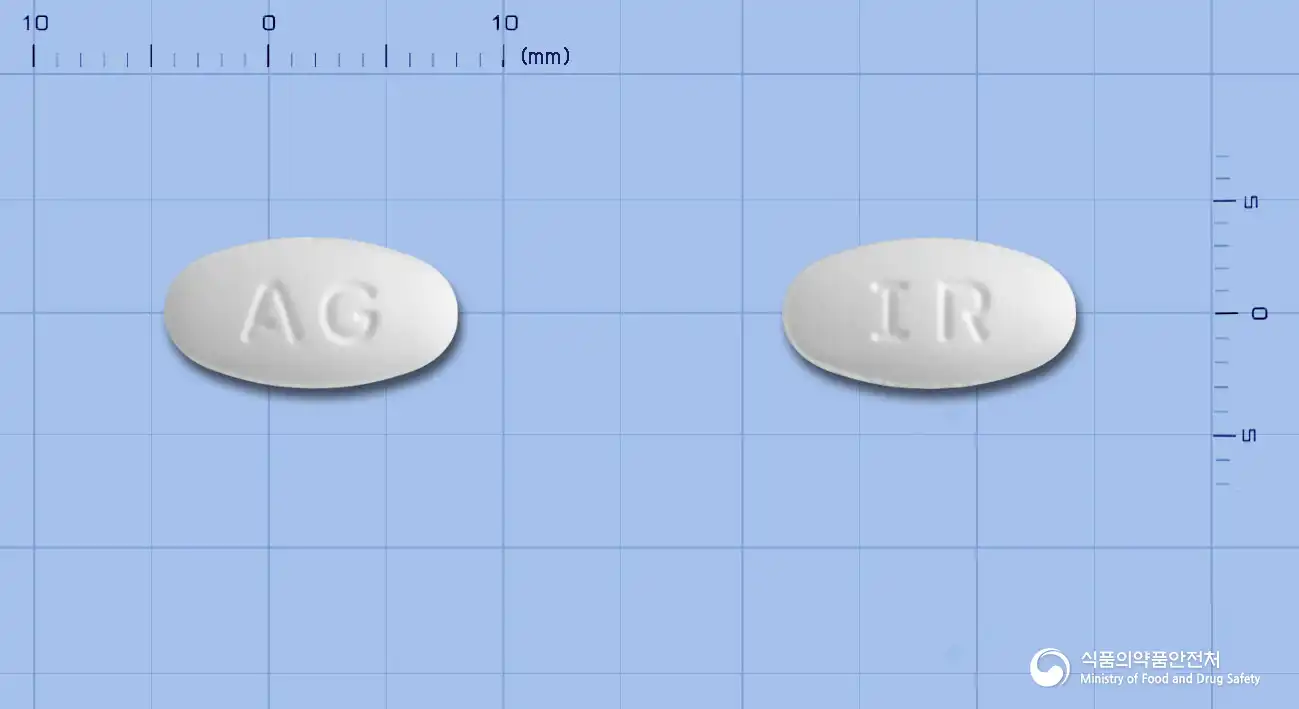
Irbesartan 150mg
Tablet · Prescription medication
Anguk Pharmaceutical Co., Ltd.
Irbesartan 150mg
Prescription medication
Bionex Co., Ltd.
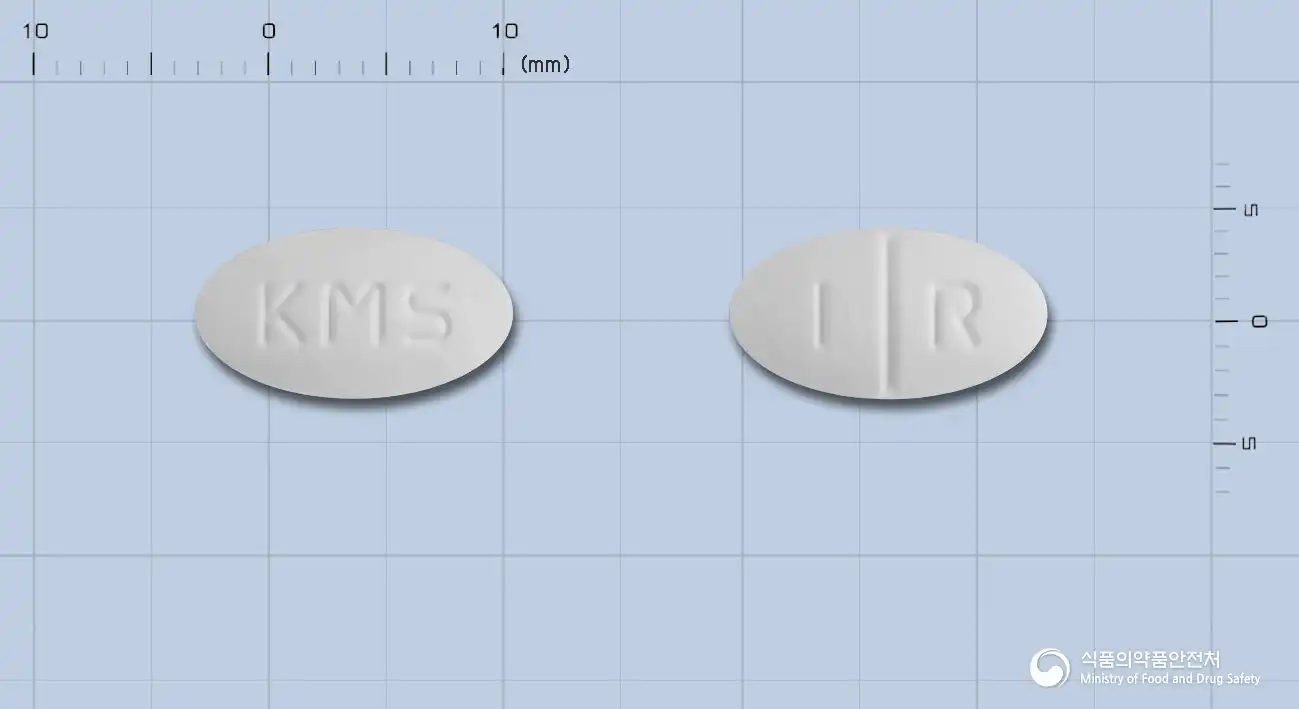
Irbesartan 150mg
Tablet · Prescription medication
KMS Pharmaceutical Co., Ltd.
Even with the same ingredient, the dose and directions can differ by strength and dosage form. Talk to a doctor or pharmacist before switching from a medication you are already taking.
No questions yet.
For anything that needs medical judgment, consult a doctor or pharmacist.
This drug information is based on data provided by the Korea Ministry of Food and Drug Safety.
Consult a doctor or pharmacist for accurate dosage, administration, and usage instructions.