
 한국어
한국어 English
 日本語
日本語 中文(简体)
Dosage form image
Viewing nowCombinationSimvastatin/Ezetimibe Tablets 10/10
Ezetimibe 10mg · Simvastatin 10mg
Tablet · Prescription medication · Combination
Austin Pharma Co., Ltd.
MFDS item code 201007255 · Notified 2010.11.29
This product's status changed to Expired on 2024.10.01. It may no longer be sold, so consult a doctor or pharmacist before taking it.
Improvement of cholesterol and lipid levels in hypercholesterolemia (primary, homozygous familial) and mixed hyperlipidemia
This drug is used to reduce total cholesterol, LDL cholesterol, apolipoprotein B, and triglycerides, and to increase HDL cholesterol in patients with primary hypercholesterolemia and mixed hyperlipidemia. It is especially administered as an adjunct to diet in patients with heterozygous familial hypercholesterolemia and non-familial hypercholesterolemia, and can be used as an adjunct or alternative therapy in patients with homozygous familial hypercholesterolemia. Additionally, this drug is administered along with an appropriate diet to patients at high risk of atherosclerotic vascular disease due to hypercholesterolemia to improve cholesterol levels. Before treatment, it is important to identify and control secondary causes such as diabetes and hypothyroidism, and cholesterol and lipid testing is necessary for an accurate diagnosis. Rapid lipid testing may also assist in formulating a proper treatment plan during acute coronary event hospitalization. This drug is effectively used to improve dyslipidemia.
This drug is administered once daily in the evening, regardless of meals. The dosage range for patients with primary hypercholesterolemia is 10/10 mg to 10/40 mg daily, with the generally recommended initial dose being 10/20 mg daily. Patients with lesser need for LDL cholesterol reduction may start with 10/10 mg daily. Adjustments in dosage should occur after a gap of 4 weeks following initiation or dose adjustment, with lipid levels being checked.
This drug is primarily used to lower blood cholesterol levels. Caution is necessary while taking this drug as it may cause muscle issues. If you experience muscle pain or weakness, inform your doctor immediately, as it can progress to severe cases of rhabdomyolysis. This drug can affect liver function, so patients with liver diseases or abnormally high liver enzymes should not take it. Pregnant or breastfeeding women should not take this drug, and women of childbearing age must confirm pregnancy before use. When taking this drug alongside other specific medications, the risk of muscle adverse reactions may increase; thus, consult your doctor or pharmacist before starting any new medications. Elderly patients, those with kidney diseases, or hypothyroidism require special caution while using this drug; regular blood tests are recommended to monitor liver function and muscle condition. Additionally, this drug may raise blood sugar levels in some patients, so those at risk for diabetes should periodically check their blood sugar levels. In cases of overdose, there is no specific antidote; therefore, immediate medical attention is required for appropriate treatment. It is vital to avoid consuming grapefruit juice or certain antibiotics, antifungal agents, and immunosuppressants while taking this drug, and inform medical personnel if you are using these medications. Lastly, this drug is used with limitations in children and adolescents, especially not recommended for those under 10 years old.
Myopathy, rhabdomyolysis, elevated serum creatine kinase (CK) levels (> 10 times the upper limit of normal), persistent elevation of serum aminotransferase levels (> 3 times the upper limit of normal), hepatitis, pancreatitis, cholestasis jaundice, fulminant hepatic necrosis, cirrhosis, liver failure, urticaria, angioedema, chest tightness, dyspnea, respiratory distress, toxic epidermal necrolysis (Lyell's syndrome), mucocutaneous syndrome (Stevens-Johnson syndrome), polymorphous erythema
Not everyone experiences these, and they can vary from person to person.
This drug should be stored in a tightly closed container to protect it from air and moisture. It is important to maintain a storage temperature between 1 and 30 degrees Celsius to safely preserve the drug's efficacy.
Biconvex rectangular tablets, white to pale yellow in color
30 tablets (10 tablets/Alu-Alu × 3)
Even with the same ingredient, strength, dosage form and how it is taken can differ.
Ezetimibe 10mg · Simvastatin 10mg
Tablet · Prescription medication · Combination
Austin Pharma Co., Ltd.
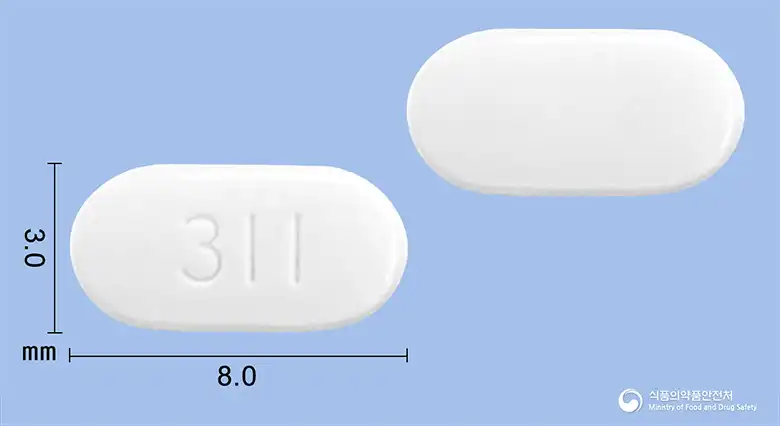 Combination
Simvastatin 10mg · Ezetimibe 10mg
Tablet · Prescription medication · Combination
Korea Organon Co., Ltd.
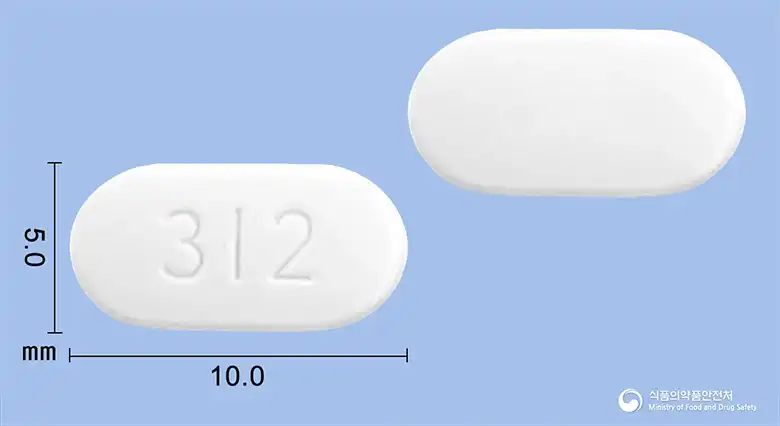 Combination
Simvastatin 20mg · Ezetimibe 10mg
Tablet · Prescription medication · Combination
Korea Organon Co., Ltd.
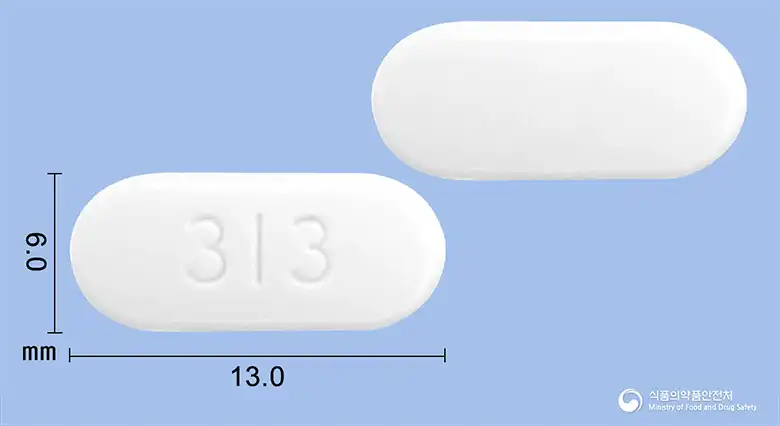 Combination
Simvastatin 40mg · Ezetimibe 10mg
Tablet · Prescription medication · Combination
Korea Organon Co., Ltd.
Ezetimibe 10mg · Simvastatin 10mg
Tablet · Prescription medication · Combination
Boryung Pharmaceutical Co., Ltd.
Ezetimibe 10mg · Simvastatin 20mg
Tablet · Prescription medication · Combination
Boryung Pharmaceutical Co., Ltd.
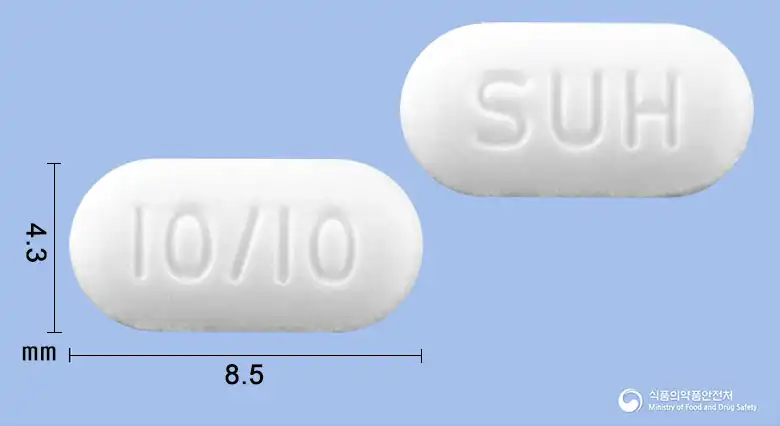 Combination
Ezetimibe 10mg · Simvastatin 10mg
Tablet · Prescription medication · Combination
Suhung Co., Ltd.
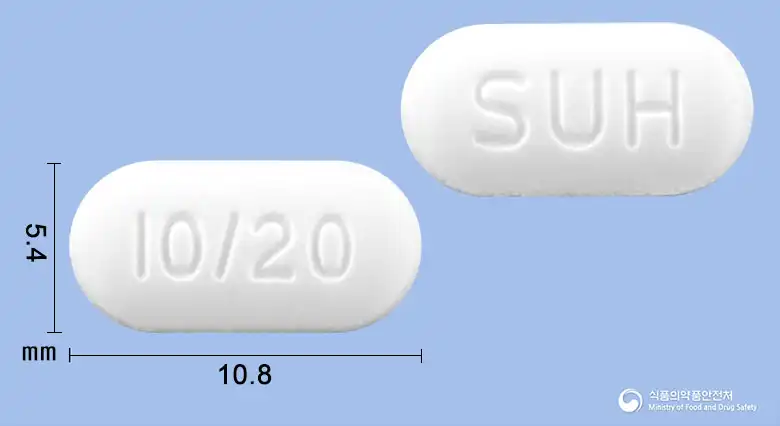 Combination
Ezetimibe 10mg · Simvastatin 20mg
Tablet · Prescription medication · Combination
Seohung Co., Ltd.
Even with the same ingredient, the dose and directions can differ by strength and dosage form. Talk to a doctor or pharmacist before switching from a medication you are already taking.
No questions yet.
For anything that needs medical judgment, consult a doctor or pharmacist.
This drug information is based on data provided by the Korea Ministry of Food and Drug Safety.
Consult a doctor or pharmacist for accurate dosage, administration, and usage instructions.