
 한국어
 English
 日本語
 中文(简体)
Dosage form image
Viewing nowEasy Cool Syrup (Dexibuprofen)
Dexibuprofen 1.2g
Syrup · OTC medication
Humedics Co., Ltd.
MFDS item code 201005690 · Notified 2010.09.28
This product's status changed to Expired on 2024.01.01. It may no longer be sold, so consult a doctor or pharmacist before taking it.
Relief of fever caused by acute upper respiratory tract infection
This medication is used effectively to lower fever caused by acute upper respiratory infections. It helps alleviate discomfort caused by the infection, thus improving the patient's condition.
Children aged 6 months and older: Take 0.4~0.6mL/kg per dose (equivalent to 5~7mg/kg of dexibuprofen) as needed at intervals of 4~6 hours, not exceeding a maximum of 4 doses per day (28mg/kg). For children weighing 30kg or less, do not exceed a maximum of 25mL per day (equivalent to 300mg of dexibuprofen). 12 years, 43 kg or more: 18~25 mL per dose (215~300 mg) 11 years, 38.0-42.9 kg: 16~25 mL per dose (190~300 mg) 9-10 years, 30.0-37.9 kg: 12.5~22 mL per dose (150~265 mg) 6-8 years, 21.0-29.9 kg: 9~17 mL per dose (105~210 mg) 4-5 years, 16.0-20.9 kg: 7~12 mL per dose (80~145 mg) 2-3 years, 12.0-15.9 kg: 5~9 mL per dose (60~110 mg) 12-23 months, 10.0-11.9 kg: 4~7 mL per dose (50~80 mg) 6-11 months, 7.9-9.9 kg: 3~6 mL per dose (40~70 mg)
If this medication is taken by individuals who regularly consume more than 3 glasses of alcohol per day, there may be a risk of gastrointestinal bleeding; therefore, consultation with a doctor or pharmacist is necessary. This medication may increase the risk of cardiovascular events such as myocardial infarction and stroke in patients with cardiovascular diseases or risk factors, hence caution is required. Serious gastrointestinal issues such as gastrointestinal bleeding, ulcers, and perforations may occur, thus elderly patients or those with a history of gastrointestinal disorders should use this medication with extra caution. This medication should not be used in certain patients, including those with a history of peptic ulcers, severe blood disorders, liver dysfunction, kidney dysfunction, heart failure, hypertension, or hypersensitivity to any of the components. Prescribe with caution for some patients with a history of peptic ulcers, blood disorders, liver and kidney conditions, hypertension, and in the elderly, and immediate consultation with a doctor should be sought if abnormal symptoms appear. While taking this medication, severe allergic reactions, blood disorders, gastrointestinal bleeding, skin rashes, liver dysfunction, and kidney problems may rarely occur; thus, administration should be stopped immediately and medical advice should be obtained if any symptoms develop. This medication should be used at the minimal dose and for the shortest duration necessary, and regular blood tests and liver and kidney function tests are required with long-term use. Caution is advised as there may be an increased risk of adverse reactions when taken with other non-steroidal anti-inflammatory drugs, glucocorticoids, aspirin, diuretics, and antihypertensive agents. During pregnancy, especially in the late stages, there is a risk of closure of the ductus arteriosus in the fetus, so use should be avoided. In breastfeeding, the drug may pass into breast milk and cause adverse reactions in infants, thus consideration should be given to stopping breastfeeding or discontinuing the medication. Children and the elderly are at higher risk of adverse reactions and should be administered the minimum dose carefully, with children weighing less than 30 kg not exceeding 300 mg in a day. In the case of overdose, immediate emergency measures such as gastric lavage or inducing vomiting should be carried out, and the medication should be stored out of reach of children, avoiding transfer to another container.
Not everyone experiences these, and they can vary from person to person.
This medication may be sensitive to light, so it should be stored in a tightly sealed container that blocks light. Additionally, it should be stored at room temperature, not exceeding 25 degrees Celsius and not below 15 degrees Celsius.
A clear syrup with a light yellow to pale yellow color and strawberry flavor, contained in an aluminum foil pouch.
6 mL/pack x 10
Even with the same ingredient, strength, dosage form and how it is taken can differ.
Dexibuprofen 1.2g
Syrup · OTC medication
Humedics Co., Ltd.
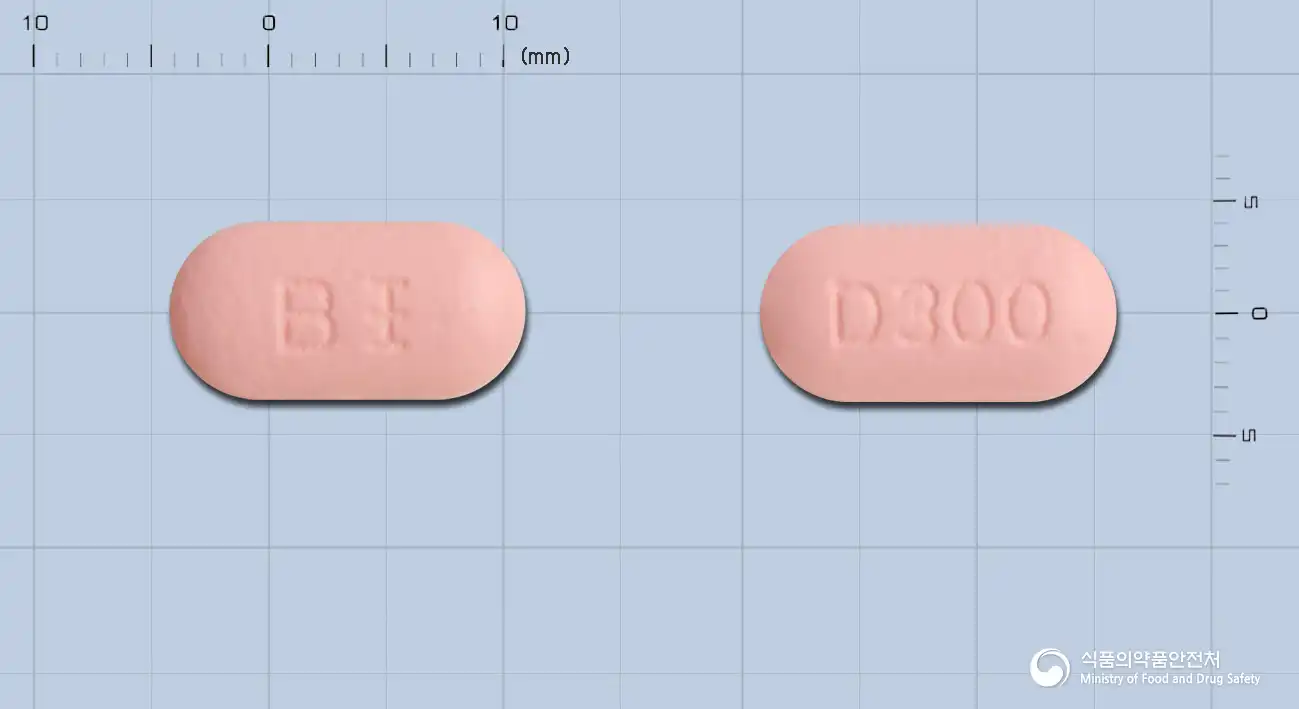
Dexibuprofen 300mg
Tablet · OTC medication
Bionex Co., Ltd.
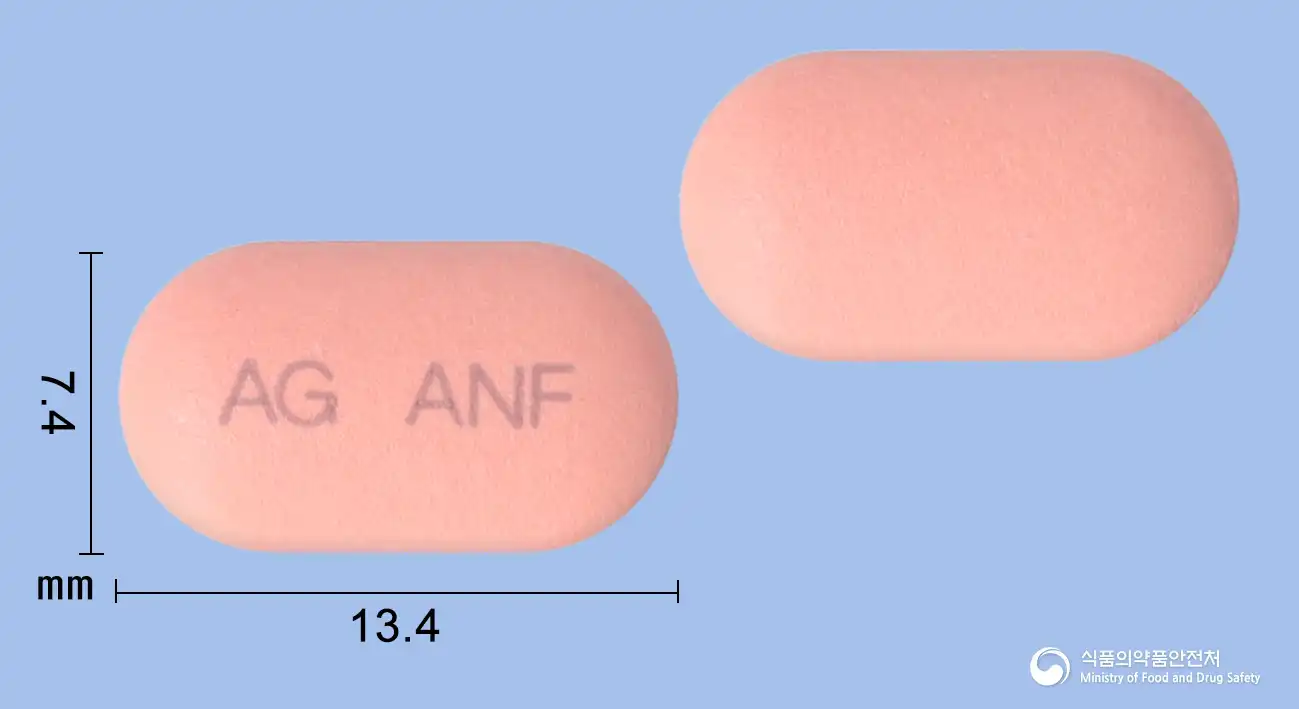
Dexibuprofen 300mg
Tablet · OTC medication
Anguk Pharmaceutical Co., Ltd.
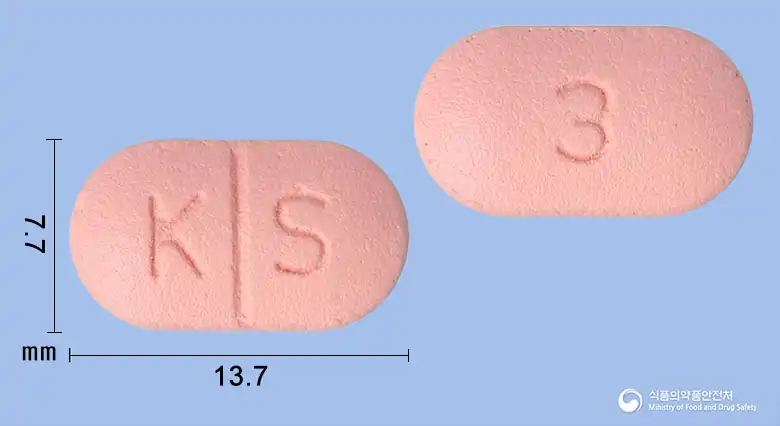
Dexibuprofen 300mg
Tablet · OTC medication
Aprogen Pharmaceuticals, Co., Ltd.
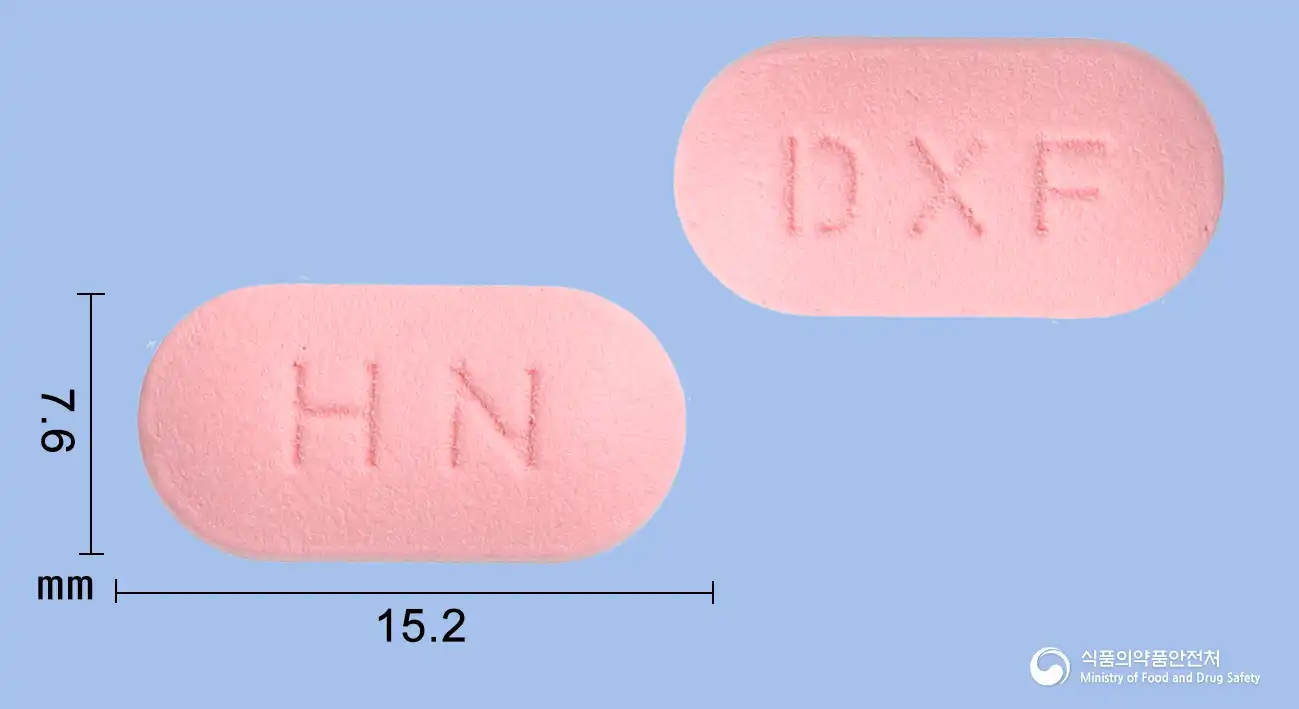
Dexibuprofen 300mg
Tablet · OTC medication
Hana Pharmaceutical Co., Ltd.
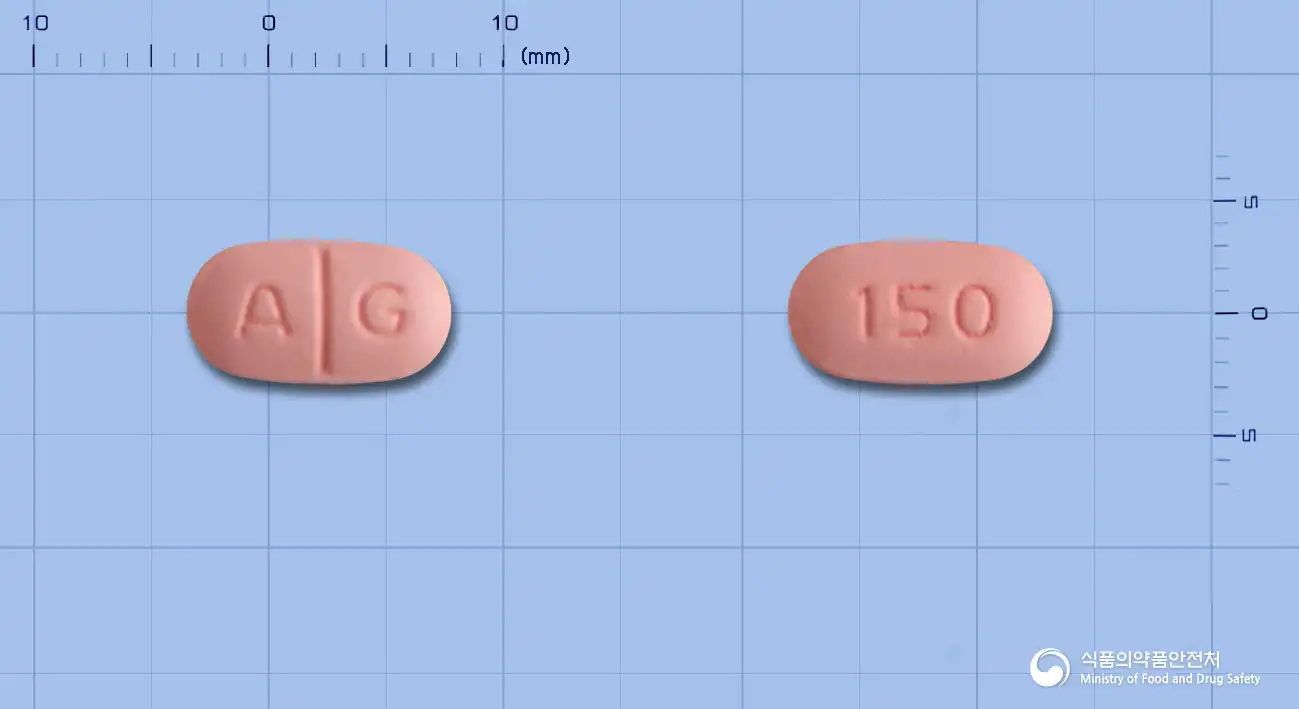
Dexibuprofen 150mg
Tablet · OTC medication
Anguk Pharm Co., Ltd.
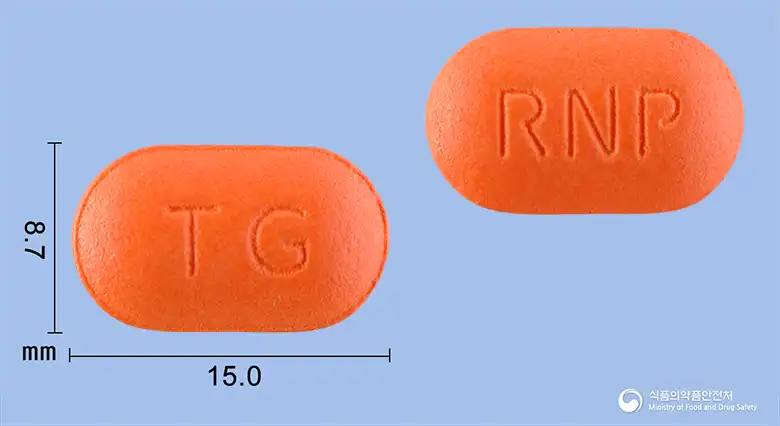
Dexibuprofen 300mg
Tablet · OTC medication
Taeguk Pharmaceutical Co., Ltd.
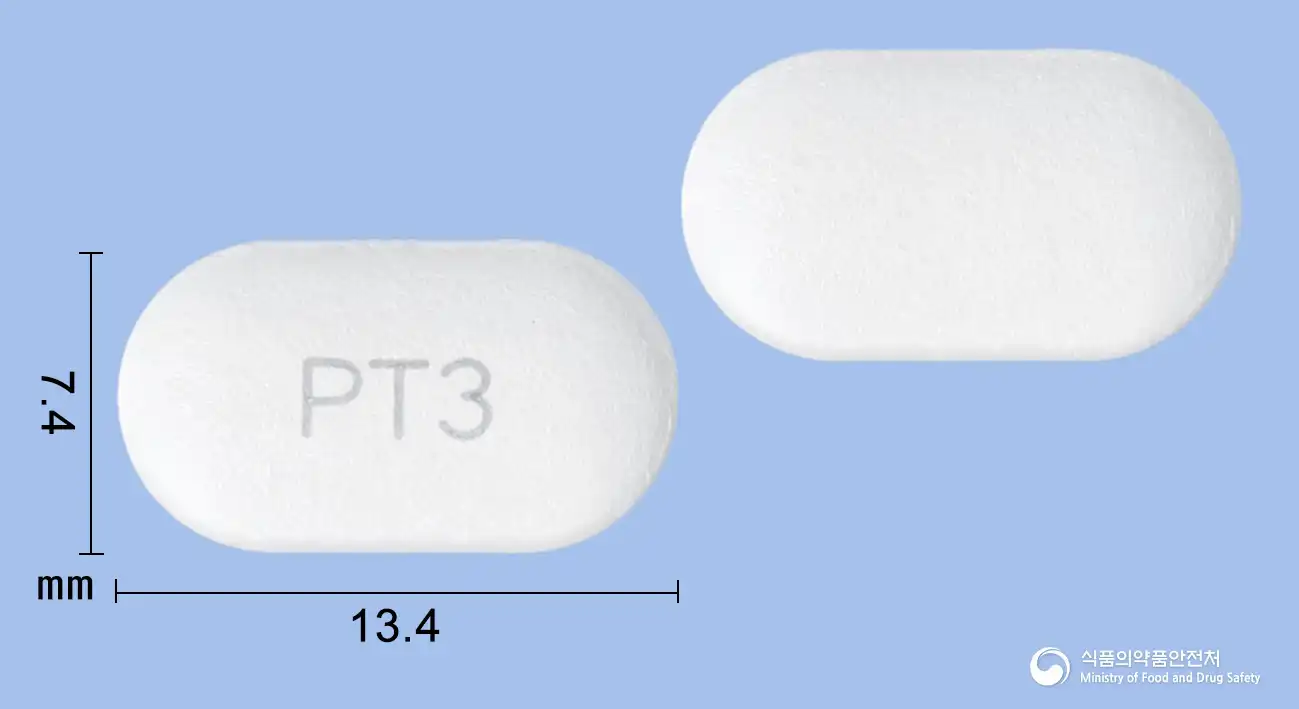
Dexibuprofen 300mg
Tablet · OTC medication
Genupharm Co., Ltd.
Even with the same ingredient, the dose and directions can differ by strength and dosage form. Talk to a doctor or pharmacist before switching from a medication you are already taking.
No questions yet.
For anything that needs medical judgment, consult a doctor or pharmacist.
This drug information is based on data provided by the Korea Ministry of Food and Drug Safety.
Consult a doctor or pharmacist for accurate dosage, administration, and usage instructions.